
What’s the best way to support a climbing Philodendron?
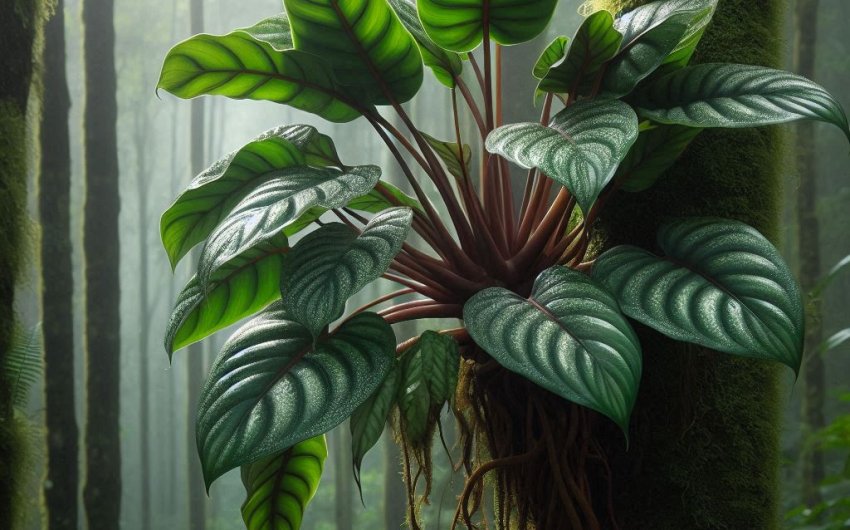
You've got a beautiful Philodendron, right? Maybe it’s a shiny Heartleaf Philodendron, a velvety Micans, or a stunning Brasil. These plants are known for their gorgeous foliage and their ability to grow long, trailing vines. But did you know that most popular Philodendrons are actually natural climbers? In their native jungle homes, they don’t just hang down; they climb up trees, using their aerial roots to attach themselves.
Supporting your climbing Philodendron isn't just about making it look tidy; it actually helps the plant thrive. When a Philodendron climbs, it mimics its natural environment, which can lead to bigger leaves, healthier growth, and a happier plant overall. If you let your Philodendron trail or hang, it might look pretty, but it often won't reach its full potential in terms of leaf size and vigor. Let’s explore the best ways to give your Philodendron the support it needs to climb high and grow strong.
Why Should I Make My Philodendron Climb?
There are several excellent reasons to encourage your Philodendron to grow upwards instead of trailing downwards. It’s all about helping your plant live its best life!
Do Philodendrons Grow Bigger Leaves When They Climb?
Yes, they absolutely do! This is one of the most exciting benefits. When a Philodendron climbs, especially on a surface its aerial roots can cling to, it signals to the plant that it's maturing. This often leads to a significant increase in leaf size. Trailing Philodendrons tend to keep their leaves smaller, as they are not putting energy into supporting a large, upright structure. A climbing Philodendron, however, receives better light exposure and can dedicate more resources to producing those impressively large, mature leaves you see in nature.
How Does Climbing Help Aerial Roots?
Aerial roots are those little brown or tan roots that sprout from the nodes (where leaves and new stems emerge) along your Philodendron's vines. In the wild, these roots are crucial for anchoring the plant to trees and absorbing moisture and nutrients from the air and tree bark. When you provide a climbing structure, your Philodendron's aerial roots will naturally seek it out and attach. This provides extra stability for the plant and allows these roots to function as they're meant to, contributing to the plant's overall health and vigor. Don’t cut them off! They are vital.
Is Climbing Better for Philodendron Plant Health?
Absolutely. When a Philodendron climbs, it typically gets better airflow around its leaves, which can reduce the risk of fungal diseases. It also gets more consistent and even light exposure to all parts of the plant. A sprawling plant might have some leaves shaded by others, leading to weaker growth in those areas. Vertical growth, by contrast, helps ensure all leaves receive adequate light, promoting a stronger, healthier plant.
Why Does My Philodendron Get Leggy When Trailing?
If you've noticed your Philodendron vines getting long with sparse leaves, that's often a sign of legginess. This happens when the plant is searching for more light. When Philodendrons are left to trail, they often produce smaller leaves and longer spaces between nodes (the points where leaves and roots emerge) as they stretch to find better light. Encouraging them to climb puts them in a more upright position, allowing for denser, bushier growth and preventing that stretched-out look.
What Are the Best Climbing Structures for Philodendrons?
Choosing the right support for your Philodendron is key. The best option depends on the size of your plant, your personal preference, and how much natural look you want.
What is a Moss Pole and Is It Good for Philodendrons?
A moss pole is one of the most popular and effective supports for climbing aroids like Philodendrons. It's essentially a pole wrapped in sphagnum moss or coconut coir (coco coir). The moss provides a rough, moist surface that the Philodendron’s aerial roots can easily cling to and grow into. This mimics the rough bark of trees in their natural habitat.
Pros of moss poles:
- Excellent for aerial root attachment.
- Retains moisture, offering humidity to roots.
- Looks natural and blends with the plant.
- Many are extendable, allowing you to add height as the plant grows.
You can find pre-made moss poles on Amazon, such as a Coir Moss Pole or a stackable moss pole for future growth.
Can I Use a Trellis for My Climbing Philodendron?
A trellis is another fantastic option, especially for Philodendrons with multiple vines or those you want to spread out horizontally as they climb. Trellises come in various shapes and materials, like wood, bamboo, or metal. They offer a larger surface area for the plant to spread its leaves and can be very decorative.
Pros of trellises:
- Provides ample surface area for multiple vines.
- Good for spreading out foliage for better light exposure.
- Comes in many decorative designs.
- Often more stable for very large plants than a single pole.
Consider a bamboo plant trellis for a natural look, or a decorative metal trellis for a more modern aesthetic.
What About Stakes or Other Simple Supports?
For young or smaller Philodendron plants, a simple bamboo stake or wooden dowel can work as a temporary solution. You can gently tie the main stem to the stake to guide it upwards. However, stakes don't offer the same rough surface for aerial roots to cling to, so you'll need to continuously tie the plant as it grows. As your Philodendron matures, it will quickly outgrow a single stake and benefit greatly from a moss pole or trellis.
Should I Make My Own Moss Pole?
Making your own moss pole is a rewarding DIY project! It allows you to customize the height and thickness to perfectly suit your plant. You'll need a sturdy PVC pipe or wooden dowel, plenty of sphagnum moss, and strong, durable twine or fishing line. You simply wrap the wet moss tightly around the pole and secure it. This can be more cost-effective if you have many plants to support.
How Do I Attach My Philodendron to a Support?
Once you have your climbing structure, the next step is gently attaching your Philodendron. It’s a process that requires patience and a light touch.
How Do I Insert the Support into the Pot?
Carefully push your chosen support – moss pole, trellis, or stake – into the soil. Aim to place it close to the main stem of your Philodendron without damaging too many roots. If your plant is already quite large and dense, you might need to gently repot it to properly position the support. Make sure the support is firmly planted in the soil so it remains stable as your Philodendron grows.
What Tools Should I Use to Tie Stems?
You need soft, plant-friendly materials that won't cut into the delicate stems of your Philodendron. Avoid thin string or wire.
- Velcro plant ties: These are incredibly convenient. They are soft, adjustable, reusable, and easy to undo if you need to reposition. Look for reusable plant ties.
- Soft garden twine: Natural jute or cotton twine works well. Just make sure it’s not too rough. A roll of garden twine is always useful for plant care.
- Plant clips: Small, gentle plant clips can be used to hold stems against a pole or trellis. They are quick and easy to use. Search for plant support clips.
How Do I Secure the Philodendron Stems?
Start with the lowest part of the main stem or vine that you want to climb. Gently guide it towards the support. Using your chosen tie material, loosely secure the stem to the pole. The key word here is "loosely". You want to provide support, not constrict the stem, which will grow thicker over time. Leave a little room for growth.
Work your way up the vine, securing it every 6-12 inches, or wherever it naturally meets the support. If your Philodendron has multiple main vines, secure each one individually. The idea is to train the plant to grow upwards along the structure.
What Do I Do with Aerial Roots?
This is where the magic happens, especially with a moss pole! As your Philodendron grows, its aerial roots will emerge from the nodes. Gently guide these roots towards the moss pole or trellis. They will often naturally try to cling. For moss poles, keeping the moss damp will greatly encourage the roots to grow into and attach to the pole. Many Philodendron enthusiasts mist their moss poles daily with a plant mister to maintain humidity for the roots. These roots will eventually grow into the moss, providing natural anchoring and extra nutrient absorption for the plant.
How Can I Encourage My Philodendron to Climb Successfully?
Providing the support is the first step; creating the right environment helps your Philodendron truly embrace its climbing nature.
How Does Light Affect Philodendron Climbing?
Light is a critical factor. Philodendrons naturally climb towards light in their jungle homes. In your house, place your climbing Philodendron in a spot with bright, indirect light. If it doesn't get enough light, it will struggle to climb, its leaves won't grow as large, and it might become leggy even with a pole. A few feet back from a south or west-facing window, or near an east-facing window, is usually ideal. Avoid direct, harsh sunlight, which can burn the leaves.
How Does Humidity Help Climbing Philodendrons?
High humidity is a big boost for climbing Philodendrons. It mimics their tropical habitat. When the air is humid, your Philodendron’s aerial roots are more likely to seek out and attach to the moss pole, as they can absorb moisture from the pole. If your home has dry air, especially in winter, consider using a humidifier near your plant. A small plant humidifier can make a significant difference. Regularly misting the moss pole (not the leaves) also helps create a humid microclimate for the roots.
When Should I Repot My Philodendron for Support?
When you first decide to add a climbing support, it's an excellent time to consider if your Philodendron needs repotting.
- Root-bound?: If the roots are tightly circling the bottom of the pot, or growing out of the drainage holes, it's time to repot.
- Fresh soil: Old potting mix can become compacted and lose nutrients. A fresh batch of well-draining soil provides a good foundation.
- Choosing a pot: Select a pot that's only one or two inches wider in diameter than the current one. Don't go too big, as excess soil can hold too much moisture and lead to root rot.
- Placement: When repotting, place the moss pole or trellis directly into the new pot with the plant, ensuring it's stable and centered. Use a well-draining potting mix designed for aroids. A good Aroid potting mix is ideal.
Should I Water the Moss Pole Too?
Yes, for moss poles, keeping the moss damp is highly beneficial. This encourages the aerial roots to grow into the moss, providing additional support and a source of moisture and nutrients for the plant. You can mist the pole with a spray bottle, or when you water your plant, slowly pour some water over the top of the moss pole. This allows the water to soak down through the moss, reaching the embedded roots. Just ensure proper drainage from the bottom of the pot.
How Do I Prune My Philodendron for Climbing?
Pruning can help direct your Philodendron’s energy towards upward growth. If you have long, leggy vines trailing off to the side, you can prune them back. This encourages the plant to put energy into its main climbing stems and develop bushier growth. Always use clean, sharp pruning shears, such as Fiskars pruning snips, to make clean cuts and prevent disease. You can also remove any yellowing or damaged leaves. Don't over-prune; a little strategic snip here and there is usually enough.
What If My Philodendron Isn’t Climbing Well?
Even with the right support, sometimes your Philodendron might need a little extra encouragement. Here are some common issues and how to troubleshoot them.
My Philodendron’s Aerial Roots Aren’t Attaching. Why Not?
This is a common concern, especially with moss poles.
- Humidity is too low: This is the most frequent reason. The aerial roots need moisture to activate and attach. Increase the ambient humidity or regularly mist the moss pole.
- Pole is too dry: If the moss pole dries out completely between waterings, the roots won’t be encouraged to grow into it. Keep the moss consistently damp.
- Not making contact: Ensure the aerial roots are actually touching the pole. Gently guide them if needed.
- Young plant: Very young Philodendrons might not have well-developed aerial roots yet. Be patient; they will grow!
My Plant Is Still Leggy Even with a Pole. What Can I Do?
If your Philodendron is still producing long, sparse vines, re-evaluate its environment:
- Light: The most likely culprit is still insufficient light. Even with a pole, if the plant isn't getting enough bright, indirect light, it will stretch. Move it to a brighter spot or consider a grow light.
- Not enough ties: Ensure you've tied enough of the main vines securely (but loosely!) to the pole, guiding them upwards. Every section of the vine that you want to climb needs gentle encouragement.
- Nutrients: Ensure you are fertilizing during the growing season with a balanced liquid houseplant fertilizer, such as Liqui-Dirt Nano Plant Food. Healthy plants grow stronger.
My Climbing Support Is Too Short! What Should I Do?
This is a sign of a successful climber!
- Extendable poles: If you have a modular or extendable moss pole, you can simply add another section on top of the existing one. Many types are designed for this.
- Replace the pole: If your current support isn't extendable, you'll need to carefully remove it and insert a taller one. This can be tricky if the aerial roots have firmly attached. You might have to sacrifice some roots, but the plant will usually recover.
- Prune and propagate: You can also prune the top section of the plant that has outgrown the pole. You can then propagate these cuttings to start new Philodendron plants, allowing your original plant to focus its energy on the remaining portion of the pole.
My Leaves Aren’t Getting Bigger After I Started Climbing. Why?
While climbing encourages larger leaves, other factors also play a role:
- Light: Still the most important factor. More light usually equals bigger leaves.
- Nutrients: Ensure you are feeding your plant regularly during its active growing phase.
- Watering: Consistent, proper watering is vital. Don't let the plant experience long periods of drought stress.
- Maturity: Leaf size increase takes time. Your plant might need a few months to respond to the climbing encouragement. Be patient, and continue with good care practices.
Supporting your climbing Philodendron is one of the best things you can do for its long-term health and beauty. By providing the right structure and environmental conditions, you’ll be amazed at how large and lush your Philodendron can become, transforming it into a stunning vertical display in your home.