
How often should I water my string of pearls?
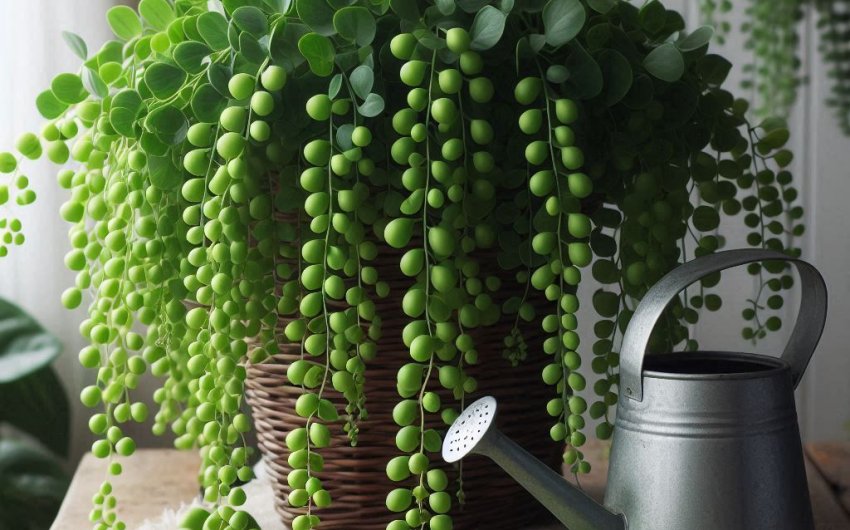
What is a String of Pearls?
The String of Pearls (Senecio rowleyanus, now often reclassified as Curio rowleyanus) is one of the most beloved and instantly recognizable succulents in the plant world. Its unique appearance makes it a captivating addition to any home, especially in hanging baskets where its "pearls" can truly cascade.
Why the "Pearls" Name?
It's pretty clear! Its leaves are perfectly spherical, plump, and bright green, resembling a string of delicate beads or pearls. These little "pearls" are actually specialized leaves that store water, helping the plant survive dry periods. This unique feature gives us a big clue about its watering needs.
Where Does it Come From?
The String of Pearls is native to the drier regions of Southwest Africa. In its natural habitat, it grows as a trailing groundcover, often in rocky, well-drained soil, basking in plenty of sunlight. It's built to withstand periods of drought, which means it absolutely hates soggy feet indoors!
The Watering Challenge
While stunning, the String of Pearls has a reputation for being a bit tricky, and more often than not, its demise comes from incorrect watering. It's not about how much water, but how often and when you water. Getting this right is the secret to a thriving, cascading display of green pearls.
The Golden Rule: Water When the Soil is Dry (and the Pearls Tell You!)
Forget watering on a strict schedule! The most important rule for your String of Pearls is to water only when the soil has completely dried out. And even better, your plant will give you visual cues when it's thirsty!
How to Tell When Your String of Pearls Needs Water
Your String of Pearls will send you signals that it's ready for a drink. Learning these cues is key to successful watering.
- The "Wrinkle Test": This is the most reliable method. Look closely at the "pearls" closest to the soil surface. When the plant needs water, these pearls will start to slightly shrivel or pucker. They won't look as plump and smooth as usual. This is a clear sign!
- The "Squish Test": Gently pinch a few pearls. When well-hydrated, they'll be firm and plump. When they're thirsty, they'll feel slightly softer and have a bit of give.
- The "Soil Test": Stick your finger deep into the soil (at least 1-2 inches, or even deeper if possible without disturbing the shallow roots). If it feels bone dry, it's time to water. If there's any dampness, wait.
- The "Lift Test": Over time, you'll learn the weight of your pot. A dry pot feels significantly lighter than a well-watered one.
Why You Should NOT Water on a Schedule
Because various factors affect how quickly soil dries out (light, temperature, humidity, pot size, season), a fixed schedule (e.g., "every Sunday") will inevitably lead to problems. Watering when the soil is still damp is the quickest way to kill a String of Pearls due to root rot.
How to Water Your String of Pearls (The Right Way!)
Once you've determined your String of Pearls is thirsty, it's time to give it a thorough drink.
1. The Soaking Method (Thorough Watering)
- Pour Slowly: Pour water slowly over the soil surface until it drains out of the bottom of the pot. Ensure the water reaches all parts of the soil, not just running down the sides.
- Bottom Watering (Optional): Some people prefer to bottom water succulents. Place the pot in a shallow tray of water for 15-30 minutes, letting the soil wick up moisture from the bottom. This ensures even saturation. A plant watering tray can be useful for this.
2. Drainage is Non-Negotiable
- Drainage Holes: Your pot absolutely, positively must have drainage holes. Without them, water will sit at the bottom, creating a swampy environment that leads to root rot. A terracotta pot with drainage hole is often preferred for succulents.
- Empty the Saucer: After watering, ensure you completely empty any excess water that collects in the saucer within 15-30 minutes. Never let your String of Pearls sit in standing water. This is crucial for preventing root rot.
3. Use Room Temperature Water
- Avoid Cold Shock: Use water that is at room temperature. Cold water can shock the plant's delicate root system.
Factors That Affect Watering Frequency
Understanding these factors will help you accurately determine when to water your String of Pearls.
1. Light Levels
- More Light, More Water: Plants in brighter light (including some direct sun) will use water more quickly, and their soil will dry out faster.
- Less Light, Less Water: In dimmer conditions, the plant's metabolism slows, and it uses less water. The soil will stay wet for much longer, increasing the risk of overwatering if you water too frequently.
2. Temperature
- Warmer, More Water: In warmer temperatures, water evaporates from the soil faster, and the plant uses more water. You'll need to water more frequently.
- Cooler, Less Water: In cooler temperatures, evaporation slows, and the plant's water needs decrease.
3. Humidity
- Lower Humidity, More Water: In dry environments, water evaporates from the soil and leaves (transpiration) faster.
- Higher Humidity, Less Water: In more humid environments, water loss is slower.
4. Pot Size and Material
- Small Pots, More Water: Smaller pots contain less soil, so they dry out faster.
- Large Pots, Less Water: Larger pots hold more soil and moisture, drying out slower.
- Terracotta vs. Plastic: Terracotta pots are porous and allow moisture to evaporate through their sides, causing the soil to dry out faster. Plastic pots retain moisture for longer. This is why terracotta is often recommended for succulents.
5. Soil Type
- Well-Draining Soil, More Water (but safer!): A fast-draining, gritty succulent soil mix will dry out quickly. While you might water more often, the rapid drainage prevents root rot.
- Heavy Soil, Less Water (and riskier!): Standard potting soil retains too much moisture and dries out slowly, making it very risky for String of Pearls.
6. Season (Dormancy)
- Active Growing Season (Spring/Summer): This is when your String of Pearls is actively putting out new growth. It will need more frequent watering.
- Dormancy (Fall/Winter): Growth naturally slows down significantly in cooler, darker months. Your String of Pearls will need much less water, sometimes only every 3-4 weeks, or even less. Always check those pearls before watering during dormancy!
The Right Soil and Pot for Watering Success
Getting watering right is almost impossible without the correct soil and pot.
The Ideal Soil: Extremely Well-Draining
- No Regular Potting Soil!: Standard potting soil is too dense and holds too much moisture for String of Pearls. This is the number one cause of overwatering and root rot.
- Gritty Mix: You need a succulent or cactus potting mix. These mixes are specifically designed to drain quickly.
- DIY Mix: You can make your own by blending equal parts good quality indoor potting mix with perlite, pumice, or coarse sand (like horticultural sand, not play sand). Adding a bit of orchid bark can also improve drainage. You can easily find succulent and cactus soil mix.
The Right Pot: Drainage is Everything
- Drainage Holes: Cannot stress this enough! Every pot must have drainage holes.
- Terracotta is Your Friend: For beginners especially, a terracotta pot is highly recommended. Its porous nature helps pull excess moisture away from the roots.
- Size: Don't use a pot that's too big! String of Pearls has a relatively shallow root system. Over-potting means too much soil that stays wet for too long. Choose a pot that's just slightly larger than the root ball.
Signs of Incorrect Watering
Knowing these signs will help you react quickly and save your plant.
1. Signs of Overwatering (The Most Common Killer)
- Mushy, Yellowing Pearls: The pearls will become soft, squishy, turn yellow, or even black. They might fall off easily when touched.
- Mushy Stems: The stems near the soil line might feel soft and look dark.
- Foul Smell: A decaying, musty smell from the soil can indicate root rot.
- Wilting (Paradoxically): Sometimes, severe root rot means the roots can't take up water, causing the plant to wilt even though the soil is soaking wet.
What to do if overwatered:
- Stop watering immediately!
- Unpot and Inspect: Gently remove the plant from its pot. Examine the roots. Healthy roots are white and firm. Rotted roots are brown/black and mushy.
- Trim Away Rot: Use clean, sharp scissors to cut away all mushy, rotted roots and any affected stems/pearls.
- Replant in Dry Soil: Repot into fresh, dry, well-draining succulent mix.
- Wait to Water: Do not water for at least a week, perhaps longer, to allow the plant to recover and heal.
2. Signs of Underwatering
- Shriveled, Wrinkled Pearls: The most obvious sign, as mentioned. The pearls will look deflated and wrinkled, but their color remains green.
- Lightweight Pot: The pot will feel extremely light.
- Dry, Crispy Stems: In severe cases, the stems might become brittle and dry.
What to do if underwatered:
- Water Thoroughly: Give the plant a good, thorough watering (either from the top until drainage, or by bottom watering).
- Patience: The pearls should plump back up within a day or two. If they don't, it could indicate root damage from prolonged drought, or that the plant needs a more consistent watering schedule.
Beyond Watering: Other Care Tips for a Thriving String of Pearls
While watering is key, other factors contribute to a healthy, vibrant String of Pearls.
1. Light Requirements
- Bright Indirect to Direct Sun: As mentioned, they love bright light. A south or west-facing window with some morning sun is great. If scorching, add a sheer curtain.
- Rotate Regularly: Rotate your plant every week or two to ensure all sides get even light exposure, preventing sparse spots and encouraging even growth.
2. Humidity and Temperature
- Average Humidity: String of Pearls is tolerant of average household humidity. High humidity isn't strictly necessary, and too much can even be detrimental if combined with poor air circulation, potentially encouraging fungal issues.
- Moderate Temperatures: They prefer temperatures between 65-80°F (18-27°C). Avoid extreme cold or heat, and sudden temperature fluctuations. Keep away from cold drafts.
3. Fertilizing
- Light Feeder: Fertilize sparingly.
- Type: Use a balanced liquid succulent fertilizer or a general houseplant fertilizer.
- Dilution: Dilute to half or quarter strength.
- Frequency: Apply only during the active growing season (spring and summer), roughly once a month or every other month. Do not fertilize when dormant or if the plant is stressed. A succulent plant food is designed for its needs.
4. Pruning and Repotting
- Pruning: You can prune your String of Pearls to encourage bushier growth and remove leggy or damaged stems. This also provides cuttings for propagation!
- Repotting: Only repot when necessary, typically every 2-3 years, or when the plant is clearly root-bound. Remember to go up only one pot size.
5. Pest Management
- Common Pests: While generally robust, String of Pearls can occasionally get aphids or mealybugs.
- Signs: Look for sticky residue, tiny cottony masses, or visible insects.
- Solution: Isolate the plant. For light infestations, wipe off pests with a cotton swab dipped in rubbing alcohol. For larger issues, use an insecticidal soap for succulents or Neem oil spray, ensuring it's safe for succulents.
Mastering the watering needs of your String of Pearls is truly the cornerstone of its care. By listening to your plant's cues, using the right soil and pot, and being vigilant about drainage, you'll be able to enjoy the captivating beauty of its cascading green pearls for many years to come!