
Why are my string of hearts leaves turning mushy?
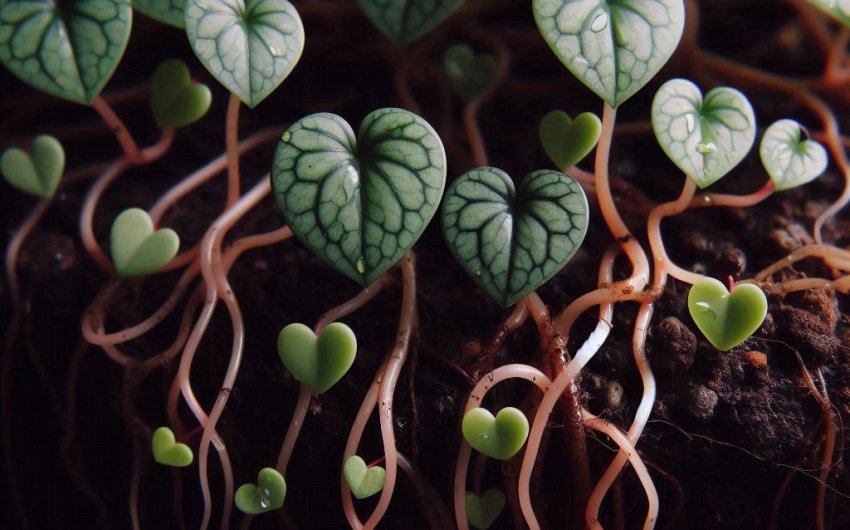
What is a String of Hearts?
The String of Hearts (Ceropegia woodii) is an enchanting and highly popular houseplant, cherished for its delicate, heart-shaped leaves that gracefully trail from its pot. It's often seen adorning shelves, hanging baskets, and windowsills, adding a touch of elegance and whimsy to any space.
The Heart of the Matter
Its defining feature is, of course, its leaves! They are small, succulent, and perfectly heart-shaped, growing in pairs along thin, wiry, purplish stems. Depending on the variety and light exposure, the leaves can range from deep green with silver markings to a beautiful variegated form with pink and cream edges. It's a member of the succulent family, and like other succulents, its leaves are designed to store water. This is a crucial clue when it comes to understanding why they might turn mushy.
Where Does it Come From?
The String of Hearts is native to the drier regions of South Africa, Zimbabwe, and Swaziland. In its natural habitat, it grows in rocky areas or on shallow soil, enduring periods of drought. This origin story directly informs its care needs: it loves bright light, tolerates dry conditions, and absolutely hates soggy feet.
The Mushy Mystery
You adore your String of Hearts, watching its delicate vines grow longer and longer. But then, you spot it – some of those precious heart-shaped leaves are turning soft, squishy, and discolored. This can be alarming, as mushy leaves are a strong indicator that something is seriously wrong. And almost always, the culprit is related to water.
The Main Culprit: Overwatering!
If your String of Hearts leaves are turning mushy, more often than not, the primary reason is overwatering. Because it's a succulent, it's designed to store water in its leaves and stems, and it does not like to sit in consistently wet soil.
What Happens When You Overwater?
When a String of Hearts (or any succulent) is given too much water, or watered too often, a chain of negative events occurs:
- Suffocated Roots: Plant roots need oxygen to breathe and function properly. When the soil stays constantly soggy, the air pockets in the soil fill up with water, cutting off the oxygen supply to the roots.
- Root Rot: Without oxygen, the roots begin to break down and die. This is known as root rot. Rotted roots turn brown or black and become soft and mushy themselves.
- Inability to Absorb Water/Nutrients: Ironically, once the roots rot, the plant can no longer effectively absorb water or nutrients, even if they are plentiful in the soil.
- Leaf Deterioration: As the roots fail, the plant can't take up the necessary moisture. The stored water in the leaves begins to break down, leading to the mushy, discolored appearance. The leaves essentially drown and rot from the inside out. They may turn yellow, translucent, black, or simply feel very soft and fall off with the slightest touch.
- Stem Rot: The rot can then travel up from the roots into the delicate stems, causing them to turn black and mushy as well.
Signs of Overwatering on String of Hearts
- Mushy, Translucent, Yellow, or Black Leaves: These are the classic signs. The leaves will feel very soft and might look "waterlogged" or like they're decaying. They can turn yellow, then quickly progress to black or brown as they rot.
- Leaves Falling Off Easily: Mushy leaves (or even healthy-looking ones if the problem is at the roots) will detach with very little effort.
- Mushy or Black Stems: If the rot has progressed, the delicate, wiry stems near the soil line will turn dark, soft, and mushy.
- Foul Odor from Soil: If root rot is severe, you might notice a stale, musty, or even rotten smell coming from the soil.
- Soil Stays Wet for Too Long: The soil in the pot feels perpetually damp or soggy, even days or a week after watering.
Other Contributing Factors to Mushy Leaves
While overwatering is the primary cause, several other factors can contribute to or worsen the problem, creating conditions that make your String of Hearts more susceptible to root rot and mushy leaves.
1. Incorrect Potting Mix
- The Problem: Using a heavy, dense potting mix (like standard all-purpose indoor potting soil) is a recipe for disaster. These mixes retain too much moisture, preventing proper drainage and aeration around the roots.
- The Solution: Your String of Hearts needs an extremely well-draining, gritty potting mix.
- Ideal Blend: Think of a mix designed for cacti or succulents. It should contain components like perlite, pumice, coarse sand (horticultural grade), or small orchid bark chips to provide excellent drainage and aeration.
- Commercial Mixes: A succulent and cactus potting mix is a good starting point, often improved by adding extra perlite or pumice (up to 50% of the mix).
2. Lack of Drainage Holes in the Pot
- The Problem: If your beautiful decorative pot doesn't have holes at the bottom, there's nowhere for excess water to go. It will simply sit in the bottom of the pot, creating a swamp where roots will quickly drown and rot.
- The Solution: Always, always, always use a pot with drainage holes. This is non-negotiable for String of Hearts. A pot with drainage holes ensures water can escape.
3. Pot Size (Too Large)
- The Problem: While it might seem like a good idea to put a small plant in a big pot so it can "grow into it," this is risky for String of Hearts. A pot that's too large holds too much soil for the plant's relatively small root system. This excess soil will retain moisture for too long, leading to the same overwatering problems.
- The Solution: Only go up one pot size when repotting (e.g., from a 4-inch to a 6-inch pot). Repot only when your plant is truly root-bound (roots circling the bottom or growing out of drainage holes).
4. Insufficient Light (Indirectly)
- The Problem: While not a direct cause of mushy leaves, low light significantly impacts how quickly the soil dries out. In dimmer conditions, the plant uses less water, and evaporation from the soil surface is slower. This means the soil stays wet for much longer, increasing the risk of overwatering even if you stick to a "once a week" schedule.
- The Solution: Provide bright, indirect light. A south or west-facing window with filtered light (sheer curtain), or an east-facing window, is often ideal. If natural light is lacking, consider a grow light. A LED grow light for houseplants can help speed up soil drying.
5. Cold Temperatures
- The Problem: String of Hearts is a tropical succulent and does not tolerate cold. If temperatures drop too low (below 50°F / 10°C) or the plant is exposed to cold drafts, its cellular functions slow down dramatically. It won't be able to process water effectively, and cold, wet conditions can quickly lead to mushy leaves and rot.
- The Solution: Keep your String of Hearts in a stable environment with temperatures between 65-80°F (18-27°C). Avoid placing it near drafty windows or vents in winter.
6. Poor Air Circulation
- The Problem: Stagnant, humid air around the plant and soil surface can prevent the soil from drying out properly and encourage fungal growth.
- The Solution: Ensure your plant has good air circulation. Don't crowd it with other plants. If necessary, a small fan set on a low setting can help.
How to Save a String of Hearts with Mushy Leaves (Action Plan!)
If you're seeing mushy leaves, act fast! There's a good chance you can save your plant if the rot hasn't spread too far.
Step 1: Stop Watering IMMEDIATELY
This is the first and most crucial step. Do not give it another drop of water.
Step 2: Unpot and Inspect
- Gently Remove: Carefully remove your String of Hearts from its pot. Be very gentle, as the roots (if any are healthy) and stems will be fragile.
- Shake Off Old Soil: Gently shake off as much of the old, wet potting mix as possible from the roots.
- Inspect Roots and Tubers: Examine the root ball. Healthy roots are white or light-colored and firm. Rotted roots will be brown or black and mushy. String of Hearts also develops small, potato-like tubers along its stems, which store water. Check these tubers too – they should be firm. If they are soft or mushy, they are rotting.
- Inspect Stems: Look at the stems, especially near the soil line. Are they soft, blackened, or squishy?
Step 3: Prune Away All Rotted Parts
- Use Clean, Sharp Tools: Use clean, sharp scissors or a knife (sanitize with rubbing alcohol) to cut away all affected plant material. This means:
- All mushy, black, or brown roots.
- Any mushy or blackened sections of stems. Cut back to healthy, firm, green stem tissue.
- All mushy leaves. Don't be afraid to cut aggressively; it's better to remove all rot than to leave any behind.
- Look for Healthy Sections: If entire sections of vine are mushy, you may need to cut them away entirely. Look for any healthy, firm sections of vine (even if they have no leaves) or healthy leaves with a small piece of firm stem attached. These can potentially be propagated.
Step 4: Let it Callous (Crucial!)
- Air Dry: After trimming, lay the entire plant (or any healthy sections/cuttings you salvaged) on a clean paper towel or newspaper in a cool, dry spot with good air circulation.
- Callous Time: Let them air dry for at least 2-5 days, or even up to a week. This allows the cut surfaces to "callous over" (form a dry, protective scab), which helps prevent rot when replanted.
Step 5: Repot in Fresh, Dry, Well-Draining Soil
- New Pot (Optional): If your old pot was too large or didn't drain well, consider a smaller terracotta pot with drainage hole. Make sure it's clean.
- Fresh Mix: Fill the pot with a fresh, dry, well-draining succulent potting mix.
- Replant: Gently place your rescued String of Hearts (or individual healthy cuttings you took) into the pot. Bury the healthy roots or the calloused stem ends into the soil. For individual leaf pairs with a small node, you can lay them on top of the soil, ensuring the node touches the soil, or gently bury the node.
- No Water Yet!: Do NOT water after repotting. The plant needs time to settle and for any remaining compromised tissue to heal.
Step 6: Wait, Wait, Wait to Water
- Patience is Key: This is perhaps the hardest part. Do not water for at least a week, or even two weeks, after repotting. The plant needs to establish itself in the dry soil and will rely on its stored moisture.
- Gradual Reintroduction: When you do water, start with a very light watering. Then gradually return to your normal "soil dry out completely" method, listening to the plant's cues.
Long-Term Prevention of Mushy Leaves
Once you've rescued your String of Hearts (or if you want to prevent problems from the start), follow these best practices for consistent health.
1. Master Your Watering Routine
- Feel the Soil & Leaves: Always check the soil moisture and the plumpness of the pearls before watering.
- Thorough but Infrequent: Water thoroughly when dry, but less often.
- Never Let it Sit: Ensure excellent drainage and discard excess water.
2. Provide Bright Light
- Sunny Spot: Give it the brightest indirect light you can, with some direct morning sun if possible. This helps the soil dry out faster.
- Rotate: Rotate your plant regularly to ensure all sides get even light.
3. Use the Right Soil and Pot
- Gritty Mix: Always use a well-draining succulent mix.
- Drainage Holes: Non-negotiable.
- Appropriate Pot Size: Don't overpot.
4. Optimal Temperatures
- Stable Warmth: Maintain consistent warm temperatures. Protect from cold drafts.
5. Air Circulation
- Good Flow: Ensure there's good airflow around your plant to prevent stagnant, humid conditions.
6. Fertilize Sparingly
- Light Feeder: Only fertilize during the growing season (spring/summer) with a highly diluted succulent fertilizer. Over-fertilizing can lead to root damage and stress. A succulent liquid plant food is often a good choice.
By understanding the delicate balance your String of Hearts needs and paying close attention to its unique signals, you can confidently prevent mushy leaves and enjoy its exquisite beauty for many years to come!