
How do I revive a crispy Boston fern?
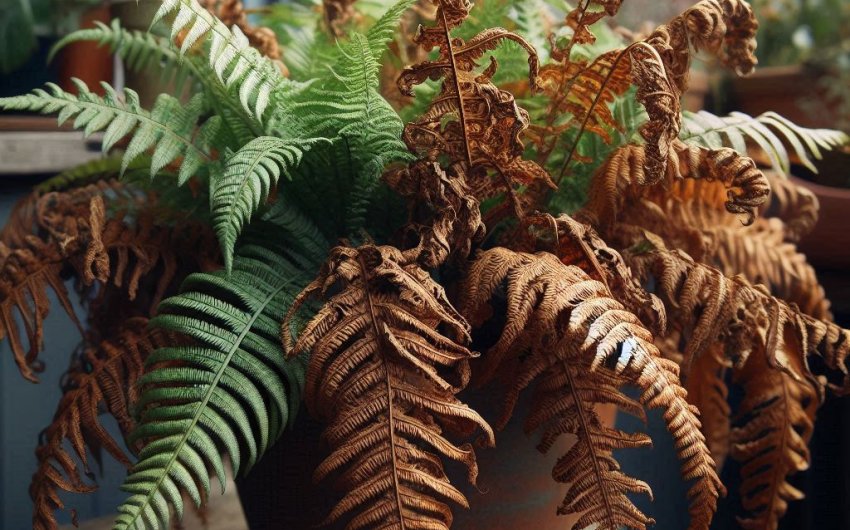
What's Going On with My Boston Fern?
You brought home a beautiful, lush Boston fern (Nephrolepis exaltata 'Bostoniensis'), with its graceful, arching fronds. It promised to bring a touch of the rainforest to your home. But now, it's looking less like a verdant paradise and more like a crunchy, brown nightmare. Its once vibrant green fronds are crispy, brittle, and perhaps even turning entirely brown. Don't despair! This is a super common problem with Boston ferns, and often, they can be brought back from the brink.
The Charm of the Boston Fern
The Boston fern is a classic houseplant for a reason. Its feathery, cascading fronds create a soft, elegant look, perfect for hanging baskets or pedestals. It also has a reputation for being a good air purifier. But, like many ferns, it has specific needs that, if not met, quickly lead to that dreaded crispiness.
Where Do Boston Ferns Come From?
Understanding a plant's native habitat is the first step to understanding its needs. Boston ferns are native to tropical and subtropical regions around the world, including Florida, parts of Central and South America, and Africa. In their natural environment, they typically grow in shaded, very humid areas, often near swamps, rivers, or under dense tree canopies. This means they are used to:
- Consistent moisture: Not drying out.
- High humidity: Plentiful moisture in the air.
- Filtered light: No harsh, direct sun.
When these conditions aren't met indoors, the fern will quickly show its distress, and crispiness is its loudest cry for help.
Why is My Boston Fern Crispy? Diagnosing the Problem
Before you can revive your crispy Boston fern, you need to figure out why it got crispy in the first place. Addressing the root cause is essential for long-term recovery.
1. The Biggest Culprit: Low Humidity
This is, overwhelmingly, the number one reason Boston ferns turn crispy indoors, especially during the dry winter months when heating systems are running.
- What Happens: Ferns absorb moisture not just through their roots but also directly from the air through their fronds. In dry air, the fronds rapidly lose moisture (a process called transpiration) faster than the roots can supply it. The delicate leaf tissue dries out, turns brown, and becomes crispy.
- Symptoms: Dry, crispy fronds, especially at the tips and edges. The entire frond might eventually turn brown and brittle.
2. Inconsistent or Insufficient Watering (Underwatering)
While related to humidity, inadequate watering of the soil is a separate, common issue.
- What Happens: If the soil is allowed to dry out completely between waterings, the roots can't supply enough water to the fronds, leading to desiccation.
- Symptoms: The entire plant looks limp and dull. Fronds turn brown and crispy, often starting from the tips or bottom fronds. The soil might be hard and pulled away from the edges of the pot.
3. Too Much Light (Direct Sun)
Boston ferns are understory plants; they thrive in shade or dappled light.
- What Happens: Direct, intense sunlight will quickly scorch the delicate fronds, essentially "burning" them.
- Symptoms: Brown, crispy spots appearing directly where the sun hits the leaves. The entire frond might look bleached or faded before turning brown.
4. Overwatering (Less Common for Crispy, but Leads to Rot)
While overwatering usually causes yellowing and mushy stems/roots, if the root system is severely damaged by rot from consistent sogginess, it can no longer take up water. Ironically, this can lead to symptoms similar to underwatering, including crispy fronds, as the plant becomes severely dehydrated despite being in wet soil.
- Symptoms: Yellowing fronds, mushy stems, a foul odor from the soil, followed by crispy, dead fronds as the plant effectively dies of thirst due to damaged roots.
5. Nutrient Imbalance or Salt Buildup
- What Happens: Over time, minerals from tap water and salts from fertilizers can build up in the soil, "burning" the roots or making it difficult for the plant to absorb water and nutrients.
- Symptoms: Brown tips or edges on fronds, stunted growth, overall decline in vigor.
6. Pests
- What Happens: While not a direct cause of "crispiness," severe pest infestations (like spider mites which thrive in dry conditions) can stress the plant to the point where it becomes weak, leading to browning and overall decline.
- Symptoms: Tiny webbing, sticky residue on leaves, visible tiny bugs, distorted growth, or yellow stippling on leaves.
How to Revive a Crispy Boston Fern: A Step-by-Step Guide
Once you've identified the likely cause (or combination of causes), it's time for the revival mission!
Step 1: Assess and Prune the Damage
- Examine the Plant: Look at every frond. Determine how much is truly crispy and dead versus still green.
- Remove Dead Fronds: Use clean, sharp scissors to prune away all the completely brown, crispy, and dead fronds. Cut them off as close to the base of the plant as possible. Don't be afraid to be aggressive here; removing dead material allows the plant to focus its energy on new, healthy growth. If only the tips are crispy, you can just trim those brown parts off.
- Inspect for Pests: While pruning, carefully inspect the undersides of the fronds and stems for any signs of pests (tiny webs, small dots, etc.). If you find any, treat them immediately (see troubleshooting below).
Step 2: Address the Soil Moisture (and Potential Root Issues)
This is critical.
- Check Soil Moisture: Stick your finger deep into the soil.
- Bone Dry: If it's bone dry and hard, proceed to "Thoroughly Water (Soak Method)."
- Soggy/Wet: If it's soggy, you likely have root rot. Gently unpot the fern, shake off excess soggy soil. Inspect the roots: healthy roots are white/light-colored and firm; rotted roots are brown/black and mushy. Use clean scissors to cut away all rotted roots. Repot into fresh, well-draining potting mix (see "The Right Soil" below) and hold off on watering for a few days to allow the roots to heal.
- Thoroughly Water (Soak Method): If your fern was dry, give it a good, deep drink.
- Method: Place the entire pot in a sink or tub filled with a few inches of room temperature water. Let it soak for 30-60 minutes, allowing the soil to absorb water from the bottom. You'll see bubbles coming up. Once the top of the soil feels damp, remove the pot.
- Drain Thoroughly: Let the pot drain completely in the sink for at least 30 minutes. Never let a Boston fern sit in standing water.
- Consistency: Moving forward, keep the soil consistently moist, but never soggy. Water when the top inch of soil feels slightly dry, not bone dry.
Step 3: Boost Humidity (The Game Changer!)
This is arguably the most vital step for a crispy Boston fern and essential for its long-term health.
- Humidifier: The most effective way to increase ambient humidity. Place a room humidifier near your fern. Aim for humidity levels of 50-80%. A room humidifier for plants will be a lifesaver.
- Pebble Tray: Place the pot on a shallow tray filled with pebbles and water. Ensure the bottom of the pot is NOT sitting directly in the water. As the water evaporates, it creates a humid microclimate around the plant. A plant humidity tray is a simple and effective solution.
- Group Plants: Placing your Boston fern near other humidity-loving plants can create a slightly more humid micro-environment.
- Avoid Misting (as a primary solution): While misting can provide a temporary boost, it's not a long-term solution for humidity and can sometimes lead to fungal issues if water sits on the fronds. Focus on consistent methods like humidifiers or pebble trays.
Step 4: Adjust Light and Temperature
- Light: Move your Boston fern to a spot with bright, indirect light.
- Ideal: An east-facing window (gentle morning sun) or a north-facing window (consistent soft light).
- Avoid: Direct hot afternoon sun, which will scorch the fronds. Filter harsh light with sheer curtains if needed.
- Temperature: Maintain stable temperatures between 65-75°F (18-24°C). Avoid cold drafts from windows, doors, or air conditioning vents. Sudden temperature changes can stress the plant.
Step 5: Consider Fertilizing and Soil Check
- Fertilizer: During revival, hold off on fertilizing for a few weeks to avoid stressing the plant further. Once it shows signs of new growth, you can fertilize sparingly. Use a balanced liquid fertilizer (like a 20-20-20 or 10-10-10) diluted to half or quarter strength, every 2-4 weeks during the active growing season (spring and summer). A liquid houseplant fertilizer is generally sufficient.
- Flush the Soil: Every few months, water your fern thoroughly from the top with plain, room temperature water until it drains freely for several minutes. This helps flush out any accumulated mineral salts.
- Check Potting Mix: Ensure your Boston fern is in a well-draining potting mix that also retains some moisture. A good quality indoor potting mix with added perlite or peat moss is usually suitable. If the soil seems old, compacted, or doesn't drain well, consider repotting in fresh soil once the plant has stabilized.
Long-Term Care for a Happy, Non-Crispy Boston Fern
Once your Boston fern shows signs of recovery, here's how to keep it consistently lush and green.
1. Consistent Moisture is Key
- Never Let it Dry Out Completely: This is the most important rule for ongoing watering. The soil should remain consistently moist, like a wrung-out sponge.
- Feel the Weight: Learn the weight of your pot. Water when it starts to feel lighter but before it's completely dry.
2. Maintain High Humidity Year-Round
- Dedicated Humidity: Continue using your humidifier or pebble tray, especially in dry seasons.
- Location, Location: Keep your fern in naturally more humid areas of your home, like a bathroom (if it has enough light) or kitchen.
3. Provide Optimal Light
- Bright, Indirect: Stick to that bright, indirect light spot.
- Rotate: Rotate your plant every week or two to ensure even growth and light exposure.
4. Grooming
- Trim Yellow/Brown Fronds: As part of regular maintenance, trim any fronds that start to yellow or brown. This helps the plant direct energy to new growth.
- Clean Fronds: Gently dust the fronds regularly with a soft cloth or use a soft, damp cloth to wipe them down if very dusty.
5. Repotting (When Necessary)
- Signs: Repot only when your Boston fern is root-bound (roots circling the pot or growing out of drainage holes).
- Timing: Best done in spring.
- Pot Size: Go up only one pot size.
- Fresh Soil: Use fresh, well-draining potting mix.
6. Pest Patrol
- Regular Checks: Regularly inspect your fern for signs of pests, especially spider mites which love dry conditions.
- Treatment: If found, treat immediately with appropriate houseplant insecticidal soap or Neem oil spray. A Neem oil spray for plants is a good natural option. Increasing humidity also deters spider mites.
Reviving a crispy Boston fern takes patience and consistent effort, but it's incredibly rewarding. By understanding its tropical needs – especially its craving for consistent moisture and high humidity – you can transform a crunchy casualty into a thriving, vibrant centerpiece in your home once again!