
What’s the best potting mix for maidenhair ferns?
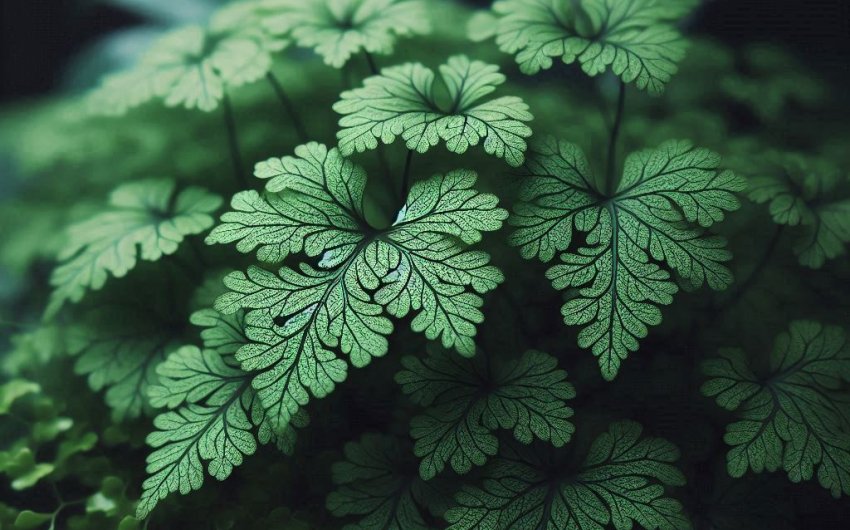
The Maidenhair Fern: A Delicate Beauty
You've fallen in love with the Maidenhair fern (Adiantum species). It's easy to see why! With its delicate, lacy green fronds and shiny, almost black, wiry stems, it brings an unparalleled elegance to any indoor space. It looks like something straight out of a fairy tale forest. But if you've tried to keep one, you know it also has a reputation for being a bit… finicky. Its graceful beauty often comes with a challenge, and one of the biggest keys to success is getting its potting mix just right.
Why So Delicate?
The Maidenhair fern is notoriously sensitive to drying out. Its fronds will crisp up almost immediately if conditions aren't perfect. While humidity and watering play huge roles, the potting mix is the foundation that supports these needs. If the soil isn't right, you'll be fighting a losing battle.
Where Do They Come From?
Maidenhair ferns are found in various tropical and subtropical regions around the world, often growing in moist, shaded, and rocky environments, typically near waterfalls, streams, or in crevices where moisture is consistent. They often grow in a substrate that is rich in organic matter but also surprisingly airy and well-draining, preventing soggy conditions while retaining essential moisture. This gives us crucial clues for creating their ideal indoor home.
Why is the Right Potting Mix Crucial for Maidenhair Ferns?
You might think "soil is soil," but for a Maidenhair fern, the potting mix is everything. It's not just about holding the plant up; it's about providing the perfect balance of moisture, air, and nutrients that these delicate ferns demand.
1. Moisture Retention (But Not Too Much!)
- The Need: Maidenhair ferns despise drying out. Their potting mix needs to hold moisture consistently.
- The Danger: However, they also hate sitting in soggy, waterlogged conditions, which leads to root rot. The mix needs to retain water just enough without becoming waterlogged. This fine line is where the right mix makes all the difference.
2. Aeration and Drainage
- The Need: Roots need oxygen to breathe and stay healthy. A good mix will have plenty of air pockets.
- The Danger: Dense, compacted soil chokes roots, leading to root rot even if the soil isn't constantly soggy. Excellent drainage means excess water can flow out quickly.
3. Nutrient Availability
- The Need: A good mix provides some basic nutrients and a medium that allows nutrients from fertilizer to be absorbed efficiently.
- The Danger: A mix that breaks down too quickly can become depleted of nutrients, leading to a weak plant.
4. Support
- The Need: While not the primary function for ferns, the mix needs to anchor the plant in its pot.
In essence, the perfect potting mix for Maidenhair ferns is a carefully balanced blend that offers consistent moisture, excellent drainage, and plenty of aeration.
Components of the Best Potting Mix for Maidenhair Ferns
You won't find a "one-size-fits-all" answer for the absolute perfect mix, as environments vary. However, combining specific components can help you create an ideal custom blend.
Essential Components
Peat Moss or Coco Coir (for Moisture Retention)
- Purpose: These are fantastic for holding onto moisture while still being relatively lightweight. They are the base of many good potting mixes.
- Peat Moss: A traditional choice. It's acidic, which ferns generally like, and holds a lot of water. However, it can become compacted over time and is not as sustainable.
- Coco Coir: A more sustainable alternative to peat moss. It offers similar moisture retention properties and excellent aeration, and it re-wets more easily if it dries out completely. A coco coir plant substrate is readily available.
- Proportion: This will typically be a significant portion of your mix, perhaps 40-50%.
Perlite or Pumice (for Drainage and Aeration)
- Purpose: These lightweight, porous materials are essential for preventing compaction and improving drainage. They create crucial air pockets in the soil, preventing roots from drowning.
- Perlite: Very common and effective. It looks like tiny white styrofoam balls.
- Pumice: Similar benefits to perlite, but heavier and less likely to float to the top of the pot. A perlite for plants bag is a must-have for any plant parent.
- Proportion: Include a generous amount, perhaps 20-30%.
Horticultural Charcoal (for Freshness and Drainage)
- Purpose: This helps with drainage and aeration, but also absorbs impurities and odors, keeping the mix fresh. It's not essential, but a nice addition.
- Proportion: About 5-10%. A horticultural charcoal for plants bag is easy to find.
Orchid Bark or Fine Pine Bark (for Aeration and Slow Decomposition)
- Purpose: These chunky pieces help create large air pockets and promote excellent drainage. They break down slowly, releasing some nutrients over time.
- Proportion: About 10-20%. Look for fine orchid bark or small fir bark pieces.
Optional Additions (for Experts/Specific Needs)
- Vermiculite: Retains more moisture than perlite but also aeration. Use sparingly.
- Worm Castings: Adds gentle, slow-release nutrients and improves soil structure. About 5%. Worm castings for plants are an organic option.
Recommended Potting Mix Recipes for Maidenhair Ferns
Here are a few popular and effective recipes you can try. Remember, adjust based on your climate (if it's very dry, you might need slightly more moisture retention; if very humid, slightly more drainage).
Simple Maidenhair Fern Mix:
- 2 parts Peat Moss or Coco Coir
- 1 part Perlite or Pumice
- 1 part Fine Orchid Bark
This is a great all-around mix that provides a good balance of moisture retention and drainage.
Advanced Maidenhair Fern Mix (More Components):
- 3 parts Peat Moss or Coco Coir
- 2 parts Perlite or Pumice
- 1 part Fine Orchid Bark
- ½ part Horticultural Charcoal
- (Optional) ½ part Worm Castings
This mix offers even better long-term structure and a bit of natural fertilization.
Preparing Your Mix:
- Gather Ingredients: Have all your components ready.
- Mix Thoroughly: In a large bin or bucket, combine all the ingredients. Wear gloves to protect your hands.
- Pre-moisten: Lightly pre-moisten the mix before using it. It should feel damp, like a wrung-out sponge, but not soggy. This helps prevent dry pockets when you water your repotted fern.
The Right Pot for Maidenhair Ferns (and Soil Success)
The pot you choose works hand-in-hand with your potting mix to ensure proper moisture management.
1. Drainage Holes are a Must!
- Non-Negotiable: No matter the material, your pot absolutely must have drainage holes. Without them, even the best potting mix will eventually lead to waterlogged conditions and root rot. A plant pot with drainage hole is fundamental.
2. Pot Material
- Plastic Pots: These are often a good choice for Maidenhair ferns. They retain moisture longer than terracotta, which can be beneficial for a plant that hates drying out. However, this also means you need to be more careful with overwatering.
- Terracotta Pots: While terracotta breathes and helps prevent overwatering (great for succulents), it can dry out too quickly for a Maidenhair fern. If you use terracotta, be prepared to water more frequently.
- Self-Watering Pots: Some people have success with self-watering pots for Maidenhair ferns, as they provide consistent moisture. However, ensure the reservoir doesn't keep the soil too soggy, and still use a very well-draining mix within the pot itself.
3. Pot Size
- Not Too Big: Maidenhair ferns generally prefer to be slightly root-bound. Don't overpot! Moving a small fern into a much larger pot means there's too much soil that stays wet for too long, increasing the risk of rot.
- Go Up One Size: When repotting, only go up one pot size (e.g., from a 4-inch to a 6-inch pot).
Repotting Your Maidenhair Fern: When and How
Even with the perfect mix, your fern will eventually outgrow its pot or its soil will start to break down.
When to Repot
- Root-Bound Signs: You see roots growing out of the drainage holes, or the plant seems to be lifting itself out of the pot.
- Stunted Growth: If the plant isn't putting out new growth despite good care.
- Soil Breakdown: The potting mix looks compacted, drains poorly, or smells stale. This usually happens every 1-2 years.
- Best Time: Spring, as the plant emerges from its slower winter growth.
How to Repot
- Gather Supplies: Your new pot (with drainage!), fresh Maidenhair fern potting mix, and clean scissors.
- Prepare the Plant: Lightly water your fern a day or two before repotting. This makes the root ball easier to handle.
- Remove from Old Pot: Gently tip the plant out of its old pot. If it's stuck, run a knife around the inner rim.
- Inspect Roots: Carefully examine the roots. Trim away any mushy, brown, or black roots (signs of rot) with clean scissors. You can gently tease apart any circling roots if they're severely root-bound, but be gentle.
- Add New Mix: Place a layer of your fresh, pre-moistened Maidenhair fern potting mix at the bottom of the new pot.
- Position the Plant: Center the fern in the new pot, ensuring the base of the plant is at the same level as it was in the old pot.
- Fill with Mix: Fill around the roots with the new potting mix, gently firming it down to remove large air pockets, but don't compact it too much.
- Initial Watering: Water thoroughly after repotting until water drains from the bottom. Let it drain completely.
- Post-Repotting Care: Place your newly repotted fern back in its usual spot with bright, indirect light and maintain high humidity. It's normal for plants to experience a little "shock" after repotting, so don't be alarmed by a temporary slowdown in growth.
Beyond Soil: Other Key Care Tips for Maidenhair Ferns
The perfect potting mix is the foundation, but other factors are equally vital for a happy Maidenhair fern.
1. Watering (The Daily Dance)
- Consistent Moisture: The soil must never dry out completely. Keep it consistently moist, but not soggy. Think of a well-wrung-out sponge.
- Feel the Soil: Check the soil daily. Water when the very top layer starts to feel dry to the touch.
- Warm Water: Use room temperature or slightly lukewarm water.
- Terracotta vs. Plastic: Remember that terracotta will require more frequent watering than plastic.
2. High Humidity (Their Lifeblood)
- Crucial: This is almost as important as proper watering. Maidenhair ferns need very high humidity (60% or higher).
- Methods: Use a humidifier (room humidifier for plants), a pebble tray (plant humidity tray), or group plants together. Consider a bathroom with a window if light is sufficient.
- Avoid Misting: Misting provides only very short-term humidity and can lead to fungal issues.
3. Light Requirements
- Bright, Indirect Light: This means plenty of ambient light but absolutely no direct sun.
- Dappled Light: Replicates their natural environment. An east or north-facing window is usually ideal.
4. Temperature
- Stable and Warm: Maintain consistent temperatures between 65-75°F (18-24°C). Protect from cold drafts, sudden temperature drops, and hot/cold air vents.
5. Fertilizing
- Light Feeders: Ferns are not heavy feeders.
- Dilution: Use a balanced liquid fertilizer diluted to half or quarter strength.
- Frequency: Fertilize sparingly during the active growing season (spring and summer), usually once a month or every other month. Do not fertilize in fall/winter. A liquid houseplant fertilizer works fine.
6. Pruning and Grooming
- Remove Dead Fronds: Regularly prune away any brown, crispy, or yellowing fronds. This directs the plant's energy to healthy new growth. Use clean, sharp scissors.
- Dusting: Gently dust fronds with a soft brush or cloth to allow for efficient photosynthesis.
By creating the perfect potting mix and combining it with diligent watering and high humidity, you'll be well on your way to cultivating a thriving, beautiful Maidenhair fern that truly brings a touch of magic to your home, proving its finicky reputation can be overcome!