
Why does my plant have tiny white bugs in the soil?
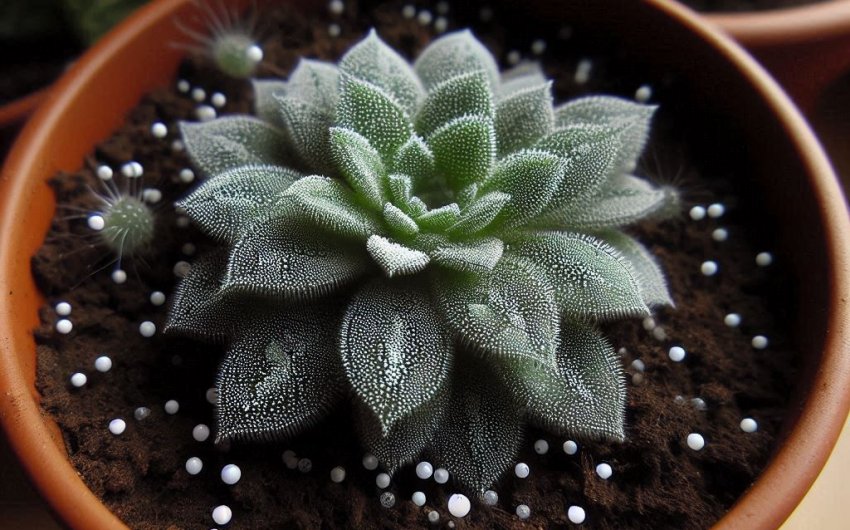
The Tiny White Mystery: What Are These Bugs?
You're admiring your beloved houseplant, maybe checking its soil moisture, when you spot them: tiny, white specks scurrying around on the surface of the soil, or perhaps crawling on the pot itself. They're small, often look like grains of rice or tiny pieces of lint, and they move. Your heart sinks. Nobody wants bugs in their plants! But before you panic and toss your green friend, let's figure out who these uninvited guests are.
The good news is that many of these tiny white soil dwellers are relatively harmless to your plant, though they can certainly be a nuisance. However, some can cause problems. Identifying them is the first step to knowing how to deal with them.
Common Suspects: The Usual Tiny White Soil Bugs
When you see tiny white bugs in your plant's soil, it's most likely one of these common culprits:
Fungus Gnats (Larvae):
- What they look like: The adults are tiny, dark, mosquito-like flies that hover around your plant. The larvae are the tiny white (sometimes translucent or clearish) worms/maggots found in the top inch or two of soil. They have distinct black heads.
- Where you find them: Soil surface, decaying plant matter, or just under the surface. You'll see the adults flying around the plant.
- What they do: Adults are just annoying. The larvae feed on decaying organic matter in the soil, but if populations are high or food is scarce, they can chew on fine root hairs, especially on young or weak plants.
- Main cause: Overwatering! They love consistently moist, rich soil with plenty of decaying organic matter.
Springtails:
- What they look like: Very tiny (pinhead-sized), white, grey, or black insects that quickly jump or spring away when disturbed (hence "springtail"). They often move incredibly fast.
- Where you find them: On the soil surface, around the rim of the pot, or even in the saucer. They are excellent "jumpers."
- What they do: Generally harmless! Springtails are decomposers; they feed on decaying organic matter, fungi, and mold in the soil. They are actually a sign of healthy, organic-rich soil, but indicate consistently moist conditions.
- Main cause: Continuously moist soil with plenty of organic material.
Root Mealybugs:
Advertisement- What they look like: These are much more serious. They are tiny (grain of rice size), white, oval-shaped bugs that are often covered in a fuzzy, waxy coating, making them look like tiny bits of white mold or lint. They don't move much, or very slowly. They can also appear as white, cottony masses on the roots themselves when you unpot a plant.
- Where you find them: Primarily on the roots, hidden in the soil. You might only see them if they crawl up the inside of the pot or if you unpot the plant. Sometimes you might see them as fuzzy white spots in the drainage holes or on the bottom of the pot.
- What they do: They suck sap from the roots, weakening the plant. This leads to stunted growth, yellowing leaves, and overall decline. They can be very damaging.
- Main cause: Can be introduced with new plants, infested potting mix, or contaminated tools. Often thrive in consistently damp, compacted soil.
Soil Mites (Various Types):
- What they look like: Extremely tiny, often almost microscopic, white or clear creatures. You'll often see them as "dust" that moves slowly. Some are predatory (good!), some are decomposers (harmless), and some are plant pests. It's hard to tell without a magnifying glass.
- Where you find them: On the soil surface, pot, or even on the very lower parts of the plant.
- What they do: Most are harmless decomposers. Plant-feeding soil mites are rarer indoors but can damage roots.
- Main cause: Humid, rich soil conditions.
Why Are These Tiny White Bugs Appearing? The Root Causes
Understanding why these bugs appear is crucial for prevention and effective treatment. Most tiny white soil bugs are a symptom of environmental conditions that favor their growth.
1. Overwatering and Consistently Wet Soil
This is the MOST common reason you'll see fungus gnats and springtails.
- The Problem: Fungus gnats and springtails thrive in damp environments where there's decaying organic matter. When you overwater your plants, the soil stays wet for too long, creating the perfect breeding ground for these pests. They lay their eggs in the moist top layers of the soil.
- The Solution: The best way to get rid of most common soil bugs is to address your watering habits. Learn to water correctly for each plant, allowing the top inch or two of soil to dry out between waterings.
2. Rich, Organic Potting Mix
- The Problem: Many standard potting mixes are rich in peat moss, coco coir, and other organic materials. While good for plant growth, these materials also provide food and habitat for decomposer insects like fungus gnats and springtails, especially when kept moist.
- The Solution: Using a well-draining potting mix that doesn't stay soggy, and ensuring adequate airflow, helps.
3. Poor Drainage
- The Problem: If your pot doesn't have drainage holes, or the saucer collects standing water, the soil will stay wet, leading to an ideal environment for soil bugs and increasing the risk of root rot.
- The Solution: Always use pots with drainage holes. Empty excess water from saucers immediately after watering. A plant pot with drainage hole is essential.
4. Over-Fertilizing
- The Problem: Excess fertilizer can create a rich, damp environment and sometimes "burn" roots, leading to decaying organic matter that attracts pests.
- The Solution: Fertilize appropriately for your plant's needs and dilute liquid fertilizers. Flush the soil occasionally to prevent salt buildup.
5. Bringing in Infested Plants or Soil
- The Problem: Sometimes, you unwittingly introduce pests into your home on a new plant or through contaminated potting mix. Root mealybugs, in particular, are often brought in this way.
- The Solution: Always quarantine new plants for a few weeks before introducing them to your main collection. Inspect them carefully for any signs of pests, both on leaves and in the soil. Use fresh, sterile potting mix when repotting.
How to Get Rid of Tiny White Bugs in Your Plant Soil
The treatment method depends on the type of bug and the severity of the infestation. Always start with cultural controls (changing your habits) before resorting to pesticides.
General Steps for All Soil Bugs
- Isolate the Plant: Move the affected plant away from other plants to prevent the spread of pests.
- Clean Up: Remove any dead leaves, debris, or mold from the soil surface. This eliminates potential food sources and breeding grounds.
Targeting Fungus Gnats (The Most Common)
Getting rid of fungus gnats primarily involves breaking their life cycle, which thrives in moisture.
- Let the Soil Dry Out (CRITICAL!): This is the single most effective step. Allow the top 1-2 inches (or even deeper) of soil to dry out completely between waterings. Fungus gnat larvae cannot survive in dry soil. This might mean watering less frequently than you're used to, but it's healthier for most houseplants anyway.
- Top Dressing: Apply a layer of sand, perlite, or even decorative pebbles (about 1/2 to 1 inch thick) on top of the soil. This creates a dry barrier that prevents adult gnats from laying eggs in the moist soil below and traps emerging adults.
- Sticky Traps: Use yellow sticky traps near the plant to catch adult fungus gnats. This helps reduce the adult population and prevents more eggs from being laid. A yellow sticky trap for gnats is very effective and non-toxic.
- BTI (Bacillus thuringiensis israelensis): This is a naturally occurring bacterium that is toxic to mosquito and gnat larvae but harmless to humans, pets, and plants. You can find it in products like Mosquito Bits or Mosquito Dunks.
- How to Use: Sprinkle a few Mosquito Bits onto the soil surface before watering, or soak them in your watering can for 30 minutes to make a "BTI tea" and then water your plants with it. The larvae will eat the BTI and die. Repeat every few waterings for a few weeks to break the life cycle. You can find Mosquito Bits for fungus gnats.
- Neem Oil: A natural insecticide. Mix diluted Neem oil with water and use it to water your plants. It can disrupt the life cycle of fungus gnats. A Neem oil spray for plants can also be used as a soil drench.
- Repotting (Extreme Cases): If the infestation is severe and persistent, repotting the plant in fresh, sterile potting mix can help eliminate most larvae and eggs. Clean the pot thoroughly before repotting.
Targeting Springtails (Harmless, but Annoying)
Since springtails are generally harmless, controlling them is about making the environment less appealing.
- Allow Soil to Dry Out More: Just like with fungus gnats, letting the soil dry out more between waterings will make the environment less hospitable for springtails.
- Improve Air Circulation: Good airflow helps the soil dry faster.
- Remove Decaying Matter: Clean up any dead leaves or debris from the soil surface.
Targeting Root Mealybugs (Serious Pest)
Root mealybugs are tougher to get rid of because they are hidden. Immediate and aggressive action is needed.
- Unpot and Inspect: Carefully remove the plant from its pot. Shake off as much old soil as possible. Examine the roots for white, fuzzy masses or bugs.
- Clean Roots: Rinse the roots thoroughly under lukewarm water to wash away as many bugs and old soil as possible.
- Prune Affected Roots: Use clean, sharp scissors to cut away any heavily infested or rotted roots.
- Treat Roots (Alcohol/Insecticide):
- Rubbing Alcohol: For minor infestations, you can use a cotton swab dipped in 70% rubbing alcohol to gently dab and kill any visible mealybugs on the roots.
- Insecticidal Soap: You can try dipping the root ball in a diluted solution of insecticidal soap, but ensure it's safe for roots.
- Systemic Insecticide: For severe infestations, a systemic insecticide formulated for houseplants (like Bonide Systemic Houseplant Insect Control) might be necessary. This is absorbed by the plant and kills pests that feed on it. Always follow package directions carefully. A Bonide systemic houseplant insect control is a common option.
- Repot in Sterile Soil: Repot the plant in fresh, sterile, well-draining potting mix. Clean the old pot thoroughly or use a new one.
- Quarantine and Monitor: Keep the treated plant isolated and monitor it closely for several weeks. Root mealybugs can be persistent.
Targeting Soil Mites (Hard to Identify, Often Harmless)
Since most soil mites are harmless decomposers, often no specific action is needed beyond ensuring good overall plant care.
- Cultural Control: If you suspect plant-feeding mites or they are simply too numerous and concerning, focus on good watering practices (allowing soil to dry out) and ensuring adequate air circulation.
- Pesticides (Last Resort): For confirmed problematic mites, some insecticidal soaps or horticultural oils might affect them, but identification is key before broad application.
Prevention is the Best Medicine: Long-Term Strategies
Once you've dealt with tiny white bugs, the best strategy is to prevent them from returning.
1. Master Your Watering Routine
- Know Your Plant's Needs: Research each plant's specific watering requirements. Don't water on a schedule; water when the plant needs it, usually when the top inch or two of soil is dry.
- The "Feel Test": Always stick your finger into the soil.
- Bottom Watering: Consider bottom watering for some plants. It encourages deeper root growth and keeps the topsoil drier, deterring fungus gnats.
2. Use the Right Potting Mix and Drainage
- Well-Draining Mix: Always use a high-quality, well-draining potting mix for your plants. Amend standard potting soil with perlite or orchid bark to improve drainage.
- Drainage Holes: Ensure all your pots have functional drainage holes.
- Empty Saucers: Never let plants sit in standing water in their saucers.
3. Proper Fertilizing
- Dilute: Always dilute liquid fertilizers to avoid root burn and excess nutrient buildup.
- Frequency: Fertilize only during the active growing season.
4. Quarantine New Plants
- Crucial Step: Isolate all new plants for at least 2-4 weeks before introducing them to your existing collection.
- Inspect Thoroughly: During quarantine, inspect the new plant (leaves, stems, and soil) carefully for any signs of pests or diseases. This is your best defense against new infestations.
5. Air Circulation and Cleanliness
- Good Airflow: Ensure good air circulation around your plants. Don't overcrowd them.
- Cleanliness: Remove dead leaves and debris from the soil surface regularly. This eliminates breeding grounds and food sources for many soil pests.
6. Consider Soil Toppings
- Decorative Layers: A layer of decorative pebbles, gravel, or horticultural sand on the soil surface can create a dry barrier that deters fungus gnats from laying eggs.
Finding tiny white bugs in your plant's soil can be unsettling, but with proper identification and consistent care adjustments, you can effectively manage them and keep your houseplants thriving and bug-free!