
How to treat fungus gnats naturally in houseplants?
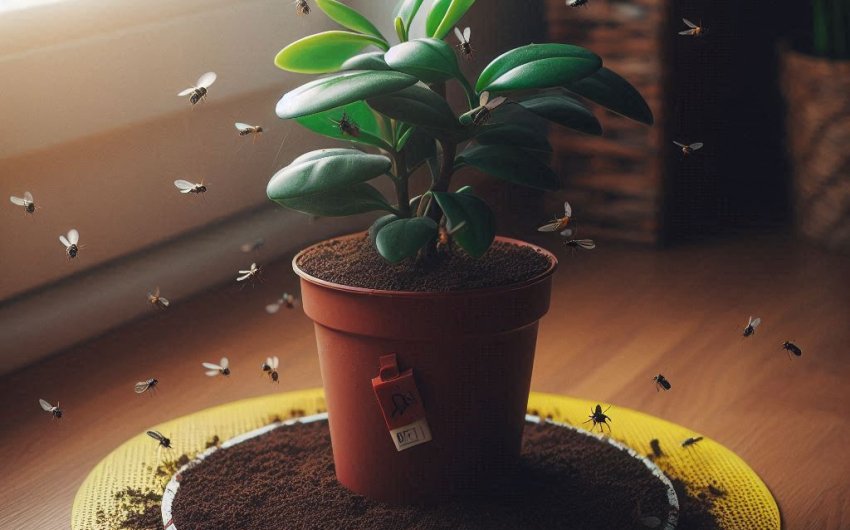
The Pesky Fungus Gnat: Uninvited Houseguests
You spot them hovering around your beloved houseplants, especially when you water or disturb the soil. Tiny, dark, mosquito-like flies that seem to multiply overnight. They're annoying, they get in your face, and they're a clear sign that something isn't quite right with your plant care. Say hello to the infamous fungus gnat!
What Exactly Are Fungus Gnats?
Fungus gnats are small, delicate flies (about 1/8 inch long) that are primarily a nuisance to humans. However, their larvae, which live in the soil, can sometimes cause problems for plants, especially young seedlings or plants already weakened by other issues.
The Fungus Gnat Life Cycle: Know Your Enemy
To get rid of fungus gnats, you need to understand their full life cycle. It's a continuous loop that usually takes about 3-4 weeks to complete, depending on temperature:
- Eggs: Adult female gnats lay tiny eggs in moist, organic-rich soil.
- Larvae (The Problematic Stage): Eggs hatch into clear or whitish larvae (tiny worms/maggots) with black heads. These larvae live in the top 1-2 inches of soil and feed on fungi, decaying organic matter, and sometimes fine root hairs of plants. This is the stage that can damage roots and cause plant stress, especially for young or delicate plants.
- Pupae: Larvae develop into pupae (a resting stage) in the soil.
- Adults: Pupae emerge as flying adult gnats, ready to mate and lay more eggs, starting the cycle over again.
Why Do I Have Fungus Gnats?
The main reason you have fungus gnats is almost always overwatering. They thrive in consistently moist, damp soil conditions, especially soil rich in peat moss or other organic matter that can hold onto moisture and promote fungus growth. They are drawn to the smell of decaying organic material.
Other reasons include:
- New Plants: Bringing home a new plant that was already infested.
- Contaminated Potting Mix: Using potting mix that has been left open and gotten damp, or that wasn't sterilized.
- Poor Drainage: Pots without drainage holes or plants sitting in standing water.
The good news is that because you know their weakness (moisture!), you can target them naturally and effectively.
The Ultimate Natural Fungus Gnat Treatment Plan: A Multi-Pronged Attack
Getting rid of fungus gnats naturally requires a combination of strategies that target different stages of their life cycle. Consistency is key!
Step 1: Address the Root Cause – Adjust Your Watering Habits (CRITICAL!)
This is the most important step. If you don't do this, all other treatments will only be temporary fixes.
- Let the Soil Dry Out: Fungus gnat larvae cannot survive in dry soil. Allow the top 1-2 inches (or even deeper for larger pots/plants) of your plant's soil to dry out completely between waterings. This might mean watering less often than you're used to, but it's often healthier for the plant anyway.
- How to Check: Stick your finger into the soil. If it feels damp, wait. If it feels dry, it's time to water. You can also lift the pot – a dry pot will feel much lighter.
- Bottom Watering: Consider bottom watering your plants. This allows the roots to absorb water from the bottom, while the top layer of soil stays much drier. This creates an inhospitable environment for fungus gnat eggs and larvae. If you haven't tried it, learn how to bottom-water your plants.
- Proper Drainage: Ensure all your pots have drainage holes! And always empty any excess water from saucers immediately after watering. Never let plants sit in standing water. A plant pot with drainage hole is essential.
Step 2: Trap the Adults – Reduce the Breeding Cycle
While you're drying out the soil, you need to catch the flying adults so they can't lay more eggs.
- Yellow Sticky Traps: These are highly effective and non-toxic. Fungus gnats are attracted to yellow. Place several sticky traps directly in the soil of infested pots or hang them near the plants. This catches the adults, interrupting their breeding cycle. You can find a pack of yellow sticky traps for gnats.
- DIY Apple Cider Vinegar Trap:
- How to Make: Pour a small amount of apple cider vinegar into a shallow dish or jar. Add a few drops of dish soap (this breaks the surface tension of the liquid, so the gnats sink). You can also add a pinch of sugar.
- Placement: Place these traps near affected plants. The gnats are attracted to the vinegar, land in the mixture, and get trapped. This is good for reducing adults flying around your house.
Step 3: Eliminate the Larvae – Target the Soil
Once you're managing the moisture, you can use natural methods to kill the existing larvae in the soil.
- BTI (Bacillus thuringiensis israelensis) – Mosquito Bits/Dunks:
- What it is: BTI is a naturally occurring bacterium that specifically targets and kills the larvae of mosquitoes and gnats when ingested. It's completely harmless to humans, pets, plants, and other beneficial insects.
- How to Use:
- Method 1 (Tea): Soak a few Mosquito Bits (follow package directions for quantity) in your watering can for at least 30 minutes (or even overnight) before watering your plants. Water your plants thoroughly with this "BTI tea."
- Method 2 (Soil Top Dress): Sprinkle a small amount of Mosquito Bits directly onto the topsoil of your plants before watering. When you water, the BTI will be carried into the soil.
- Frequency: Repeat this treatment every time you water for several weeks (e.g., 3-4 consecutive waterings) to ensure you break the entire life cycle. This is one of the most effective natural solutions. You can find Mosquito Bits for fungus gnats.
- Neem Oil (Soil Drench):
- What it is: Neem oil is a natural plant-based insecticide that disrupts the growth and feeding of many pests.
- How to Use: Mix Neem oil concentrate (follow package directions for dilution) with water and a few drops of mild dish soap (as an emulsifier). Use this solution to water your plants. The plant absorbs it systemically, and the larvae are affected when they feed on roots.
- Frequency: Use as a soil drench every 7-10 days for a few weeks to break the life cycle. A Neem oil spray for plants can often be used for soil drenching too.
- Hydrogen Peroxide Drench:
- What it is: Hydrogen peroxide can kill gnat larvae on contact by oxygenating the soil too rapidly for them.
- How to Use: Mix one part 3% hydrogen peroxide with four parts water. Water your plant as usual with this solution. You'll see some fizzing and foaming as it contacts organic matter. Do this only once or twice, as repeated use can harm beneficial soil microbes.
- Caution: Use sparingly and monitor your plant's reaction.
Step 4: Add Barriers (Optional, but Helps)
Once the soil dries out a bit, you can add a physical barrier to the top to prevent future egg-laying.
- Sand or Decorative Gravel: Apply a layer (about 1/2 to 1 inch thick) of horticultural sand, perlite, or decorative gravel/pebbles on top of the soil. This creates a dry, inhospitable barrier for adult gnats looking to lay eggs. A horticultural sand for plants works well.
- Fabric/Mesh Cover: For very persistent problems, you can even cut a piece of fine mesh or fabric (like nylon stockings) to fit over the top of the pot.
Step 5: Repotting (For Severe or Persistent Infestations)
If you've tried everything and the infestation is still severe, sometimes a complete reset is needed.
- Remove Plant: Carefully remove the plant from its pot.
- Remove Old Soil: Shake off as much of the old, infested potting mix from the roots as possible. You can even gently rinse the roots under lukewarm water to remove clinging larvae.
- Clean Pot: Wash the old pot thoroughly with hot, soapy water (or a diluted bleach solution) to kill any remaining eggs or larvae.
- Repot: Repot the plant in fresh, sterile, well-draining potting mix. Do not water immediately; wait a few days to a week to allow the soil to settle and the plant to adjust.
Prevention is Always Best: Long-Term Strategies
Once you've eliminated the fungus gnats, the best defense is a good offense! Adopt these practices to prevent them from coming back.
1. Master Your Watering Routine (Again!)
- No Overwatering: This remains the number one rule. Always let the topsoil dry out between waterings.
- Bottom Water: Continue bottom watering where appropriate for your plants.
- Proper Drainage: Ensure all pots have functional drainage holes, and empty saucers.
2. Use the Right Potting Mix
- Well-Draining Mix: Always use a high-quality, well-draining potting mix. Amend standard potting soil with generous amounts of perlite, pumice, or orchid bark to improve aeration and drainage. This helps the soil dry out faster.
- Avoid Wet, Bagged Soil: Don't use potting mix directly from a bag that has been sitting open and gotten damp; it might already contain gnat eggs. Store open bags in sealed containers.
3. Cleanliness and Air Circulation
- Remove Debris: Regularly remove any dead leaves, flowers, or other decaying organic matter from the soil surface. This eliminates food sources and breeding grounds for gnats.
- Good Airflow: Ensure good air circulation around your plants. Don't overcrowd them. A small fan can help circulate air and dry out soil surfaces.
4. Quarantine New Plants
- Inspect: Always inspect new plants thoroughly before bringing them into your main collection. Check the soil, leaves, and stems for any signs of pests, including adult gnats flying around.
- Quarantine Period: Keep new plants separate for 2-4 weeks to ensure no pests emerge.
5. Be Mindful of Organic Fertilizers
- While beneficial, some organic fertilizers can attract gnats if applied too heavily or if they remain on the soil surface in moist conditions. Integrate them well into the soil.
Dealing with fungus gnats can be frustrating, but by implementing these natural treatment strategies – focusing on moisture control, trapping adults, and eliminating larvae – you can reclaim your houseplants and enjoy a gnat-free home! Consistency and patience are your best allies in this battle.