
What causes black spots on peace lily leaves?
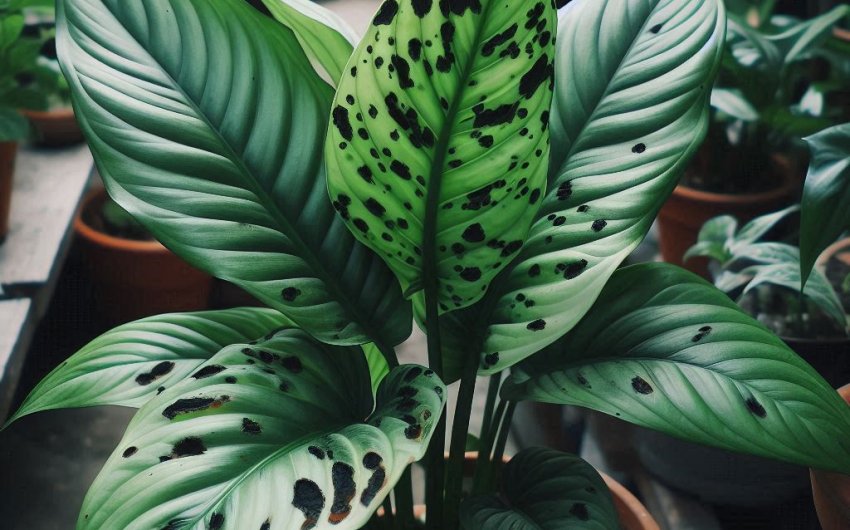
The Peace Lily: A Symbol of Serenity (Usually!)
The Peace Lily (Spathiphyllum) is one of the most popular and beloved houseplants, and for good reason! Its elegant dark green leaves and iconic white "flowers" (which are actually modified leaves called spathes) bring a sense of calm and beauty to any room. It's often praised for being easy to care for and for its air-purifying qualities. However, even the most serene plants can develop problems, and seeing black spots on your Peace Lily leaves can be quite alarming.
The Mystery of the Black Spot
One day, your beautiful, glossy green leaves are perfect. The next, you notice unsightly black or dark brown spots appearing. They can vary in size, shape, and distribution. When you see these spots, it's your Peace Lily trying to tell you something is wrong. Understanding the cause is the first step to helping your plant recover its pristine beauty.
Where Does the Peace Lily Come From?
Peace Lilies are native to the tropical rainforests of Central and South America. In their natural habitat, they grow on the forest floor, receiving filtered light, consistently moist (but not soggy) soil, and very high humidity. Understanding these natural conditions is key to deciphering why problems like black spots might appear indoors.
Top Causes of Black Spots on Peace Lily Leaves
When you see black spots on your Peace Lily leaves, it's almost always related to an imbalance in its environment or care routine. Let's break down the most common culprits.
1. Overwatering and Root Rot (The Most Common Culprit!)
This is, by far, the leading cause of black spots on Peace Lily leaves, especially if the spots are soft, mushy, or spreading quickly.
- What Happens: Peace Lilies love consistent moisture, but they absolutely hate sitting in soggy soil. When the soil stays waterlogged, the roots are deprived of oxygen and begin to rot. This is called root rot. Once the roots rot, they can no longer absorb water and nutrients, and the plant essentially begins to drown and starve at the same time. The leaves, unable to get what they need, start to die off, turning black and mushy.
- Symptoms:
- Black, mushy, or soft spots on leaves: These often start at the tips or edges and spread inwards. The affected areas feel soft to the touch.
- Yellowing leaves: Often, older leaves will turn yellow before or along with the black spots.
- Wilting: The plant might wilt, even though the soil is wet (this is because the rotted roots can't absorb water).
- Foul smell from soil: A strong, stale, or rotten odor can indicate severe root rot.
- Soggy soil: The potting mix feels constantly wet and heavy.
- Why it's Harmful: Root rot can quickly kill a Peace Lily if not addressed.
2. Poor Drainage
- The Problem: Hand-in-hand with overwatering, a lack of drainage holes in the pot or a heavy, compacted potting mix will lead to soggy conditions, even if you water correctly.
- The Solution: Always use a pot with drainage holes, and ensure your potting mix is well-draining. A plant pot with drainage hole is essential.
3. Tap Water Issues (Mineral Buildup or Chemicals)
Peace Lilies are sensitive plants, and what's in your tap water can sometimes cause problems.
- Chlorine and Fluoride: These chemicals, common in tap water, can sometimes accumulate in the plant's tissues and cause leaf tip burn or black spots.
- Mineral Salts (Hard Water): Over time, minerals in hard water can build up in the soil and on the leaf edges, creating salt burn which appears as brown or black spots, often at the tips or edges.
- Symptoms: Black or brown tips and edges on leaves, often dry and crispy rather than mushy. White crust on the soil surface or pot rim.
- The Solution:
- Filter Water: Use filtered water. A simple Brita Standard Everyday Water Filter Pitcher can remove chlorine.
- Let Water Sit: Fill your watering can and let tap water sit out for 24-48 hours. This allows chlorine to dissipate.
- Rainwater or Distilled Water: These are excellent choices if available.
- Flush the Soil: Periodically (every 2-3 months), water your Peace Lily very thoroughly from the top until water drains heavily from the bottom for several minutes. This helps flush out accumulated mineral salts.
4. Cold Damage
Peace Lilies are tropical plants and hate the cold.
- What Happens: Exposure to cold temperatures, cold drafts, or touching a cold windowpane can damage leaf tissue, causing it to die and turn black.
- Symptoms: Irregularly shaped black or dark brown spots, often appearing suddenly, especially on leaves near a cold window or vent. The spots might look water-soaked or sunken.
- The Solution: Keep your Peace Lily in a warm, stable environment (ideally 65-80°F or 18-27°C). Keep it away from drafty windows, air conditioning vents, and open doors in winter.
5. Fungal Diseases
While less common than environmental issues, fungal diseases can also cause black spots on Peace Lily leaves. These usually appear as distinct spots, sometimes with a halo.
- What Happens: Fungal spores thrive in warm, humid conditions with poor air circulation. They infect leaf tissue, causing localized damage.
- Symptoms: Small, distinct black or brown spots that might be circular and sometimes have a yellow halo. They often spread over time.
- The Solution:
- Improve Air Circulation: Ensure good airflow around your plant. Don't crowd it.
- Reduce Humidity (if excessive): While Peace Lilies love humidity, too much combined with poor airflow can be problematic.
- Prune Affected Leaves: Immediately remove and discard any leaves showing signs of fungal spots.
- Fungicide: In severe cases, a fungicide spray formulated for houseplants may be needed. A fungicide spray for houseplants can help.
6. Light Scorch (Less Common for Black Spots, More for Brown Tips)
- What Happens: While Peace Lilies prefer bright, indirect light, prolonged exposure to intense, direct sunlight can scorch their leaves. This usually manifests as crispy brown tips or bleached-out patches, but severe scorch can lead to blackening of tissue.
- Symptoms: Dry, crispy brown or black patches where sunlight directly hits the leaves.
- The Solution: Move your Peace Lily to a spot with bright, indirect light. Avoid direct sun exposure.
7. Over-Fertilizing
- What Happens: Too much fertilizer can lead to a buildup of salts in the soil, which can "burn" the roots and lead to leaf damage.
- Symptoms: Brown or black tips and edges on leaves, similar to salt buildup from hard water.
- The Solution: Fertilize sparingly during the growing season (spring/summer) with a diluted liquid fertilizer. Flush the soil periodically.
How to Treat and Revive Your Peace Lily with Black Spots
Once you've diagnosed the likely cause, it's time for the action plan to revive your Peace Lily.
Step 1: Prune Away Damaged Leaves
- Use Clean Tools: Use clean, sharp scissors or pruners. Sanitize them with rubbing alcohol before and after use.
- Remove Affected Leaves: Cut off any leaves that have significant black spots, or are turning completely yellow or mushy. Cut the leaf stem as close to the base of the plant as possible. Don't be afraid to remove a good number of leaves; the plant will put energy into new, healthy growth.
- Discard Properly: Do not compost diseased leaves; discard them to prevent further spread.
Step 2: Address Overwatering & Root Rot (If Suspected)
If the spots are mushy, spreading rapidly, or the soil is soggy, this step is crucial.
- Unpot the Plant: Gently remove the Peace Lily from its pot.
- Inspect Roots: Shake off as much old soil as possible. Examine the root ball. Healthy roots are white or tan and firm. Rotted roots are brown/black and mushy.
- Trim Rotted Roots: Use your clean, sharp scissors to cut away all mushy, dark, or smelly roots. Trim back to healthy, firm root tissue.
- Repot with Fresh Soil:
- Clean Pot: Wash the old pot thoroughly or use a new one.
- Well-Draining Mix: Repot using fresh, well-draining potting mix. A good mix includes standard indoor potting soil mixed with a generous amount of perlite or orchid bark to improve drainage. You can find indoor potting mix with perlite.
- No Water Immediately: Do not water immediately after repotting. Let the roots settle for a few days before giving a light drink.
Step 3: Optimize Watering Habits
This is the most important long-term change.
- Feel the Soil: Water only when the top 1-2 inches of soil feel dry to the touch. Your Peace Lily will also tell you it's thirsty by drooping slightly (but not fully wilting!). This is its famous "dramatic" droop before it gets too dry.
- Thorough Watering: When you do water, water thoroughly until it drains out of the bottom of the pot.
- Empty Saucer: Always empty excess water from the saucer within 15-30 minutes. Never let your Peace Lily sit in standing water.
- Use Proper Water: Switch to filtered, rainwater, or de-chlorinated tap water (by letting it sit out).
- Flush Regularly: Flush the soil every 2-3 months to prevent salt buildup.
Step 4: Adjust Light and Temperature
- Light: Move your Peace Lily to a spot with bright, indirect light. Avoid any direct sun.
- Temperature: Ensure stable, warm temperatures (65-80°F / 18-27°C). Protect from drafts.
Step 5: Address Humidity (If Applicable)
While black spots aren't typically caused by low humidity directly, a stressed plant (from low humidity) can be more susceptible to other issues. Peace Lilies love humidity!
- Humidifier: A room humidifier can greatly benefit your Peace Lily. A room humidifier for plants helps provide consistent humidity.
- Pebble Tray: Use a pebble tray beneath the pot (ensure the pot is not in water). A plant humidity tray helps create a humid microclimate.
Step 6: Fertilizing (After Recovery)
- Hold Off First: Do not fertilize a stressed or recovering plant.
- Diluted & Infrequent: Once your Peace Lily shows signs of new, healthy growth, fertilize sparingly during the active growing season (spring/summer) with a balanced liquid fertilizer diluted to half strength.
Long-Term Prevention of Black Spots
Once you've nursed your Peace Lily back to health, maintain these practices to keep it lush and spot-free.
1. Consistent Watering Routine
This is the golden rule for Peace Lilies. Feel the soil, watch for the slight droop, and water thoroughly but infrequently.
2. Proper Drainage and Potting Mix
Always use a pot with drainage holes and a well-draining, airy potting mix. Repot when truly root-bound, not before.
3. Optimal Environmental Conditions
Maintain bright, indirect light, stable warm temperatures, and good humidity.
4. Quality Water Source
Use filtered or de-chlorinated water, and flush the soil regularly.
5. Good Air Circulation
Don't crowd your Peace Lily; allow air to circulate around its leaves to prevent fungal issues.
By understanding the signals your Peace Lily sends and proactively adjusting its care, you can prevent those unsightly black spots and ensure your plant remains a vibrant, calming presence in your home for years to come.