
Can houseplants grow in north-facing windows?
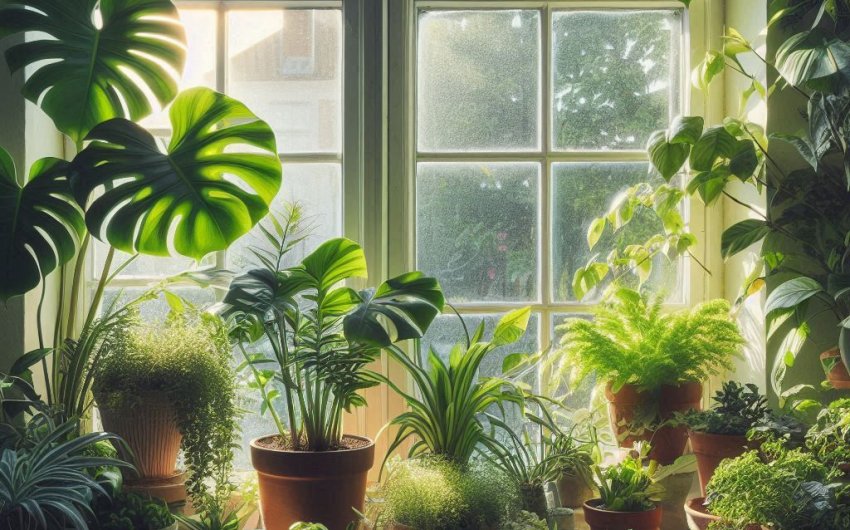
The Quest for the Perfect Plant Spot
You've finally got your dream houseplant, or maybe you're just looking to add some green to a particular room. You find the perfect spot, maybe a cozy nook near a window. But then you think, "Wait, what kind of window is this? Is it facing north, south, east, or west?" This question is super important because the direction a window faces directly impacts the amount and type of sunlight your plants will receive. And when it comes to a north-facing window, many plant parents wonder if any plants can actually thrive there.
The Light Spectrum: Why Direction Matters
Different window directions offer different light exposures throughout the day:
- South-facing: Gets the most intense, direct sunlight for many hours of the day, especially from late morning to afternoon. Great for high-light plants.
- West-facing: Gets strong, direct afternoon sun, which can be very intense and hot.
- East-facing: Gets gentle, direct morning sun for a few hours, then indirect light for the rest of the day. Good for many moderate-light plants.
- North-facing: This is the unique one! It never receives direct sunlight in the Northern Hemisphere (it's the opposite in the Southern Hemisphere). The light it gets is consistently indirect, soft, and often weaker than other windows.
So, for a north-facing window, the challenge isn't too much light, but rather often not enough light for many common houseplants. But fear not, this doesn't mean your north-facing window has to be plant-less!
The North-Facing Advantage
While a north-facing window offers lower light, it also offers a unique advantage: consistency. The light is very even and soft throughout the day, without harsh direct rays. This makes it perfect for plants that:
- Are sensitive to direct sun.
- Prefer stable, lower light conditions.
- Come from the understory of forests (where they naturally receive filtered light).
It's all about choosing the right plant for the right place!
What Kind of Light Does a North-Facing Window Offer?
Before we pick plants, let's really understand the light from a north-facing window.
Soft, Indirect, and Consistent
- No Direct Sun: The sun's rays never directly enter a north-facing window (unless you're very close to the equator or at very high/low latitudes).
- Ambient Light: The light you get is diffused, ambient light reflected from the sky or surrounding buildings.
- Lower Intensity: The light intensity is generally much lower than any other window direction. This is considered low to medium indirect light.
- Consistent Throughout the Day: The quality of light doesn't change dramatically throughout the day, which can be good for sensitive plants.
- Seasonal Variation: In winter, the light from a north-facing window can become extremely low, almost dim, as days are shorter and the sun is lower in the sky. In summer, it's brighter but still indirect.
How to Measure Light (Optional, but Helpful)
If you want to be precise, you can use a light meter to measure the light intensity (often in foot-candles or lux).
- Dim/Very Low Light: Less than 50 foot-candles (FC) or 500 lux.
- Low Light: 50-100 FC or 500-1,000 lux.
- Medium Indirect Light: 100-250 FC or 1,000-2,500 lux.
- Bright Indirect Light: 250-500+ FC or 2,500-5,000+ lux.
A north-facing window will typically fall into the low to medium indirect light range, often leaning towards low, especially further away from the window.
Best Houseplants for North-Facing Windows (Low to Medium Light Lovers)
Here's a fantastic list of plants that don't just survive but can actually thrive in the softer, consistent light of a north-facing window.
1. Snake Plant (Sansevieria trifasciata, now Dracaena trifasciata)
- Why it's great: Known for being incredibly tough and adaptable. While it prefers brighter light, it tolerates low light extremely well, making it a superstar for north-facing windows. Its upright, sword-like leaves add modern flair.
- Care Tip: Extremely drought-tolerant. Water only when the soil is completely dry.
2. ZZ Plant (Zamioculcas zamiifolia)
- Why it's great: Another virtually indestructible plant, famous for its ability to handle very low light conditions. It has shiny, dark green, oval-shaped leaves that grow on thick stems.
- Care Tip: Very sensitive to overwatering. Water only when the soil is completely dry. A ZZ Plant is a great low-maintenance option.
3. Peace Lily (Spathiphyllum)
- Why it's great: Famous for its elegant dark green leaves and white "flower" (spathe). Peace Lilies are native to rainforest understories, so they thrive in consistent, indirect light, making them perfect for a north-facing window.
- Care Tip: Keep soil consistently moist but never soggy. It will dramatically droop when thirsty! It loves humidity. A Peace Lily plant is a popular choice.
4. Cast Iron Plant (Aspidistra elatior)
- Why it's great: Its name says it all – it's incredibly hardy and tolerant of neglect and very low light. It has long, dark green, leathery leaves that look tough and elegant.
- Care Tip: Water thoroughly but let the top few inches of soil dry between waterings.
5. Pothos (Epipremnum aureum)
- Why it's great: A classic for a reason! Pothos is incredibly adaptable and can tolerate a wide range of light conditions, including lower light. While brighter light encourages more variegation, a solid green Pothos or one with less pronounced variegation will do well in a north-facing window. They are great trailing plants.
- Care Tip: Let the top few inches of soil dry out between waterings. A Pothos plant is a perfect beginner plant.
6. Philodendron (Heartleaf Philodendron)
- Why it's great: Very similar to Pothos in its care and light tolerance, the Heartleaf Philodendron is another fantastic vining plant for low to medium light. Its leaves are typically dark green and truly heart-shaped.
- Care Tip: Similar to Pothos, let the top few inches of soil dry out between waterings.
7. Aglaonema (Chinese Evergreen)
- Why it's great: These come in an amazing array of colors and patterns, and many varieties are well-suited to low to medium indirect light. They add a vibrant splash of color to shadier spots.
- Care Tip: Keep soil consistently moist but not soggy. Loves humidity.
8. Ferns (Boston Fern, Bird's Nest Fern, Maidenhair Fern - with extra care)
- Why they're great: Many ferns are native to forest floors and thrive in consistent, indirect light.
- Care Tip: This is where the challenge comes in. Ferns also demand very high humidity. A north-facing window can be good for their light needs, but you will almost certainly need to supplement with a humidifier or pebble tray to prevent crispiness. A room humidifier for plants is often a must.
- Specifics:
- Boston Fern: Easy-care, but very thirsty for humidity.
- Bird's Nest Fern: More tolerant of lower humidity than others, but still appreciates it.
- Maidenhair Fern: The fussiest, needs very consistent moisture AND very high humidity. A north-facing window's consistent light can be good, but you'll need to double down on humidity efforts.
9. Lucky Bamboo (Dracaena sanderiana)
- Why it's great: Often sold growing in water, Lucky Bamboo is surprisingly adaptable to lower light conditions. It prefers bright, indirect light but tolerates low light well.
- Care Tip: If grown in water, change the water weekly. If in soil, keep it consistently moist.
10. Prayer Plant (Maranta leuconeura) / Calathea
- Why they're great: Known for their beautiful patterned leaves that "pray" (fold up) at night. These plants prefer indirect light and can be sensitive to direct sun, making a north-facing window a good fit.
- Care Tip: They are notorious for demanding high humidity and consistent moisture, so be prepared to provide that. Use filtered or distilled water to avoid crispy edges. A Calathea plant adds stunning foliage.
Challenges and Considerations for North-Facing Windows
While many plants can thrive, there are a few things to keep in mind when gardening in a north-facing window.
1. Very Low Light in Winter
- The Problem: During the shorter days of winter, the light from a north-facing window can become extremely dim. Plants that were doing okay might start to struggle, showing signs of insufficient light (leggy growth, pale leaves, lack of new growth).
- The Solution:
- Move Closer: If possible, move plants closer to the window during winter.
- Supplemental Grow Lights: This is often the best solution. A full-spectrum LED grow light can provide the necessary light spectrum and intensity to keep your plants happy and growing through the darker months. A LED grow light for indoor plants can be subtle and effective.
- Reduce Watering: In lower light, plants use less water. Adjust your watering schedule accordingly to prevent overwatering and root rot.
2. Slower Growth
- The Problem: Plants in lower light conditions will naturally grow slower than those in brighter spots. Don't expect rapid, bushy growth.
- The Solution: Be patient! Appreciate the slower, steady growth.
3. Less Pronounced Variegation
- The Problem: For variegated plants (like certain Pothos, Aglaonemas, or Peperomias), lower light can cause the non-green (white, yellow, pink) parts of the leaves to fade or disappear altogether. This is because the plant tries to produce more chlorophyll (green pigment) to maximize its ability to photosynthesize in limited light.
- The Solution: If variegation is important to you, consider a plant with mostly green leaves, or be prepared to use a grow light to help maintain the variegation.
4. Increased Risk of Overwatering
- The Problem: As mentioned, plants in lower light use less water. If you stick to a regular watering schedule (e.g., "once a week"), you're much more likely to overwater and cause root rot.
- The Solution: Always check the soil moisture before watering. Let the top few inches of soil dry out for most plants.
5. Temperature Fluctuations (Less Common than Light)
- The Problem: While north windows don't get direct sun heat, they can be cooler in winter. Cold drafts can stress plants.
- The Solution: Keep plants away from drafty windows or ensure the window is well-sealed.
Maximizing Success in a North-Facing Window
Beyond choosing the right plant, these tips will help your plants thrive.
1. Optimize Potting Mix
- Well-Draining: Even for low-light plants, good drainage is key to preventing root rot. Use a well-draining indoor potting mix and ensure pots have drainage holes. Adding perlite to your mix can improve drainage further.
2. Monitor and Adapt
- Observe Your Plants: Pay close attention to your plants. Are leaves yellowing? Is growth leggy? Is it happy? Your plant will tell you what it needs.
- Adjust Watering: Water based on the plant's needs and how quickly the soil dries in that specific spot.
- Rotate Plants: Rotate your plants regularly (e.g., every week or two) to ensure even light exposure on all sides, preventing them from leaning towards the light source.
3. Cleanliness
- Dust Leaves: Dust can block light! Gently wipe down the leaves of your plants regularly with a soft, damp cloth to ensure they can absorb as much light as possible.
4. Consider a Plant Shelf
- Elevate Plants: If your window is large, a multi-tiered plant shelf can help you arrange plants to maximize light exposure for each, especially in a north-facing window where light is limited.
The notion that houseplants can't grow in a north-facing window is a myth. While it limits your choices compared to a south-facing one, a wide array of beautiful and resilient plants can absolutely flourish in the soft, consistent light a north-facing exposure provides. With careful plant selection and attentive care, you can create a vibrant indoor garden even in the shadiest corner of your home!