
How do I set up a grow light for indoor plants?
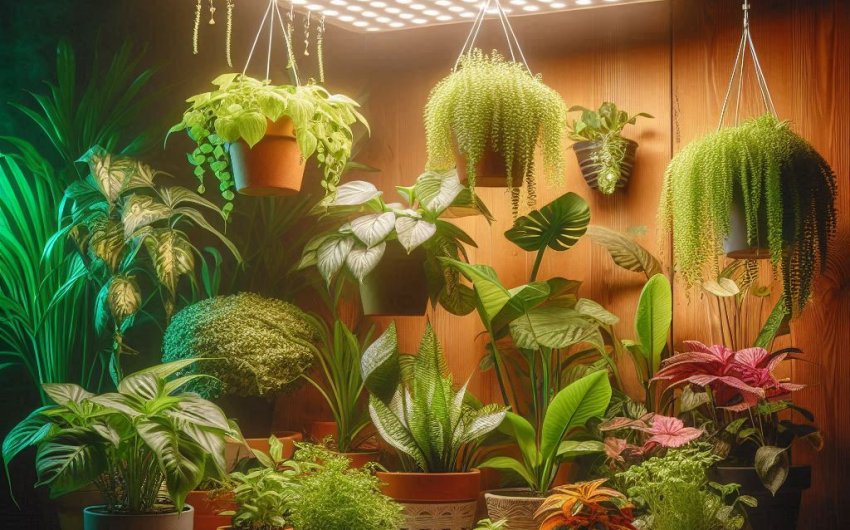
Why Does My Plant Need a Grow Light?
You love your indoor plants, but sometimes, natural light just isn't enough. Maybe you live in a dimly lit apartment, or your favorite window faces north. Perhaps your plants get leggy and sad in winter, or you're trying to grow herbs or even vegetables indoors. This is where a grow light becomes your plant's best friend!
The Power of Light for Plants
Plants, unlike us, make their own food through a process called photosynthesis. For this vital process, they need light – a lot of it! Natural sunlight provides the full spectrum of light plants need. When they don't get enough, they show it:
- Leggy, Stretched Growth: Stems become long and spindly, with wide gaps between leaves, as the plant "stretches" to find light.
- Small, Pale Leaves: New leaves are smaller than usual and may lack vibrant color, sometimes appearing pale yellow or lime green.
- Lack of New Growth: The plant seems to stop growing altogether.
- Loss of Variegation: Variegated plants (with white, yellow, or pink patterns) may lose their colorful parts and revert to solid green.
- No Flowers or Fruit: Flowering plants won't bloom, and fruiting plants won't produce.
A grow light is designed to mimic sunlight, providing the specific spectrum and intensity of light that plants need to photosynthesize effectively and grow robustly, even indoors.
Who Needs a Grow Light?
- Low Light Homes: If your home lacks bright natural light, especially in winter.
- Plant Enthusiasts: For those with large collections or rare plants that need consistent optimal light.
- Seed Starting: Essential for strong, non-leggy seedlings.
- Indoor Edibles: Growing herbs, lettuce, or even small vegetables indoors.
- Seasonal Boost: Giving plants a boost during shorter, darker winter days.
Choosing the Right Grow Light: Not All Lights Are Equal!
Before you set up, you need to pick the right kind of grow light. There are many options, and some are much better than others for houseplants.
1. Types of Grow Lights (Focusing on Houseplant Needs)
- LED Grow Lights (Most Recommended):
- Pros: Energy-efficient, long-lasting, produce very little heat (reducing burn risk), and come in a wide range of spectrums (full spectrum, white, or even "blurple" - purple/pink light). They are highly customizable and often sleek.
- Cons: Can be a higher upfront cost, but save money in the long run.
- Best for: Almost all houseplants, from leafy greens to flowering plants. The LED grow light for indoor plants market has exploded with options.
- Fluorescent Grow Lights (T5/T8):
- Pros: Relatively inexpensive, produce good broad-spectrum light, and don't get too hot. Often come in long tube forms.
- Cons: Less energy-efficient and shorter lifespan than LEDs. Bulbs need replacing.
- Best for: Seed starting, leafy greens, and plants with moderate light needs.
- Incandescent Bulbs:
- Pros: Very cheap.
- Cons: Produce a lot of heat (high burn risk for plants), very inefficient, and provide a poor light spectrum for plant growth.
- Avoid: Do not use standard incandescent bulbs as grow lights. They are not suitable.
- HID (High-Intensity Discharge - HPS/MH):
- Pros: Very powerful, used for large-scale growing or high-light demanding plants (e.g., cannabis, fruiting vegetables).
- Cons: Very expensive, produce a lot of heat (require ventilation), high energy consumption, not practical or necessary for most houseplants.
- Avoid: Overkill for typical houseplants.
Recommendation for Houseplants: Full-spectrum LED grow lights are almost always the best choice for general houseplant care due to their efficiency, low heat, and targeted light spectrum.
2. Light Spectrum: "Full Spectrum" is Key
Plants use different colors (wavelengths) of light for different processes:
- Blue Light: Important for vegetative growth (leaves and stems).
- Red Light: Important for flowering and fruiting.
- Green/Yellow Light: Often reflected by plants (which is why they look green), but still plays a role in photosynthesis.
A full-spectrum grow light provides a balanced range of all these colors, mimicking natural sunlight, which is ideal for overall plant health and growth at all stages. Avoid "blurple" lights (purple/pink) if you prefer a more natural look in your home. White full-spectrum LEDs are very common and aesthetically pleasing.
3. Light Intensity and Coverage
- Watts vs. PAR/PPFD: Don't just look at watts (which measures energy consumption). Look for terms like PAR (Photosynthetically Active Radiation) or PPFD (Photosynthetic Photon Flux Density). These measure the actual amount of light plants can use. However, for casual houseplant growers, focusing on proper distance from the light is often more practical.
- Coverage Area: Consider the size of your plant or group of plants. Do you need a single spotlight for one plant, a bar light for a shelf, or a larger panel for a whole growing area?
Setting Up Your Grow Light: Step-by-Step
Once you have your chosen grow light, setting it up properly is crucial for your plants' success and safety.
1. Choose the Right Location
- Consider Existing Light: If possible, place your grow light in an area that already receives some ambient natural light, but not direct scorching sun. This helps supplement, rather than entirely replace, natural light.
- Temperature: Ensure the area has stable room temperatures (ideally 65-80°F / 18-27°C). Avoid cold drafts or extreme heat.
- Humidity: Some grow lights (especially powerful ones) can slightly lower humidity. Consider adding a humidifier or pebble tray if your plants are humidity-lovers.
- Power Access: Make sure there's a convenient and safe electrical outlet.
2. Mounting and Hanging the Light
The way you mount your light depends on its type and your setup.
- Adjustable Height: This is critical! Your light needs to be adjustable so you can change the distance to your plants as they grow or if their light needs change.
- Options:
- Hanging Kits: Many grow lights come with adjustable hanging wires or chains. You can hang them from ceiling hooks, shelving units, or specialized grow light stands. A grow light stand with adjustable height is convenient.
- Shelving Units: If you're using wire shelving, zip ties or small carabiners can secure bar lights underneath shelves. This creates a multi-tiered growing station.
- Clamp Lights: For single plants, a clamp light (with a suitable bulb) can clip onto a shelf or desk. Ensure it's stable.
- Integrated Systems: Some grow lights are built into small plant shelves or cabinets.
3. Determine the Ideal Distance (The Goldilocks Zone!)
This is perhaps the most important aspect of grow light setup. Too close, and you'll burn your plants. Too far, and they won't get enough light.
- Manufacturer's Recommendations: Always start by checking the grow light manufacturer's instructions. They usually provide recommended distances for different types of plants (e.g., seedlings, mature plants, high-light vs. low-light plants).
- General Guidelines (Start Here & Adjust):
- High-Powered LED Panels: 12-24 inches above the plant canopy.
- Lower-Wattage LED Bar Lights / Fluorescent T5/T8: 6-12 inches above the plant canopy.
- Seedlings / Young Cuttings: Often need to be very close, 2-4 inches, especially under less powerful lights, but monitor for heat stress.
- Observe Your Plants!: Your plants will tell you if the distance is wrong:
- Too Close: Leaves turn pale, yellow, or white; scorched spots appear; leaves curl downwards (taco-ing). Move the light further away.
- Too Far: Leggy, stretched growth; small, dull leaves; loss of variegation; lack of new growth. Move the light closer.
- Adjust as Plants Grow: As your plants grow taller, raise the light to maintain the optimal distance.
4. Set Up a Timer
- Consistency is Key: Plants thrive on a consistent light/dark cycle. Manually turning lights on and off every day is tedious and inconsistent.
- Automatic Timer: Use a simple mechanical grow light timer or a digital one to automate the light schedule.
5. Determine the Light Duration
- General Rule: Most houseplants benefit from 12-16 hours of light per day, followed by 8-12 hours of darkness. Darkness is just as important as light for plants to carry out metabolic processes.
- Adjust for Plant Type:
- Flowering Plants: May need longer light periods (14-16 hours) to encourage blooming.
- Fruiting Plants / Very High Light Plants: Could benefit from up to 16-18 hours.
- Low Light Tolerant Plants: May do fine with 10-12 hours.
- Monitor: Again, observe your plants. If they are still leggy, increase duration or intensity. If they look stressed, reduce duration slightly.
Optimizing Your Grow Light Setup: Advanced Tips
Once you have the basics down, consider these tips for even better results.
1. Reflective Surfaces
- Maximize Light: Light can escape around your plants. Using reflective surfaces can bounce light back onto them, maximizing efficiency.
- Options: Paint walls white, use Mylar sheets, or even aluminum foil around your grow area. A simple Mylar grow tent liner can significantly boost light.
2. Air Circulation
- Prevent Stagnation: Ensure good air circulation around your plants. Grow lights can sometimes create micro-climates where air becomes stagnant.
- Small Fan: A small clip-on fan can help move air, strengthen stems, and prevent fungal issues.
3. Grouping Plants
- Efficient Lighting: Group plants with similar light needs together under one light to maximize efficiency.
- Humidity Benefits: Grouping plants also slightly increases local humidity, which is a bonus for many tropical houseplants.
4. Cleaning Your Grow Light
- Dust Accumulation: Dust can accumulate on your grow light, blocking light output.
- Regular Cleaning: Gently wipe down your grow light fixtures regularly with a soft, dry cloth (ensure the light is off and cool!).
5. Rotate Your Plants
- Even Growth: Even with a grow light, plants might still lean towards the most intense part of the light. Rotate your plants every few days or weekly to ensure all sides get even light exposure, promoting balanced growth.
Common Mistakes to Avoid
- Using Standard Light Bulbs: Regular incandescent bulbs do not provide the right spectrum for plants and produce too much heat.
- "Set It and Forget It": Light needs change as plants grow and seasons shift. Don't assume your initial setup is always perfect.
- Ignoring Plant Signals: Your plants are constantly communicating. Learn to read their signs of too much or too little light.
- Overwatering in Low Light: If your grow light isn't powerful enough (or far away), plants will use less water. Adjust your watering frequency to prevent root rot.
- Too Much Heat: Always feel the leaves under the light. If they feel warm to the touch, your light is too close.
Setting up a grow light for indoor plants is a fantastic way to unlock their full growth potential, especially in less-than-ideal natural light conditions. By understanding the types of lights, the importance of spectrum and intensity, and mastering distance and duration, you can create a thriving indoor garden year-round. It's an investment that truly pays off in happier, healthier, and more beautiful plants!