
What temperature is too cold for tropical houseplants?
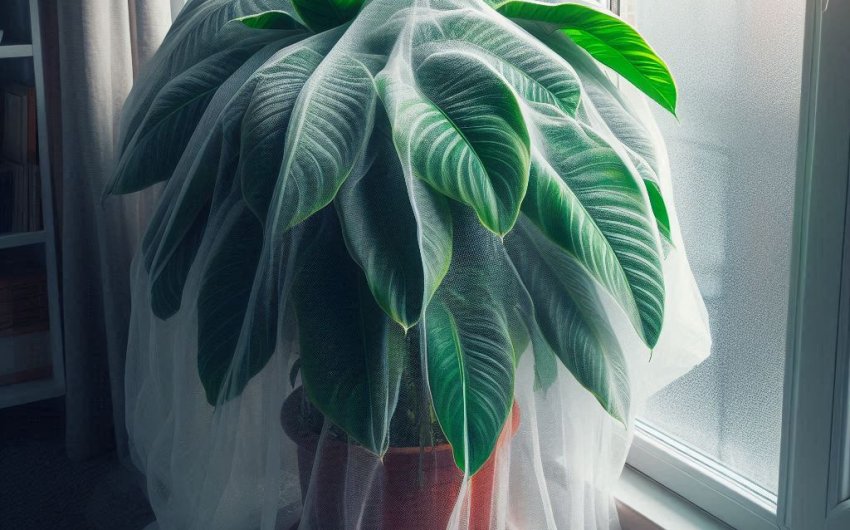
The Tropical Dream: Bringing the Jungle Indoors
You love your houseplants. They bring life, color, and a sense of calm to your home. Many of the most popular houseplants, from the luscious Monstera to the elegant Peace Lily and the vibrant Pothos, are actually tropical plants. This means they naturally thrive in warm, humid environments, far from chilly temperatures. But as seasons change, or even with the use of air conditioning, you might start to wonder: what temperature is too cold for my tropical houseplants?
Why Temperature Matters So Much
Temperature plays a crucial role in a plant's health and survival. It affects:
- Metabolism: Plants are "cold-blooded" in a way. Their internal processes (like photosynthesis, respiration, nutrient uptake) slow down or speed up with temperature changes.
- Water Uptake: Cold soil and cold temperatures make it harder for roots to absorb water and nutrients.
- Cell Structure: Extreme cold can cause water inside plant cells to freeze, leading to ice crystals that rupture cell walls. This is essentially frost damage, causing irreversible harm.
- Stress: Even without freezing, prolonged exposure to temperatures outside their ideal range can cause significant stress, weakening the plant and making it vulnerable to pests and diseases.
Understanding the temperature limits of your tropical houseplants is key to keeping them healthy, especially when the weather outside turns cold or when your indoor climate control fluctuates.
The Danger Zone: What Temperatures are Considered "Too Cold"?
There isn't one single "too cold" temperature for all tropical houseplants, as different species have slightly different tolerances. However, we can establish general ranges and critical thresholds.
1. The Ideal Comfort Zone (Happy Place!)
- Most Tropical Houseplants: Generally thrive in temperatures between 65°F and 80°F (18°C to 27°C).
- Why: This range mimics the warm, stable temperatures of their native tropical habitats, allowing them to grow actively and perform their vital functions efficiently.
2. The Stress Zone (Warning Signs Start Here)
- Below 60°F (15°C): For many tropical houseplants, temperatures consistently falling below 60°F can cause stress, even if they don't show immediate dramatic damage.
- What Happens: Growth slows down significantly. The plant becomes more susceptible to issues like overwatering (because it's using less water, and the soil stays wet longer). It might start to look dull, leaves might yellow, and overall vigor decreases.
- Symptoms: Slower growth, dull leaf color, yellowing of lower leaves, increased risk of root rot if watering isn't adjusted.
3. The Danger Zone (Acute Damage Likely)
- Below 50°F (10°C): This is the critical threshold where most tropical houseplants will start to experience acute damage from cold.
- What Happens: At these temperatures, metabolic processes slow dramatically, and the plant struggles to function. Water absorption becomes severely impaired.
- Symptoms:
- Drooping and wilting: Even if the soil is moist, the plant can't absorb water.
- Blackening or browning of leaves: Often appears as splotchy, water-soaked, or translucent spots that quickly turn black or brown. This is often cell damage.
- Mushy stems: Can occur if cold combines with excessive moisture.
- Leaf drop: Leaves may fall off, sometimes seemingly healthy ones.
- Stunted growth or death: If prolonged, the plant will decline and may not recover.
4. Freezing Temperatures (Fatal!)
- 32°F (0°C) and Below: Any temperature at or below freezing is almost always fatal for tropical houseplants.
- What Happens: Water within the plant's cells freezes, expanding and rupturing the cell walls. This irreversible damage leads to mushy, black, and completely destroyed plant tissue.
- Symptoms: Leaves turn black and mushy very rapidly. The entire plant collapses.
Key Takeaway: While some tough tropical houseplants might tolerate a brief dip to the mid-50s°F (12-14°C), a good rule of thumb is to keep most of them consistently above 60°F (15°C) to ensure their continued health and vibrancy.
How Cold Temperatures Affect Your Tropical Houseplants
Let's look at the specific ways cold can harm your green friends.
1. Impaired Water Uptake and Root Function
- The Problem: Cold soil temperatures make it harder for the roots to absorb water, even if there's plenty of it. The viscosity of water increases in cold, and root activity slows down.
- The Result: The plant becomes "physiologically dry," meaning it can't get water, leading to wilting, even in wet soil. This also increases the risk of root rot, as the roots are inactive but sitting in cold, damp soil.
2. Cell Damage and Rupture
- The Problem: This is the most direct form of cold damage. When temperatures drop below freezing, ice crystals form inside the plant cells. As these crystals expand, they puncture and tear the delicate cell walls.
- The Result: The affected plant tissue turns mushy, translucent, and then rapidly black or brown. This damage is irreversible, and the tissue effectively dies.
3. Slowed Metabolism and Growth Arrest
- The Problem: Plant enzymes and chemical reactions operate optimally within a specific temperature range. Below that range, these processes slow down dramatically.
- The Result: Growth stops. Photosynthesis (food production) becomes inefficient. The plant enters a state of dormancy or severe stress, making it vulnerable.
4. Increased Susceptibility to Diseases and Pests
- The Problem: A stressed plant with a weakened immune system is a prime target for opportunistic diseases and pests.
- The Result: Cold-stressed plants might suddenly show signs of fungal issues (like leaf spots) or pest infestations (like spider mites, which thrive in dry, stressed conditions).
5. Leaf Drop and Discoloration
- The Problem: As a survival mechanism, stressed plants may shed leaves to conserve energy and water. Cold exposure can also simply kill off leaves.
- The Result: Yellowing, browning, or blackening of leaves, followed by leaf drop.
Common Sources of Cold Shock for Indoor Plants
It's not always about leaving a window open. Subtle cold sources can also harm your plants.
1. Drafts from Windows and Doors
- The Problem: Even if your room is warm, a persistent cold draft from a poorly sealed window or a frequently opened door can continuously blast cold air onto nearby plants, causing localized damage.
- Solution: Check for drafts with your hand. Seal windows, or move plants away from drafty areas.
2. Cold Windowpanes
- The Problem: In winter, a windowpane can get very cold. If your plant's leaves are touching the glass, they can experience direct cold damage, even if the room temperature is adequate.
- Solution: Ensure plant leaves are not touching cold glass. Pull plants back a few inches from the window during very cold nights.
3. Air Conditioning Vents
- The Problem: A direct blast of cold air from an air conditioner vent can quickly chill and damage plant leaves.
- Solution: Keep plants away from direct airflow from AC vents.
4. Cold Floors
- The Problem: Floors, especially near exterior walls or in basements, can be significantly colder than the ambient air temperature in a room. This cold can wick up into the pot and chill the roots.
- Solution: Place plants on plant stands, tables, or insulating mats to lift them off cold floors. A plant stand indoor elevates them nicely.
5. Temperature Drops Overnight
- The Problem: Even if your home is warm during the day, if you lower the thermostat significantly at night, some plants might be exposed to too low temperatures for too long.
- Solution: Try to maintain a more consistent overnight temperature for your plants.
6. Transporting Plants Outdoors
- The Problem: Moving plants from a warm home to a cold car or directly into chilly outdoor air for even a short period can cause severe cold shock.
- Solution: Protect plants during transport! Wrap them in plastic bags, newspaper, or blankets. Only move them outdoors when ambient temperatures are consistently above their comfort zone (and no cold winds).
Protecting Your Tropical Houseplants from Cold Damage
Prevention is always the best strategy when it comes to cold.
1. Know Your Plant's Specific Needs
While 60°F (15°C) is a general guideline, some tropical plants are more sensitive than others. Research the specific minimum temperature for each of your plants.
2. Strategic Placement
- Warmest Spots: Place your most sensitive tropical plants in the warmest rooms of your house.
- Avoid Cold Zones: Keep plants away from drafty windows, exterior doors, and cold walls.
- Elevate Plants: Use plant stands to lift pots off cold floors.
3. Insulate Your Windows
- Caulking/Weather Stripping: Seal any drafts around windows and doors.
- Curtains/Blinds: Close curtains or blinds at night to add a layer of insulation against cold windowpanes.
- Bubble Wrap: For extremely cold windows, you can temporarily affix bubble wrap to the glass for extra insulation (cut to size and spray water on window, then press bubble wrap on).
4. Group Plants Together
- Microclimate: Grouping plants creates a mini-climate around them, slightly raising humidity and temperature, and protecting them from individual cold pockets.
5. Use a Thermometer
- Monitor Temps: Place a simple indoor thermometer near your plants to monitor the actual temperature they are experiencing, especially in winter or problem areas.
6. Adjust Watering in Winter
- Water Less: Plants in cooler temperatures and lower light use less water. Always check the soil moisture before watering. Overwatering in cold conditions almost guarantees root rot.
7. Temporary Protection for Extreme Cold
- Move Plants: During severe cold snaps, move sensitive plants away from windows and into the warmest, most protected inner rooms.
- Covering: For plants that can't be moved, you can loosely cover them with a blanket, sheet, or even a plastic bag at night (ensuring it doesn't touch the leaves too much and is removed in the morning) to trap warmth.
What to Do If Your Plant Suffers Cold Damage
If your tropical houseplant has been exposed to cold and shows signs of damage, here's how to try and save it.
1. Assess the Damage
- Don't Prune Immediately: Unlike other damages, if cold damage is suspected, resist the urge to immediately prune off all affected leaves. Sometimes the plant needs those damaged leaves to pull resources back before fully shedding them.
- Severity: Determine if the damage is localized (a few leaves) or systemic (most of the plant looks bad).
2. Move to a Safe Spot
- Immediately move the plant to a warm, stable environment with bright, indirect light. Do not place it in direct sun, which would add more stress.
3. Check Watering
- Don't Overwater: If the soil is already wet, do NOT water more. The cold-damaged roots won't be able to absorb it, leading to root rot. Let the soil dry out.
- If Dry: If the soil is bone dry, give it a very light, gentle drink with room temperature water.
4. Wait and Observe
- Patience: It can take days or even weeks to see how much of the plant will recover. Some leaves might improve, while others will fully blacken and dry out.
- Monitor for Secondary Issues: Keep an eye out for pests or fungal infections, as cold-stressed plants are vulnerable.
5. Prune Dead Material (After the Fact)
- Once it's clear which parts are truly dead (black, mushy, crispy, or shriveled beyond recovery), use clean, sharp scissors to prune them off. Cut back to healthy, green tissue. This helps the plant direct energy to new growth.
6. Provide Optimal Ongoing Care
- Continue with consistent, ideal conditions: proper watering, bright indirect light, and high humidity.
Understanding what temperature is too cold for tropical houseplants is fundamental to their care. By recognizing their vulnerability to chilling temperatures and implementing preventive measures, you can create a warm, hospitable indoor environment that allows your tropical beauties to thrive and flourish year-round, bringing their vibrant energy into your home.