
How do I know when to repot a ZZ plant?
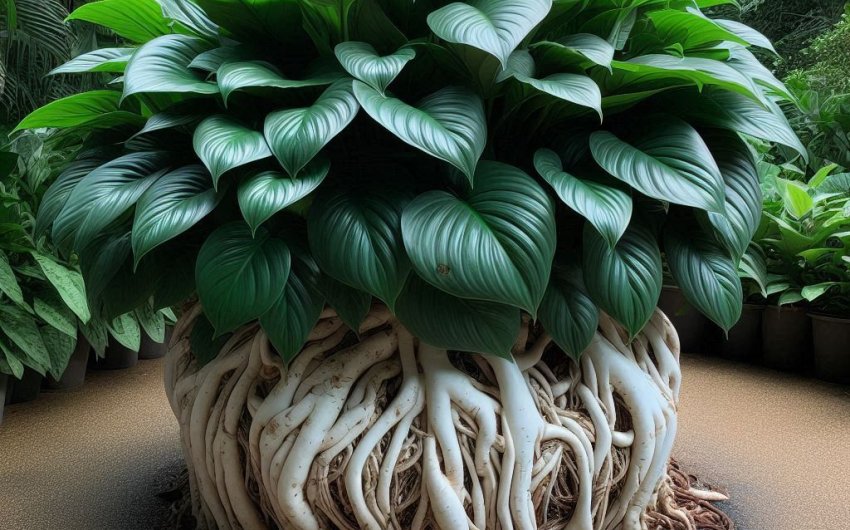
The ZZ plant (Zamioculcas zamiifolia) is a true superstar in the houseplant world. Beloved for its incredibly easy-going nature, glossy dark green foliage, and ability to thrive in even low-light conditions, it's often recommended for beginners or those with a "black thumb." It's famously low-maintenance, requiring infrequent watering and generally forgiving neglect. However, even the most laid-back plant needs a little attention sometimes, and one question often comes up: "How do I know when to repot a ZZ plant?"
Unlike many other houseplants that send clear signals when they need a new home, ZZ plants are masters of subtlety. They actually prefer to be a bit root-bound, and grow relatively slowly. Repotting too often can actually shock them or lead to root rot. So, understanding the specific signs that your ZZ plant is truly ready for a larger pot, and not just enjoying its snug fit, is crucial for its long-term health and continued growth. This comprehensive guide will explore all the tell-tale signs, best practices for repotting, and what a healthy ZZ plant needs from its home.
Understanding the ZZ Plant's Unique Root System
To understand when and why to repot a ZZ plant, you first need to know about its most unique feature: its rhizomes.
- Rhizomes: These are thick, potato-like underground stems that grow horizontally. They act as water and nutrient storage organs, allowing the ZZ plant to survive long periods of drought in its native East Africa.
- Roots: Roots grow from these rhizomes, anchoring the plant and absorbing moisture.
- Growth Habit: New stems and leaves emerge from these rhizomes.
Because they store so much water in their rhizomes (and also in their thick, fleshy stems), ZZ plants don't like to sit in wet soil. They also naturally expand their rhizomes, which can quickly fill a pot. This unique structure influences how and when you should repot them. They like tight spaces.
Why ZZ Plants Prefer to Be a Bit Root-Bound
Many houseplants thrive when they have plenty of room for their roots to spread. ZZ plants are different. They genuinely prefer to be somewhat root-bound.
- Water Management: When slightly root-bound, the soil volume is smaller relative to the roots/rhizomes. This helps the soil dry out more quickly between waterings, which is crucial for preventing root rot, as their rhizomes are prone to rotting in soggy conditions.
- Energy Focus: When a plant is too happy with root space, it might put more energy into root development than into producing new leaves. Being a bit snug encourages them to focus on sending up new shoots.
- Stability: The dense network of rhizomes provides a sturdy anchor for the tall, upright stems.
So, don't rush to repot your ZZ plant just because you see a few roots. True signs of needing a new pot are more pronounced.
Top Signs Your ZZ Plant Needs Repotting
Given their preference for snug pots, you shouldn't repot a ZZ plant every year like some other houseplants. They are slow growers and typically only need repotting every 2-5 years, or even longer if growth is very slow. Look for these specific indicators that your ZZ plant has truly outgrown its current home:
1. Distorted Pot Shape (Bulging Sides or Cracks)
This is the most definitive and urgent sign that your ZZ plant's rhizomes are outgrowing their pot.
- Bulging: The thick, expanding rhizomes can exert significant pressure on the sides of the pot. For plastic pots, you'll see the sides noticeably bulging outwards, becoming warped or misshapen.
- Cracks: In terracotta or ceramic pots, which are less flexible, this pressure can actually lead to the pot cracking or breaking. This is a clear signal that the rhizomes have no more room to expand and are stressing the container.
If you see your pot starting to bulge or crack, repotting is immediately necessary to prevent pot damage and give the plant more space.
2. Rhizomes and Roots Pushing Up and Out of the Pot
While ZZ plants like to be root-bound, there's a limit.
- Rhizomes on Surface: If you see a dense mat of thick, white, potato-like rhizomes pushing visibly up out of the soil surface, it means they are seeking more space and are extremely crowded.
- Roots from Drainage Holes: If you notice numerous thick, white roots growing vigorously out of the drainage holes at the bottom of the pot, it's another strong indicator that the root system has completely filled the available space.
A few small roots peeking out is normal and doesn't warrant immediate repotting, but a dense mass is a clear sign.
3. Stunted Growth or No New Shoots (Despite Good Care)
If your ZZ plant used to produce new stems regularly but has now completely stopped putting out any new growth, or the new stems that do appear are unusually small or weak, it might be a sign of extreme root-boundness.
- Limited Resources: When roots and rhizomes completely fill the pot, they can't access enough fresh soil, nutrients, or even oxygen, which limits the plant's ability to produce new growth.
- Check Other Factors: Before assuming it's root-bound, rule out other common reasons for slow growth, such as too little light, very infrequent watering (true drought), or lack of fertilization during the growing season.
If all other care aspects are optimal, but growth has stalled, consider repotting.
4. Water Sits on Top or Drains Too Quickly
This might seem contradictory, but both scenarios can indicate root-boundness or degraded soil.
- Water Sitting: If you water your ZZ plant and the water just sits on top of the soil for a long time without soaking in, it means the root ball is so dense that there's no room for water to penetrate, or the soil itself has become hydrophobic (repels water).
- Water Draining Too Quickly: Conversely, if water rushes straight through the pot without appearing to moisten the soil, it could mean the root ball is so dense and detached from the pot's sides that the water is simply flowing down the gaps around the outside, not actually wetting the root mass.
In both cases, the plant isn't getting adequate moisture, indicating it's time to refresh the soil and potentially give the roots more room.
5. Instability of the Plant in the Pot
A healthy ZZ plant should be relatively stable in its pot.
- Wobbling: If your plant seems top-heavy and wobbly, especially considering its thick stems and large rhizomes, it might be because the root ball is no longer firmly anchored in the soil and is lifting out of the pot.
- Tipping: If the plant repeatedly tips over easily, despite its wide base, it suggests the root system can't provide enough counterweight or stability within the current pot.
How to Repot Your ZZ Plant: Best Practices
Repotting a ZZ plant is a straightforward process, but following these steps will minimize stress and ensure a healthy transition.
1. Choose the Right Time
- Growing Season: Repot during the active growing season, typically spring or early summer. This gives the plant plenty of time to recover and establish itself in its new pot before colder, dormant months.
- Avoid Dormancy: Do not repot in fall or winter, as the plant is less active and will struggle to recover from the disturbance.
2. Choose the Right Pot Size
- Go Up ONLY One Size: This is crucial for ZZ plants. They actually prefer to be a bit snug, and putting them in a pot that's too large can lead to overwatering and root rot.
- Diameter: Choose a pot that is only 1-2 inches (2.5-5 cm) wider in diameter than the current pot. For example, if your plant is in a 6-inch pot, move it to an 8-inch pot.
- Drainage Holes are Non-Negotiable: The new pot must have drainage holes. Without them, water will sit and cause root rot, especially for a plant prone to this like the ZZ.
- Material: Terracotta pots terracotta pots with drainage are excellent for ZZ plants. Their porous nature allows excess moisture to evaporate through the sides, reducing the risk of root rot. Plastic pots can also work, but require even more careful watering.
3. Prepare the Right Potting Mix
- Well-Draining is KEY: ZZ plants need a very well-draining potting mix that doesn't hold too much moisture. Regular potting soil is too dense and retains too much water.
- Ideal Mix Components: A good mix should include:
- Standard Potting Mix (Base): About 50-60% of a good quality general potting mix (lightweight, peat or coir based).
- Perlite or Pumice (for Drainage): About 20-30% perlite for plants or pumice for plants. These lightweight, porous materials greatly improve drainage and aeration.
- Coarse Sand or Small Bark (Optional Grittiness): About 10-20% coarse horticultural sand or small orchid bark chunks can be added for extra drainage and aeration.
- Pre-made Mixes: You can also use a cactus and succulent potting mix, often mixed with a bit of regular potting soil for some moisture retention.
4. The Repotting Process
- Preparation: Gather your tools: new pot, prepared potting mix, old trowel or small spade, and gardening gloves (optional, but helpful for grip).
- Remove from Old Pot: Gently tip the ZZ plant on its side and carefully slide it out of its current pot. You might need to gently squeeze a plastic pot to loosen the root ball.
- Inspect Roots and Rhizomes:
- Shake off some of the old, loose soil.
- Inspect the rhizomes and roots. Healthy rhizomes are firm and plump, usually light to dark brown or blackish. Healthy roots are typically white to tan and firm.
- Prune: With sterilized pruning shears, trim away any soft, mushy, black, or smelly roots/rhizomes. These are signs of rot. Don't be afraid to remove them; they are already dead or dying.
- Position in New Pot: Place a small layer of your fresh potting mix at the bottom of the new pot. Position the ZZ plant so that the top of its rhizomes will be just below the rim of the new pot, leaving about 1 inch (2.5 cm) of space.
- Fill with Soil: Gently fill the pot around the roots and rhizomes with your fresh potting mix. Gently tamp down the soil around the rhizomes to remove large air pockets, ensuring good contact between soil and roots. Don't press too hard, as this can compact the soil too much.
- No Immediate Watering: Do NOT water your ZZ plant immediately after repotting. Wait at least 3-7 days (or even longer if you pruned many roots or if the weather is cool/humid). This allows any small root injuries to heal and callus over, preventing root rot from entering fresh wounds when you do water. This "dry period" is crucial for ZZ plants.
5. Post-Repotting Care
- Light: Place the repotted ZZ plant back in its usual spot with bright, indirect light. Avoid exposing it to sudden, intense direct sunlight after repotting.
- First Watering: After the recommended dry period (3-7+ days), give your ZZ plant its first thorough watering in its new pot. Water until water drains out the bottom.
- Adjust Watering Schedule: In a slightly larger pot, the soil will take longer to dry out. Always check the soil moisture before watering. It's better to underwater than overwater a ZZ plant. Use your finger or a soil moisture meter.
- Fertilizing: Wait at least 4-6 weeks after repotting before resuming any fertilization. The fresh soil provides new nutrients.
By understanding the unique needs of your ZZ plant and looking for the right signals, you can confidently determine when it's time for a new pot. Repotting infrequently, choosing the right pot size, and using a well-draining soil mix are the keys to a happy, healthy, and ever-growing ZZ plant that continues to enhance your home with its effortless beauty.