
How to Care for a Calathea Plant?
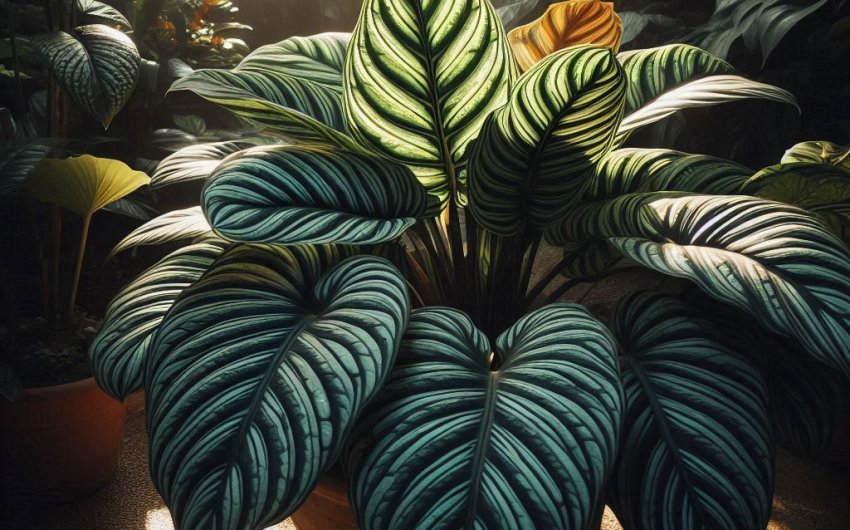
Caring for a Calathea plant primarily involves providing consistently high humidity, bright, indirect light, and a regular watering schedule with purified water. These striking tropical beauties, often called "prayer plants" for their nightly leaf movements, require attentive care but reward their owners with unparalleled foliage.
What is a Calathea Plant and Why Are They So Captivating?
A Calathea plant, a member of the Marantaceae family (along with Maranta and Stromanthe), is a genus of tropical plants native to the rainforests of South America, particularly Brazil. What makes Calatheas so captivating and a favorite among houseplant enthusiasts is their extraordinary foliage. Each species boasts unique, intricate patterns and vibrant colors on its leaves, often with striking contrasts of green, pink, purple, and red. The undersides of their leaves are frequently a deep burgundy or purple, adding to their dramatic appeal.
Beyond their stunning aesthetics, Calatheas are also known for a fascinating phenomenon called nyctinasty, earning them the nickname "prayer plants." During the day, their leaves lie flat to maximize light absorption. As dusk falls, they fold upwards, resembling hands clasped in prayer, only to unfurl again with the morning light. This movement is controlled by a small joint called a pulvinus, located at the base of each leaf, which responds to changes in light intensity. While their specific care requirements can be a bit challenging, the reward of their living artistry makes them highly desirable.
How Much Light Does a Calathea Plant Need?
Light is one of the most critical factors when learning how to care for a Calathea plant. These tropical beauties thrive in bright, indirect light, mimicking the dappled sunlight they receive on the rainforest floor under the canopy of taller trees. They are highly sensitive to direct sunlight, which can quickly damage their delicate leaves.
- Ideal Placement: An east-facing window is often perfect, providing gentle morning sun. A north-facing window can also work if the light is consistently bright. If you have south or west-facing windows, place your Calathea several feet away from the window, or use sheer curtains to diffuse the intense afternoon sun. The goal is consistent, filtered brightness.
- Signs of Too Much Light: Direct sunlight will scorch Calathea leaves, causing them to fade, turn yellow, or develop crispy, brown spots. The vibrant patterns can also become bleached.
- Signs of Too Little Light: If your Calathea isn't getting enough light, its growth will slow significantly, and the vibrant patterns on its leaves may become dull or less defined. The plant might also appear "stretched" as it tries to reach for light.
- Rotation: While not as critical as for some plants, rotating your Calathea every few weeks can help ensure even growth and light exposure for all leaves.
What is the Best Watering Schedule for a Calathea Plant?
Proper watering is arguably the most challenging aspect of Calathea care, as they are sensitive to both overwatering and underwatering, and particularly to the quality of the water itself. Calatheas prefer consistently moist (but never soggy) soil.
- Feel the Soil: The key is to water when the top 1-2 inches of soil feel dry to the touch. Stick your finger directly into the soil. If it's damp, wait. If it's dry, it's time to water. A plant moisture meter can also be a helpful tool.
- Water Thoroughly: When you do water, water deeply until you see water draining from the bottom of the pot. This ensures the entire root ball is hydrated.
- Empty Excess Water: Always empty any standing water from the saucer within 15-30 minutes. Allowing the pot to sit in water will lead to soggy conditions and inevitably, root rot.
- Water Quality is Key: Calatheas are highly sensitive to chemicals found in tap water, particularly chlorine and fluoride. These can cause crispy, brown leaf edges – a common complaint among Calathea owners.
- Use Filtered Water: Use filtered water, distilled water, or rainwater.
- Let Tap Water Sit: If you must use tap water, let it sit out in an open container for at least 24 hours. This allows chlorine to evaporate, though it won't remove fluoride.
- Frequency: Watering frequency will vary based on temperature, humidity, light, and pot size. In warmer months (spring and summer), you might water every 5-7 days. In cooler, dormant months (fall and winter), you'll likely water less frequently, perhaps every 10-14 days.
What Kind of Soil and Pot is Best?
The right soil mix and potting material are fundamental for successful Calathea care, ensuring excellent drainage while still retaining sufficient moisture. Calatheas thrive in a lightweight, airy, and well-draining potting mix that mimics their natural jungle floor environment.
Choosing the Right Soil
An ideal soil mix for a Calathea should be:
- Well-draining: Prevents root rot.
- Moisture-retentive: Holds enough water for the plant's needs without becoming waterlogged.
- Aerated: Allows air to reach the roots.
- Slightly Acidic: A pH range of 5.5 to 6.5 is generally preferred.
You can create your own mix or amend a high-quality houseplant potting mix. A good DIY mix often includes:
- 40% high-quality potting soil: Look for one that doesn't contain too much dense peat moss.
- 20% perlite or pumice: Improves drainage and aeration.
- 20% orchid bark or coco coir chunks: Provides excellent drainage, aeration, and mimics natural organic matter.
- 20% coco coir or sphagnum moss: Helps with moisture retention while remaining airy.
You can also look for specific Calathea potting mix blends available from specialized retailers.
Selecting the Right Pot
- Drainage Holes: This is absolutely essential. Your pot must have drainage holes at the bottom to prevent waterlogging and root rot.
- Material:
- Plastic Pots: Often a good choice for Calatheas. They retain moisture longer than terracotta, which can be beneficial for a plant that likes consistent moisture, but still requires careful watering.
- Glazed Ceramic Pots: Similar to plastic, they hold moisture.
- Terracotta Pots: While excellent for succulents, terracotta can dry out too quickly for Calatheas, requiring more frequent watering. If you use terracotta, be extra diligent with your watering schedule and humidity.
- Size: Choose a pot that is only slightly larger (1-2 inches in diameter) than the current root ball. Calatheas prefer to be a bit snug in their pots. A pot that's too large will hold too much excess soil, leading to prolonged moisture and an increased risk of root rot.
How Important is Humidity for Calathea Plants?
Humidity is perhaps the single most critical factor in the successful care for a Calathea plant. Originating from the humid understory of rainforests, Calatheas absolutely demand high humidity levels. Low humidity is the most common reason for brown, crispy leaf edges, stunted growth, and an overall unhappy plant.
- Ideal Humidity: Aim for humidity levels of 60% or higher. Anything consistently below 50% will likely cause problems.
- Signs of Low Humidity:
- Crispy, brown leaf edges: This is the most tell-tale sign, even if you are watering correctly with purified water.
- Leaves curling inward.
- Stunted new growth or leaves failing to unfurl properly.
To provide the high humidity Calatheas crave:
- Humidifier: Investing in a room humidifier is by far the most effective way to consistently provide the necessary humidity. Place it near your Calathea and run it daily.
- Pebble Tray: Place a tray filled with pebbles and water beneath the plant's pot. Ensure the bottom of the pot is not sitting directly in the water. As the water evaporates, it creates a localized humid microclimate. This is a good supplementary method but often not enough on its own.
- Grouping Plants: Grouping your Calathea with other humidity-loving plants can create a more humid microclimate as plants release moisture into the air through transpiration.
- Terrariums or Enclosures: For the most sensitive Calathea varieties, or if you live in a very dry climate, a closed terrarium or a cloche can provide consistently high humidity.
- Avoid Misting: While seemingly helpful, misting only provides a very temporary rise in humidity and can actually encourage fungal leaf spots if water sits on the foliage without good air circulation. It's generally not recommended as a primary humidity solution for Calatheas.
Do Calathea Plants Need Fertilizer?
Yes, Calathea plants benefit from regular fertilization during their active growing season to support their vigorous growth and vibrant foliage. However, they are sensitive and can be easily over-fertilized, so it's important to dilute your fertilizer properly.
- When to Fertilize: Fertilize during the spring and summer months (typically April through September in the Northern Hemisphere) when the plant is actively producing new leaves. Reduce or stop fertilizing entirely during the fall and winter when growth naturally slows down.
- Type of Fertilizer: Use a balanced liquid houseplant fertilizer with a NPK (Nitrogen-Phosphorus-Potassium) ratio like 5-5-5 or similar, or a specialized foliage plant fertilizer. Look for a liquid houseplant fertilizer.
- Dilution: This is critical! Always dilute the fertilizer to half or even quarter strength of what the package recommends. Over-fertilizing can lead to nutrient burn, which manifests as crispy, brown leaf tips or edges, similar to fluoride burn, and can damage the roots.
- Application: Always apply fertilizer to moist soil. Never fertilize a plant that is completely dry, as this can shock the roots and cause damage. Water your plant first, then apply the diluted fertilizer.
- Frequency: Fertilize every 2-4 weeks during the growing season. For very young or newly repotted plants, it's best to wait a few months before starting fertilization.
How Do I Prune a Calathea Plant?
Pruning a Calathea plant is primarily about maintaining its aesthetic appeal and overall health by removing dead or damaged foliage. Unlike woody plants that are pruned for shape, Calatheas grow from rhizomes and typically don't require extensive structural pruning.
When and How to Prune
- Remove Yellow or Brown Leaves: As your plant grows, older leaves, or those damaged by low humidity, overwatering, or pests, may turn yellow or brown. It's important to remove these to direct the plant's energy towards healthy new growth.
- How to Cut: Use clean, sharp pruning shears or scissors. Snip the affected leaf stem as close to the soil line as possible. If only part of a leaf is brown and crispy, you can trim off just the brown edges, following the natural shape of the leaf, but ensure your scissors are very sharp to avoid tearing.
- Remove Spent Flowers (If Any): While rare indoors, some Calathea varieties can flower. If your plant does bloom, once the flowers fade, snip the flower stalk off at the base.
- Promote Air Circulation: If your Calathea becomes very dense, you can occasionally remove a few inner, older leaves to improve air circulation, which can help prevent fungal issues.
- No Hard Pruning for Bushiness: Calatheas don't typically respond to hard pruning with bushier top growth like many woody plants. Their growth habit is to send up new leaves from their rhizomes. If your plant is looking sparse, it's usually a sign of insufficient light or general stress, rather than a need for more aggressive pruning.
Always ensure your tools are clean to prevent the spread of disease.
How to Repot a Calathea Plant?
Repotting your Calathea plant is a task that typically needs to happen every 1-2 years, or when it shows signs of being root-bound. They generally prefer to be a bit snug, so don't rush to repot too frequently.
Signs It's Time to Repot
- Roots growing out of the drainage holes.
- The plant is becoming top-heavy and frequently tipping over.
- The plant is drying out much faster than usual, even with proper watering.
- Stunted growth despite adequate light and care.
- Difficulty in maintaining consistent soil moisture.
Steps for Repotting
- Choose the Right Pot: Select a new pot that is only 1-2 inches larger in diameter than the current one. As discussed, a plastic or glazed ceramic pot with drainage holes is often preferred.
- Prepare Soil: Have your fresh, well-draining, and moisture-retentive Calathea-friendly potting mix ready.
- Hydrate Plant (Slightly): Water your Calathea a day or two before repotting. This makes the plant less prone to shock and the soil easier to remove.
- Remove the Plant: Gently tip the plant on its side. Carefully slide it out of its old pot. You might need to gently tap the pot or carefully run a knife around the inner rim if it's stuck. Avoid pulling directly on the leaves or stem.
- Inspect Roots: Gently tease apart any circling roots at the bottom of the root ball. Trim away any dead, black, or mushy roots, which indicate root rot. Healthy Calathea roots are typically white or light brown and fibrous.
- Add Fresh Soil: Place a layer of fresh potting mix at the bottom of the new pot.
- Position the Plant: Center the Calathea in the new pot. The top of the root ball should be at the same level relative to the new pot's rim as it was in the old one, leaving about 1 inch of space for watering.
- Fill with Soil: Backfill around the root ball with fresh potting mix, gently tamping it down to remove large air pockets. Avoid compacting the soil too tightly; you want it to remain airy.
- Water Thoroughly: Water the newly repotted plant thoroughly until water drains from the bottom. This helps settle the soil around the roots.
- Post-Repotting Care: Place your newly repotted Calathea back in its usual spot. It might experience a bit of "shock" (temporary wilting or a dropped leaf or two), but it should recover quickly. Avoid fertilizing for at least 4-6 weeks after repotting to allow the roots to settle into their new environment.
What Are Common Calathea Plant Problems and How Do I Fix Them?
Calatheas have a reputation for being "dramatic" or "fussy," largely because they are quick to show signs of distress when their specific care needs are not met. Understanding these common problems is crucial for successful ownership.
Crispy, Brown Leaf Edges or Tips
- Cause: This is by far the most common problem and is almost always due to:
- Low Humidity: The most frequent culprit. The air is too dry, causing the leaf margins to dehydrate and crisp.
- Tap Water Impurities: Sensitivity to chlorine, fluoride, or excessive minerals in tap water.
- Underwatering: If the entire leaf is crispy and dry, and the soil is bone dry.
- Too Much Direct Light: Can also cause crispy, scorched areas.
- Fix:
- Increase Humidity: Use a humidifier, pebble tray, or group plants. This is often the first and most effective step.
- Use Purified Water: Switch to distilled, filtered, or rainwater.
- Adjust Watering: Ensure you are watering thoroughly when the topsoil is dry, but not letting it sit dry for too long.
- Adjust Light: Move to a spot with bright, indirect light.
Yellowing Leaves
- Cause:
- Overwatering: The most common reason. Leaves (especially lower ones) turn yellow and may feel soft or mushy. Often accompanied by black spots or stem rot.
- Nutrient Deficiency: If coupled with stunted growth and you haven't fertilized.
- Natural Aging: Older, lower leaves will naturally yellow and drop over time.
- Fix:
- Overwatering: Immediately adjust watering frequency. Ensure excellent drainage. Check for root rot.
- Nutrient Deficiency: Begin a balanced, diluted fertilization routine during the growing season.
- Natural Aging: Normal. Remove the yellowed leaf.
Drooping or Curling Leaves
- Cause:
- Underwatering: Leaves will feel limp and soft, and the soil will be dry. The plant is trying to conserve moisture.
- Low Humidity: Leaves may curl inward slightly.
- Sudden Temperature Change/Drafts: Calatheas are sensitive to cold drafts.
- Fix:
- Underwatering: Water thoroughly if soil is dry.
- Low Humidity: Increase humidity.
- Temperature: Move to a stable, warm spot away from drafts.
Stunted Growth or Dull Patterns
- Cause:
- Insufficient Light: Not enough energy for robust growth and vibrant color development.
- Lack of Nutrients: During the growing season if not fertilized.
- Root-bound: Plant has completely filled its pot and has no room to grow.
- Fix:
- Light: Move to a brighter spot with indirect light.
- Nutrients: Fertilize regularly with diluted fertilizer.
- Repotting: Repot into a slightly larger pot if root-bound.
Pests
Calatheas are unfortunately attractive to a few common houseplant pests, particularly if conditions are dry.
- Spider Mites: Tiny red, brown, or black mites, often causing fine webbing on the undersides of leaves and speckling on the leaf surface. Thrive in low humidity.
- Mealybugs: White, cottony masses found in leaf axils or on stems.
- Scale: Small, brown, limpet-like bumps on stems and leaf undersides.
Fix:
- Isolate: Immediately isolate the affected plant to prevent spread.
- Wipe Leaves: For light infestations, wipe pests off with a damp cloth or a cotton swab dipped in rubbing alcohol. Pay close attention to the undersides of leaves.
- Insecticidal Soap: Apply an organic insecticidal soap spray specifically designed for houseplants. Follow instructions carefully.
- Neem Oil: A natural alternative, neem oil spray can be effective.
- Increase Humidity: High humidity discourages spider mites.
The Importance of Cleaning Calathea Leaves
Keeping your Calathea's leaves clean is a simple yet vital part of its overall care. Dust and debris can accumulate on the surface of their broad leaves, blocking sunlight and hindering the plant's ability to photosynthesize effectively.
Why and How to Clean Leaves
- Improved Photosynthesis: Clean leaves can absorb more light, leading to more efficient energy production and healthier growth.
- Pest Detection: Regular cleaning provides an opportunity to inspect your plant closely for early signs of pests, allowing for quicker intervention.
- Aesthetics: Clean, dust-free leaves showcase the Calathea's intricate patterns and vibrant colors much better.
Method:
- Gentle Wipe: Use a soft, damp cloth (microfiber is excellent) to gently wipe down the top and bottom surfaces of each leaf. You can use distilled or filtered water for this to avoid water spots.
- Support: Their leaves are connected by slender petioles. Gently support the leaf with one hand while wiping with the other to avoid tearing or snapping them.
- Frequency: Do this every few weeks, or whenever you notice a visible layer of dust.
- Avoid Leaf Shine Products: Do not use commercial leaf shine products, as these can clog the leaf's pores (stomata) and interfere with the plant's ability to "breathe" and exchange gases.
Understanding Calathea's "Prayer" Movement
The unique nyctinastic movement of Calathea leaves – the "prayer" movement – is more than just a charming quirk; it's a vital physiological process directly related to their health and care. This movement is driven by specialized cells in the pulvinus at the base of each leaf, which swell and shrink in response to light changes, altering turgor pressure.
- Purpose: It's believed that this movement helps the plant optimize light absorption during the day and reduce water loss through transpiration at night. It also helps shake off insects or excess water in their natural environment.
- Indicator of Health: A healthy Calathea will exhibit this movement clearly. If your Calathea's leaves are not moving much, or are staying completely open or closed, it can be a sign of stress. This might indicate that it's not getting enough light, or that its environment is too cold, or it's experiencing severe dehydration.
Observing your Calathea's daily rhythm is a good way to gauge its overall happiness and ensure your care for a Calathea plant is hitting the mark. When properly cared for, these plants are truly living works of art that add an undeniable touch of tropical elegance to any home.