
How to Care for a Jade Plant?
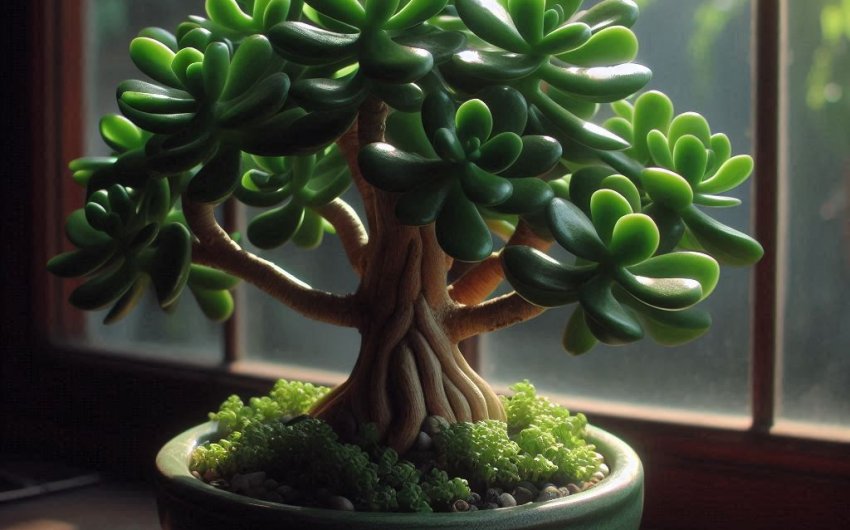
Caring for a jade plant involves providing plenty of bright light, infrequent but thorough watering, and a well-draining soil mix in a pot with drainage. These resilient succulents are known for their longevity and relatively easy maintenance, making them ideal for both novice and experienced plant enthusiasts.
What is a Jade Plant and Why is it So Popular?
The jade plant, scientifically known as Crassula ovata, is a classic succulent that originates from South Africa. It's instantly recognizable by its thick, fleshy, oval-shaped leaves that grow in opposing pairs along sturdy, tree-like branches. The leaves are typically a vibrant jade green, often developing a reddish tint along their edges when exposed to sufficient sunlight. With proper care, jade plants can grow into substantial, miniature trees, sometimes living for decades and even being passed down through generations.
Its popularity stems from several factors:
- Ease of Care: As a succulent, it's incredibly forgiving of neglect, particularly when it comes to watering, making it a great choice for busy individuals or those new to houseplants.
- Symbolism: In many cultures, particularly Asian ones, the jade plant is considered a symbol of good luck, prosperity, and financial success. It's often referred to as a "money tree" or "friendship plant," making it a popular gift.
- Aesthetic Appeal: Its compact, tree-like growth habit and shiny, attractive leaves make it a beautiful addition to any interior space, from modern to traditional.
- Longevity: With proper conditions, jade plants can live for a very long time, becoming cherished family heirlooms.
How Much Light Does a Jade Plant Need?
Light is perhaps the single most important factor for a thriving jade plant. They absolutely love and need bright, direct sunlight to maintain their compact growth, vibrant leaf color, and encourage potential flowering. Think of their natural desert-like habitat.
- Ideal Placement: A south-facing window is usually the best spot for a jade plant, providing several hours of direct sun daily. East- or west-facing windows can also work, but monitor the plant's response. An east-facing window will offer gentle morning sun, while a west-facing one might provide stronger afternoon sun that some jade plants might find a bit intense if not gradually acclimated.
- Minimum Light: While jade plants can survive in lower light conditions (like an east-facing window or a few feet from a south window), they won't thrive. They'll become leggy (stretched out with long gaps between leaves), their leaves may be smaller and paler, and they won't develop the desirable reddish blush.
- Signs of Too Little Light: Pale green leaves, elongated stems, stunted growth, and a lack of new leaf production.
- Signs of Too Much Intense Light (Acclimation Issues): While they love sun, if a jade plant is moved suddenly from a lower light environment into intense, direct sun, its leaves can get sunburned, appearing as scorched, dry spots. Acclimate gradually if moving to a sunnier spot.
- Outdoor Exposure: In warm climates, jade plants can thrive outdoors in full sun, but ensure they are brought inside before temperatures drop below 50°F (10°C).
What is the Best Watering Schedule for a Jade Plant?
Watering is where most people go wrong with jade plant care. As succulents, jade plants store water in their thick leaves and stems, making them highly drought-tolerant and extremely susceptible to overwatering. Overwatering is the number one killer of jade plants.
The key rule: Allow the soil to dry out completely between waterings. Then, water thoroughly.
- Check Soil Moisture: Don't water on a schedule. Instead, feel the soil. Stick your finger about 2-3 inches deep into the soil (or even deeper for larger pots). If it feels completely dry, it's time to water. A moisture meter can also be very helpful.
- Look for Leaf Signs: A well-hydrated jade plant will have firm, plump leaves. If the leaves start to feel slightly soft, pliable, or wrinkle slightly, it's a good indicator it's thirsty. However, if leaves are mushy and yellow, it's likely overwatered.
- Water Thoroughly: When you do water, water deeply until water drains from the bottom of the pot. This ensures the entire root system receives moisture.
- Empty Excess Water: Immediately discard any water that collects in the saucer. Never let your jade plant sit in standing water, as this will quickly lead to root rot.
The frequency will vary significantly:
- Summer/Growing Season: You might water every 2-4 weeks, depending on heat and light.
- Winter/Dormant Season: Reduce watering significantly. You might only need to water once a month or even less, as the plant uses less water when growth slows.
When in doubt, it's always better to underwater a jade plant than to overwater it. They are much more forgiving of drought.
What Kind of Soil and Pot is Best?
Choosing the correct soil mix and potting material is fundamental for the successful care for a jade plant. Proper drainage is paramount to prevent root rot, which is the most common issue for these succulents.
Selecting the Right Soil Mix
Jade plants need a fast-draining, gritty soil mix that allows water to pass through quickly and prevents moisture from lingering around the roots.
An ideal soil mix should include:
- Cactus/Succulent Potting Mix (50%): This forms the base and is already designed for drainage.
- Perlite or Pumice (25%): These lightweight, porous materials greatly improve drainage and aeration, preventing compaction.
- Coarse Sand or Small Gravel (25%): Adds weight and further enhances drainage, mimicking their natural rocky habitat.
- Avoid standard potting soil alone: It's too heavy and retains too much moisture for jade plants.
You can buy a ready-made succulent and cactus potting mix and add extra perlite or pumice for even better drainage.
Choosing the Right Pot
- Drainage Holes: This cannot be stressed enough – your pot must have drainage holes at the bottom. Without them, water will accumulate, leading to inevitable root rot.
- Material:
- Terracotta Pots: These are generally the best choice for jade plants and most succulents. Their porous nature allows excess moisture to evaporate through the sides of the pot, promoting healthier roots and reducing the risk of overwatering.
- Unglazed Ceramic Pots: Similar benefits to terracotta.
- Plastic or Glazed Ceramic Pots: These retain moisture longer, increasing the risk of overwatering. If you use them, be extra cautious with your watering routine and ensure your soil mix is exceptionally well-draining.
- Size: Don't pot your jade plant in an overly large pot. A pot that is too big will hold too much soil and, therefore, too much moisture, making it harder for the soil to dry out. Choose a pot that is only slightly larger (1-2 inches in diameter) than the current root ball. Jade plants often do well when slightly root-bound.
How Important is Humidity for Jade Plants?
Unlike many tropical houseplants, jade plants are succulents native to arid regions and actually prefer low to average humidity. They are not fans of high humidity, which can contribute to fungal issues or stem rot, especially if coupled with overwatering.
- Ideal Humidity: Standard indoor household humidity levels (around 30-50%) are generally perfectly fine for jade plants.
- Avoid Misting: Do not mist your jade plant. Misting can leave water on the leaves, which can lead to fungal problems or unattractive water spots.
- Good Air Circulation: Ensure there is good air circulation around your plant. Stagnant, humid air is a recipe for disaster for succulents.
So, while you might be increasing humidity for other plants in your home, keep your jade plant separate from very humid environments like bathrooms or terrariums unless they are specifically designed for arid conditions.
Do Jade Plants Need Fertilizer?
While jade plants are not heavy feeders, they can benefit from occasional fertilization during their active growing season. Providing the right nutrients can support healthy growth, especially for older, larger specimens.
- When to Fertilize: Fertilize sparingly during the active growing season, which is typically spring and summer (April to September in the Northern Hemisphere). Do not fertilize in the fall or winter when the plant's growth naturally slows down.
- Type of Fertilizer: Use a balanced liquid fertilizer formulated for succulents or cacti, or a general liquid houseplant fertilizer diluted to half or quarter strength. Look for one with a lower nitrogen content, such as a 5-10-5 or 10-20-10 NPK ratio. Succulent fertilizer is often ideal.
- Dilution: Always dilute liquid fertilizer to at least half, or even a quarter, of the recommended strength. Over-fertilizing can burn the roots and damage your plant.
- Application: Always apply fertilizer to moist soil. Never fertilize a dry plant, as this can cause root damage. Water your plant first, then apply the diluted fertilizer.
- Frequency: Fertilize once every 1-2 months during the growing season. For very young or newly repotted plants, it's best to wait a few months before starting fertilization.
How Do I Prune a Jade Plant?
Pruning is an essential part of jade plant care for several reasons: it encourages bushier growth, maintains a desired shape, and helps create that classic miniature tree appearance. It also allows you to remove leggy, weak, or damaged growth.
Why Prune?
- Encourage Branching: When you cut a stem, the plant will typically activate dormant buds just below the cut, leading to two or more new branches forming, resulting in a fuller, bushier plant.
- Maintain Shape and Size: Helps keep the plant compact and prevents it from becoming leggy or overgrown.
- Remove Dead or Damaged Growth: Promotes overall plant health.
- Create Cuttings for Propagation: Every healthy piece you prune can potentially become a new jade plant!
How to Prune
- Tools: Use clean, sharp pruning shears or a sharp knife. Clean cuts heal better.
- Timing: The best time to prune is during the active growing season (spring or early summer) when the plant can recover quickly and put out new growth.
- Where to Cut:
- For Bushiness/Branching: Identify a node (where a set of leaves emerges from the stem). Make your cut about 1/4 to 1/2 inch above a leaf node. New branches will typically grow from the nodes just below the cut. You can also pinch off just the very top pair of leaves to encourage branching.
- To Reduce Height: Cut back a stem to your desired height, again, making the cut just above a leaf node.
- To Remove Leggy Growth: If a stem has stretched due to insufficient light, prune it back to a point where there are healthy leaves and tighter growth.
- To Remove Damaged Leaves/Stems: Cut these off as close to the main stem as possible.
- Allow to Callus: After pruning, allow the cut ends to air dry and form a callus for a few days before propagating. This prevents rot.
Regular, light pruning is often more beneficial than drastic, infrequent pruning. You can lightly prune to shape your jade plant every few months during the growing season.
How to Repot a Jade Plant?
Repotting your jade plant is a task that doesn't need to happen very often, usually every 2-3 years, or when it shows signs of being root-bound. Jade plants actually prefer to be a bit snug in their pots.
Signs It's Time to Repot
- Roots growing out of the drainage holes.
- The plant is becoming top-heavy and frequently tipping over.
- The plant is drying out much faster than usual, even with proper watering.
- Stunted growth despite adequate light and care.
Steps for Repotting
- Choose the Right Pot: Select a new pot that is only 1-2 inches larger in diameter than the current one. As discussed, a terracotta or unglazed ceramic pot with drainage holes is ideal.
- Prepare Soil: Have your fresh, well-draining succulent/cactus potting mix ready.
- Hydrate Plant (Slightly): Water your jade plant a few days before repotting. This makes the plant less prone to shock and easier to remove from the pot.
- Remove the Plant: Gently tip the plant on its side. Carefully slide it out of its old pot. You might need to gently tap the pot or run a knife around the rim if it's stuck. Avoid pulling directly on the stem.
- Inspect Roots: Gently loosen any circling roots at the bottom of the root ball. Trim away any dead, black, or mushy roots, which indicate root rot. Healthy roots are usually white or light tan.
- Add Fresh Soil: Place a layer of fresh potting mix at the bottom of the new pot. Create a small mound in the center.
- Position the Plant: Center the jade plant in the new pot. The top of the root ball should be at the same level relative to the new pot's rim as it was in the old one, leaving about 1 inch of space for watering.
- Fill with Soil: Backfill around the root ball with fresh potting mix, gently tamping it down to remove large air pockets. Do not compact the soil too tightly.
- Wait to Water: This is crucial. Do not water immediately after repotting. Wait at least a week, or even two, before the first watering. This allows any disturbed or damaged roots to heal and callus, preventing rot.
- Post-Repotting Care: Place your newly repotted jade plant back in its bright, sunny spot. Avoid fertilizing for at least a month after repotting to allow the roots to settle.
What Are Common Jade Plant Problems and How Do I Fix Them?
While jade plants are generally robust, they can encounter specific issues, mostly related to watering and light. Understanding these problems is key to successful jade plant care.
Soft, Mushy, Yellowing Leaves or Stem Rot
- Cause: This is almost always a sign of overwatering and often indicates root rot. The plant's cells are oversaturated and bursting, leading to decay.
- Fix:
- Immediately stop watering.
- If the issue is mild (just a few mushy leaves), let the soil dry out completely and assess.
- If severe (stem is mushy, many leaves affected), you need to act quickly. Unpot the plant, inspect the roots. Trim away all black, mushy, or smelly roots with clean shears until only healthy, firm, white roots remain. You may need to cut back parts of the stem if they are affected. Allow the plant to air dry for a few days to a week for cuts to callus, then repot in fresh, dry, well-draining succulent soil. Do not water for at least a week after repotting.
- Ensure your pot has drainage holes and your soil is gritty.
Shriveling or Wrinkled Leaves
- Cause: Typically a sign of underwatering. The plant is using up its stored water, and the leaves are losing their plumpness. It can also be a sign of very severe root rot, where the roots are no longer absorbing water even if the soil is wet.
- Fix:
- Underwatering: If the soil is bone dry, water thoroughly until it drains from the bottom. The leaves should plump up within a day or two.
- Root Rot (if soil is wet): Unpot and inspect for root rot, as described above.
Leggy Growth (Long, Stretched Stems with Sparse Leaves)
- Cause: Insufficient light. The plant is stretching and reaching for a light source.
- Fix: Move your jade plant to a location with significantly more bright, direct sunlight. You can also prune back the leggy growth to encourage a more compact, bushier shape. The pruned cuttings can be propagated.
Leaves Dropping
- Cause: Can be caused by a few things:
- Overwatering: Leaves might yellow and then drop.
- Sudden Temperature Change: Cold drafts or sudden drops in temperature.
- Lack of Light: Plant shedding leaves it cannot support.
- Natural Aging: Older leaves at the bottom of the plant naturally yellow and drop.
- Fix:
- Overwatering: Adjust watering.
- Temperature: Move to a stable environment away from drafts.
- Light: Provide more bright light.
- Natural Aging: Normal.
Pests
Jade plants are generally quite pest-resistant, but they can occasionally be affected by:
- Mealybugs: Small, white, cottony masses typically found in leaf axils (where leaves meet stems) or on undersides of leaves. They feed on plant sap.
- Aphids: Small, green, or black insects that cluster on new growth.
- Scale: Small, brown, limpet-like bumps on stems and leaves.
Fix:
- Isolate: Isolate the affected plant immediately.
- Alcohol Swabs: For small infestations, dip a cotton swab in rubbing alcohol and carefully wipe off the pests.
- Insecticidal Soap: For larger infestations, use an insecticidal soap spray specifically designed for succulents or houseplants. Follow product instructions.
- Neem Oil: A natural alternative, neem oil spray can also be effective.
How to Get a Jade Plant to Bloom?
Flowering is not common for indoor jade plants, especially younger ones, but it is certainly possible with optimal care. Jade plants typically produce small, star-shaped white or pink flowers in late winter or early spring.
To encourage blooming:
- Maturity: Jade plants need to be mature to bloom, usually at least 3-5 years old, sometimes older.
- Plenty of Light: This is perhaps the most critical factor. They need as much bright, direct sunlight as possible, especially during the fall and winter months. Some growers even move them outdoors in a very sunny spot during late summer and early fall (if temperatures permit) to maximize light exposure.
- Cooler, Dry Winter Rest: To induce flowering, jade plants often need a period of dormancy, mimicking their natural winter conditions.
- Cooler Temperatures: Expose the plant to cooler night temperatures (around 50-55°F or 10-13°C) for several weeks in late fall/early winter.
- Reduced Watering: Drastically reduce watering during this cooler period. Water only when the leaves show very subtle signs of wrinkling.
- No Fertilizer: Do not fertilize during this dormant period.
- Stable Environment: Once you initiate this cooler, drier period, try not to move the plant around.
If all conditions are met, you might be rewarded with delicate blooms, adding another layer of beauty to your jade plant.
The Longevity and Legacy of Jade Plants
One of the most appealing aspects of jade plant care is their remarkable longevity. With proper conditions, these plants can easily live for 20 years or more, often becoming cherished family heirlooms. Their ability to thrive for so long is a testament to their resilience and adaptation as succulents.
- Becoming a "Tree": As they age, their stems will thicken and become woody, resembling a miniature tree trunk. This natural aging process adds to their charm and character.
- Passing Them Down: Many people receive jade plants as gifts and continue the cycle by propagating cuttings from their mature plants to share with friends and family, extending their legacy.
This long lifespan means that investing in proper jade plant care pays off for decades, providing continuous beauty and a living connection to nature in your home. By understanding their needs for ample light, infrequent watering, and well-draining soil, you're not just growing a plant; you're nurturing a potential multi-generational botanical companion.