
How to Care for a Chinese Money Plant?
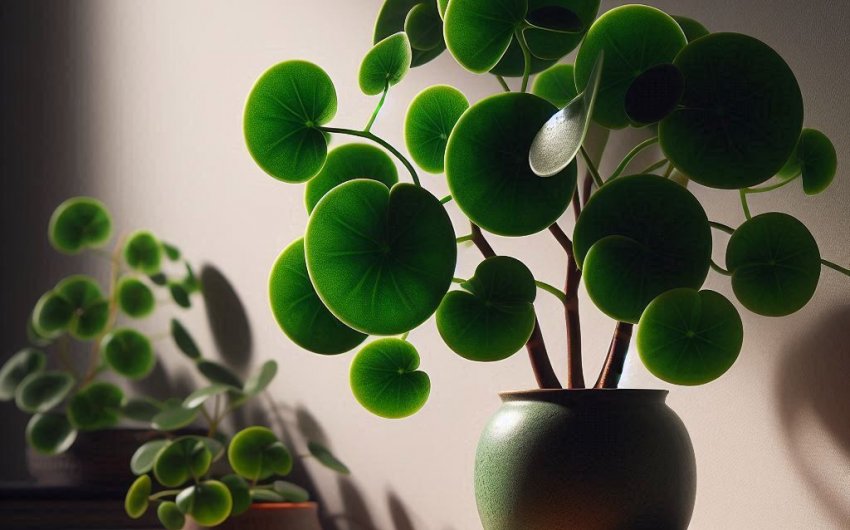
Caring for a Chinese money plant (Pilea peperomioides) involves providing bright, indirect light, consistent but moderate watering, and a well-draining soil mix. These charming plants are relatively low-maintenance, making them excellent choices for both beginner and experienced plant enthusiasts.
What is a Chinese Money Plant and Why Is It So Popular?
The Chinese money plant, officially known as Pilea peperomioides, is a delightful evergreen perennial belonging to the nettle family (Urticaceae). It originates from the Yunnan and Sichuan provinces of southern China, where it grows in shady, moist areas on rocky slopes. What makes it instantly recognizable, and the source of its popular name, are its distinctive round, flat, coin-shaped leaves that emerge on long, slender petioles (leaf stalks) from a central stem. These unique leaves give it a playful, modern aesthetic that has made it a favorite in interior design, often lauded for bringing good fortune and prosperity – hence the "money plant" moniker. Its compact size and relatively easy-going nature also contribute to its widespread appeal, making it a perfect fit for shelves, desks, and windowsills in homes around the globe. Beyond its looks, the Pilea is also famously easy to propagate, allowing enthusiasts to share "pups" (baby plants) with friends and family, further cementing its popularity in the plant community.
How Much Light Does a Chinese Money Plant Need?
The right amount of light is crucial for your Chinese money plant to thrive. These plants prefer bright, indirect light. In their natural habitat, they grow under the canopy of larger vegetation, receiving filtered sunlight. This means they appreciate a spot near a window, but not directly exposed to harsh, unfiltered sunbeams.
- Ideal Placement: An east-facing window is often perfect, offering gentle morning sun. A north-facing window can also work if the light is consistently bright. If you have south or west-facing windows, place your Pilea a few feet away, or use sheer curtains to diffuse the intense afternoon sun.
- Signs of Too Much Light: If the leaves start to look bleached, yellow, or develop crispy, brown spots, it's likely getting too much direct sunlight.
- Signs of Too Little Light: Conversely, if your plant is stretching, developing smaller leaves, or the petioles are growing unusually long (indicating it's "reaching" for light), it's probably not getting enough. Its characteristic round leaves might also become flatter.
- Rotation: Regularly rotating your plant (every few days or once a week) will help ensure even growth and prevent it from leaning heavily towards the light source, resulting in a more symmetrical shape.
What is the Best Watering Schedule for a Chinese Money Plant?
Watering a Chinese money plant correctly is key to its health. They prefer to dry out somewhat between waterings but don't like to be left completely dry for extended periods. The biggest mistake plant owners make is overwatering, which can quickly lead to root rot.
To determine when to water:
- Feel the Soil: Stick your finger about 1-2 inches deep into the soil. If it feels dry, it's time to water. If it still feels damp, wait a few more days. You can also use a moisture meter for more accuracy.
- Water Thoroughly: When you do water, water deeply until you see water draining from the bottom of the pot. This ensures the entire root ball is hydrated.
- Empty Excess Water: Always empty any standing water from the saucer within 15-30 minutes. Allowing the pot to sit in water will lead to soggy conditions and inevitably, root rot.
The frequency of watering will vary depending on factors like the temperature and humidity of your home, the season, and the pot size. In warmer months (spring and summer), you might water every 7-10 days. In cooler, dormant months (fall and winter), you'll likely water less frequently, perhaps every 2-3 weeks.
What Kind of Soil and Pot is Best?
The right soil mix and potting material are fundamental for the successful care for a Chinese money plant, primarily to ensure excellent drainage and aeration.
Choosing the Right Soil
Chinese money plants thrive in a well-draining potting mix that doesn't retain too much moisture. A standard houseplant potting mix can work, but it's often beneficial to amend it for better drainage.
An ideal soil mix should contain:
- Good Quality Potting Soil (50-60%): This forms the base and provides essential nutrients.
- Perlite (20-30%): Lightweight and porous, perlite significantly improves drainage and aeration, preventing compaction.
- Coarse Sand or Small Bark Chips (10-20%): Further enhances drainage and mimics their natural rocky habitat.
This blend allows water to pass through freely, reducing the risk of soggy roots while still retaining enough moisture for the plant.
Selecting the Right Pot
- Drainage Holes: This is non-negotiable. Your pot must have drainage holes at the bottom. Without them, water will sit and suffocate the roots, leading to root rot.
- Material:
- Terracotta Pots: Excellent for Chinese money plants. Their porous nature allows excess moisture to evaporate through the sides of the pot, promoting healthier roots and reducing the risk of overwatering.
- Ceramic or Plastic Pots: These retain moisture longer. If using these, be extra careful with your watering schedule and ensure the soil mix is very well-draining.
- Size: Choose a pot that is only slightly larger (about 1-2 inches in diameter) than the current root ball. Pilea peperomioides actually prefer to be slightly root-bound. A pot that's too large will hold too much excess soil and, consequently, too much moisture, increasing the risk of root rot.
How Important is Humidity for Chinese Money Plants?
Coming from humid, mountainous regions, Chinese money plants appreciate moderate to high humidity levels. While they can tolerate average household humidity, prolonged periods of very dry air can cause stress, leading to crispy leaf edges or a dull appearance.
- Signs of Low Humidity: Crispy leaf edges, especially on newer growth, or a general lack of vibrancy.
- Ideal Humidity: Aim for humidity levels between 50-70%.
To increase humidity around your plant:
- Pebble Tray: Place a tray filled with pebbles and water beneath the plant's pot. Ensure the bottom of the pot is not sitting directly in the water. As the water evaporates, it creates a localized humid microclimate around the plant.
- Humidifier: For more consistent and significant humidity boosts, especially in dry climates or during winter heating, a room humidifier is the most effective solution.
- Grouping Plants: Grouping your Chinese money plant with other houseplants can naturally increase local humidity, as plants release moisture into the air through transpiration.
- Misting: While a popular practice, misting provides only a very temporary rise in humidity. For Chinese money plants, it's generally not sufficient on its own, and frequent misting can sometimes encourage fungal issues on the leaves if airflow is poor. If you do mist, ensure good air circulation.
Do Chinese Money Plants Need Fertilizer?
Yes, Chinese money plants benefit from regular fertilization during their active growing season. Providing nutrients helps promote vigorous growth, healthy foliage, and a robust root system.
- When to Fertilize: Fertilize during the spring and summer months (typically April through September in the Northern Hemisphere) when the plant is actively producing new leaves and growing. Reduce or stop fertilizing entirely during the fall and winter when growth naturally slows down.
- Type of Fertilizer: Use a balanced liquid houseplant fertilizer. An NPK (Nitrogen-Phosphorus-Potassium) ratio of 5-10-5 or similar, or a general all-purpose houseplant fertilizer, is suitable. Look for a balanced liquid houseplant fertilizer.
- Dilution: It's always safer to dilute the fertilizer to half or even quarter strength of what the package recommends. Over-fertilizing can lead to nutrient burn, which manifests as crispy, brown leaf tips or edges, and can damage the roots.
- Application: Always apply fertilizer to moist soil. Never fertilize a plant that is completely dry, as this can shock the roots and cause damage. Water your plant first, then apply the diluted fertilizer.
- Frequency: Fertilize every 2-4 weeks during the growing season.
How Do I Prune a Chinese Money Plant?
Pruning a Chinese money plant is generally not about drastic cuts, but rather about maintaining its shape, encouraging bushier growth, and removing yellowing or damaged leaves. These plants naturally grow upwards, but careful pruning can encourage side shoots and a fuller appearance.
When and How to Prune
- Remove Yellow or Damaged Leaves: As your plant grows, older, lower leaves may naturally yellow and eventually drop. Simply pinch or snip these off close to the main stem using clean pruning shears. This directs the plant's energy to healthy new growth.
- Encourage Bushiness: If your plant is becoming too tall and leggy, or if you want it to produce more "pups" (offsets), you can top it. This involves cutting off the very top of the main stem, just above a leaf node. This encourages the plant to branch out from the nodes below the cut and can also stimulate the production of more pups from the base. The best time to do this is during the active growing season (spring/summer).
- Propagate Pups: Chinese money plants are famous for producing small "pups" or offsets that emerge from the soil around the base of the mother plant. These are essentially baby plants.
- When to Separate: Wait until the pups are at least 2-4 inches tall and have a few healthy leaves.
- How to Separate: Gently dig around the base of the pup to locate its roots, which are usually connected to the mother plant's root system by a rhizome (underground stem). Use a clean, sharp knife or your fingers to carefully sever the connection. Try to keep as many roots intact with the pup as possible.
- Potting Pups: Plant the separated pup in its own small pot with well-draining soil. Water lightly and place it in bright, indirect light. Treat it like a mature plant, but be extra gentle as it establishes its root system.
How to Repot a Chinese Money Plant?
Repotting your Chinese money plant is necessary when it outgrows its current container, typically every 1-2 years. Signs that it's time to repot include roots growing out of the drainage holes, the plant drying out much faster than usual, or stunted growth.
Steps for Repotting
- Choose the Right Pot: Select a new pot that is only 1-2 inches larger in diameter than the current one. Remember, Pilea prefer to be slightly root-bound. Ensure the new pot has drainage holes.
- Prepare Soil: Have your fresh, well-draining potting mix ready.
- Remove the Plant: Gently tip the plant on its side and carefully slide it out of its old pot. If it's stuck, you can try gently squeezing the sides of a plastic pot or running a knife around the inside rim of a terracotta pot.
- Inspect Roots: Gently loosen any circling or matted roots at the bottom of the root ball. Trim away any dead, mushy, or discolored (black) roots, which could indicate root rot.
- Add Fresh Soil: Place a layer of fresh potting mix at the bottom of the new pot.
- Position the Plant: Center the Chinese money plant in the new pot. The top of the root ball should be at the same level relative to the new pot's rim as it was in the old one, leaving about an inch of space between the soil surface and the rim for watering.
- Fill with Soil: Backfill around the root ball with fresh potting mix, gently tamping it down to remove large air pockets. Avoid compacting the soil too much.
- Water Thoroughly: Water the newly repotted plant thoroughly until water drains from the bottom. This helps settle the soil around the roots.
- Post-Repotting Care: Place your repotted Chinese money plant back in its usual spot. It might experience a small amount of "shock" (temporary wilting or a dropped leaf or two), but it should recover quickly. Avoid fertilizing for at least 4-6 weeks after repotting to allow the roots to settle into their new environment.
What Are Common Chinese Money Plant Problems and How Do I Fix Them?
While relatively easy to care for, Chinese money plants can still encounter issues. Understanding the signs of distress and their causes is key to keeping your plant healthy.
Leaves Curling Inward (Like a Taco)
- Cause: This is often a sign of underwatering. The plant is trying to conserve moisture. It can also be caused by extremely low humidity.
- Fix: Check soil moisture. If dry, water thoroughly. Increase humidity if needed.
Leaves Drooping or Wilting
- Cause: Can be due to either underwatering (leaves limp and soft, soil bone dry) or overwatering (leaves limp but mushy, soil very wet, often with yellowing).
- Fix:
- Underwatering: Water immediately and thoroughly.
- Overwatering: Stop watering immediately. Allow the soil to dry out. If severe, consider repotting into fresh, dry soil and checking for root rot.
Yellowing Leaves
- Cause:
- Overwatering: The most common cause, especially on lower leaves. Often accompanied by black spots or mushy stems/roots.
- Nutrient Deficiency: If coupled with stunted growth and you haven't fertilized, it could be a nutrient issue.
- Lack of Light: Overall yellowing with leggy growth.
- Natural Aging: Older, lower leaves naturally yellow and drop.
- Fix:
- Overwatering: Adjust watering frequency. Ensure excellent drainage.
- Nutrient Deficiency: Begin a balanced fertilization routine during the growing season.
- Lack of Light: Move to a brighter location with indirect light.
- Natural Aging: No fix needed; simply remove the yellow leaf.
Brown Spots or Crispy Edges
- Cause:
- Too Much Direct Sun: Brown, crispy spots or bleached patches.
- Underwatering: Crispy, dry edges or tips, often accompanied by curling.
- Low Humidity: Crispy edges, especially on newer leaves.
- Fix:
- Sunburn: Move to a spot with bright, indirect light.
- Underwatering: Adjust watering schedule.
- Low Humidity: Increase humidity with a pebble tray or humidifier.
Stunted Growth or Small Leaves
- Cause:
- Insufficient Light: Not enough energy for robust growth.
- Lack of Nutrients: During the growing season, if not fertilized.
- Root-bound: Plant has completely filled its pot with roots and has no room to grow.
- Fix:
- Light: Move to a brighter spot.
- Nutrients: Fertilize regularly during the growing season.
- Repotting: Repot into a slightly larger pot if root-bound.
Pests
Chinese money plants are generally not heavily prone to pests, but they can occasionally get them.
- Aphids: Small, green, or black insects clustered on new growth or undersides of leaves.
- Mealybugs: White, cottony masses in leaf axils or on stems.
- Spider Mites: Tiny, barely visible mites causing speckling and fine webbing, especially on leaf undersides.
- Fungus Gnats: Small, black flying insects hovering around the soil surface, indicating consistently moist soil.
Fix:
- Isolate: Isolate the affected plant immediately to prevent spread.
- Wipe Leaves: For light infestations, wipe pests away with a damp cloth or a cotton swab dipped in rubbing alcohol.
- Insecticidal Soap: Apply an organic insecticidal soap spray specifically for houseplants. Follow product instructions.
- Neem Oil: A natural pesticide, neem oil spray can be effective.
- Fungus Gnats: Allow the topsoil to dry out thoroughly between waterings. Yellow sticky traps can also help catch adults.
How to Get My Chinese Money Plant to Produce Pups?
One of the most exciting aspects of Chinese money plant care is their prolific ability to produce "pups" or offsets, which are essentially baby plants growing from the mother plant's root system. This allows you to easily expand your collection or share with friends.
While they often produce pups naturally, especially when healthy and happy, you can encourage them:
- Provide Optimal Care: A well-cared-for plant with consistent light, proper watering, and regular fertilization during the growing season is more likely to be vigorous enough to produce offsets.
- Slightly Root-Bound Conditions: Pilea actually tend to produce more pups when they are slightly root-bound. If your plant is in a pot that's too large, it will focus energy on root development first, rather than pup production. Don't repot too frequently.
- Bottom Heat: Providing gentle bottom heat (e.g., using a seedling heat mat set to a low temperature) can sometimes encourage root activity and pup development.
- Pruning the Main Stem (Topping): As mentioned in the pruning section, cutting the top of the main stem can encourage not only branching but also the plant to put energy into developing pups from its base. This is because the plant's apical dominance (where the main stem inhibits side growth) is removed.
Once pups appear, let them grow to a size of at least 2-4 inches tall with their own established leaves before attempting to separate them. This gives them the best chance of survival.
The Importance of Cleaning Chinese Money Plant Leaves
Keeping the leaves of your Chinese money plant clean is a simple yet often overlooked part of its care. Dust accumulation on the surface of the leaves can hinder the plant's ability to perform photosynthesis effectively, reducing its growth and overall vigor.
Why and How to Clean Leaves
- Improved Photosynthesis: Clean leaves can absorb more sunlight, leading to more efficient photosynthesis.
- Pest Detection: Regularly wiping leaves allows you to inspect for early signs of pests, making them easier to manage.
- Aesthetics: Clean leaves simply look better, enhancing the plant's visual appeal.
Method:
- Gentle Wipe: Use a soft, damp cloth (microfiber works well) to gently wipe down the top and bottom surfaces of each leaf.
- Frequency: Do this every few weeks, or whenever you notice a visible layer of dust.
- Support: As the leaves are connected by slender petioles, gently support the leaf with one hand while wiping with the other to avoid snapping them.
- Avoid Shine Products: Do not use commercial leaf shine products, as they can clog the leaf's pores (stomata) and interfere with its natural processes.
Understanding Chinese Money Plant Growth Habits
The unique growth habit of the Chinese money plant is one of its most charming features. Understanding this can help you better manage its care and appreciate its development.
- Upright Growth with Pups: The main stem typically grows upright, producing leaves radially around it. As the plant matures and establishes, it will send out rhizomes (underground stems) that produce small "pups" that emerge from the soil around the base of the mother plant. This natural propagation method is why they are often shared among plant enthusiasts.
- Leaf Rotation/Dropping: Older leaves, usually at the bottom of the stem, will naturally yellow and drop over time. This is normal. You'll also notice the plant's leaves facing the light source. Regular rotation helps keep the plant symmetrical.
- "Coin" Shape Development: While young leaves may be slightly cupped, healthy, mature leaves develop that distinctive flat, round "coin" shape when the plant is receiving adequate light. Leaves that remain cupped or are unusually small might indicate insufficient light.
By observing these growth habits, you can often deduce what your plant needs, whether it's more light, a good drink, or simply the time to prune off an aging leaf. Providing proper and consistent care for a Chinese money plant will result in a healthy, thriving specimen that continually offers new "coins" for your collection.