
How to Choose Durable Garden Fencing Tools?
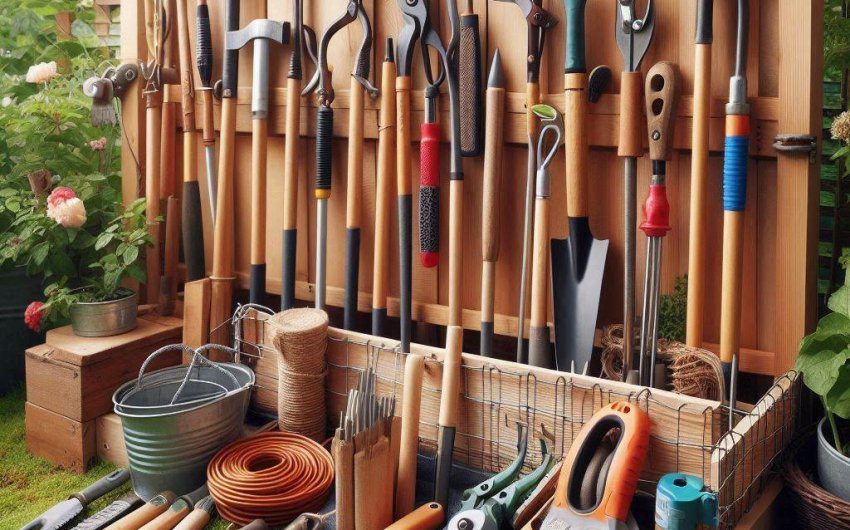
Building or repairing a garden fence can be a big job. Whether you're putting up a small decorative border, protecting your vegetables from hungry animals, or creating a sturdy privacy barrier, having the right tools makes all the difference. When it comes to garden fencing tools, durability is key. You want tools that can withstand tough conditions, repeated use, and the elements without breaking down. Investing in durable fencing tools will save you time, frustration, and money in the long run. Let's explore how to choose the best ones for your outdoor projects.
What Are the Essential Tools for Garden Fencing?
Before we talk about durability, let's identify the core tools you'll need for most garden fencing projects. These are the workhorses that will do the heavy lifting.
Why is a Post Hole Digger Indispensable?
A post hole digger is one of the most important tools for installing any type of fence that uses posts. It helps you dig deep, narrow holes quickly and efficiently for your fence posts.
- Efficiency: Much faster and less labor-intensive than using a shovel for deep, narrow holes.
- Precision: Creates uniform holes that are the right size for your posts, ensuring a snug fit.
- Stability: Properly dug holes are crucial for the stability and longevity of your fence.
Types of Post Hole Diggers:
- Manual Post Hole Digger: This is the most common type for homeowners. It looks like two shovels hinged together. You push them into the ground, then pull the handles apart to extract the dirt.
- Durability Factors: Look for blades made of heavy-gauge steel (tempered or heat-treated for extra strength). The handles should be strong fiberglass or hardwood that won't flex or break. The rivets or bolts connecting the blades to the handles should be sturdy. A solid fiberglass handle post hole digger offers excellent durability.
- Power Augers: For large projects with many posts or very hard soil, a power auger (gas-powered or electric) can save immense effort.
- Durability Factors: Look for a robust engine, strong auger bits made of hardened steel, and a sturdy frame. These are often rental items for DIYers due to cost.
When choosing a manual post hole digger, hold it. It should feel solid and not flimsy. The cutting edges should be sharp and thick enough not to bend.
Why Are Post Pounders or Drivers Crucial?
Once you've dug your post holes, or if you're installing smaller stakes directly into the ground, a post pounder (also called a post driver) is essential.
- Driving Posts: It helps drive fence posts into the ground quickly and safely, without damaging the top of the post.
- Safety: Using a pounder is much safer than hitting posts with a sledgehammer, as it provides a contained striking surface.
- Efficiency: Makes driving posts a straightforward process.
Types of Post Pounders:
- Manual Post Pounder: This is a heavy, hollow tube with handles. You place it over the top of the post and lift and drop it to drive the post into the ground.
- Durability Factors: Should be made of heavy-gauge steel to withstand repeated impacts. The handles should be welded securely to the tube. The thicker the steel wall, the more durable it will be. Look for a heavy duty manual post driver for longevity.
- Gas-Powered Post Drivers: For very large projects, gas-powered drivers offer immense power and speed, but are a significant investment or rental item.
For manual pounders, check the thickness of the steel. A thin-walled pounder will dent and deform quickly.
What Role Do Wire Cutters and Pliers Play?
If your garden fence involves any type of wire (like chicken wire, welded wire, or even string for trellis fences), wire cutters and pliers are absolutely necessary.
- Cutting Wire: Cleanly cut through various gauges of wire.
- Bending and Shaping Wire: Use pliers to bend, twist, and shape wire for attachments or repairs.
- Staple/Clip Installation/Removal: Some pliers are designed to help install or remove staples or clips that hold wire to posts.
Types of Wire Cutters/Pliers:
- Lineman's Pliers: Very versatile, with strong jaws for gripping, pulling, and cutting. A solid pair of lineman's pliers is a multi-purpose tool.
- Durability Factors: Look for high-carbon steel construction, hardened cutting edges (often induction-hardened), and comfortable, non-slip grips. The pivot point should be tight with no wobble.
- Fencing Pliers: Specialty pliers designed specifically for fencing work. They often have multiple functions: a hammer face, a gripping jaw, and various wire cutters.
- Durability Factors: Heavy-duty, forged steel construction. The cutting edges should be sharp and resist nicking.
- Bolt Cutters: For thicker gauge wire or chain link, small bolt cutters may be needed.
- Durability Factors: Hardened steel jaws, strong handles.
Avoid cheap, flimsy wire cutters; they will dull quickly and struggle with thicker wires. Quality tools will make clean cuts and last for years.
Why Do You Need a Level and Measuring Tape?
These aren't cutting or digging tools, but they are critical for ensuring your fence is straight, even, and professionally installed.
- Level: Ensures your fence posts are perfectly vertical and that horizontal rails or panels are straight. A crooked fence looks bad and can be less stable.
- Durability Factors: Look for a sturdy aluminum frame for a level. Vials should be clearly visible and accurate. Magnetic edges are a bonus for metal posts. A standard 24-inch spirit level is sufficient for most jobs.
- Measuring Tape: Essential for accurately marking out post spacing, fence length, and panel dimensions.
- Durability Factors: A steel blade is a must. Look for a strong spring return, clear markings, and a durable case (often rubberized to withstand drops). A tape measure with a strong, wide blade that can extend far without kinking is best.
These seemingly simple tools prevent costly mistakes and result in a much better-looking fence.
What Materials and Features Make Tools Durable?
When you're choosing garden fencing tools, specific materials and design features tell you a lot about their durability and how long they'll last.
What Types of Steel are Best for Tool Durability?
The type of steel used is paramount for tool durability, especially for cutting, digging, and striking tools.
- High-Carbon Steel: This is generally preferred for cutting edges (shovels, spades, cutters, axe blades). It can be hardened to hold a sharp edge well and resist wear.
- Features to look for: "Forged" (hammered into shape, which strengthens the metal), "heat-treated," or "tempered" steel indicates that the steel has undergone processes to increase its strength and toughness.
- Alloy Steel: This is steel mixed with other elements (like chromium, vanadium, molybdenum) to improve specific properties such as strength, hardness, and corrosion resistance. Many high-quality pliers and digging tools use alloy steel.
- Stainless Steel (for certain applications): While generally not as hard as high-carbon steel for cutting edges, stainless steel offers excellent rust resistance. It's good for parts that need to resist corrosion, like small components or some hand tools that might be left out in the elements. However, for a digging edge or a cutting blade that needs to stay sharp, high-carbon or alloy steel is usually better.
- Avoid Mild Steel: Cheap tools are often made from mild steel. This steel is soft, bends easily, dulls quickly, and rusts readily. It's okay for light-duty tasks, but not for rigorous fencing work.
When shopping, if a tool's material isn't specified, it's often a red flag. Quality manufacturers will proudly state their steel type.
How Do Handle Materials Affect Tool Longevity?
A durable tool isn't just about the head; the handle is just as important, especially for leverage and impact.
- Fiberglass:
- Benefits: Extremely strong, resists breaking, rotting, and warping. Excellent for absorbing shock and vibration, making it more comfortable for repetitive tasks like digging or hammering. Impervious to moisture.
- Ideal for: Post hole diggers, shovels, post pounders, hammers. A fiberglass handle shovel is a workhorse.
- Hardwood (Ash, Hickory):
- Benefits: Traditional, strong, and offers a natural feel. Can be very durable if properly cared for.
- Ideal for: Shovels, axes, rakes.
- Considerations: Can crack, split, or rot if exposed to moisture and not stored properly. Ensure the grain runs straight along the handle for maximum strength.
- Steel/Metal:
- Benefits: Extremely strong and rigid. Often used for short handles on pliers or some specialty tools. Can be covered with rubber or plastic grips for comfort.
- Considerations: Can transfer more vibration to your hands, and can be cold to the touch in winter.
Avoid plastic handles or very thin, weak wooden handles for heavy-duty fencing tools. They are prone to snapping under stress. The connection between the head and the handle is also crucial – look for strong rivets, bolts, or a solid forged connection.
Why are Rivets, Welds, and Connections Important?
Even if the individual parts are durable, a tool is only as strong as its weakest link. The way different parts of a tool are connected greatly impacts its overall durability.
- Rivets: Used to join pieces of metal, like the blades to the handles on a post hole digger.
- Durability Factors: Look for large, solid rivets. Avoid flimsy or loose rivets that suggest a weak connection.
- Welds: Used to permanently join metal components, such as the handles to the body of a post pounder, or the head to the shaft of a shovel.
- Durability Factors: Welds should be clean, consistent, and full. Avoid "tack welds" (small, weak welds) or jagged, incomplete welds. A smooth, strong weld indicates quality craftsmanship.
- Forged Connections: This is a superior method where the head and handle (or part of the handle) are formed from a single piece of metal.
- Benefits: Eliminates weak points where parts might separate. This is common in high-quality hammers or some digging tools.
- Bolted Connections: Used in some assembled tools.
- Durability Factors: Ensure bolts are heavy-duty and securely fastened.
- Through-Tang Design: For some hand tools like shovels or spades, a "through-tang" design (where the steel of the blade extends all the way through the handle and is often capped or riveted at the end) offers superior strength compared to a short tang inserted into the handle.
Shake and twist the tool gently. If you feel any wobble or looseness at the connection points, it's a sign of poor construction and will likely fail under heavy use.
How Do Specific Features Enhance Tool Durability?
Beyond basic materials, certain design elements and coatings can significantly boost the durability and performance of your fencing tools.
What Makes Shovels and Spades Durable for Digging?
A good shovel or spade is fundamental for clearing, digging, and backfilling when installing a fence.
- Blade Material: As discussed, high-carbon steel or tempered steel is crucial. It holds an edge and resists bending. A forged steel digging shovel offers superior strength.
- Blade Thickness: A thicker blade will resist bending and warping better than a thin one.
- Rolled Step: A rolled or reinforced top edge on the blade (where you step on it with your foot) prevents your boot from slipping and makes it more comfortable and safer to apply pressure. It also prevents the blade from deforming from foot pressure.
- Strong Connection to Handle: Look for a strong socket or ferrule where the blade attaches to the handle. A longer socket provides more support. Welded or forged connections are ideal.
- Handle Material: Fiberglass or strong hardwood (like ash or hickory) are best.
- Powder-Coated Finish: A powder-coated finish on the metal parts helps prevent rust and corrosion, extending the tool's life.
A well-made shovel should feel balanced and solid in your hands, ready to tackle tough soil.
Why are Rust Resistance and Coatings Important?
Fencing tools are used outdoors and often encounter moisture, mud, and dirt. Rust is the enemy of metal tools, so rust resistance is a key aspect of durability.
- Powder Coating: This is a very durable and effective finish. It's a dry powder that's applied and then baked on, creating a thick, hard coating that resists chipping, scratching, and corrosion. Many quality metal tools (shovels, rakes, post drivers) come with a powder-coated finish.
- Chrome Plating: Often found on pliers and wrenches, chrome plating provides a hard, corrosion-resistant surface.
- Black Oxide Finish: A thin, dark finish on steel tools that provides some corrosion resistance and reduces glare. Common on wrenches and sockets.
- Stainless Steel (inherently rust-resistant): While less common for the main working parts of heavy-duty digging tools (due to cost and often being slightly softer than hardened carbon steel), stainless steel is inherently rust-resistant, making it good for components that are constantly exposed to moisture.
- Proper Care: Even with rust-resistant coatings, proper tool care is essential. Clean off dirt and moisture after each use, and store tools in a dry place. Occasionally oiling cutting edges can also help. A good tool rust preventative spray offers extra protection.
A tool might look great on day one, but if it quickly rusts, its durability and effectiveness will plummet.
How Does Ergonomics Contribute to Long-Term Tool Use?
While ergonomics directly relate to comfort, they also indirectly contribute to tool durability and the success of your project.
- Reduced Fatigue: Ergonomically designed tools reduce strain on your hands, wrists, and back. Less fatigue means you can work longer and more effectively without getting tired.
- Proper Technique: When a tool feels comfortable and natural to use, you're more likely to use it correctly. Proper technique reduces the risk of damaging the tool (or yourself!) due to improper leverage or force.
- Enhanced Control: Good ergonomics often translates to better control over the tool, leading to more precise work and fewer mistakes.
- Comfortable Grips: Look for handles with comfortable, non-slip grips that fit your hands well. Rubberized grips absorb shock and provide a secure hold, even when wet.
- Balanced Weight: A well-balanced tool feels lighter and is easier to maneuver, especially for repetitive tasks.
While a tool's durability is primarily about its materials and construction, a tool that is comfortable to use is more likely to be used regularly and correctly, indirectly prolonging its life and your satisfaction.
How Do You Maintain and Store Your Fencing Tools for Longevity?
Even the most durable garden fencing tools won't last if they're not properly cared for. Good maintenance and storage practices are essential for extending their lifespan and ensuring they're always ready for your next project.
Why is Cleaning Tools After Each Use Important?
This simple step is perhaps the most important for tool longevity.
- Prevents Rust: Soil, mud, and plant sap contain moisture and chemicals that can accelerate rust and corrosion on metal surfaces. Cleaning immediately removes these corrosive agents.
- Removes Debris: Dirt and debris can get into moving parts (like pivot points on pliers or the blades of a post hole digger), causing friction, wear, and eventually seizing.
- Prevents Disease Spread: If you've been working around diseased plants (e.g., pruning back brush with fungal issues), cleaning your tools with a disinfectant (like rubbing alcohol or a bleach solution) prevents spreading those diseases to other areas of your garden.
- Inspect for Damage: Cleaning is also the perfect time to inspect your tools for any signs of wear, damage, or looseness. Catching issues early can prevent major breakdowns later.
How to clean:
- Remove Caked-on Dirt: Use a stiff brush or old putty knife to scrape off mud and soil. A tough bristle cleaning brush is useful.
- Wash: Rinse with a garden hose or in a bucket of water.
- Dry Thoroughly: This is critical! Use an old towel to dry all metal surfaces completely before storage.
- Oil (Optional but Recommended): For cutting edges or exposed metal (especially on carbon steel), apply a light coat of WD-40, mineral oil, or linseed oil to prevent rust.
How Do You Sharpen and Maintain Cutting Edges?
Sharp cutting edges make work easier, safer, and prolong the life of your tools.
- Sharpen Regularly: Shovels, spades, wire cutters, and any other cutting tools should be sharpened regularly. Dull blades require more force, which puts more strain on both you and the tool, leading to fatigue and potential damage.
- Sharpening Tools:
- File: A flat or half-round file works well for shovels and spades.
- Diamond Sharpening Stone: Great for pliers and other smaller cutting tools.
- Tool Sharpener: Many specialized garden tool sharpeners are available.
- Lubricate Moving Parts: For pliers or any tool with a pivot point, apply a drop of light machine oil or lubricating spray to keep the action smooth.
- Inspect and Tighten: Regularly check bolts and rivets on your tools. Tighten any that have become loose.
A well-maintained cutting edge makes light work of tough tasks.
What are the Best Storage Practices for Fencing Tools?
Proper storage is the final piece of the puzzle for tool longevity.
- Dry Location: Store all metal tools in a dry environment, such as a shed, garage, or tool chest. Humidity is the enemy of metal and will encourage rust.
- Off the Ground: Whenever possible, hang tools on wall hooks or store them in a rack. Keeping them off the ground prevents them from sitting in puddles or dampness.
- Organize: Keep your tools organized. This not only makes them easier to find but also prevents them from getting damaged by being piled on top of each other.
- Protect Blades: For very sharp tools, consider using blade covers or sheaths to protect the edge and for safety.
By implementing these maintenance and storage tips, your durable garden fencing tools will remain in excellent condition, ready for many years of effective use in your outdoor projects.