
How to Encourage Blooms on an Anthurium Plant?
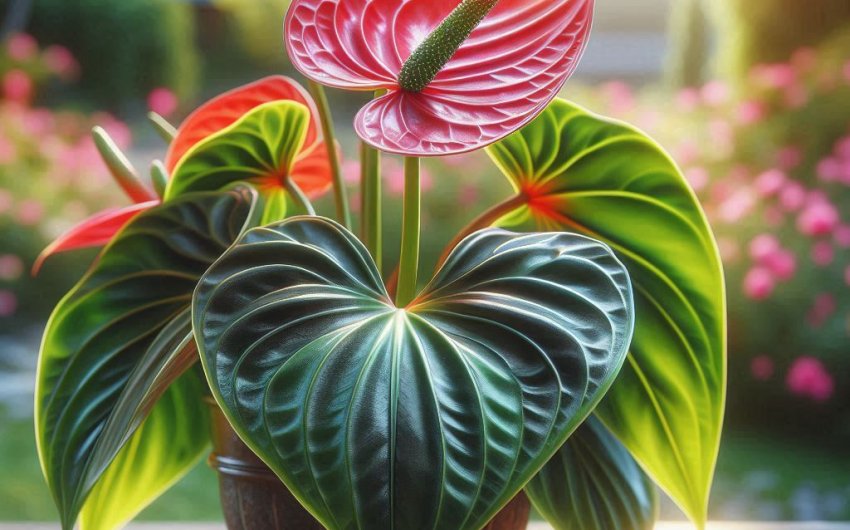
The Anthurium, with its glossy, heart-shaped leaves and vibrant, waxy "flowers" (which are actually modified leaves called spathes), is a stunning addition to any indoor space. Often found gracing tabletops in offices and homes, these tropical beauties are cherished for their ability to bloom almost continuously, adding a pop of exotic color wherever they go. However, sometimes an Anthurium might seem perfectly healthy, producing lush green foliage, but stubbornly refusing to produce those eye-catching blooms. This can be perplexing for plant parents eager to enjoy the full beauty of their plant.
If you're asking yourself, "How to encourage blooms on an Anthurium plant?" you're not alone. The secret to prolific flowering lies in understanding and replicating the specific conditions of their native rainforest habitat. It's not about magic tricks, but about providing consistent, optimal care that signals to the plant it's happy and ready to flower. This guide will delve into the key environmental factors and care practices that will help unlock your Anthurium's blooming potential, turning it into a true showstopper.
Why Is My Anthurium Not Blooming?
When your Anthurium seems otherwise healthy, producing green leaves but no blooms, it's natural to wonder, "Why is my Anthurium not blooming?" The absence of flowers is almost always a signal that one or more of the plant's fundamental needs are not being met precisely, causing it to prioritize foliage growth or simply conserve energy rather than invest in producing its beautiful spathes.
What Are the Common Reasons for Lack of Flowers?
The common reasons for a lack of flowers in an Anthurium often stem from issues related to its environment or basic care:
Insufficient Light: This is arguably the most common reason an Anthurium won't bloom. Anthuriums need bright, indirect light to produce flowers. While they can survive in lower light conditions, they won't have enough energy to bloom. Think of their native habitat in the rainforest understory; they get plenty of bright, filtered light, not deep shade.
- Symptom: Healthy green leaves, but no flower stalks, or very small, pale spathes that don't last long. Leggy growth (stretched stems with widely spaced leaves) can also be a sign of too little light.
- Solution: Move your Anthurium to a brighter location. An ideal spot is near an east-facing window, or a few feet away from a south or west-facing window where the light is bright but never direct and scorching. If natural light is limited, a grow light can provide supplementary light.
Improper Fertilization (Lack or Excess): Like all flowering plants, Anthuriums need the right balance of nutrients to support bloom production.
Advertisement- Lack of Nutrients: If the plant isn't getting enough phosphorus (the "P" in N-P-K), which is crucial for flowering, it won't bloom. Nitrogen (N), while good for leaves, can inhibit flowering if too high relative to P and K.
- Excess Nutrients (Fertilizer Burn): Too much fertilizer can lead to salt buildup in the soil, burning the roots and stressing the plant, which will then focus on survival rather than blooming.
- Symptom: Slow growth, small leaves, general lack of vigor (deficiency) OR crispy leaf edges, white crust on soil, general decline (excess).
- Solution: Fertilize regularly during the active growing season (spring and summer) with a balanced liquid houseplant fertilizer that is higher in phosphorus (e.g., a "bloom booster" formula, or one with an N-P-K like 10-20-10 or 15-30-15). Always dilute to half or quarter strength.
Inconsistent Watering or Poor Drainage: While Anthuriums like consistently moist soil, they are highly susceptible to root rot if the soil stays soggy. Stressed roots cannot support flowering.
- Symptom: Yellowing leaves, mushy stems, wilting (even though soil is wet), lack of new growth.
- Solution: Use a well-draining potting mix and a pot with drainage holes. Allow the top inch or two of soil to dry out between waterings. Water thoroughly until it drains from the bottom.
Lack of Humidity: Anthuriums are tropical plants that thrive in high humidity. Dry indoor air can stress the plant, preventing it from flowering optimally.
- Symptom: Crispy brown leaf edges, slow growth, general lack of vibrancy.
- Solution: Increase ambient humidity around your plant using a humidifier, pebble tray, or by grouping plants.
Age/Maturity: Very young Anthurium plants may need time to mature before they are capable of producing blooms.
- Symptom: The plant is small, and consistently produces only small leaves.
- Solution: Be patient and provide optimal care to encourage rapid growth and maturity.
By systematically troubleshooting these common reasons, you can identify the specific needs of your Anthurium and adjust its care to unlock its beautiful blooming potential.
How Do Light Conditions Impact Anthurium Blooms?
When seeking to understand how to encourage blooms on an Anthurium plant, light conditions are undoubtedly the most critical factor. Anthuriums won't bloom their best, or at all, if they don't receive the correct amount and intensity of light. It's their primary energy source for flowering.
What is the Optimal Light for Prolific Flowering?
The optimal light for prolific flowering in an Anthurium is bright, indirect light. This mimics their natural habitat as understory plants in tropical rainforests, where they receive filtered sunlight through the canopy above.
Here's a breakdown of what that means and why it's important:
"Bright" Light: This means the area is well-lit, but without direct, scorching sun rays hitting the leaves for prolonged periods.
- Ideal Indoor Placement: An east-facing window is often perfect, providing gentle morning sun. A few feet back from a south- or west-facing window is also excellent, especially if you use a sheer curtain to diffuse the intense afternoon light.
- Avoid: North-facing windows typically do not provide enough light for consistent flowering. Direct, unfiltered afternoon sun can actually scorch the leaves, leading to brown, crispy spots and stressing the plant, which will then cease blooming.
"Indirect" Light: This refers to light that has been filtered or reflected, meaning it's bright but not harsh.
- Why it's crucial: Anthurium leaves are not adapted to withstand intense direct sunlight. Their waxy "flowers" (spathes) can also fade or get damaged. Bright, indirect light provides ample energy for photosynthesis without causing stress or burn.
Signs that your Anthurium isn't getting enough light (and why it's not blooming):
- Healthy green leaves, but no flowers: The plant is surviving, but not thriving enough to bloom.
- New leaves are smaller than older ones: This indicates the plant is struggling to produce enough energy.
- Lack of vibrant color in the spathes: If the existing spathes are pale or dull, it can be a sign of insufficient light.
- Stretched or "leggy" growth: The plant's stems are elongated with widely spaced leaves as it reaches for more light.
How to provide optimal light:
- Relocate: If your Anthurium is currently in a dim corner, move it closer to a bright window.
- Observe: Watch how the light changes throughout the day. Is the sun directly hitting the plant? If so, move it back slightly or add a sheer curtain.
- Supplemental Grow Lights: If your home lacks sufficient natural light, a grow light is an excellent solution. A full-spectrum LED grow light, placed within 1-2 feet of the plant and run for 10-12 hours a day, can provide the necessary intensity. Consider a GE Grow Light LED Bulb for focused light.
By providing consistent, bright, indirect light, you give your Anthurium the energy it needs to produce those vibrant, long-lasting spathes, truly unlocking its blooming potential.
How Does Watering Affect Anthurium Blooms?
Just like light, watering is a critical factor that directly affects an Anthurium's ability to bloom. While they are tropical plants that appreciate moisture, they are highly susceptible to root rot if overwatered. Getting the watering balance right is essential for a healthy root system, which is the foundation for prolific flowering.
What Is the Perfect Balance of Moisture and Drainage?
Achieving the perfect balance of moisture and drainage is key to keeping your Anthurium happy and blooming.
The "Drench and Dry" Method (with a nuance):
- How-to: Allow the top 1-2 inches of soil to dry out completely between waterings. Use your finger to check the moisture level. If it feels moist, wait.
- Then Drench: When the soil is dry at that depth, water thoroughly until water flows out of the drainage holes at the bottom of the pot. This ensures the entire root ball is saturated.
- Why it works: This method ensures the roots get adequate moisture while also having a brief period of air exposure, preventing the oxygen deprivation that leads to root rot.
- Nuance: For Anthuriums, "dry out completely" doesn't mean bone dry for extended periods. They don't like to wilt from thirst. The goal is consistent, even moisture, but with that crucial brief drying period.
Proper Drainage is Non-Negotiable:
- Pots with Drainage Holes: Your pot must have drainage holes. If water accumulates in the decorative saucer, empty it promptly (within 15-30 minutes). Never let your Anthurium sit in standing water.
- Well-Draining Potting Mix: This goes hand-in-hand with watering. Anthuriums are epiphytic or hemi-epiphytic in nature (meaning they often grow on other plants, not directly in dense soil, or they have aerial roots), so they need an airy, fast-draining mix.
- Ideal Mix: A blend similar to an orchid mix or an aroid mix. Think 50% good quality potting mix (peat or coco coir based) combined with 25% perlite or pumice (for aeration) and 25% orchid bark or coarse coco chips (for chunkiness and quick drainage). A mix like FoxFarm Ocean Forest Potting Soil can be a base but will often need more aeration components added.
- Why it matters: This mix prevents compaction and ensures that even when watered thoroughly, excess moisture drains quickly, allowing air to penetrate to the roots.
Signs of Watering Problems (Impacting Blooms):
- Overwatering:
- Yellowing leaves (often older, lower ones), mushy stems, wilting despite wet soil. Flowers may turn brown or black. This is the biggest cause of non-blooming.
- Underwatering:
- Crispy, brown leaf edges or tips, overall wilting that feels dry to the touch, slowed growth. Flowers may fail to develop or be very small.
Adjusting for Seasons and Environment:
- Active Growth (Spring/Summer): Anthuriums will need more frequent watering as they are actively growing and blooming.
- Dormancy/Slower Growth (Fall/Winter): Water less frequently as the plant's growth slows down. Always check the soil.
- Humidity/Temperature/Light: Adjust watering frequency based on these factors. Higher light and warmer temperatures mean faster drying. Higher humidity means slower drying.
By perfecting your watering technique and using the right soil and pot, you create a stable, healthy root environment that supports vigorous growth and, critically, the energy investment required for continuous Anthurium blooms.
How Do Nutrients and Fertilization Affect Blooming?
Beyond light and water, nutrients and fertilization play a crucial role in encouraging your Anthurium to produce those beautiful blooms. A plant needs specific building blocks in the right proportions to not only survive but to thrive and flower consistently. Imbalances can directly inhibit bloom production.
What Are the Best Feeding Practices for Flower Production?
The best feeding practices for flower production in Anthuriums involve using the right type of fertilizer, at the right strength, and with the correct frequency.
Choose the Right Type of Fertilizer:
- Focus on Phosphorus (P): For flowering plants, phosphorus is the key nutrient for bloom production. When you look at fertilizer labels, you'll see three numbers (N-P-K), representing Nitrogen, Phosphorus, and Potassium. You want a fertilizer with a higher middle number (P).
- Balanced or Bloom Booster: While a general balanced houseplant fertilizer (like 20-20-20) can work, a "bloom booster" formula with a higher phosphorus content (e.g., 10-20-10 or 15-30-15) is often ideal for encouraging flowers.
- Example: A liquid plant food specifically designed for flowering plants, such as Schultz Bloom Plus, can be beneficial.
Dilution and Strength:
- Always Dilute: Anthuriums can be sensitive to fertilizer burn (salt buildup), which manifests as crispy leaf edges or tips. It's always safer to dilute liquid fertilizers to half or even quarter strength of what the package recommends. It's better to under-fertilize slightly than to over-fertilize.
- Why it matters: Over-fertilization can lead to root damage, nutrient lockout (where the plant can't absorb nutrients even if they are present), and ultimately stress the plant to the point where it stops blooming or even dies.
Fertilization Frequency (Seasonality):
- Active Growing Season (Spring and Summer): This is when your Anthurium is actively growing new leaves and producing flowers. Fertilize regularly, typically every 2-4 weeks, during these warmer months.
- Dormant Season (Fall and Winter): As light levels drop and temperatures cool (even indoors), the plant's growth slows down significantly. Reduce or stop fertilizing entirely during these months. Fertilizing a dormant plant can lead to salt buildup and root damage.
Flushing the Soil:
- Why it matters: Even with proper dilution, mineral salts can accumulate in the soil over time. This salt buildup can harm roots and affect nutrient uptake.
- How-to: Every few months, or if you notice a white crust on the soil surface, give your plant a thorough flush. Place the pot in a sink or tub and slowly pour a large volume of plain, lukewarm water through the soil (at least 2-3 times the volume of the pot) to wash away excess salts. Let it drain completely.
Signs of Nutrient Imbalance Affecting Blooms:
- Lack of Nutrients: Slow growth, small leaves, general pale green color, very few or no flowers.
- Excess Nitrogen (too much N, not enough P/K): Lush, dark green leaves, but no blooms. The plant is focusing all its energy on vegetative growth.
- Fertilizer Burn: Brown, crispy leaf edges/tips, overall yellowing, stunted growth despite watering, white crust on soil.
By carefully managing your Anthurium's nutrient intake, providing the right balance of fertilizers during its active growth period, and avoiding over-fertilization, you provide the essential building blocks for consistent and vibrant bloom production.
How Do Humidity and Temperature Affect Anthurium Blooms?
Beyond light, water, and nutrients, the atmospheric conditions of your home, specifically humidity and temperature, play a significant role in encouraging your Anthurium to bloom. These tropical plants are accustomed to very specific environmental cues in their native rainforest habitats, and replicating these indoors is crucial for consistent flowering.
What Are the Ideal Environmental Conditions for Flowering?
The ideal environmental conditions for flowering Anthuriums are warm, consistent temperatures and high humidity, mirroring their natural tropical environment.
Humidity (The "Rainforest" Effect):
- Impact: Anthuriums thrive in high humidity, ideally between (60\%-80\%). In their natural habitat, they absorb moisture not only through their roots but also directly from the humid air through their leaves and aerial roots. Low humidity (common in most heated or air-conditioned homes) stresses the plant, leading to stunted growth, crispy leaf edges, and a reluctance to produce energy-intensive blooms.
- Signs of Low Humidity: Crispy, brown leaf tips and edges; slow or stunted growth; new leaves struggling to unfurl completely; dull appearance.
- Solution:
- Humidifier: The most effective way to increase ambient humidity is to use a room humidifier near your plant. A small tabletop unit can make a big difference.
- Pebble Tray: Place the pot on a tray filled with pebbles and water, ensuring the bottom of the pot doesn't sit directly in the water. As the water evaporates, it increases humidity around the plant.
- Grouping Plants: Grouping several plants together can create a localized microclimate with higher humidity as they collectively release moisture.
- Bathroom Placement: If your bathroom has adequate light, it can be an excellent spot for an Anthurium due to the natural humidity from showers. A humidifier like the LEVOIT Humidifier for Bedroom can be great for larger rooms.
Temperature (Consistent Warmth):
- Impact: Anthuriums prefer warm, stable temperatures, typically between (18^\circ \text{C}) and (29^\circ \text{C}) ((65^\circ \text{F}) and (85^\circ \text{F})). Consistent temperatures within this range promote active growth and flowering. Sudden drops in temperature, prolonged cold, or exposure to cold drafts can shock the plant and halt bloom production.
- Signs of Temperature Stress: Yellowing and dropping leaves (especially lower ones) in response to cold shock; stunted growth; overall unhealthy appearance.
- Solution:
- Stable Location: Place your Anthurium away from drafty windows, external doors, and heating or air conditioning vents that cause rapid temperature fluctuations.
- Winter Care: In winter, ensure your home doesn't get too cold, especially at night. If necessary, move the plant away from cold window panes.
By meticulously managing both humidity and temperature to replicate its preferred tropical environment, you signal to your Anthurium that conditions are optimal, encouraging it to channel its energy into consistent and vibrant bloom production.
How Do Repotting and Pruning Affect Anthurium Blooms?
Beyond the daily care factors, specific cultural practices like repotting and pruning also play a significant role in an Anthurium's overall health and its ability to produce consistent blooms. Incorrectly timing these activities or neglecting them can put stress on the plant, causing it to withhold its flowers.
What Are the Best Practices for Promoting Healthy Growth and Flowering?
The best practices for promoting healthy growth and flowering in an Anthurium involve understanding when and how to repot and prune strategically.
1. Repotting (Root Health and Space):
- When to Repot: Anthuriums generally prefer to be a little bit root-bound, so they don't need frequent repotting. Only repot when you see clear signs that the plant has outgrown its container:
- Roots are circling densely at the bottom of the pot or growing out of the drainage holes.
- The plant is top-heavy and constantly tipping over.
- Growth has significantly slowed down despite other optimal care (indicating root restriction).
- The potting mix has degraded and compacted, causing poor drainage.
- Typically, this is every 1-2 years, usually in spring when new growth is beginning.
- How to Repot:
- Choose the Right Size: Select a pot that is only one size larger (e.g., from a 6-inch pot to an 8-inch pot). Going too large can lead to overwatering because the excess soil holds too much moisture.
- Use Proper Soil: Always use a fresh batch of the recommended well-draining, airy potting mix (as described in the "Soil" section).
- Gentle Handling: Carefully remove the plant from its old pot. Gently loosen any tightly bound roots, but avoid aggressive tearing. Inspect the roots and trim off any that appear black, mushy, or rotten.
- Positioning: Place the plant at the same soil level as it was in the previous pot. Do not bury the stem deeper.
- Watering After: Water the plant thoroughly after repotting to help settle the soil. However, be cautious not to overwater initially, as the plant needs to adjust.
- Impact on Blooms: Repotting can temporarily cause a plant to go into "shock," diverting energy to root establishment rather than flowering. This is normal. However, a well-timed repotting into fresh soil provides the root space and aeration needed for long-term health and, eventually, renewed blooming.
2. Pruning (Deadheading and Trimming):
- Deadheading (Removing Spent Blooms):
- Why it's important: The "flowers" (spathes) of Anthuriums eventually fade, turning green, then brown and crispy. As they do this, the plant may try to put energy into producing seeds. By removing these spent blooms, you signal to the plant to direct its energy into producing new flowers instead of seed.
- How-to: Once a spathe has faded and turned fully green or brown, follow its stem back to where it emerges from the main plant and snip it off cleanly with sharp, sterile scissors or pruning shears.
- Trimming Damaged/Yellowing Leaves:
- Why it's important: Removing yellow, brown, or damaged leaves helps the plant redirect energy to healthy growth and improves overall aesthetics.
- How-to: Use sharp, sterile scissors to cut off the affected leaf at its base.
Impact on Blooms: Regular deadheading encourages continuous blooming. Pruning off unhealthy foliage helps the plant conserve energy and focus its resources on producing new, vibrant leaves and flowers. By incorporating these thoughtful repotting and pruning practices into your routine, you support your Anthurium's overall vitality, which in turn fosters its ability to produce consistent and beautiful blooms.