
Best Air Plants for Office Desks with Low Light
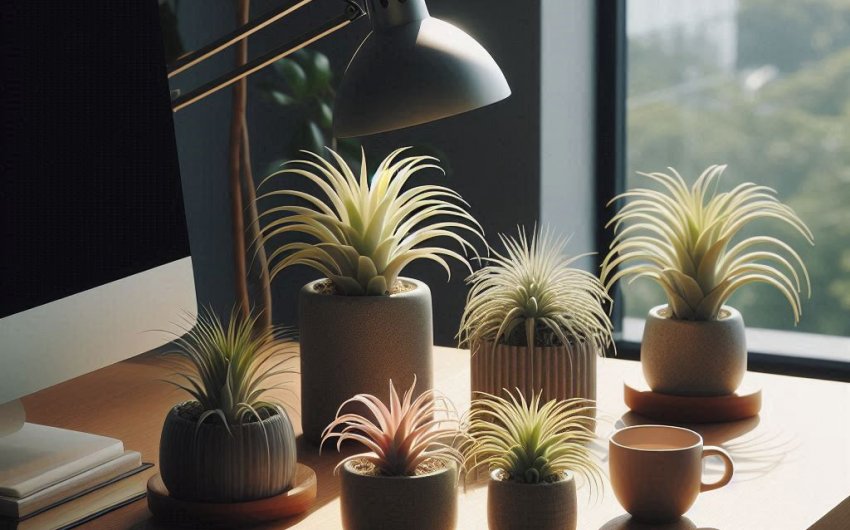
Spending a lot of time at your office desk can sometimes feel a bit dull, especially if your workspace lacks natural light. Adding a touch of green can really brighten things up and make your area feel more alive. But what if you don't have a sunny window? That's where air plants come in! These amazing little plants, also known as Tillandsia, don't need soil to grow. They get all their nutrients from the air and water, making them super unique and low-maintenance.
The best part? Many air plant varieties can thrive even in low-light office environments. They are perfect for bringing some natural beauty to your desk without much fuss. Let's explore some of the best air plants that are ideal for those dimmer spots and how to care for them.
Why Are Air Plants Great for Office Desks?
Air plants offer several advantages that make them a perfect fit for a workspace, especially when space and light are limited.
Do They Really Need No Soil?
Yes, that's one of their most unique features!
- Epiphytic nature: Air plants are epiphytes. This means that in their natural habitats, they grow on other plants, like trees or rocks, simply using them for support. They don't take nutrients from their host. This makes them ideal for creative displays on your desk without the mess of soil.
- Minimalistic display: Without soil, you can get super creative with how you display your air plants. They look great in small decorative containers, on pieces of driftwood, inside terrariums, or simply resting on a small holder. This allows you to add a touch of nature without cluttering your desk space.
- No messy soil: One of the biggest advantages for an office desk is the absence of soil. No spilled dirt, no worrying about fungus gnats (those tiny flies that love damp soil), and a much cleaner workspace overall. This makes them truly low-maintenance office plants.
Are They Easy to Care For?
Compared to many other houseplants, air plants are remarkably forgiving.
- Simple watering: Their watering needs are different from typical potted plants. Instead of watering the soil, you typically soak air plants in water for 20-30 minutes once a week, or mist them a few times a week. This straightforward routine makes them easy to manage, even with a busy schedule.
- Hardy and forgiving: Air plants are quite resilient. While they have preferences, they can often bounce back even if you miss a watering or two. This makes them great for beginners or those who might not have a green thumb.
- Adaptable to conditions: Many varieties are quite adaptable to a range of conditions, including the typical temperatures and humidity levels found in an office environment. This flexibility is key for a successful desk plant.
Do They Take Up Much Space?
Air plants are known for their compact size.
- Small footprint: Most air plant varieties are small, making them perfect for even the most cramped office desks. You can easily tuck them into a corner, place them next to your monitor, or display them on a small shelf.
- Vertical growth options: Some air plants grow tall and slender, which means they take up very little horizontal space but add a nice vertical element to your desk decor. This is great for maximizing a small area.
- No root system to accommodate: Since they don't have extensive root systems, they don't need large pots or deep containers. This frees up valuable desk space.
What Kinds of Low Light Do Air Plants Need?
Even low-light air plants need some light. Understanding what "low light" means for them is important.
What Does "Low Light" Mean for Air Plants?
"Low light" doesn't mean "no light."
- Indirect light is key: Most air plants thrive in bright, indirect light. This means they like to be near a window but not in direct sunlight, which can scorch their leaves.
- Fluorescent office lights: For office desks, this often translates to relying on ambient light from a window a few feet away, or the typical overhead fluorescent lighting. While not ideal for all plants, some air plants can certainly manage.
- Avoid direct sun: Even low-light tolerant air plants will suffer if placed in direct, intense sunlight for extended periods. This can dry them out too quickly or burn their delicate leaves. So, don't put them right on a sunny windowsill.
- Artificial light sources: If your office is particularly dim, you might consider a small LED grow light designed for plants. Even a small one can provide the extra boost some air plants need, especially during darker winter months.
How Can I Tell if My Plant Is Getting Enough Light?
Your plant will give you clues!
- Slow growth: If your air plant isn't growing much at all, or if new growth looks weak and spindly, it might need more light.
- Dull color: A healthy air plant typically has vibrant color. If yours looks dull, faded, or starts to lose its distinctive silvery "trichomes" (the fuzzy-looking scales that absorb water and nutrients), it could be a sign of insufficient light.
- Stretching: If the plant appears to be stretching or growing very long and thin in one direction, it's often trying to reach for a light source. This is called etiolation.
- Sudden decline: While many factors cause decline, sudden yellowing or browning that isn't related to watering issues could sometimes be light-related.
Which Air Plants Are Best for Low Light Office Desks?
Here are some excellent choices known for their tolerance to dimmer conditions.
1. Tillandsia Ionantha Varieties
These are some of the most popular and forgiving air plants.
- Compact size: Ionanthas are typically small, globe-shaped, and grow to only a few inches tall, making them ideal for small desk spaces.
- Hardy: They are known for their resilience and ability to bounce back from minor neglect. They are quite tolerant of varying conditions.
- Color changes: When they are about to bloom, they often "blush" a beautiful red, orange, or pink color, adding a vibrant touch to your desk. Their small purple flowers are also quite charming.
- Low light tolerance: While they prefer brighter indirect light, Ionanthas are surprisingly adaptable and can do well in lower light situations, making them perfect office desk plants. You can find Tillandsia Ionantha easily.
2. Tillandsia Caput Medusae
Named for its resemblance to Medusa's hair, this is a striking choice.
- Unique appearance: It has a bulbous base and long, twisting, silvery-green leaves that resemble tentacles. This unique shape makes it a great statement piece for your desk.
- Relatively easy care: Similar to Ionanthas, Caput Medusae is fairly easy to care for, making it suitable for beginners.
- Good for moderate to low light: It tolerates moderate to lower light conditions well, though it will thrive with more bright indirect light.
- Larger than Ionantha: While not huge, it's generally a bit larger than an Ionantha, so ensure you have enough space. A Caput Medusae air plant makes a unique addition.
3. Tillandsia Stricta
A versatile and common air plant that's often found in various forms.
- Soft, green leaves: Stricta typically has softer, greener leaves compared to some of the more silvery varieties. It often grows in a rosette shape.
- Good for humidity: This variety tends to appreciate slightly higher humidity, which might be a consideration in very dry office environments. Regular misting can help.
- Adapts to different light: Tillandsia Stricta is known for its adaptability to a range of light conditions, including lower light. It's a very forgiving air plant.
- Produces pups readily: Once it blooms, Stricta is known for producing "pups" (baby air plants) easily, allowing you to grow your collection. You can often find a Tillandsia Stricta variety pack.
4. Tillandsia Aeranthos
Often confused with Stricta, but with its own charm.
- Stiff, upright leaves: Aeranthos typically has stiffer, more upright leaves that form a dense rosette. It has a beautiful, compact form.
- Pretty blooms: It produces striking pink flower bracts and purple flowers, adding a lovely pop of color.
- Resilient: Like the others on this list, Aeranthos is quite resilient and can tolerate less-than-ideal conditions, including lower light.
- Good for clusters: This variety looks great in clusters or displayed with other air plants due to its neat shape.
5. Tillandsia Brachycaulos
Known for its beautiful color changes and robust nature.
- Blushing beauty: When it gets ready to bloom, Brachycaulos turns a vibrant red or deep pink, especially the inner leaves. This stunning transformation makes it a popular choice.
- Broader leaves: It often has broader, greener leaves that form a more open rosette compared to Ionantha.
- Moderate light tolerant: While it loves bright indirect light, Brachycaulos can adapt to moderate to lower light settings, especially if paired with consistent watering.
- Produces pups: It also produces pups easily after blooming. A Tillandsia Brachycaulos can really liven up a desk.
How Do I Care for Air Plants in a Low Light Office?
Even hardy air plants need proper care, especially in less-than-ideal light. Here's how to keep them happy.
Watering in Low Light Conditions
Adjust your watering frequency based on light and humidity.
- Soaking method is best: For air plants in lower light, the best watering method is typically soaking. Submerge the entire plant (upside down if possible to drain water from the base) in a bowl of room-temperature water for 20-30 minutes once a week.
- Adjust frequency: In a low-light environment, water evaporates more slowly. This means your air plant might not need to be watered as often as one in brighter light. You might find once every 10-14 days is sufficient, rather than strictly once a week. Feel the plant; if it feels dry or lighter than usual, it needs water.
- Shake off excess water: After soaking, gently shake off any excess water, especially from the base and between the leaves. This is crucial to prevent rot. Place them upside down on a towel for a few hours to ensure they dry completely before putting them back on display.
- Misting (supplemental): Misting can supplement soaking, especially in dry office air (due to air conditioning or heating). Use a fine mist spray bottle a few times a week, but misting alone is usually not enough for long-term health unless you live in a very humid climate.
Humidity and Air Circulation
These factors are just as important as light and water.
- Humidity is important: Air plants thrive in humid environments. Dry office air can be a challenge. Regular misting helps, and placing a small open container of water near the plant can also increase local humidity.
- Good air circulation: After watering, proper air circulation is vital for air plants to dry thoroughly and prevent rot. Avoid placing them in enclosed spaces with no air movement. If your office has poor circulation, a tiny desk fan can help occasionally.
- Avoid enclosed containers: If using a terrarium, choose one with an open top to allow for good airflow. Fully enclosed containers can trap too much moisture and lead to rot.
Feeding Your Air Plants
They do need some nutrients!
- Air plant fertilizer: While they get some nutrients from the air, a specialized air plant fertilizer can give them a boost. These are typically low-nitrogen, water-soluble fertilizers.
- Dilute and soak: Dilute the fertilizer to about 1/4 strength and add it to your soaking water once a month or every other month.
- Don't over-fertilize: Too much fertilizer can burn the plants. Stick to the recommended dilution and frequency. A good air plant fertilizer can promote growth and blooming.
How Do I Display My Air Plants on My Desk?
The fun part – showcasing your green companions!
Creative Display Ideas
No soil means endless possibilities.
- Small terrariums: Create a mini ecosystem in a small, open-top glass terrarium. Add decorative pebbles, sand, moss, or tiny figurines. Make sure there's enough space for air circulation. You can find beautiful glass terrariums for air plants.
- Wooden holders or driftwood: Air plants look stunning when mounted on or nestled into pieces of driftwood or decorative wooden blocks. Their natural forms complement the wood beautifully. You can use clear fishing line or non-toxic adhesive to attach them if needed.
- Ceramic or concrete planters (soil-free): Choose small, interesting ceramic or concrete planters that are designed for air plants (meaning they have no drainage holes and are meant to just hold the plant, not soil).
- Metal stands or hangers: Minimalist metal stands or small geometric hangers can elevate your air plant and add a modern touch to your desk. There are many cool air plant stands available.
- Magnetic displays: For a really unique touch, consider magnetic holders that allow you to attach air plants to metal surfaces on your desk or filing cabinet.
Grouping and Arrangement
Think about how your plants interact with each other and your space.
- Vary sizes and shapes: If you have multiple air plants, choose different varieties with varying sizes, shapes, and textures to create an interesting display.
- Create a focal point: Designate one central display for your main air plant or a cluster of them, and then perhaps smaller individual plants around it.
- Consider vertical space: Use small shelves, multi-tiered stands, or wall-mounted displays (if your office setup allows) to utilize vertical space and free up the main desk surface.
- Keep it clean: Regularly dust your air plants gently with a soft brush to help them absorb light and moisture more efficiently. This also keeps your display looking neat.
What Are Some Common Problems and How Do I Fix Them?
Even with low-maintenance plants, issues can arise. Knowing how to spot and fix them will ensure your air plants thrive.
Leaves Turning Brown or Crispy
This is usually a sign of insufficient water or humidity.
- Problem: Leaves are dry, crispy, and may be turning brown, especially at the tips.
- Solution: Increase watering frequency or duration. If you're misting, switch to soaking. If already soaking weekly, try soaking for longer or every 5-6 days. Increase humidity around the plant if the office air is very dry.
Leaves Turning Mushy or Black
This is almost always a sign of rot due to too much moisture.
- Problem: The base of the plant feels soft and mushy, and leaves are turning black, especially at the bottom. This is rot, the most common killer of air plants.
- Solution: Unfortunately, rot is often fatal if it affects the base. If caught early, you can try to cut away the rotting parts with sterile scissors and ensure the plant dries out completely after future waterings. Make sure you are shaking off all excess water after soaking and allowing for proper airflow. Never let water sit in the base of the plant.
Slow Growth or Dull Color
This often indicates a need for more light or nutrients.
- Problem: Your plant isn't growing, looks pale, or its color isn't vibrant.
- Solution: Move the plant to a slightly brighter spot if possible (still indirect light!). Consider supplementing with a small LED grow light if your office is very dim. Start fertilizing once a month with a diluted air plant fertilizer.
Losing Leaves (Excessively)
Some leaf loss is normal, but too much is a concern.
- Problem: Many lower leaves are browning and falling off.
- Solution: A few lower leaves drying and falling off is normal as the plant grows new ones. However, excessive loss might point to severe underwatering, or if combined with mushy spots, it could be rot. Reassess your watering routine and ensure the plant is drying fully.
Bringing an air plant to your office desk is a wonderful way to add a touch of nature, improve your workspace aesthetics, and enjoy the benefits of having a plant without the hassle of soil. By choosing the right low-light tolerant varieties and following simple care guidelines, your Tillandsia will thrive, adding a calm and beautiful presence to your daily work life.