
How to Care for a String of Pearls Plant Indoors?
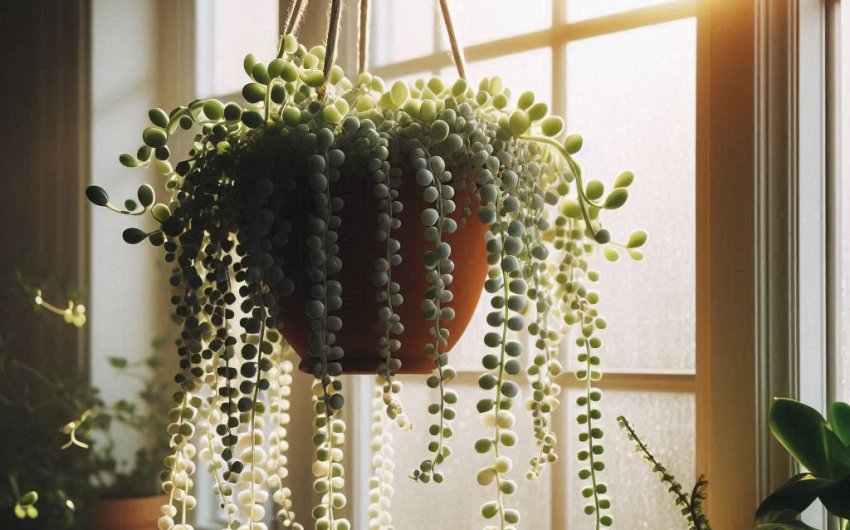
You've probably been enchanted by the cascading beauty of a String of Pearls plant (Senecio rowleyanus). Its delicate, bead-like foliage trailing gracefully from a hanging basket or shelf creates a unique and captivating visual effect, unlike almost any other houseplant. It's a favorite among succulent enthusiasts and anyone looking to add a touch of whimsical elegance to their indoor space.
However, while incredibly beautiful, the String of Pearls can also be a bit finicky if its specific needs aren't met. Many new plant parents quickly learn that its preference for a particular watering schedule and light intensity makes it a plant that demands attention to detail. Get it right, and your String of Pearls will thrive, producing long, vibrant strands of its signature "pearls." Get it wrong, and you might find your pearls shriveling, turning yellow, or even rotting away.
This guide is your ultimate resource for mastering the art of caring for a String of Pearls plant indoors. We'll demystify its unique succulent nature, break down its specific requirements for light, watering, and soil, and provide invaluable pro tips for keeping it healthy and flourishing. Get ready to cultivate a cascading masterpiece and understand the true secrets to a happy String of Pearls!
Understanding Your String of Pearls: A Succulent's Perspective
Before diving into the "how-to" of caring for a String of Pearls plant indoors, it's essential to understand its unique biology. This plant is a succulent, and understanding this fact is the key to providing it with the right care. It doesn't behave like a typical leafy houseplant.
1. It's a Succulent (Specifically, a Stem Succulent)
- Origin: The String of Pearls is native to the drier regions of Southwest Africa. In its natural habitat, it creeps along the ground under partial shade, but it's adapted to periods of drought.
- Water Storage: Like other succulents, the String of Pearls stores water within its specialized leaves – those iconic, spherical "pearls." These "pearls" are actually tiny, spherical leaves designed to minimize water loss (due to their low surface area-to-volume ratio) and maximize water storage.
- Drought Adaptation: This water-storing ability is a survival mechanism for arid environments. It means the plant can go for extended periods without water.
2. The Danger of Overwatering: Their Arch-Nemesis
- Rot Prone: Because the plant stores so much water in its pearls and stems, it is extremely susceptible to overwatering. If the soil stays wet for too long, the roots and the stems near the soil surface will quickly rot due to a lack of oxygen.
- Signs of Overwatering: Pearls will turn mushy, yellow, brown, or black, starting from the strands closest to the soil. The plant will often collapse. This is the #1 killer of String of Pearls.
3. Shallow Root System
- Sensitive Roots: String of Pearls plants have a relatively shallow root system. This means they are designed to quickly absorb infrequent rainfall from the top layers of soil and then dry out rapidly.
- Impact on Potting: Their shallow roots mean they don't need very deep pots. A wide, shallow pot is often better than a deep, narrow one.
4. Light Sensitivity (Not a Full Sun Lover)
- Filtered Light in Nature: While many succulents love blazing sun, the String of Pearls often grows beneath larger shrubs in its native habitat, receiving filtered or partial sun, not intense, direct sun all day.
- Impact on Leaves: Too much direct, harsh sunlight can scorch its delicate pearls, turning them yellow, brown, or red/purple (a stress color), and making them shrivel. Too little light, on the other hand, can lead to stretched, leggy growth with pearls far apart on the string.
5. Fragile Stems
- Easy to Break: The individual strands of the String of Pearls are quite delicate and can break easily if handled roughly or tangled.
- Impact on Propagation: This fragility can be a blessing for propagation, as broken pieces often root readily!
Understanding these fundamental aspects of its succulent nature is the absolute key to providing the specialized care needed to keep your String of Pearls plant indoors truly vibrant and healthy. It means adapting your watering habits and light exposure to its unique needs.
The Perfect Environment: Light, Watering, and Humidity for Your String of Pearls
Providing the right environment is crucial for caring for a String of Pearls plant indoors. Getting the balance of light and watering right is paramount, and understanding its humidity needs helps too.
1. Light: Bright, Indirect to Direct Morning Sun
This is critical for healthy, compact growth and vibrant color.
- Bright, Indirect Light: This is the ideal condition. Place your String of Pearls plant near a very bright window (e.g., south-facing, but a few feet back from the glass, or an east or west-facing window where it gets direct morning or late afternoon sun that isn't too intense).
- Morning Sun is Good: Direct morning sun (east-facing window) for 2-4 hours is usually beneficial and helps maintain compact growth and good color.
- Avoid Harsh Afternoon Sun: Intense, direct afternoon sun (especially from a west-facing window in summer) can easily scorch the delicate pearls, causing them to shrivel, turn yellow, or develop unsightly brown spots. If you have a west-facing window, move the plant back a few feet or use a sheer curtain to diffuse the light.
- Signs of Not Enough Light: If your String of Pearls is not getting enough light, the strands will become leggy and stretched, with large gaps between the pearls. The pearls themselves might be smaller or paler.
- Signs of Too Much Light: Pearls may shrivel, turn yellow/brown (scorching), or develop a purplish/reddish tint (a stress response).
2. Watering: The Most Critical Factor (Less is More!)
Overwatering is the #1 killer of String of Pearls. You must allow the soil to dry out completely between waterings.
- "Drought Cycle" Watering: This plant needs a distinct wet-to-dry cycle.
- Wait for Dryness: Water thoroughly only when the soil is completely dry throughout the pot. Don't just check the top inch; poke your finger down a few inches or use a soil moisture meter to check the bottom of the pot.
- The "Pearl Test": A good indicator is the pearls themselves. When the plant is getting thirsty, the pearls will start to look a little less plump and might even shrivel slightly. This is your cue to water. If they are firm and round, wait.
- How to Water: Water deeply until you see water draining from the bottom of the pot.
- Avoid Overhead Watering: Try to water the soil directly, not the pearls themselves, especially if the pearls are very dense on top, as prolonged wetness on the pearls can lead to rot or fungal issues.
- Ensure Drainage: Always use a pot with drainage holes! This is non-negotiable. If your decorative pot doesn't have holes, use the "pot-in-pot" method (plant in a nursery pot with holes, then place it inside the decorative pot).
- Empty Saucers: Never let your String of Pearls plant sit in standing water in its saucer. Dump any excess water about 30 minutes after watering.
- Seasonal Adjustment: Water less frequently in winter when the plant's growth slows down.
3. Humidity: They Tolerate Average Indoor Levels
Unlike some tropical plants, String of Pearls generally tolerates average household humidity well.
- Average Home Humidity: They are usually happy with typical indoor humidity levels (30-50%).
- Signs of Extreme Dryness: In extremely dry environments (e.g., heated homes in winter), the pearls might shrivel or crisp. If this happens, you can lightly mist the plant occasionally or place it near a pebble tray for a slight humidity boost. However, consistent overwatering is a greater risk than low humidity.
By diligently adhering to these guidelines, especially with light and watering, you'll be well on your way to keeping your String of Pearls plant indoors thriving and beautifully cascading.
The Right Soil and Pot for a Happy String of Pearls
The soil composition and the choice of pot are critical components in ensuring the long-term health of your String of Pearls plant indoors. They directly impact moisture management and root health, which are paramount for this succulent.
1. Soil Composition: Fast-Draining and Gritty!
Just like a Haworthia plant, a String of Pearls needs a potting mix that mimics its arid, gritty native habitat. The goal is rapid drainage and excellent aeration.
- Avoid Standard Potting Mix: Standard houseplant potting mixes are too dense and retain too much moisture, leading to root rot.
- Ideal Mix: Succulent/Cactus Mix with Added Perlite/Pumice:
- Start with a good quality cactus and succulent potting mix. This is a good base, but often still not gritty enough on its own.
- Amend It! Amend the succulent mix by adding an equal part of inorganic material for drainage. A common recipe is:
- Why Perlite/Pumice? These lightweight, porous volcanic rocks create essential air pockets in the soil and ensure water drains rapidly.
- Avoid Fine Sand: Never use fine play sand or builder's sand, as it will compact the soil and trap moisture.
- Compost (Sparingly): If you wish to add a touch of organic matter, use very well-rotted compost sparingly, as too much will retain excess moisture.
2. Pot Choice: Drainage is Non-Negotiable!
The right pot complements the fast-draining soil mix.
- Drainage Holes are a MUST: This cannot be stressed enough. Without drainage holes, excess water will collect at the bottom of the pot, inevitably leading to root rot. If you have a beautiful decorative pot without holes, use the "pot-in-pot" method: plant your String of Pearls in a slightly smaller plastic nursery pot with drainage holes, then place this inside the decorative pot.
- Material:
- Terracotta (Unglazed Clay): Highly recommended! Terracotta is porous, allowing air and excess moisture to evaporate through its walls. This helps the soil dry out faster, which is perfect for String of Pearls. It also provides good weight for hanging baskets. A terracotta hanging planter combines beauty and function.
- Plastic: Non-porous, so it retains moisture longer. If using plastic, be extra diligent with watering and ensure your soil mix is extremely well-draining.
- Ceramic/Glazed: Similar to plastic in moisture retention.
- Size:
- Shallow and Wide is Often Better: Due to their shallow root system, a wider, shallower pot is often better than a very deep, narrow one. A deep pot holds too much soil for the shallow roots to explore quickly, increasing the risk of overwatering.
- Go Up Only One Size When Repotting: When your plant becomes root-bound, choose a new pot that is only 1-2 inches wider in diameter than the current one. Don't jump to a much larger pot.
3. Fertilizing: Less is More
String of Pearls are not heavy feeders. Over-fertilizing can lead to root burn and stretched, weak growth.
- Timing: Fertilize sparingly, only during their active growing season (spring and summer). Stop fertilizing in fall and winter when growth slows.
- Type: Use a balanced, diluted succulent fertilizer or general houseplant fertilizer.
- Dilution: Dilute the fertilizer to half-strength or even quarter-strength of the recommended amount on the package.
- Application: Apply to already moist soil, never to dry soil, to prevent root burn.
By prioritizing rapid drainage through the right soil composition and a suitable pot with drainage holes, and by fertilizing sparingly, you'll create the ideal growing conditions for your String of Pearls plant indoors to truly flourish.
Pruning, Propagating, and Troubleshooting for Your String of Pearls
Beyond basic care, understanding how to prune, propagate, and troubleshoot common issues will help you maintain a lush, healthy, and vibrant String of Pearls plant indoors.
1. Pruning for Health and Bushiness
- Encourage Bushiness: If your String of Pearls is looking leggy or sparse on top, you can prune the long, trailing stems. Snipping off the ends of the strands encourages the plant to branch out from the base or from nodes further up the stem, leading to a fuller, bushier appearance.
- Remove Unhealthy Sections: Prune away any yellow, brown, shriveled, or rotten sections of the plant using clean, sharp pruning snips. This helps prevent the spread of disease and allows the plant to focus energy on healthy growth.
- Manage Length: You can prune strands to your desired length to keep the plant manageable and tidy.
2. Propagating: Easy to Multiply!
String of Pearls are wonderfully easy to propagate, allowing you to multiply your collection or fill in bare spots.
- Method: Stem Cuttings:
- Take Cuttings: Use clean snips to cut a healthy strand of pearls about 4-6 inches long. Ensure it has several pearls along its length. Remove a few pearls from the very end of the cutting (about 1/2 inch) to expose the stem.
- Allow to Callus (Optional but Recommended): Let the cut ends dry and "callus" (form a scab) for 1-2 days. This helps prevent rot.
- Rooting Medium (Soil or Water):
- Soil: The most common and often successful method. Lay the cutting horizontally on top of moist, well-draining succulent potting mix. You can lightly pin it down to ensure good contact. New roots will emerge from the nodes along the stem, and new strings will sprout upwards.
- Water: You can also root cuttings in water. Place the exposed stem end into a small glass of water, ensuring no pearls are submerged (they will rot). Change water every few days. Once roots are 1-2 inches long, transfer to soil.
- Light and Warmth: Place cuttings in a bright, indirect light location with warm temperatures.
- Moisture: Keep the soil consistently moist (but not soggy) for soil cuttings. For water cuttings, ensure roots are covered.
- Patience: Roots should form within a few weeks to a couple of months.
3. Common Problems and Troubleshooting
- Pearls Shriveling and Drying Up (Starting from Ends):
- Cause: Almost always underwatering or insufficient humidity. Too much direct, harsh sun can also cause scorching and shriveling.
- Fix: Water thoroughly. Check pearls again in a few days. Increase watering frequency (if soil is drying out too fast) or provide more humidity. Move away from harsh direct sun.
- Pearls Turning Yellow/Brown/Black and Mushy (Starting from Soil Line):
- Cause: Overwatering or poor drainage leading to root/stem rot.
- Fix: Stop watering immediately. Allow soil to dry completely. If severe, repot into fresh, dry, gritty succulent mix and inspect roots/stems for rot. Cut away any mushy parts with sterile snips. Consider propagating healthy strands.
- Leggy Growth / Sparse Pearls:
- Cause: Not enough light.
- Fix: Move the plant to a brighter spot with more bright, indirect light. Pinch back leggy strands to encourage bushier growth.
- Sudden Pearl Drop:
- Cause: Usually severe root rot (overwatering), but can also be from extreme cold exposure or very sudden environmental changes.
- Fix: Check soil for overwatering. Move to warmer spot if cold.
- Pests:
- Mealybugs: Small, white, cottony masses in crevices. Treat with rubbing alcohol on a cotton swab or insecticidal soap.
- Aphids: Small, soft-bodied insects, less common but can appear on new growth. Treat with strong water spray or insecticidal soap.
By understanding these care tips, and knowing how to prune, propagate, and troubleshoot, you'll empower your String of Pearls plant indoors to not only survive but truly thrive, becoming a stunning and vibrant cascading masterpiece in your home.