
How to Boost Humidity for Tropical Houseplants?
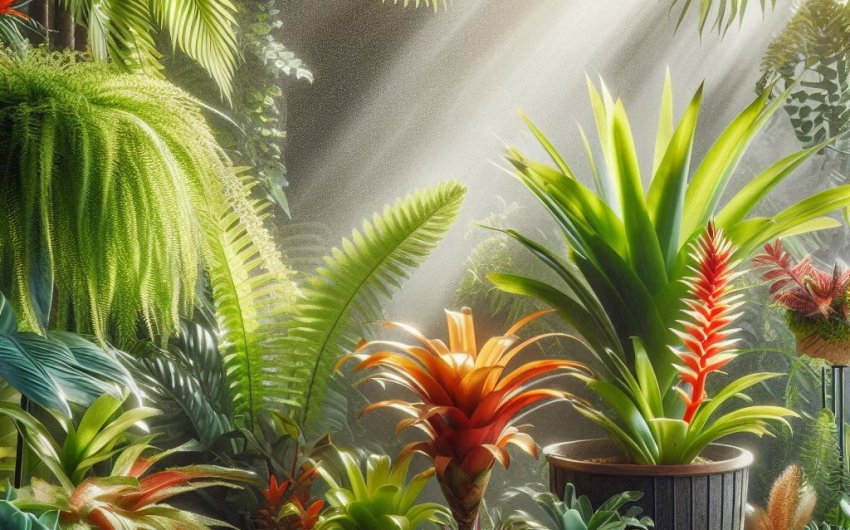
Bringing the vibrant beauty of tropical houseplants into our homes offers a delightful connection to nature. These stunning plants, with their lush foliage and often exotic blooms, can transform any indoor space into a verdant oasis. However, many aspiring plant parents quickly discover a crucial challenge: replicating the humid conditions of their native rainforests. Our modern homes, especially during winter months when heating systems are running, tend to be significantly drier than what these humidity-loving species naturally experience.
Without adequate moisture in the air, tropical plants can show signs of stress, such as crispy leaf tips, stunted growth, or a general lack of vigor. Understanding and addressing this need for humidity is key to their long-term health and vibrant appearance. Fortunately, there are several simple and effective strategies you can employ to create a more hospitable environment for your leafy friends. You don't need a greenhouse to keep them happy; just a few clever adjustments can make a world of difference. Let's explore practical ways to boost the moisture in your indoor air and help your tropical treasures thrive.
What is Humidity and Why Do Tropical Plants Need It?
Understanding what humidity means for plants, and why certain species depend on it, is the first step in successful tropical houseplant care. It's about more than just watering the soil; it's about the air itself.
What Does "Humidity" Mean for Plants?
For plants, humidity refers to the amount of water vapor present in the air. Think of it like this: when the air is dry, it's like a thirsty sponge, readily pulling moisture from anything around it. When the air is humid, it's already full of moisture, so it doesn't "drink" as much from plants.
Plants release water vapor through tiny pores on their leaves in a process called transpiration. This process is vital for moving water and nutrients from the roots up to the leaves. In dry air, plants transpire rapidly, losing water quickly. In humid air, transpiration slows down, allowing plants to conserve moisture. A hygrometer is a handy tool to measure the humidity level in your home. You can find a digital hygrometer with temperature display for accurate readings.
Why Are Tropical Plants Adapted to High Humidity?
Tropical houseplants originate from rainforests and other equatorial regions where high humidity is the norm. In these native environments, the air is consistently saturated with moisture due to heavy rainfall, dense canopy cover, and warm temperatures that encourage evaporation. Over millions of years, these plants have adapted to thrive in such conditions.
Their adaptations include:
- Large, thin leaves: Many tropical plants have broad, thin leaves designed to maximize photosynthesis in dappled light. These thin leaves also lose water very quickly in dry air, making them more vulnerable to dehydration.
- Aerial roots: Some, like many aroids (e.g., Monsteras, Philodendrons), develop aerial roots that absorb moisture directly from the humid air.
- Waxy coatings (sometimes): While some have waxy leaves to repel excess water, their overall physiology is geared towards environments where water loss from leaves is not a major concern.
When these plants are brought into our homes with typical indoor humidity (often between 30-50%), they experience stress because they are not adapted to such dry conditions. This stress can lead to various problems, as we'll see next.
What Are the Signs of Low Humidity Stress in Houseplants?
Recognizing the signs of low humidity stress in your tropical houseplants is crucial for intervention. These symptoms indicate your plant is struggling to retain enough moisture:
- Crispy or Brown Leaf Tips and Edges: This is one of the most common and earliest signs. The very edges and tips of leaves, especially on older foliage, will dry out, turn brown, and become crispy. This happens because water evaporates too quickly from the leaf margins.
- Wilting or Drooping Leaves (even with moist soil): If your plant's leaves are limp or drooping despite the soil being moist, it could be struggling to pull up enough water to compensate for rapid transpiration in dry air.
- Slowed or Stunted Growth: Plants under stress will put their energy into survival, not growth. You might notice new leaves are smaller than usual or growth has simply stalled.
- Curling Leaves: Leaves might curl inward or upward as the plant tries to reduce the surface area exposed to dry air, a protective mechanism.
- Bud Blast or Dropped Flowers: Flowering tropical plants might drop their flower buds before they open, or their flowers might shrivel prematurely if humidity is too low.
- Increased Pest Susceptibility: Dry conditions can stress plants, making them more vulnerable to certain pests, especially spider mites, which thrive in dry environments.
If you observe these symptoms, especially when your indoor humidity is low, it's time to boost the moisture around your plants.
1. Misting: A Quick and Easy Fix
Misting is often the first technique new plant parents try to boost humidity, and it can be a quick and easy way to provide a temporary spike in moisture around your tropical houseplants. While its long-term effects might be debated, it certainly offers immediate relief and can contribute to overall plant happiness.
How Does Misting Provide Temporary Humidity?
When you mist your plants, you are directly applying fine droplets of water onto their leaves and the air immediately surrounding them. This directly increases the humidity level in the microclimate right next to the plant's foliage. The water droplets slowly evaporate, releasing moisture into the air.
This provides temporary relief from dry conditions. Imagine it like a brief, light rain shower for your indoor jungle. While the effect doesn't last for hours, regular misting can help alleviate the immediate stress of very dry air. It's especially beneficial for plants that have evolved to absorb some moisture directly through their leaves or for those with aerial roots (like many aroids and orchids). A fine mist spray bottle is essential for effective misting.
What are the Best Practices for Misting Tropical Plants?
To get the most out of misting while avoiding potential problems, follow these best practices:
- Use Room Temperature, Filtered Water: Cold water can shock plants, and tap water can leave mineral deposits (white spots) on leaves. Using distilled water or filtered water is best.
- Mist in the Morning: Misting in the morning allows the foliage to dry out completely by evening. This reduces the risk of fungal or bacterial diseases, as prolonged wetness on leaves can encourage pathogen growth.
- Fine Mist is Key: Use a spray bottle that produces a very fine, gentle mist, not large droplets. Large droplets can sit on leaves, creating an environment for fungal issues.
- Focus on Foliage and Aerial Roots: Spray generously but not to the point of dripping. Pay attention to the undersides of leaves where stomata (pores) are located and any aerial roots.
- Regularity: For a noticeable effect, you might need to mist several times a day, especially in very dry environments. Consistency is more important than heavy misting once a week.
- Not for All Plants: Avoid misting plants with fuzzy or hairy leaves (like African violets), as water droplets can get trapped in the hairs and lead to rot or spotting.
Misting is a good supplementary method, but it shouldn't be your only approach to boosting humidity if your home is very dry.
What are the Limitations of Misting for Long-Term Humidity?
Despite its ease of use, misting has significant limitations when it comes to providing long-term humidity for tropical houseplants:
- Ephemeral Effect: The increase in humidity from misting is very short-lived. Water evaporates quickly, especially in dry, warm air. The effect might only last for 15-30 minutes, meaning you'd need to mist constantly throughout the day to make a real difference.
- Not a Substitute for Consistent Humidity: Misting cannot replicate the continuous, high humidity levels found in a tropical environment. Plants need constant moisture in the air, not just momentary spikes.
- Risk of Fungal Diseases: If done incorrectly (large droplets, misting in the evening, poor air circulation), frequent misting can keep leaves wet for too long, creating ideal conditions for fungal leaf spots or bacterial blight.
- Water Spots: Tap water, which contains minerals, can leave unsightly white residue on leaves as it evaporates.
While misting offers temporary relief and a way to clean leaves, it's generally not sufficient on its own to meet the high humidity requirements of many sensitive tropical plants. It's best used as part of a multi-pronged approach.
2. Pebble Trays: A Consistent Humidity Solution
Pebble trays are a simple, passive, and highly effective way to create a consistently more humid microclimate around your tropical houseplants. They work on the principle of evaporation, providing a steady release of moisture into the air.
How Do Pebble Trays Create Localized Humidity?
A pebble tray works by increasing the surface area for water evaporation directly beneath and around your plants. You take a shallow tray, fill it with a layer of pebbles or gravel, and then add water until the water level is just below the top of the pebbles. Place your potted plant on top of the pebbles, ensuring the bottom of the pot does not sit directly in the water.
As the water in the tray slowly evaporates, it releases water vapor into the air directly surrounding your plant. This creates a localized pocket of higher humidity right where your plant needs it most. The pebbles lift the pot slightly, preventing the plant's roots from sitting in stagnant water, which could lead to root rot. You can use a decorative pebble tray to enhance your plant display.
What Are the Best Practices for Using Pebble Trays?
To maximize the effectiveness of pebble trays for tropical plants, keep these best practices in mind:
- Choose the Right Size Tray: Select a tray that is slightly larger than the diameter of your plant's pot to allow for a good evaporation surface around the foliage.
- Use Clean Pebbles: Wash the pebbles or gravel thoroughly before placing them in the tray to remove any dust or debris.
- Maintain Water Level: Regularly check the water level in the tray and refill it as needed. The water should always be below the base of the pot. If the pot sits in water, it can lead to root rot.
- Keep it Clean: Over time, mineral deposits or algae might form in the tray. Clean the tray and pebbles periodically (every few weeks to a month) to prevent mold or odor buildup.
- Combine Plants: For a larger effect, group several humidity-loving plants on one large pebble tray. Their combined transpiration will also contribute to the local humidity.
- Place in Optimal Location: Position the pebble tray in an area with good light and air circulation, but avoid direct drafts which can dry out the tray too quickly.
Pebble trays are a low-maintenance and effective solution for consistent, localized humidity boosts.
Can Multiple Pebble Trays Be Used for a Larger Effect?
Absolutely! Using multiple pebble trays strategically placed around your home can significantly contribute to a higher overall humidity level for your collection of tropical houseplants. This strategy is particularly effective when you have several plants that require high humidity.
Instead of just one small tray under a single plant, consider:
- Grouping Plants on Larger Trays: Place several humidity-loving plants together on a single, large pebble tray. The combined surface area of evaporating water, along with the plants' own transpiration, creates a larger, more impactful humid microclimate.
- Placing Trays in Different Rooms: If you have tropical plants spread across different rooms, place a pebble tray in each area to provide localized humidity where needed.
- Integrating with Shelving: You can design multi-tiered plant stands or shelves that incorporate built-in pebble trays on each level, creating a cascaded humidity effect for multiple plants.
The more water surface area you have evaporating, the greater the increase in ambient humidity, making multiple pebble trays a powerful, passive solution.
3. Grouping Plants: Creating a Humid Microclimate
One of the simplest and most natural ways to increase humidity for your tropical houseplants is by grouping them together. Plants, like people, affect their immediate environment, and when they are clustered, they create a small pocket of higher moisture that benefits all.
How Does Plant Transpiration Boost Local Humidity?
Plants naturally release water vapor into the air through their leaves during transpiration. This is how they "breathe" and move water up from their roots. When you group several tropical plants closely together, their collective transpiration increases the concentration of water vapor in the air immediately surrounding the group.
Think of it as creating a mini-rainforest effect. The moisture released by one plant contributes to the humidity that another plant nearby can then benefit from. This cumulative effect creates a self-sustaining humid microclimate that is more stable and effective than simply misting individual plants. This shared moisture helps all the plants in the cluster thrive. A multi-tiered plant stand is perfect for grouping plants.
What are the Benefits of Grouping Humidity-Loving Plants?
Grouping humidity-loving plants offers multiple benefits beyond just increased moisture:
- Consistent Humidity: The collective transpiration creates a more stable and consistently higher humidity level than individual methods like misting.
- Aesthetic Appeal: A cluster of plants often looks more lush and vibrant than scattered individual plants, creating a stunning visual display.
- Reduced Water Loss: In a more humid microclimate, each individual plant transpires less rapidly, meaning they lose less water from their leaves and are less prone to dehydration stress.
- Pest Deterrence (indirect): While not a direct pest control method, a healthier, less-stressed plant is generally more resilient to pest infestations. Spider mites, which thrive in dry conditions, might be less attracted to a more humid cluster.
- Improved Growth: When their humidity needs are met, tropical houseplants are generally happier, leading to more vigorous growth and healthier foliage.
This is a win-win strategy for both your plants and your home's aesthetic.
What Considerations Are Needed When Grouping Plants?
While grouping plants is highly beneficial for humidity, there are a few considerations to keep in mind to ensure success:
- Light Requirements: Ensure all plants in the group have similar light requirements. Don't put a low-light plant next to a high-light plant, or one will suffer. Place the group in an area that meets the needs of all plants.
- Air Circulation: While you want to create a humid pocket, you also need good air circulation within the group to prevent fungal issues. Don't crowd plants so tightly that air cannot move around their foliage. Consider a small, oscillating fan on a low setting nearby if the air feels stagnant.
- Pest Spreading: If one plant in the group develops pests, they can easily spread to adjacent plants. Regularly inspect all plants in the group for signs of pests and isolate any affected plant immediately.
- Watering Needs: While humidity needs might be similar, individual plants may have different watering frequencies. Ensure each plant is watered according to its specific requirements, not just collectively.
- Size and Growth Habit: Consider the mature size of your plants. Don't group a tiny seedling next to a rapidly growing Monstera that will quickly overshadow it. Arrange plants to allow each one access to light.
By paying attention to these factors, you can create a thriving and aesthetically pleasing humid microclimate for your tropical plant collection.
4. Humidifiers: The Most Effective Solution
For homes with consistently low humidity, especially during dry winter months when heating systems are running, a humidifier is often the most effective and reliable solution for providing the high moisture levels that tropical houseplants crave.
How Does a Humidifier Directly Increase Room Humidity?
A humidifier works by directly releasing water vapor or fine water mist into the air, thereby increasing the overall ambient humidity of the room. Unlike localized methods like misting or pebble trays, a humidifier impacts the entire room or a significant area, providing consistent moisture for all plants within its range.
- Cool Mist Humidifiers: These use ultrasonic vibrations or a wicking filter to produce a cool, fine mist that is dispersed into the air. They are generally safer for homes with children or pets as there's no hot water involved.
- Warm Mist Humidifiers: These heat water to create steam, which is then released. They can slightly raise the room temperature but also require more energy.
Both types effectively add moisture to the air, creating a more suitable environment for tropical plants. You can control the desired humidity level with many models. A cool mist humidifier for plants is a popular choice.
What are the Types of Humidifiers Best for Plants?
When choosing a humidifier for plants, consider these types for optimal performance and ease of use:
- Ultrasonic Humidifiers: These are generally the most popular for houseplants. They use high-frequency vibrations to produce a fine, cool mist. They are very quiet and don't heat the water, making them energy-efficient and safe. The main drawback is that they can sometimes leave white mineral dust if you use hard tap water. A large capacity ultrasonic humidifier can last longer between refills.
- Evaporative Humidifiers: These use a fan to blow air through a wicking filter that absorbs water from a reservoir. The water evaporates from the filter, releasing cool, invisible moisture into the air. They are often self-regulating, releasing more moisture when the air is dry and less when it's more humid. They typically don't produce white dust.
- Warm Mist Humidifiers: As mentioned, these heat water to produce steam. While they effectively increase humidity, they consume more energy and the hot steam can be a safety concern, especially if placed directly next to delicate plants.
For most tropical houseplants, a cool mist ultrasonic or evaporative humidifier is recommended.
How to Use a Humidifier Effectively for Houseplants?
To get the most out of your humidifier for your tropical houseplants, follow these guidelines:
- Placement: Place the humidifier near your cluster of tropical plants, but not so close that the mist directly blasts them. Allow for good air circulation around the humidifier and the plants.
- Use Distilled or Filtered Water: Especially with ultrasonic humidifiers, using distdistilled water or filtered water will prevent the buildup of white mineral dust on your plants and furniture, and extend the life of your humidifier.
- Monitor Humidity Levels: Use a hygrometer to monitor the humidity in the room. Aim for a consistent level between (60\%) and (80\%) for most tropical plants. Adjust the humidifier's output as needed.
- Regular Cleaning: Humidifiers can be breeding grounds for bacteria and mold if not cleaned regularly. Follow the manufacturer's instructions for cleaning to ensure clean, healthy mist is being released. Use distilled water to prevent mineral buildup and extend the life of your humidifier. A humidifier cleaning solution can make maintenance easier.
- Avoid Over-Humidifying: While tropical plants love humidity, excessively high humidity (above (80\%) combined with poor airflow) can lead to fungal issues for your plants and even mold growth in your home.
A humidifier is an investment that provides the most reliable and consistent solution for optimal humidity for your tropical plant collection.
5. Terrariums and Plant Cabinets: Creating Controlled Environments
For the ultimate in humidity control and a truly immersive experience for your most sensitive tropical houseplants, creating a terrarium or converting a display cabinet into a mini-greenhouse offers a fantastic solution. These enclosed environments trap moisture, creating near-perfect conditions.
What is a Terrarium and How Does it Maintain Humidity?
A terrarium is essentially a miniature ecosystem enclosed within a clear container, usually glass. It can be open or closed, but for humidity-loving tropical plants, a closed terrarium is ideal.
- Mechanism: A closed terrarium creates a self-sustaining cycle. Water within the soil and from plant transpiration evaporates, condenses on the cooler glass walls, and then drips back down to the soil. This constant recycling of moisture creates extremely high and consistent humidity levels (often near (100\%)) within the enclosed space.
- Plant Selection: Terrariums are perfect for small, slow-growing tropical plants that thrive in high humidity, such as Fittonia, small ferns, mosses, and certain miniature orchids.
- Care: Closed terrariums require very little watering once established, as the moisture is recycled. They also typically require less light than open environments because the high humidity reduces transpiration, making them less susceptible to drying out. A glass terrarium kit can provide all the basic supplies.
A terrarium is a beautiful and effective way to provide intense, consistent humidity for your most delicate tropical treasures.
How Can a Plant Cabinet Create a Humid Environment?
Converting a display cabinet (like an IKEA cabinet) into a plant cabinet has become a popular and effective way to create a dedicated humid environment for a larger collection of tropical houseplants.
- Sealing: The first step is to seal any gaps in the cabinet with weather stripping or silicone to trap moisture.
- Lighting: Install LED grow lights inside the cabinet to provide adequate light for the plants. A full-spectrum LED grow light strip is perfect for this.
- Humidity Source: Place a small mini humidifier or multiple large pebble trays inside the cabinet to generate and maintain high humidity. The sealed nature of the cabinet will ensure the moisture is retained.
- Air Circulation: It's crucial to add a small USB fan inside the cabinet to ensure good air circulation. Without it, stagnant, humid air can lead to fungal issues. A small USB fan for cabinet works well.
This setup allows for precise control over humidity, light, and temperature, mimicking a tropical habitat and allowing even the most finicky humidity-loving plants to flourish.
What Plants Thrive Best in Enclosed Humid Spaces?
Certain tropical houseplants absolutely thrive and reach their full potential in enclosed humid spaces like terrariums or plant cabinets:
- Fittonia (Nerve Plant): Known for its striking veined leaves, Fittonia famously wilts dramatically in dry air but perks up beautifully in high humidity.
- Ferns: Many ferns, especially Maidenhair Ferns and Boston Ferns, demand consistently high humidity and often struggle in typical household environments.
- Calathea and Maranta (Prayer Plants): These plants are notorious for developing crispy edges in low humidity. Their dramatic leaf movements also flourish in stable moisture.
- Orchids (Phalaenopsis, Oncidium): While some orchids are more forgiving, many epiphytic orchids (those that grow on other plants in nature) benefit greatly from high, consistent humidity for their aerial roots.
- Pellionia (Trailing Watermelon Begonia): A delicate vining plant that appreciates the added moisture.
- Small Aroids (e.g., miniature Philodendrons, Syngoniums): While larger aroids can adapt to lower humidity, their miniature counterparts often prefer the stable, high humidity of an enclosed space.
- Mosses: Mosses require extremely high humidity to grow and thrive, making them perfect for terrariums.
For these particularly sensitive or moisture-loving species, a terrarium or plant cabinet can truly unlock their full beauty and vitality.