
How to Choose the Right Pot Size for Houseplants?
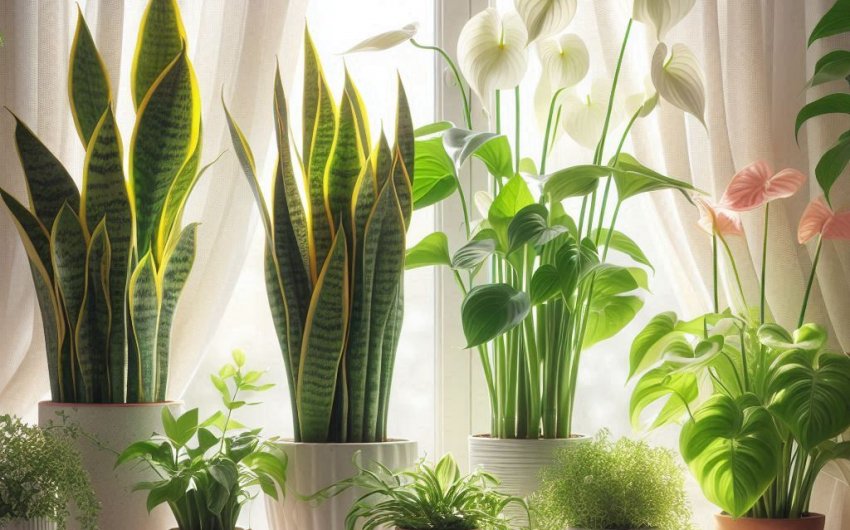
So, you've just brought home a beautiful new houseplant. Or maybe your current plant is looking a little tired, with roots peeking out of the bottom. One of the most important decisions you'll make for your leafy friends is choosing the right pot size. It might seem like a small detail, but the size of a plant's pot can dramatically affect its health, growth, and even how often you need to water it.
Picking the wrong pot size is a common mistake for beginner plant parents. Too big, and your plant might suffer from root rot. Too small, and it could become "root-bound" and stop growing. Getting it just right means happier, healthier plants that thrive in your home.
This guide will break down everything you need to know about houseplant pot size. We'll cover why size matters, how to tell if your plant needs a new home, and the simple rules for choosing the perfect fit every time. Get ready to give your houseplants the best possible start (or restart!) in their ideal living space.
Why Does Pot Size Matter So Much for Houseplants?
It might seem logical to just pick a bigger pot for a bigger plant, but it's more nuanced than that. The pot size directly impacts a plant's root health, water needs, and overall growth. It's a delicate balance!
1. Water Retention and Root Rot Risk
This is probably the most critical reason pot size matters.
- Too Big of a Pot: If you put a small plant in a very large pot, there will be a lot of soil that isn't immediately filled with roots. When you water, this extra soil holds onto moisture for much longer. Plants absorb water through their roots, but if the soil stays wet for too long, the roots can suffocate due to lack of oxygen. This leads to root rot, a common and often fatal issue where roots turn mushy and black. The plant then can't absorb water or nutrients, even in wet soil, and will start to wilt and decline.
- Too Small of a Pot: If a plant is in a pot that's too small, the soil volume is limited. This means the soil will dry out very quickly, forcing you to water constantly. While not as immediately fatal as root rot, constant drying and rewetting can stress the plant.
The right-sized pot allows the plant's roots to efficiently take up all the water and nutrients in the soil before the soil stays overly wet for too long.
2. Nutrient Uptake
- Efficient Nutrient Use: In a correctly sized pot, the roots quickly explore the available soil, allowing for efficient uptake of water and nutrients.
- Nutrient Leaching in Large Pots: In overly large pots, nutrients can sometimes get washed away from the root zone before the plant has a chance to absorb them, especially if the soil stays wet and drains slowly.
3. Root Growth and Plant Development
- Root-Bound Issues (Too Small): When a plant outgrows its pot, its roots start to circle around the inside of the pot, becoming very dense and compacted. This is called being root-bound.
- Slowed Growth: The plant's growth above ground will slow down or stop completely because the roots don't have enough space to expand and gather resources.
- Watering Difficulty: Water might just run straight through the pot without being absorbed by the dense root ball.
- Nutrient Deficiency: Dense roots struggle to take up enough nutrients.
- Balanced Growth (Just Right): In a well-sized pot, the roots have enough room to grow and spread healthily, which supports healthy growth above ground. The plant can focus its energy on growing new leaves and stems.
4. Stability
- Top-Heavy Plants: Taller or top-heavy plants in pots that are too small can easily tip over, damaging the plant and making a mess. A wider, heavier pot provides better stability.
Understanding these impacts highlights why choosing the right pot size is not just about aesthetics, but about providing the ideal environment for your houseplant's roots, which are the foundation of its health.
Signs Your Houseplant Needs a New Pot (Repotting Time!)
Your houseplant won't send you an email, but it will give you clear signals when it's outgrown its current home and needs a new pot size. Learning to read these signs is key to knowing when it's repotting time.
1. Roots Coming Out of Drainage Holes
This is probably the most obvious and common sign.
- What it looks like: You'll see white or brown roots poking out of the holes at the bottom of the pot. Sometimes they can even wrap around the bottom.
- Why it happens: The plant's roots have filled the entire pot and are searching for more space, water, and nutrients.
2. Roots Growing on Top of the Soil
- What it looks like: Similar to roots coming out of the bottom, you might see a dense mat of roots on the surface of the soil.
- Why it happens: The roots have nowhere else to go within the pot, so they start growing upwards.
3. Plant Becomes Top-Heavy and Tips Over Easily
- What it looks like: Your once stable plant now seems wobbly and falls over with just a slight nudge or wind.
- Why it happens: The plant's foliage has grown significantly, but the root ball in the small pot isn't heavy or wide enough to support the top growth.
4. Soil Dries Out Very Quickly
- What it looks like: You find yourself watering your plant almost every day, and the soil seems to dry out within hours of watering.
- Why it happens: The pot is mostly roots with very little soil left. Roots don't hold water like soil does, so there's less medium to retain moisture, leading to rapid drying.
5. Slowed or Stunted Growth
- What it looks like: Your plant used to grow new leaves regularly, but now it seems stuck. New leaves are smaller than usual, or overall growth has slowed down dramatically.
- Why it happens: When a plant is root-bound, it can't absorb enough water or nutrients to support new growth. Its energy is focused on surviving in its cramped conditions.
6. Wilting, Even After Watering
- What it looks like: The leaves look droopy and tired, even when the soil is moist after watering.
- Why it happens: If the roots are extremely root-bound, they can become so dense that water simply runs through the pot without being absorbed. Or, if the plant is so stressed from being root-bound, its roots might be damaged and unable to function properly.
7. Salt and Mineral Buildup on the Pot or Soil Surface
- What it looks like: You might see a white, crusty residue on the rim of the pot, on the soil surface, or even on the outside of terra cotta pots.
- Why it happens: In a small pot, salts and minerals from tap water and fertilizers accumulate more quickly, building up to toxic levels for the plant.
When you see one or more of these signs, it's a clear indication that your houseplant is ready for a slightly larger home. Don't wait too long, as a plant that's severely root-bound can be harder to revive.
The Golden Rule of Potting Up: Going Up One Size at a Time
So, your plant is showing signs it needs a new home. How much bigger should the new pot be? This is where the golden rule of potting up comes in: go up only one pot size at a time.
What Does "One Pot Size Up" Mean?
"One pot size up" typically means choosing a new pot that is about 1 to 2 inches wider in diameter than the current pot.
- Example:
- If your plant is currently in a 6-inch diameter pot, its new home should be an 8-inch diameter pot.
- If it's in a 4-inch pot, move it to a 6-inch pot.
- For very large plants in big pots (say, 10 inches or more), you might go up by 2-4 inches in diameter.
Why Just One Size Up? The Danger of "Too Big"
Many beginners make the mistake of thinking "bigger is better" and moving a plant from a small pot directly into a much larger one. This often leads to trouble.
- Root Rot Risk: This is the primary danger. When you move a small plant into a significantly larger pot, there's a vast amount of empty soil around the existing root ball. This extra soil will hold onto moisture for a long time after watering. The roots of your plant won't be able to absorb all that water quickly enough. This constant wetness deprives the roots of oxygen, leading to root rot, which can quickly kill your plant.
- Slowed Growth: The plant will spend a lot of energy trying to grow roots into all the available new soil before it starts putting out new leaves or stems above ground. This can make the plant appear to "stall" or grow very slowly for a long period.
- Wasted Resources: You're using more potting mix than necessary, and potentially over-fertilizing an area that the roots haven't even reached yet.
The Benefits of Gradual Potting Up
Moving up just one size at a time encourages healthy, consistent growth.
- Controlled Moisture: The plant's roots can quickly fill the new soil volume, taking up water more efficiently. This reduces the risk of soil staying too wet and causing root rot.
- Balanced Growth: The plant can focus its energy on both root growth and foliage growth simultaneously, leading to a healthier, more vigorous plant.
- Easier Watering: It's easier to gauge when to water because the soil dries out more predictably.
When to Break the Rule (Rarely)
There are very few exceptions to this rule:
- Sick Plant (Sometimes): If a plant has root rot, you might actually downsize the pot after carefully trimming away rotten roots. The goal here is to put it in a pot that only fits the remaining healthy roots to help the soil dry out faster.
- Very Rapid Growers (Less Common for Houseplants): For some extremely fast-growing outdoor plants, you might make a bigger jump, but for most houseplants, sticking to one size up is the safest bet.
So, when it's repotting time for your houseplant, resist the urge to go too big! A gradual increase in pot size is the pathway to a happy, thriving plant.
Drainage is Non-Negotiable: The Importance of Drainage Holes
You've chosen the perfect pot size – but there's another crucial feature that can make or break your plant's health: drainage holes. This isn't an optional extra; it's an absolute necessity for almost all houseplants.
Why Drainage Holes Are Essential
Think of it this way: plants need water, but their roots also need air. If water can't drain out of the bottom of the pot, it sits there, saturating the soil and creating a suffocating environment for the roots.
- Prevents Root Rot: This is the number one reason. Without drainage, excess water collects at the bottom of the pot. This standing water deprives the roots of oxygen, leading to the breakdown of root tissue, known as root rot. Root rot is one of the most common killers of houseplants.
- Flushes Out Salts and Minerals: When you water, especially with tap water, tiny amounts of salts and minerals can build up in the soil over time. Proper drainage allows these excess salts to be flushed out of the pot with the draining water. Without drainage, they accumulate, potentially reaching toxic levels that can "burn" plant roots or inhibit nutrient uptake.
- Allows for Proper Aeration: As water drains out, it pulls fresh air down into the root zone. This replenishment of oxygen is vital for healthy root function.
- Prevents Stagnant Water: Stagnant water can also become a breeding ground for harmful bacteria and fungi.
Pots Without Drainage Holes: A Big No-No (Usually)
You might see beautiful decorative pots at the store that don't have drainage holes. While they look nice, they are generally a very bad idea for directly planting your houseplants.
- Hidden Danger: The problem is that you can't see the water accumulating at the bottom. Even if the topsoil feels dry, the bottom might be a swamp, leading to silent root rot.
- Solutions for Decorative Pots:
- "Pot-in-Pot" Method: The best way to use a decorative pot without drainage is to use it as a cachepot (pronounced cash-po). Plant your houseplant in a slightly smaller, plain plastic nursery pot with drainage holes. Then, simply place this nursery pot inside the decorative cachepot.
- Benefits: You get the aesthetic appeal of the decorative pot, but the plant still benefits from proper drainage. When you water, excess water collects in the cachepot, which you then need to empty within an hour or so.
- Drill Your Own Holes: If you're handy and the pot material allows (e.g., ceramic, terracotta), you can sometimes drill your own drainage holes using a special drill bit. Be careful, as this can crack the pot.
- "Pot-in-Pot" Method: The best way to use a decorative pot without drainage is to use it as a cachepot (pronounced cash-po). Plant your houseplant in a slightly smaller, plain plastic nursery pot with drainage holes. Then, simply place this nursery pot inside the decorative cachepot.
The Myth of Drainage Layers (Don't Do It!)
You might have heard advice to put a layer of gravel, broken pot shards, or pebbles at the bottom of a pot to improve drainage. This is a common myth and actually makes drainage worse!
- The Problem: Water doesn't easily move from finer soil particles into coarser gravel or pebbles until the finer material is fully saturated. This creates a "perched water table" just above the gravel layer, effectively raising the level of stagnant water and making root rot even more likely.
- What to Do Instead: Just fill the pot with good quality potting mix directly over the drainage holes. The potting mix itself is designed to provide both aeration and moisture retention. You can use a small piece of mesh or a coffee filter over the drainage hole to prevent soil from washing out, but never a thick layer of coarse material.
So, when you're choosing a pot for your houseplant, make sure it has at least one, and preferably several, adequate drainage holes. This simple feature is fundamental to a healthy root system and a thriving plant.
Understanding Potting Mix: The Perfect Partner for Pot Size
Choosing the right pot size is crucial, but it's only half the equation. The other equally important factor is the potting mix you use. The perfect pot paired with the wrong soil can still lead to problems for your houseplant.
What is Potting Mix? (It's Not Garden Soil!)
First, let's clear up a common misconception: potting mix is not the same as garden soil or topsoil.
- Garden soil is too dense for pots. It compacts easily, preventing air and water movement, and often contains pests, diseases, or weed seeds.
- Potting mix (or potting soil) is a specially formulated, lightweight, and sterile medium designed for containers. It's engineered to provide the right balance of aeration, drainage, and moisture retention for container-grown plants.
Key Components of a Good Potting Mix
A good quality potting mix will typically contain a blend of several ingredients:
- Peat Moss or Coco Coir: These are the primary water-retaining components. They absorb and hold moisture, releasing it slowly to the roots.
- Peat Moss: Traditionally used, it's acidic.
- Coco Coir (Coconut Fiber): A more sustainable alternative to peat moss, it has good water retention and aeration.
- Perlite: These are small, white, lightweight volcanic rocks. They improve drainage and aeration by creating air pockets in the mix. They don't absorb water themselves, but their porous structure helps prevent compaction. A bag of perlite is a great amendment.
- Vermiculite: These are soft, absorbent, shiny flakes. They also improve drainage and aeration but, unlike perlite, they do absorb and hold moisture and nutrients.
- Compost or Worm Castings (Sometimes): Some potting mixes include a small amount of compost or worm castings to provide a slow-release source of nutrients. If not included, you can add your own.
- Sand (Less Common for Houseplants): Sometimes used in mixes for cacti and succulents to improve drainage, but usually not needed for general houseplants.
- Slow-Release Fertilizer (Optional): Many commercial potting mixes come with a small amount of slow-release fertilizer mixed in.
Why is the Right Potting Mix Important with Pot Size?
The potting mix works hand-in-hand with the pot size to create the ideal root environment.
- Optimized Drainage and Aeration: A well-draining potting mix, combined with proper drainage holes in the right-sized pot, ensures that excess water flows out and air can reach the roots. This is crucial for preventing root rot.
- Moisture Management: The mix's ability to retain moisture without becoming waterlogged helps prevent both over-watering (in a large pot) and under-watering (in a small pot). It aims for that "damp sponge" consistency.
- Nutrient Availability: A good mix provides some initial nutrients and creates a porous structure where roots can easily absorb water and any added fertilizers.
Choosing the Right Mix for Your Plant
While a general houseplant potting mix is fine for most plants, some specific plants have unique needs:
- Cacti and Succulents: These need a very fast-draining mix. Look for cactus and succulent potting mix that contains more sand or perlite than a standard mix.
- Orchids: Orchids are epiphytes (they grow on other plants, not in soil) and need an extremely airy medium. Use an orchid bark mix which consists of bark, charcoal, and perlite.
- Aroids (like Monsteras, Philodendrons): While a standard houseplant mix works, adding extra perlite or orchid bark can improve drainage and aeration, which these plants often appreciate.
When you're ready to repot your houseplant, don't just grab any old bag of soil. Invest in a good quality houseplant potting mix that complements your chosen pot size and your plant's specific needs. It's a key ingredient for happy, healthy indoor greenery.
Step-by-Step Guide to Repotting Your Houseplant
You've identified the signs that your houseplant needs a new home, and you've chosen the perfect pot size with excellent drainage, along with the right potting mix. Now, let's go through the simple steps of repotting your plant safely and effectively.
What You'll Need:
- Your Houseplant (that needs repotting!)
- New Pot: One size up (1-2 inches larger in diameter) with drainage holes.
- Fresh Potting Mix: The correct type for your plant.
- Newspaper or Tarp: To protect your work surface from soil.
- Hand Trowel or Small Scoop: For handling soil. A hand trowel is perfect.
- Pruning Snips or Clean Scissors: For trimming roots if necessary. Make sure they are clean!
- Watering Can: For watering after repotting.
- Gloves (Optional): If you prefer not to get your hands dirty.
The Repotting Process:
Step 1: Prepare Your Workspace
- Lay down newspaper, a tarp, or a plastic sheet to catch any spilled soil. Repotting can be messy! If you have a potting bench, this is its ideal use.
- Have all your tools and materials within easy reach.
Step 2: Gently Remove the Plant from Its Old Pot
- Water First (Optional but Recommended): Water your plant thoroughly a day or two before repotting. This helps the soil cling to the roots, making it easier to slide out.
- Loosen the Soil: If the plant is stuck, you can try gently running a knife or trowel around the inside edge of the pot.
- Tip and Wiggle: Turn the pot sideways or even upside down, supporting the plant by the base of its stem (not the stem itself). Gently wiggle or tap the bottom of the pot. The plant and root ball should slide out. If it's very stuck, you might need to use a bit more force or even carefully cut the old plastic pot.
- Observe the Roots: Once out, examine the root ball.
- Healthy roots: Should be firm and white or light tan.
- Root-bound: You'll see a dense mass of roots circling the outside of the soil ball.
- Rotten roots: Will appear mushy, black, or smell foul.
Step 3: Loosen the Root Ball
- Gently Untangle: If the plant is root-bound, gently loosen the circling roots with your fingers. You want to encourage them to grow outwards into the new soil, not continue circling. Don't be afraid to break a few smaller roots; the plant can recover.
- Trim if Necessary: If the roots are extremely dense and tangled, you can use clean pruning snips to make a few vertical cuts (1-2 inches deep) around the sides of the root ball and one or two across the bottom. This encourages new root growth. If you see any rotten or unhealthy roots (mushy, black), trim those away as well.
Step 4: Add New Potting Mix to the New Pot
- Cover Drainage Holes: If your pot has very large drainage holes, you can place a small piece of mesh screen or a coffee filter over them to prevent soil from washing out. Do not use gravel or pot shards!
- Add a Base Layer: Add a layer of fresh potting mix to the bottom of the new pot. The amount depends on the plant's height. You want the base of the plant to be at the same level in the new pot as it was in the old one (or slightly higher if the old pot was too deep). Leave about 1 inch of space from the top rim of the pot to allow for watering.
Step 5: Place the Plant and Fill with Soil
- Center the Plant: Place your houseplant in the center of the new pot, ensuring it's at the correct height.
- Fill Around the Sides: Carefully fill the rest of the pot with fresh potting mix, working it gently around the root ball.
- Lightly Tamp Down: Gently tap the pot on your work surface or lightly press the soil down with your fingers to remove large air pockets. Don't compact the soil too tightly, as this reduces aeration.
- Leave Space at the Top: Remember to leave about 1 inch (2.5 cm) of space between the top of the soil and the rim of the pot. This is called the "watering lip" and it prevents water from overflowing when you water.
Step 6: Water Thoroughly
- Hydrate: Water your newly repotted plant thoroughly until water drains out of the drainage holes. This helps settle the soil around the roots.
- Drain Excess Water: Make sure to empty any excess water from the saucer or cachepot after about 30 minutes.
Step 7: Post-Repotting Care
- Avoid Fertilizing Immediately: New potting mix usually contains enough nutrients for the first few weeks or months. Avoid fertilizing right after repotting, as it can burn the newly disturbed roots.
- Provide Bright, Indirect Light: Place the repotted plant in a spot with bright, indirect light for the first week or two. Avoid direct, intense sunlight immediately after repotting, as the plant might be a bit stressed.
- Be Patient: Your plant might show some temporary wilting or shock after repotting. This is normal. Give it time to adjust to its new home.
Repotting seems daunting at first, but with the right pot size, proper potting mix, and these simple steps, you'll be a pro in no time, ensuring your houseplants continue to thrive!
Choosing Pot Material: Plastic, Terracotta, and More
Beyond pot size, the material of your pot plays a significant role in how often you'll need to water and how your plant will thrive. Each material has unique properties that affect moisture, temperature, and aeration.
1. Terracotta Pots (Unglazed Clay)
These are classic and widely used for houseplants.
- Pros:
- Breathable: Terracotta is porous, meaning it allows air and moisture to pass through its walls. This helps the soil dry out faster.
- Prevents Root Rot: Because they dry out quickly, terracotta pots are excellent for plants prone to root rot or those that prefer drier conditions, like cacti, succulents, snake plants, and ZZ plants.
- Weight: Their heavier weight provides good stability for top-heavy plants.
- Aesthetics: Many people love their classic, earthy, rustic look.
- Cons:
- Dries Out Quickly: You'll need to water plants in terracotta pots more frequently than those in plastic. This can be a con if you forget to water often or if you have a very thirsty plant.
- Salt Buildup: Mineral salts from water and fertilizer can accumulate on the outside, leaving a white crust. While not harmful to the plant, it can be unsightly.
- Fragile: They can break if dropped.
- Cost: Often more expensive than plastic.
- Best for: Plants that prefer drier conditions, succulents, cacti, plants prone to overwatering. You can find many styles of terracotta pots online.
2. Plastic Pots
The most common and affordable type of pot.
- Pros:
- Retains Moisture: Plastic is non-porous, so it doesn't allow water to evaporate through its walls. This means the soil stays moist for longer, requiring less frequent watering.
- Lightweight: Easy to move around, even large plants.
- Durable: Less likely to break than terracotta.
- Affordable: Usually the cheapest option.
- Variety: Available in countless colors, shapes, and sizes.
- Cons:
- Risk of Overwatering/Root Rot: Because they retain moisture so well, plastic pots can increase the risk of root rot if you're not careful with your watering habits.
- Less Breathable: Reduced airflow to the roots.
- Less Stable: Lighter weight can make top-heavy plants tip over.
- Best for: Thirsty plants, plants that prefer consistently moist soil, plants that are frequently watered, or if you travel often. Many standard plastic nursery pots are made of plastic.
3. Ceramic or Glazed Pots
These are similar to plastic in terms of moisture retention but offer a decorative appeal.
- Pros:
- Decorative: Wide range of colors, designs, and finishes.
- Retains Moisture: Similar to plastic, they are non-porous.
- Weight: Heavier than plastic, offering good stability.
- Cons:
- Risk of Overwatering/Root Rot: Same as plastic, due to poor breathability.
- Expensive: Often the priciest option.
- Fragile: Can break if dropped.
- No Drainage Holes (Often): Many decorative ceramic pots do not have drainage holes, meaning you must use the "pot-in-pot" method.
- Best for: Decorative outer pots, or plants that prefer consistent moisture if they have drainage holes.
4. Fabric Pots
A newer option gaining popularity, especially for larger plants or temporary outdoor use.
- Pros:
- Excellent Aeration and Drainage: The fabric allows air to reach the root zone from all sides ("air pruning" roots), and excess water drains easily. This drastically reduces the risk of root rot.
- Lightweight: Easy to move.
- Promotes Healthy Roots: Air pruning prevents roots from circling, encouraging a dense, healthy root system.
- Temperature Regulation: Helps keep the root zone cooler in summer and warmer in winter than solid pots.
- Cons:
- Dries Out Quickly: Similar to terracotta, you'll need to water more frequently.
- Aesthetics: Some people don't like the look of a fabric pot for indoor decor.
- Less Stable: Can be less stable for tall plants.
- Best for: Rapidly growing plants, plants prone to root rot, or as an interim pot before a final decorative pot. You can find various sizes of fabric grow bags.
Making Your Choice
When selecting your houseplant pot, consider:
- Your Watering Habits: Do you tend to overwater or underwater?
- The Plant's Needs: Does your plant like constantly moist soil or prefer to dry out?
- Your Climate/Home Environment: How quickly does soil dry out in your home?
- Aesthetics: What look are you going for?
Remember, regardless of material, drainage holes are a must! Choose the material that best supports your plant's specific moisture needs and your personal watering routine.