
Why Are My Indoor Succulents Dying?
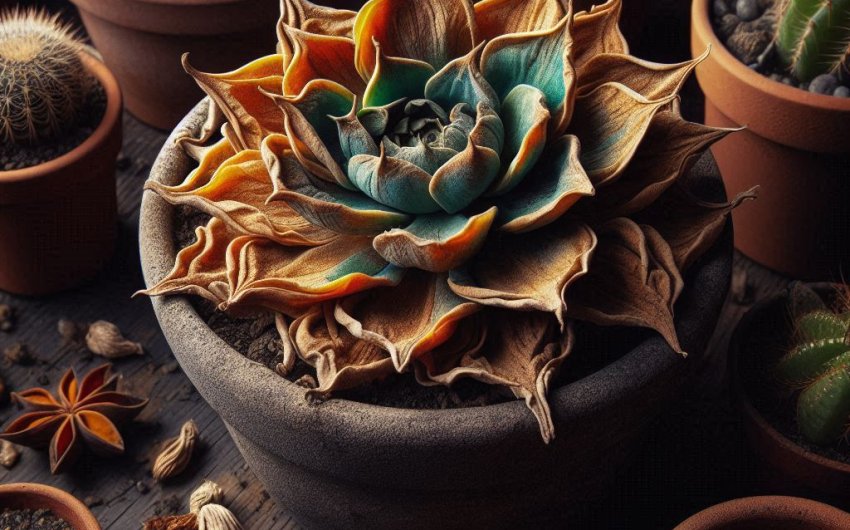
It can be incredibly disheartening to watch your beautiful indoor succulents dying, especially when they're often touted as low-maintenance and easy-to-care-for plants. While succulents are indeed resilient and drought-tolerant, their specific needs for light, water, and soil are often misunderstood, leading to common pitfalls that can quickly send them into decline. Understanding the tell-tale signs of distress and knowing how to troubleshoot the most common issues will help you revive your struggling plants and keep your succulent collection thriving.
Why Are My Indoor Succulents Dying? The Number One Killer: Overwatering
Overwatering is by far the leading cause of death for indoor succulents. Their succulent leaves and stems are designed to store water, making them highly susceptible to rot when exposed to consistently wet conditions.
How Overwatering Harms Succulents
- Root Suffocation: Succulent roots need oxygen. When soil stays waterlogged, the air pockets are filled with water, depriving roots of vital oxygen. This essentially "drowns" them.
- Root Rot: Lack of oxygen creates an anaerobic environment where harmful fungi and bacteria thrive. These pathogens attack the roots, causing them to turn soft, mushy, and eventually rot away.
- Systemic Failure: Once the roots are compromised, they can no longer absorb water or nutrients, even if present in the soil. The plant then begins to show signs of distress, ultimately leading to death.
Symptoms of Overwatering
It's crucial to distinguish these symptoms from underwatering, as they often appear similar but require opposite solutions.
- Soft, Mushy, Translucent Leaves: This is the most tell-tale sign. The leaves will feel squishy to the touch, and may even look clear or "waterlogged," as if they're bursting with water.
- Yellowing Leaves: Leaves may turn yellow, often starting from the bottom of the plant. This yellowing can progress to black as the tissue rots.
- Dropping Leaves: Leaves may fall off with just a slight touch.
- Foul Odor from Soil: A strong, putrid, or mildewy smell indicates severe root rot and bacterial growth in the soil.
- Mushy Stems or Base: The stem or base of the plant may turn soft and dark brown or black, indicating rot spreading up the plant.
- Overall Drooping/Limpness: Paradoxically, the plant may look droopy or limp even though the soil is wet, because the rotted roots cannot take up water.
Solution for Overwatered Succulents: Immediate Action is Key
- Stop Watering IMMEDIATELY: Do not give it another drop of water.
- Unpot the Plant: Gently remove the succulent from its pot. This allows you to inspect the roots.
- Inspect Roots: Healthy succulent roots are usually firm and white or light tan. Rotted roots will be dark brown or black, mushy, and often have a foul smell.
- Trim Rotted Parts: Using sterilized scissors or a sharp knife, cut away all affected roots and any mushy or discolored parts of the stem. Make sure you cut back to healthy, firm tissue. If the stem is significantly rotted, you might need to try propagation from a healthy top section (see "Propagation" section).
- Allow to Callous: Let the plant sit out in a dry, airy spot for a few days to a week. This allows the cut surfaces to "callous over" (form a protective scab), which helps prevent further rot when repotted.
- Repot: Repot into fresh, dry, well-draining succulent potting mix. Consider using a Terracotta Pot with Drainage if you previously used a non-porous pot.
- Delay Watering: Do not water the newly repotted succulent for at least a week, sometimes two, to allow it to recover from the stress and encourage new root growth.
Why Are My Indoor Succulents Dying? Insufficient Light
Indoor succulents typically originate from arid, sunny regions. Lack of adequate light is another extremely common problem.
How Low Light Harms Succulents
- Etiolation ("Stretching"): Without enough light, succulents will stretch and grow tall, with widely spaced leaves. This is called etiolation, as the plant desperately tries to reach for more light. This growth is weak and leggy.
- Loss of Color/Vibrancy: Variegated succulents may lose their vibrant colors, reverting to dull green. Stress colors (reds, oranges, purples) will not develop.
- Weakened Growth: The plant becomes more susceptible to disease and pests due to reduced vigor.
- Leaf Drop: Older, lower leaves may yellow and drop as the plant tries to conserve energy.
Symptoms of Insufficient Light
- Leggy, Stretched Appearance: Stems are elongated, and leaves are far apart.
- Leaves Pointing Downward: Instead of growing compact and upright, leaves may flatten out or point downward.
- Pale or Dull Color: The plant loses its vibrant green or stress colors, appearing washed out.
- Soft, Fragile Growth: The stretched stems and leaves are often weaker and more prone to breakage.
- No New Growth: Growth may stop altogether.
Solution for Insufficient Light: Gradual Acclimation is Key
- Relocate: Move your succulent to the brightest spot in your home. A south-facing window is often ideal. East-facing windows provide good morning sun.
- Gradual Acclimation: If moving from a very dark spot to very bright light, introduce it gradually over a week or two to prevent sunburn.
- Supplemental Lighting: If natural light is limited, invest in a Grow Light for Indoor Plants. Place it 6-12 inches (15-30 cm) above the plant for 12-16 hours a day.
- Pruning Etiolated Growth: Once the plant has adapted to more light, you can prune off the stretched, leggy growth. These healthy cuttings can often be propagated to create bushier new plants.
Why Are My Indoor Succulents Dying? Incorrect Soil and Drainage
The right soil and proper drainage are non-negotiable for indoor succulents. Using standard potting mix or a pot without drainage holes is a common error.
The Importance of Well-Draining Soil
- Fast Drying: Succulent soil needs to dry out quickly after watering to prevent root rot.
- Aeration: A gritty, coarse mix allows for essential air circulation around the roots.
- Nutrient Availability: While not heavy feeders, succulents still need access to nutrients, which healthy soil provides.
Symptoms of Poor Soil/Drainage
- Constantly Wet Soil: Even days after watering, the soil remains damp.
- Molding Soil Surface: Fungal growth or mildew may appear on the soil.
- Root Rot Symptoms: As described above (mushy leaves, foul odor).
Solution for Poor Soil/Drainage
- Repot with Proper Mix: Immediately repot your succulent into a specialized Succulent & Cactus Potting Mix. You can also make your own by mixing equal parts regular potting soil, perlite, and coarse sand.
- Use Pots with Drainage Holes: This is crucial. If your decorative pot lacks drainage, use a slightly smaller plastic nursery pot with drainage inside it. Never plant directly into a pot without drainage.
- Avoid Saucers with Standing Water: Always empty excess water from the saucer after watering.
Why Are My Indoor Succulents Dying? Underwatering
While less common to kill a succulent, persistent underwatering will cause it to slowly decline.
How Underwatering Harms Succulents
- Depleted Water Reserves: The plant uses up its stored water in leaves and stems.
- Dehydration: Cells begin to shrivel and die from lack of moisture.
- Stunted Growth: The plant will cease to grow or develop new leaves.
Symptoms of Underwatering
- Wrinkled or Shriveled Leaves: The leaves will appear shrunken, shriveled, or flattened, losing their plumpness. They may feel soft but not mushy.
- Crispy, Dry Edges/Tips: Leaf tips or margins may turn brown and crispy.
- Dry Soil Pulling Away: The soil will be bone dry and often pull away from the sides of the pot.
- Leaf Drop: Leaves may dry up completely and fall off.
Solution for Underwatered Succulents: A Good Soak
- Water Thoroughly: Give the plant a deep, thorough watering until water drains from the bottom.
- Bottom Watering (Optional): If the soil is severely dry and hydrophobic (repels water), place the pot in a tray or sink with a few inches of water for 30 minutes to an hour. This allows the soil to slowly rehydrate.
- Monitor: The plant should plump up and recover within 24-48 hours.
- Adjust Frequency: Establish a consistent watering rhythm where you allow the soil to dry out completely between waterings, but don't leave it dry for extended periods.
Other Reasons Why Your Indoor Succulents Might Be Dying
While watering, light, and soil are the big three, other factors can contribute to your indoor succulents dying.
5. Temperature Extremes
Succulents prefer stable, moderate temperatures.
- Too Cold:
- Symptoms: Blackened, mushy leaves (like frostbite), especially after exposure to temperatures below 40°F (4°C).
- Solution: Move away from cold windows, open doors, or drafty areas. Provide a stable indoor temperature (50-85°F or 10-30°C).
- Too Hot/Lack of Airflow:
- Symptoms: Stunted growth, stressed appearance, leaves curling or becoming discolored. Can exacerbate overwatering issues.
- Solution: Provide good air circulation. Ensure they aren't in stagnant, hot air.
6. Pests
While often resilient, succulents can fall victim to common houseplant pests.
- Common Pests: Mealybugs, spider mites, and aphids are the main culprits.
- Symptoms:
- Mealybugs: Small, white, cottony masses in leaf axils or on stems. Leaves may yellow and distort.
- Spider Mites: Tiny dots, fine webbing, leaves may look dusty or stippled.
- Aphids: Small green, black, or red insects often on new growth.
- Sticky Residue (Honeydew): A clear sign of sap-sucking pests.
- Solution:
- Isolate: Move infected plant away from others.
- Physical Removal: For light infestations, wipe off pests with a cotton swab dipped in rubbing alcohol.
- Insecticidal Soap/Neem Oil: Spray with Horticultural Insecticidal Soap or diluted Neem Oil for Plants. Repeat applications are usually necessary.
7. Over-Fertilization
Succulents are not heavy feeders. Too much fertilizer can cause more harm than good.
- Symptoms: Crispy leaf edges, stunted growth, white crust on soil surface.
- Solution: Flush the soil with plenty of plain water to leach out excess salts. Reduce or stop fertilizing.
- Recommendation: Fertilize only during the growing season (spring/summer) with a highly diluted (1/4 to 1/2 strength) Succulent Fertilizer, every 2-4 weeks.
8. Transplant Shock
After repotting, some temporary stress is normal.
- Symptoms: Limpness, slight yellowing, temporary leaf drop.
- Solution: Provide consistent care (right light, wait to water), and be patient. The plant should recover within a week or two.
How to Revive a Dying Indoor Succulent: A Summary Checklist
When your indoor succulents are dying, a systematic approach can help diagnose and correct the problem.
- Check Moisture First: Is the soil bone dry or soaking wet? This is the most common issue.
- Wet & Mushy: Overwatering/Root Rot. Unpot, trim, callous, repot in dry succulent mix.
- Dry & Wrinkled: Underwatering. Water thoroughly.
- Assess Light: Is it getting enough bright, indirect light? Too much direct, scorching sun?
- Stretching/Pale: More light.
- Bleached/Scorched: Less direct sun.
- Examine Soil & Pot: Is the soil fast-draining? Does the pot have drainage holes?
- No Drainage/Heavy Soil: Repot immediately into proper succulent mix and a pot with drainage.
- Look for Pests: Inspect thoroughly for any signs of insects.
- Pests Present: Isolate and treat with appropriate method (wiping, soap, neem oil).
- Consider Other Stressors: Temperature extremes, lack of airflow, or recent over-fertilization.
By understanding these key factors and being diligent in observing your plants, you can easily reverse the signs of distress and help your indoor succulents not just survive, but truly thrive, bringing their unique beauty to your home.