
How to Grow Indoor Herbs for Year-Round Use?
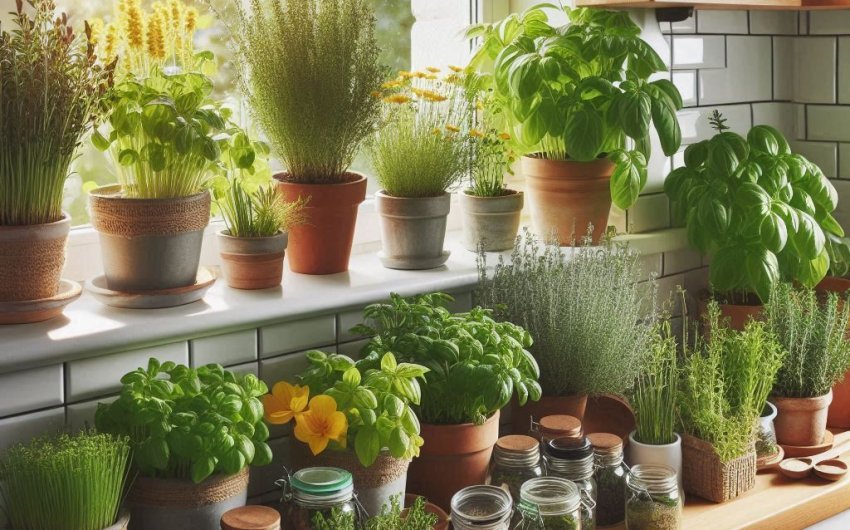
To grow indoor herbs for year-round use, prioritize selecting herbs suited for indoor conditions and provide them with ample light, well-draining soil, consistent watering, and adequate humidity. Choosing the right location and supplementing natural light are crucial steps for continuous harvests.
Why Grow Herbs Indoors for Year-Round Use?
Growing indoor herbs for year-round use brings fresh flavor, delightful aromas, and a touch of nature right into your home, regardless of the season outside. It's a practical and rewarding endeavor for anyone who loves cooking or enjoys gardening.
The Abundant Benefits of an Indoor Herb Garden
- Freshness at Your Fingertips: No more rushing to the grocery store for a small sprig of parsley or basil. With an indoor herb garden, fresh, flavorful herbs are always just a snip away, ready to enhance your culinary creations. This instant access often leads to more experimental and delicious cooking.
- Cost Savings: Buying fresh herbs frequently can add up. Growing your own significantly reduces grocery bills, especially for expensive or hard-to-find varieties. You get more use out of your initial plant or seed investment.
- Superior Flavor and Quality: Homegrown herbs often taste better than store-bought ones, which may have traveled long distances and lost some freshness. You control the growing conditions, ensuring organic and pesticide-free herbs.
- Continuous Supply (Year-Round): The main draw of indoor herbs is the ability to harvest fresh foliage even when outdoor gardens are dormant due to cold weather. This ensures your favorite flavors are available 365 days a year.
- Enhances Home Aesthetics: Herb plants, especially when grouped together or in attractive containers, add a beautiful touch of living greenery to your kitchen, windowsill, or any room. Their varied textures and shades of green contribute to a calming and inviting atmosphere.
- Aromatic Benefits: Many herbs release pleasant scents, subtly perfuming your home with refreshing or comforting aromas like mint, basil, or rosemary. This natural fragrance can uplift moods and make your living space more inviting.
- Therapeutic and Stress-Reducing: Gardening, even on a small scale indoors, is a recognized stress-reliever. Tending to your herbs can be a mindful, calming activity that connects you to nature, regardless of outdoor weather.
- Educational for Families: It's a great way to teach children about plant growth, food sources, and basic botany in a hands-on, accessible manner.
- Convenience: For quick meal prep, simply reach over and snip what you need. No need to step outside, even in bad weather.
- Pest Deterrence (Limited): Some herbs, like mint or rosemary, can slightly deter common indoor pests when grown near other houseplants, though this is a minor benefit.
Whether you're a seasoned gardener or a kitchen novice, growing indoor herbs for year-round use is an accessible and incredibly rewarding venture that adds flavor, beauty, and well-being to your home.
Which Herbs Are Best for Indoor Growing Year-Round?
Not all herbs are equally suited for indoor life. To successfully grow indoor herbs for year-round use, it's crucial to select varieties that adapt well to typical indoor conditions, particularly lower light levels and consistent temperatures.
Top Herbs for Year-Round Indoor Growing
These herbs generally perform well indoors, especially with adequate light and care:
Basil ( Ocimum basilicum ):
Advertisement- Light: Loves bright light, 6+ hours of direct sun ideally.
- Water: Keep consistently moist, but not soggy.
- Notes: Very sensitive to cold. Pinch off flower buds to encourage leafy growth. A great choice for cooking. Many varieties available like Genovese Basil Seeds.
Mint ( Mentha spp. ):
- Light: Tolerates partial sun (4-6 hours) but thrives in brighter light.
- Water: Keep consistently moist.
- Notes: Very easy to grow. Can be invasive outdoors, so a container is perfect for indoors. Many varieties (peppermint, spearmint, chocolate mint).
Chives ( Allium schoenoprasum ):
- Light: Bright light to full sun.
- Water: Keep evenly moist.
- Notes: Grow in clumps, snip leaves from the outside. Can be started from seed or divisions.
Oregano ( Origanum vulgare ):
- Light: Full sun to bright light.
- Water: Allow soil to dry out slightly between waterings.
- Notes: Mediterranean herb, appreciates good drainage. Bushy growth habit.
Thyme ( Thymus vulgaris ):
- Light: Full sun to bright light.
- Water: Prefers soil to dry out between waterings. Prone to root rot if overwatered.
- Notes: Bushy and creeping varieties. Great for culinary use.
Rosemary ( Rosmarinus officinalis ):
- Light: Loves bright, direct sun (6+ hours). Can struggle without enough light.
- Water: Allow soil to dry out between waterings. Prefers drier conditions than many other herbs.
- Notes: Needs good air circulation. Can grow into a small shrub.
Parsley ( Petroselinum crispum ):
- Light: Bright light, tolerates partial sun.
- Water: Keep consistently moist.
- Notes: Can be slow to germinate from seed. Both flat-leaf and curly varieties.
Cilantro/Coriander ( Coriandrum sativum ):
- Light: Bright light, tolerates partial sun.
- Water: Keep consistently moist.
- Notes: Can "bolt" (go to seed) quickly in warm indoor temperatures. Choose "slow-bolting" varieties and harvest frequently.
- Tip: Consider staggering plantings every few weeks for continuous supply.
Sage ( Salvia officinalis ):
- Light: Full sun to bright light.
- Water: Allow soil to dry out between waterings.
- Notes: Can become woody. Pinch back new growth to encourage bushiness.
Dill ( Anethum graveolens ):
- Light: Full sun to bright light.
- Water: Keep consistently moist.
- Notes: Can grow tall and become leggy indoors. Harvest frequently.
Herbs That Are Challenging Indoors
- Lavender: Needs strong sun, very good air circulation, and cooler conditions than most homes provide. Prone to fungal issues indoors.
- Bay Laurel: Can be grown indoors, but needs significant light and grows slowly. More of a small tree than a typical herb pot.
When starting your indoor herb garden, begin with varieties known for their indoor resilience. You can find herb seeds for indoor gardening or small potted herb plants at local nurseries.
What Are the Light Requirements for Indoor Herbs?
Light is arguably the single most important factor for successfully growing indoor herbs for year-round use. Most herbs are sun-loving plants that thrive outdoors in full sun, and replicating that indoors can be challenging but crucial for robust growth and flavor.
Understanding Indoor Herb Lighting Needs
- Mimicking Outdoor Conditions: Think about where herbs grow naturally: typically in open, sunny fields or Mediterranean climates. They are not shade plants.
- Minimum Requirement: Most herbs need a minimum of 4-6 hours of direct sunlight per day to merely survive indoors.
- Optimal Requirement: For truly thriving plants with strong flavor and vigorous growth, aim for 6-8 hours (or more) of direct, bright light.
Best Indoor Locations for Herbs
- South-Facing Window: This is generally the best spot in a home for herbs, as it receives the most consistent and intense sunlight throughout the day, especially in winter.
- East-Facing Window: Receives morning sun, which is gentle but sufficient for some herbs, especially those that can tolerate a bit less intensity (like mint, parsley, chives).
- West-Facing Window: Gets intense afternoon sun, which can be good, but may lead to overheating in summer for some plants.
- North-Facing Window: Generally too dim for most herbs to thrive, especially during winter months. Plants here will likely become leggy and produce weak flavor.
Supplementing Natural Light with Grow Lights
In most homes, especially during darker winter months or if you don't have ideal window exposure, supplemental grow lights are essential to grow indoor herbs for year-round use successfully.
- Types of Grow Lights:
- Fluorescent Grow Lights (T5 or T8 bulbs): Economical and effective for herbs. T5s are brighter and more efficient. Place lights 6-12 inches above plant tops.
- LED Grow Lights: More energy-efficient, long-lasting, and produce less heat. Full-spectrum LEDs are best. Distance from plants varies by wattage and type; follow manufacturer guidelines.
- Light Duration: Most herbs benefit from 12-16 hours of light per day under grow lights. Use a timer for consistency.
- Light Spectrum: Look for "full-spectrum" grow lights that mimic natural sunlight.
- Distance from Plants: Proper distance is key. Too far, and plants get leggy; too close, and leaves can burn. Follow light manufacturer's recommendations.
Signs of Insufficient Light
- Leggy Growth: Stems become stretched and spindly as the plant reaches for light.
- Pale Leaves: Leaves may be lighter green than normal.
- Reduced Flavor: Herbs grown in insufficient light will have weaker flavor.
- Poor Bloom/Growth: Little new growth, few or no flowers.
Providing adequate light is the single most impactful step you can take to ensure your indoor herbs for year-round use are robust, flavorful, and continuously productive. A good LED grow light for indoor plants is a worthy investment.
What are the Best Potting Mix and Container Choices for Indoor Herbs?
Choosing the right potting mix and containers is fundamental for the health and longevity of your indoor herbs for year-round use. Good drainage and aeration are paramount to prevent common indoor gardening issues.
Optimal Potting Mix for Indoor Herbs
- Well-Draining: This is the most critical feature. Herbs absolutely hate "wet feet," which leads to root rot. A good potting mix allows water to pass through quickly while retaining some moisture for the roots.
- Lightweight and Aerated: A mix that doesn't compact easily provides necessary air pockets for root respiration.
- Nutrient-Poor (initially): Unlike many houseplants, herbs don't need extremely rich soil. A basic, high-quality potting mix is sufficient initially, as you'll likely supplement with light feeding.
What to look for in a potting mix:
- A base of peat moss, coco coir, or compost.
- Aerating ingredients like perlite or vermiculite.
- Some mixes might include a small amount of sand for drainage, but avoid heavy garden soil, which compacts in pots.
- Avoid garden soil: Garden soil is too heavy, compacts easily in pots, and can introduce pests and diseases.
- A good option is a premium potting mix for herbs.
Ideal Container Choices for Indoor Herbs
Material:
- Terracotta/Unglazed Clay Pots:
- Pros: Porous material allows excellent air circulation to roots and moisture to evaporate through the pot walls, reducing the risk of overwatering and root rot.
- Cons: Dries out faster, requiring more frequent watering. Can accumulate mineral salts over time.
- Ideal For: Herbs that prefer drier soil between waterings (Rosemary, Thyme, Oregano).
- Plastic Pots:
- Pros: Lightweight, retain moisture longer (less frequent watering), affordable, wide variety of colors and styles.
- Cons: Can lead to overwatering if not careful, less air circulation to roots.
- Ideal For: Herbs that prefer consistently moist soil (Mint, Parsley, Basil), or for busy gardeners.
- Ceramic (Glazed) Pots:
- Pros: Decorative, retain moisture well.
- Cons: Heavy, retain moisture (similar to plastic, can lead to overwatering).
- Ideal For: Decorative use, but require careful watering.
- Terracotta/Unglazed Clay Pots:
Drainage Holes:
- Absolutely Essential: Regardless of material, every pot MUST have drainage holes at the bottom. Without them, water collects, leading to root rot and inevitable plant death.
- Saucers: Use a saucer or tray underneath to catch excess water and protect surfaces. Empty the saucer after watering.
Size:
- Start Small, Pot Up: Begin with pots appropriate for the plant's current size. Don't put a tiny seedling in a huge pot, as the excess soil will retain too much moisture.
- Growing Room: Choose a pot that allows for some root growth. Generally, select a pot that is 1-2 inches larger in diameter than the current root ball.
- Depth: Ensure adequate depth for the herb's root system. Most herbs do well in standard pot depths.
Repotting Tips
- Signs of Needing a Larger Pot: Roots growing out of drainage holes, plant wilting frequently despite watering, stunted growth.
- When to Repot: Repot in spring or early summer when growth is active.
- Process: Gently remove the plant, loosen circling roots, place in a slightly larger pot with fresh potting mix, and water thoroughly.
By selecting a high-quality, well-draining potting mix and containers with ample drainage, you'll provide your indoor herbs for year-round use with the healthy root environment they need to thrive.
What are the Watering and Humidity Needs for Indoor Herbs?
Proper watering and understanding humidity are critical for successfully growing indoor herbs for year-round use. Overwatering is a common killer of indoor plants, while insufficient humidity can also cause problems, especially in dry indoor environments.
Watering Indoor Herbs
- No Universal Schedule: The biggest mistake is watering on a fixed schedule. Instead, water when the plant needs it.
- Feel the Soil: The best indicator is to feel the soil.
- Most Herbs (Basil, Parsley, Mint, Chives): Water when the top inch or two of soil feels dry to the touch. Keep consistently moist but not soggy.
- Drought-Tolerant Herbs (Rosemary, Thyme, Oregano, Sage): Allow the top 2-3 inches of soil to dry out completely before watering again. These are prone to root rot if kept too wet.
- Water Thoroughly: When you do water, water until it drains out of the bottom of the pot. This ensures the entire root ball is moistened and flushes out any accumulated salts.
- Empty Saucer: Always empty any excess water from the saucer underneath the pot after about 15-30 minutes. Standing water leads to root rot.
- Signs of Underwatering: Wilting leaves, dry, crusty soil.
- Signs of Overwatering: Yellowing leaves, mushy stems, wilting despite wet soil (ironically), mold on soil surface.
Humidity for Indoor Herbs
- Dry Indoor Air: Most homes, especially in winter with heating systems running, have very low humidity. Many herbs (especially those native to more humid regions like basil or mint) prefer higher humidity than typical indoor air provides.
- Signs of Low Humidity: Brown, crispy leaf edges or tips.
- How to Increase Humidity:
- Pebble Trays: Place pots on a tray filled with pebbles and water. Ensure the bottom of the pot is above the water level, not sitting in it. As the water evaporates, it increases humidity around the plants.
- Misting (Limited Benefit): Lightly misting leaves with water can provide a temporary humidity boost, but it's short-lived. It can also encourage fungal issues if leaves stay wet too long. It's not a substitute for proper watering or other humidity solutions.
- Humidifier: For multiple plants or very dry homes, a small room humidifier placed near your herbs can be very effective.
- Grouping Plants: Grouping plants together can create a localized microclimate with slightly higher humidity as plants release moisture through transpiration.
By carefully monitoring soil moisture and providing adequate humidity, you'll create an optimal environment for your indoor herbs for year-round use, keeping them healthy and productive.
How Do I Fertilize and Harvest Indoor Herbs for Continuous Growth?
Proper fertilization and consistent harvesting techniques are key to encouraging continuous, bushy growth from your indoor herbs for year-round use. These practices ensure your plants remain productive and flavorful.
Fertilizing Indoor Herbs
- Less is More: Herbs are generally not heavy feeders, especially when grown in pots. Over-fertilizing can lead to leggy growth with less flavor, and can even burn the roots.
- Initial Nutrients: High-quality potting mix usually contains enough nutrients for the first few weeks or months.
- Timing:
- Active Growing Season: Fertilize during their active growing season, primarily spring and summer. Reduce or stop fertilizing in fall and winter when light levels are lower and growth naturally slows.
- Frequency: Apply a diluted liquid fertilizer every 2-4 weeks during the active season, or use a slow-release granular fertilizer every 3-4 months.
- Type of Fertilizer:
- Use a balanced, all-purpose liquid fertilizer formulated for houseplants or edibles (e.g., 5-5-5 or 10-10-10 NPK ratio).
- Dilution: Always dilute liquid fertilizers to half-strength (or even quarter-strength) compared to the package directions to avoid over-fertilizing.
- Organic Options: Fish emulsion, seaweed extract, or liquid compost tea are excellent organic choices that provide gentle, broad-spectrum nutrients. A good organic liquid plant food can work wonders.
Harvesting Indoor Herbs for Continuous Growth
- Pinch, Don't Pull: Always use clean scissors or sharp pruning shears for harvesting. Avoid simply pulling leaves, as this can damage the plant.
- Frequent, Light Harvesting: Regular harvesting is crucial for promoting bushier growth and preventing herbs from becoming leggy or going to seed (bolting).
- Pinch Back Growth Tips: For most herbs (Basil, Mint, Oregano, Thyme, Sage), focus on pinching off the top sets of leaves and the stem just above a leaf node (where leaves emerge from the stem). This encourages the plant to branch out, producing two new stems from that point, leading to a bushier plant.
- Don't Over-Harvest: Never remove more than 1/3 of the plant at once, especially for smaller plants. This allows the plant enough foliage for photosynthesis and recovery.
- Specific Herb Harvesting Tips:
- Basil: Pinch off the central stem to encourage branching once the plant has a few sets of true leaves. Harvest frequently, ensuring you remove any flower buds as soon as they appear, as flowering reduces leaf production and flavor.
- Mint: Very vigorous. Harvest frequently by snipping stems above a leaf node.
- Chives: Snip off outer leaves close to the base, leaving the inner ones to grow.
- Parsley: Harvest outer leaves and stems close to the base.
- Rosemary: Snip off sprigs from the tips of branches. Avoid cutting into very old, woody stems unless doing structural pruning.
- Cilantro: Harvest outer leaves first. It tends to bolt quickly in warm conditions, so frequent harvesting and potentially successive plantings are key.
By combining judicious fertilization with regular, strategic harvesting, you'll ensure your indoor herbs for year-round use remain vibrant, productive, and a constant source of fresh flavor for your kitchen.
What Are Common Problems with Indoor Herbs and How to Fix Them?
Even with the best intentions, growing indoor herbs for year-round use can present a few common challenges. Understanding these issues and their solutions will help you keep your herbs healthy and thriving.
Troubleshooting Common Indoor Herb Problems
Leggy, Stretched Growth (Long stems, sparse leaves):
- Cause: Insufficient light. The plant is stretching to find more light.
- Solution: Move the herb to a brighter location (e.g., south-facing window). Supplement with a grow light, ensuring it's close enough and on for 12-16 hours a day. Prune back leggy growth to encourage bushiness.
Yellowing Leaves:
- Cause: Most commonly overwatering (leading to root rot), but can also be underwatering, nutrient deficiency, or natural aging of lower leaves.
- Solution:
- Overwatering: Check soil moisture. Allow soil to dry out more between waterings. Ensure excellent drainage holes. Reduce watering frequency.
- Underwatering: Feel the soil. If dry, water thoroughly.
- Nutrient Deficiency: If consistent watering isn't the issue, consider a light feeding with a balanced liquid fertilizer during the growing season.
- General: Remove yellow leaves to direct plant energy elsewhere.
Wilting Plants:
- Cause: Can be both underwatering (dry soil, plant collapses) or overwatering (root rot prevents water uptake, plant collapses). Also, extreme heat or cold.
- Solution:
- Underwatering: If soil is dry, water thoroughly. Plant should perk up within hours.
- Overwatering: If soil is wet and plant is wilting, this is critical. Stop watering immediately. Improve air circulation. You may need to repot into fresh, dry soil and inspect for rotten roots.
- Temperature: Ensure the plant is in a stable temperature range (60-75°F / 15-24°C).
Sudden Leaf Drop:
- Cause: Often a sign of sudden environmental stress: dramatic temperature changes, draft, severe underwatering, or overwatering.
- Solution: Identify and rectify the stressor. Provide consistent conditions.
Small or Pale Leaves:
- Cause: Insufficient light (most common) or nutrient deficiency.
- Solution: Increase light exposure (natural or grow light). Consider a very diluted feeding during the growing season.
Pests (e.g., Aphids, Spider Mites, Fungus Gnats):
- Aphids: Small green/black/brown insects on new growth.
- Solution: Blast with a strong spray of water (take plant to sink). Use insecticidal soap.
- Spider Mites: Tiny, almost invisible, causing stippled leaves and fine webbing. Thrive in dry conditions.
- Solution: Increase humidity. Wipe leaves regularly. Use insecticidal soap or neem oil.
- Fungus Gnats: Small, black flying insects often around soil surface. Larvae feed on roots in wet soil.
- Solution: Allow soil to dry out more between waterings. Use sticky traps for adults. Apply beneficial nematodes.
- General Pest Control: Inspect plants regularly. Isolate infested plants immediately. Avoid harsh chemical pesticides.
- Aphids: Small green/black/brown insects on new growth.
Herbs "Bolting" (Going to Seed):
- Cause: Stress (heat, insufficient water), long daylight hours, or simply the plant's natural life cycle completion. Basil and cilantro are prone to this.
- Solution: Harvest frequently, especially by pinching off the central growth tip and any flower buds as soon as they appear. Ensure consistent moisture. Some varieties are "slow-bolting."
By regularly observing your indoor herbs for year-round use and promptly addressing these common issues, you can keep your garden flourishing and enjoy fresh flavors continuously.