
How to Treat Spider Mites on Indoor Plants?
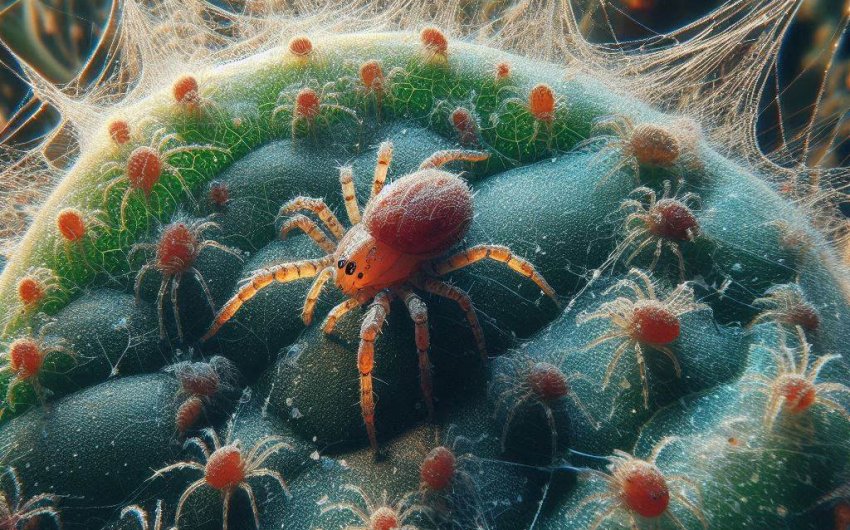
Discovering tiny specks, sticky residue, or delicate webbing on your cherished indoor plants can quickly turn the joy of plant parenting into a frustrating battle. Among the most notorious and persistent adversaries are spider mites. These microscopic pests, technically arachnids rather than insects, can quickly multiply and wreak havoc, leaving your once-lush foliage looking dull, speckled, or severely damaged. The good news is that while challenging, a spider mite infestation on indoor plants is entirely treatable with patience and the right strategies. If you're ready to reclaim your green companions from these unwelcome guests, let's explore how to treat spider mites on indoor plants using a multi-pronged approach that prioritizes plant health and long-term control.
What Are Spider Mites? (And Why Are They So Troublesome?)
Before you can effectively treat spider mites, it helps to understand who they are and what makes them such formidable foes for indoor plants.
What Do Spider Mites Look Like?
- Size: This is their most frustrating characteristic – they are incredibly tiny, barely visible to the naked eye. They are typically less than 1/50th of an inch (0.4 mm) long, appearing as minute moving specks.
- Color: Common species, like the two-spotted spider mite, are often greenish-yellow with two dark spots on their backs. Other species can be red, orange, or brown.
- Appearance: They have oval-shaped bodies and eight legs, resembling miniature spiders (hence the name "spider" mite). They lack antennae.
- Webbing: The most definitive sign of their presence, especially in heavier infestations, is the fine, silken webbing they spin. This webbing is often found on the undersides of leaves, in leaf axils, or strung between leaves and stems. It serves as protection for them and their eggs.
What is Their Life Cycle?
Understanding the spider mite life cycle explains why repeat treatments are essential. Their life cycle is remarkably fast, allowing populations to explode quickly.
- Egg: Females lay tiny, spherical, often translucent eggs, typically on the undersides of leaves or within their protective webbing. A single female can lay hundreds of eggs in her lifetime.
- Larva: Eggs hatch into six-legged larvae, which immediately begin feeding.
- Nymphs: Larvae molt into protonymph and then deutonymph stages, each having eight legs and continuing to feed and grow.
- Adult: Nymphs molt into adults, which are sexually mature and continue to feed, mate, and lay eggs.
- Speed: The entire life cycle, from egg to adult, can be completed in as little as 5-7 days under warm, dry conditions (like a typical indoor environment). This rapid reproduction means that a small population can become a severe infestation in just a few weeks.
Why Are They So Hard to Control?
- Rapid Reproduction: Their extremely fast life cycle means that new generations are constantly emerging, making it difficult to completely eradicate them with a single treatment.
- Tiny Size and Hiding Places: Their small size allows them to hide in crevices, on leaf undersides, and within their webbing, making them difficult to spot early and hard to reach with sprays.
- Webbing Protection: The webbing acts as a physical barrier, protecting the mites and their eggs from sprays and predators.
- Resistance Development: Spider mites can quickly develop resistance to pesticides if the same chemical is used repeatedly.
- Spread: They can spread easily from plant to plant through air currents, on clothing, or by contact.
- Preference for Dry Conditions: They thrive in hot, dry environments, which are common indoors, especially during winter with heating systems.
Despite these challenges, diligent and consistent effort using a combination of methods can effectively bring spider mite populations under control and restore your plants to health.
What Are the Signs of Spider Mite Damage on Indoor Plants?
Spider mite damage often starts subtly and escalates quickly. Learning to recognize the early signs is crucial for preventing a full-blown infestation.
Early Signs of Damage (Subtle Clues)
- Tiny Yellow or White Dots (Stippling): This is usually the very first noticeable symptom on the top surface of the leaves. As spider mites pierce plant cells and suck out chlorophyll, they leave behind tiny, pinprick-sized pale spots or speckles. These are often referred to as "stippling."
- Location: Look closely, especially near the veins of the leaves or in patches where mites are actively feeding.
- Progression: Over time, these tiny spots can merge, leading to larger discolored areas.
- Dull or Faded Foliage: As more and more chlorophyll is removed, the leaves lose their vibrant green color and take on a dull, dusty, or faded appearance.
- Why: The plant is losing its ability to photosynthesize efficiently.
- Faint, Silvery Sheen on Leaves: The damaged areas where mites have been feeding can sometimes develop a slight silvery or bronzed sheen as the empty plant cells reflect light differently.
- Sticky Residue (Not from Mites Directly): If the damage is severe, the plant may be stressed and secrete honeydew (a sticky, sugary substance), although this is more common with sap-sucking insects like aphids or mealybugs. However, spider mite feeding can weaken plants and make them susceptible to secondary issues or attract ants looking for honeydew from other pests.
Advanced Signs of Damage (Obvious Infestation)
- Fine Webbing (The Definitive Sign): This is the most diagnostic symptom and confirms a spider mite infestation. The webbing is usually very fine and delicate, often appearing in:
- Leaf Axils: Where leaves meet the stem.
- Undersides of Leaves: Often strung across the concave parts.
- Between Leaves and Stems: In severe cases, the entire plant can look draped in a ghostly web.
- How to Spot: The webbing is easier to see if you mist the plant, as the water droplets will cling to the strands.
- Visible Mites Moving: While tiny, with good eyesight or a magnifying glass (a jeweler's loupe is excellent for this), you might see the minute specks moving on the undersides of leaves or within the webbing.
- Yellowing, Browning, or Crisping Leaves: As damage progresses, entire leaves will turn yellow, then brown, become crispy, and eventually drop off prematurely. This usually starts with older leaves.
- Stunted Growth and Decline: The plant's overall growth will slow dramatically. New growth may be distorted or very small. In severe, untreated cases, the plant can eventually die from chronic stress and nutrient loss.
How to Confirm a Spider Mite Infestation (The White Paper Test)
Because they are so small, a simple test can help confirm their presence.
- Method: Hold a piece of white paper or a white plate directly beneath a suspect leaf or stem. Gently tap or shake the leaf vigorously.
- Observation: Watch the paper closely for a few seconds. If spider mites are present, tiny specks will fall onto the paper. Observe them: if they are actively crawling around, especially very slowly, it's highly likely they are spider mites. If you smudge them with your finger, they might leave a faint reddish-brown streak (from their digested plant sap).
Regularly inspecting your plants, especially the undersides of leaves, and knowing these signs will enable you to catch and treat spider mites before they cause extensive damage to your beloved indoor plant collection.
How to Treat Spider Mites on Indoor Plants? (Integrated Pest Management)
Successfully treating spider mites requires a multi-pronged, consistent approach. There's no magic bullet; instead, it's about combining methods to disrupt their life cycle and reduce their population.
Step 1: Isolate and Prepare the Plant (Crucial First Steps)
- Isolate Immediately: As soon as you suspect spider mites, move the infested plant away from all other houseplants. This prevents the mites from spreading to your healthy plants.
- Physical Removal/Hose Down:
- Method: Take the plant to a sink, shower, or outdoors (if weather permits). Use a strong jet of water (but not so strong it damages the plant) to spray down the entire plant, focusing heavily on the undersides of leaves, stems, and crevices.
- Purpose: This physically dislodges a significant number of mites and washes away some of the protective webbing.
- Frequency: Repeat this step every 2-3 days, as part of your ongoing treatment.
- Wipe Down Leaves: After hosing, or as an alternative for delicate plants, use a damp cloth or paper towel to physically wipe down the top and especially the undersides of every leaf.
- Purpose: Removes mites, eggs, and webbing. This is very effective for initial knockdown.
- Prune Damaged Areas (If Severe): For heavily infested or severely damaged leaves that are beyond recovery, prune them off and dispose of them in a sealed bag in the trash (not the compost pile). This reduces the mite population on the plant. Ensure to disinfect your pruning shears immediately after.
Step 2: Choose and Apply a Treatment (Organic/Least Toxic First)
Consistency is key here, as you need to target successive generations.
- Insecticidal Soap:
- How it Works: Works by suffocating soft-bodied insects and mites on contact. It has very low toxicity to humans and pets once dry.
- Application: Mix according to label directions. Spray thoroughly, ensuring complete coverage of all plant surfaces, especially the undersides of leaves, until the plant is dripping.
- Frequency: Apply every 5-7 days for at least 2-4 weeks (to target newly hatched mites that weren't present during the previous spray).
- Considerations: No residual effect, so it only kills what it directly touches. Can sometimes burn very sensitive plants or if applied in direct hot sun. Test on a small area first. The Safer Brand Insect Killing Soap is a popular, ready-to-use option.
- Neem Oil:
- How it Works: A botanical oil that acts as an antifeedant, growth disruptor (interferes with mite development), and repellent. It's less harsh than synthetic pesticides.
- Application: Mix a high-quality, cold-pressed neem oil concentrate with water and a few drops of mild soap (as an emulsifier). Spray thoroughly, ensuring complete coverage of all plant surfaces, especially the undersides.
- Frequency: Apply every 7-10 days for at least 3-4 weeks.
- Considerations: Can take longer to see results than insecticidal soap. Avoid applying in direct sunlight, as it can cause leaf burn. Test on a small area first. The Garden Safe Brand Neem Oil Extract Concentrate is a good choice.
- Horticultural Oil (Mineral Oil-Based):
- How it Works: Suffocates mites by coating them.
- Application: Mix and spray as directed. Effective against all life stages, including eggs.
- Frequency: Apply every 7-10 days for 2-3 weeks.
- Considerations: Can cause leaf burn on sensitive plants or if applied in hot, direct sun. Avoid on plants with fuzzy leaves or blue foliage. Always read the label.
Step 3: Increase Humidity (Spider Mites Hate It!)
Spider mites thrive in hot, dry conditions. Increasing humidity around your plants can help deter them and make the environment less favorable for their reproduction.
- Mist Regularly: Lightly mist your infested plant daily or several times a day. While misting alone won't eradicate mites, it increases humidity and can wash some mites away.
- Pebble Tray: Place the potted plant on a tray filled with pebbles and water. Ensure the bottom of the pot is above the waterline. As the water evaporates, it increases humidity around the plant.
- Humidifier: If you have a larger collection of plants or live in a very dry climate, a room humidifier can significantly raise ambient humidity.
- Group Plants: Grouping plants together can create a small, more humid microclimate.
Step 4: Biological Control (For Persistent or Large Collections)
Introducing natural predators can be a highly effective long-term solution, especially for recurring infestations or large plant collections.
- Predatory Mites (Phytoseiulus persimilis):
- How they Work: These specialized predatory mites actively hunt and feed on spider mites, particularly the two-spotted variety. They are very effective at reducing populations.
- Application: Purchase from reputable online biological control suppliers. Release them directly onto the infested plants.
- Considerations: They need a food source (the spider mites themselves) to survive, so a severe infestation is actually ideal for their establishment. You cannot use chemical pesticides once you release beneficial mites. Optimal temperature and humidity are required for their success.
- Tool: Look for Phytoseiulus persimilis predatory mites.
Step 5: Ongoing Monitoring and Prevention
- Inspect Regularly: Make it a habit to inspect all your indoor plants (especially the undersides of leaves) regularly, perhaps once a week, even when there are no obvious problems. Early detection is key.
- Quarantine New Plants: Always isolate new plants for at least 2-4 weeks before introducing them to your main collection. This prevents hitchhiking pests from spreading.
- Cleanliness: Keep your plant areas clean. Wipe down shelves, windowsills, and the outside of pots.
- Proper Plant Care: Healthy, well-watered, and properly fed plants are more resilient to pest attacks. Ensure your plants are getting adequate light, water, and nutrients. Avoid stressing your plants.
By implementing these strategies consistently and patiently, you can effectively treat spider mites on your indoor plants, helping them recover and thrive, and safeguarding your entire plant collection from future invasions.