
How to Get Rid of Mealybugs on Orchids?
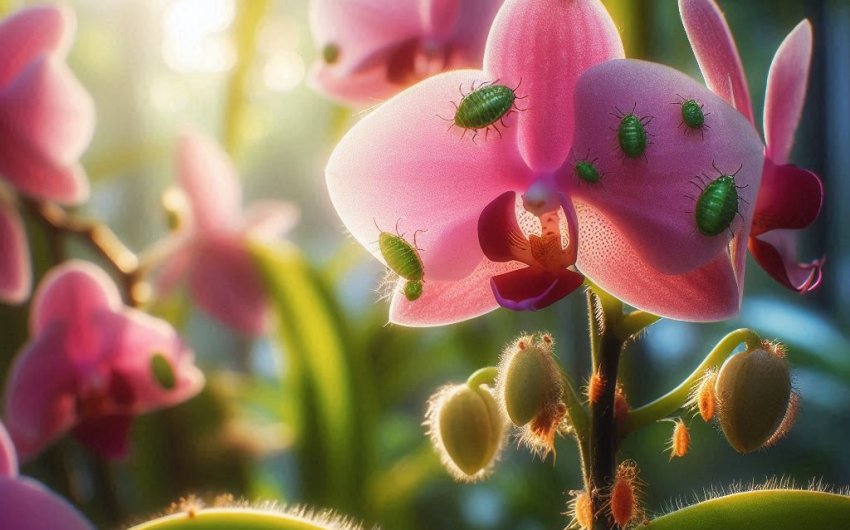
There's nothing quite like the elegance of an orchid in bloom. Their delicate, often exotic flowers bring a touch of tropical paradise into any home. But imagine admiring your cherished Phalaenopsis, only to spot tiny, white, fuzzy cotton-like masses nestled in the nooks and crannies of its leaves or flower spikes. You've just met the dreaded mealybug.
These small, sap-sucking pests are a common scourge for many houseplants, and orchids are particularly susceptible. Mealybugs can weaken your plant, cause distorted growth, yellowing leaves, and even prevent blooming if left unchecked. They thrive in warm, humid environments and can spread quickly from one plant to another, turning a single infestation into a full-blown crisis for your entire collection.
But don't despair! While mealybugs on orchids can be persistent, they are not invincible. With vigilance, proper identification, and consistent effort, you can effectively get rid of mealybugs and protect your beautiful orchids. This comprehensive guide will walk you through every step of the process, from spotting the first signs to implementing long-term prevention strategies. Let's reclaim your orchid's health and beauty!
What Exactly Are Mealybugs and Why Do They Love Orchids?
Understanding your enemy is the first step to winning the battle. Knowing the characteristics of mealybugs and why they are drawn to orchids helps in both identification and effective treatment.
How Do I Identify Mealybugs on Orchids?
Mealybugs are tiny, soft-bodied insects, typically ranging from \( \frac{1}{20} \) to \( \frac{1}{5} \) inch (1 to 5 mm) long. Their most distinguishing feature is the waxy, white, powdery coating that covers their bodies, making them look like small bits of cotton or fuzzy mold. This waxy layer protects them from pesticides and drying out.
Here's how to spot them on your orchids:
- White, Fuzzy Masses: Look for small, cottony, or fuzzy white spots, often clustered together. These are typically adult female mealybugs or egg sacs.
- Location: They tend to hide in sheltered, difficult-to-reach areas:
- Leaf Axils: Where the leaves meet the stem (the "armpits" of the plant).
- Undersides of Leaves: Especially along the veins.
- Crevices of Pseudobulbs: On orchid types that have them (e.g., Cattleya, Oncidium).
- Flower Spikes and Buds: They can cause buds to drop or flowers to distort.
- Root System (Root Mealybugs): A less common but more insidious type of mealybug that lives in the potting mix and feeds on the roots. These look similar but are often dirt-covered and found when repotting or if a plant is severely struggling without obvious above-ground pests.
- Honeydew: As mealybugs feed, they excrete a sticky, sugary substance called honeydew. This can make leaves feel tacky or shiny.
- Sooty Mold: Honeydew can also lead to the growth of sooty mold, a black, powdery fungus that doesn't directly harm the plant but blocks light and indicates a pest problem.
- Distorted or Yellowing Growth: Heavy infestations can cause leaves to yellow, turn brown, wilt, or become distorted. Flower buds may fail to open or may drop prematurely.
- Weakened Plant: Over time, the continuous sucking of sap weakens the plant, making it less vigorous and more susceptible to other stresses.
Early detection is key! Regularly inspect your orchids, especially the hidden spots, as part of your watering or care routine.
Why Are Orchids Particularly Susceptible to Mealybugs?
Orchids create an almost ideal environment for mealybugs to thrive.
- Warm, Stable Temperatures: Most houseplant orchids (like Phalaenopsis) are grown in stable indoor environments with consistent warm temperatures that mealybugs prefer.
- Humidity: Many orchids also appreciate higher humidity, which can be favorable for mealybug reproduction.
- Sheltered Nooks: The structure of orchid leaves, pseudobulbs, and flower spikes provides plenty of hidden crevices and protected spots where mealybugs can hide and reproduce undisturbed. Their waxy coating also makes them hard to wash off directly.
- Infrequent Handling: Unlike other houseplants that might be moved or handled more often, orchids are often left undisturbed while in bloom, giving mealybugs more time to establish.
- Stress: An orchid that is already stressed (e.g., from improper watering, light, or temperature) can be more vulnerable to pest infestations.
Understanding these factors helps reinforce the importance of regular inspection and prompt action.
What Damage Can Mealybugs Cause to My Orchids?
The damage from mealybugs ranges from cosmetic to potentially fatal for your orchids.
- Sap-Sucking: Mealybugs are sucking insects. They insert their mouthparts into the plant tissue and feed on the plant's sap. This deprives the plant of vital nutrients and water.
- Weakened Growth: Continuous feeding leads to a weakened plant, showing reduced vigor, stunted growth, and a general decline in health.
- Yellowing and Browning Leaves: As the plant loses sap, its leaves may yellow and eventually turn brown.
- Distorted Flowers and Buds: Infestations on flower spikes can lead to deformed flowers, buds that fail to open, or premature bud drop. This is especially frustrating when your orchid is about to bloom.
- Honeydew and Sooty Mold: The sticky honeydew attracts ants (which may "farm" mealybugs for their honeydew) and encourages the growth of sooty mold. While sooty mold doesn't directly harm the plant, it looks unsightly and can block light from reaching the leaves, reducing photosynthesis.
- Viral Transmission: While less common, mealybugs can potentially transmit plant viruses from one infected plant to a healthy one, posing a more serious threat to your collection.
A severe, unchecked infestation can ultimately lead to the death of the orchid, especially smaller or weaker plants.
What Are the Best Methods to Get Rid of Mealybugs?
Killing mealybugs on orchids requires patience, persistence, and a multi-step approach. Consistency is key to eradicating them.
Should I Isolate My Infected Orchid?
Yes, absolutely! This is the crucial first step as soon as you detect mealybugs.
- Prevent Spread: Mealybugs spread easily. If an infected orchid is near other plants (orchids or other houseplants), the mealybugs will quickly move to new hosts.
- Isolation Area: Move the infected orchid to a separate room or a secluded area away from your other plants. Make sure the isolation area is well-lit but not in direct, scorching sun.
- Monitor Neighbors: Thoroughly inspect all plants that were near the infected orchid, as they may already have early signs of infestation.
Isolation protects your entire collection from a widespread infestation.
How Can I Manually Remove Mealybugs?
Manual removal is the most immediate and often most effective method for light to moderate infestations. It's safe for your orchids and environmentally friendly.
- Rubbing Alcohol (Isopropyl Alcohol): This is a go-to for mealybug spot treatment.
- Method: Dip a cotton swab or cotton ball in 70% isopropyl alcohol (rubbing alcohol, like Swan Isopropyl Alcohol 70%). Gently wipe or dab the alcohol directly onto each visible mealybug or cottony mass. The alcohol dissolves their waxy coating, dehydrating and killing them.
- Test First: Always test a small, inconspicuous area of the orchid (e.g., the underside of a leaf) first to ensure the alcohol doesn't cause any adverse reaction. While generally safe, some sensitive orchids or prolonged contact could cause minor discoloration.
- Reach All Areas: Be thorough! Check every nook and cranny – leaf axils, undersides of leaves, between pseudobulbs, and even in the potting media for root mealybugs. You might need a magnifying glass.
- Strong Water Spray: For visible mealybugs on leaves or stems (not on delicate flowers), a strong spray of water can physically dislodge them.
- Method: Take the orchid to a sink or outdoors. Use a strong stream of water from a spray nozzle or faucet to dislodge the mealybugs. Be careful not to blast the potting medium out of the pot. This is often a temporary solution as it doesn't kill them, only knocks them off. It's best used in conjunction with alcohol treatment.
- Pruning: If a leaf or flower spike is heavily infested, and the infestation hasn't spread elsewhere, sometimes the best solution is to prune off the affected part entirely. Use clean, sterilized pruning shears to prevent spreading any potential diseases. Dispose of the infested material in a sealed bag.
Manual removal needs to be done repeatedly and consistently. Mealybugs reproduce quickly. Recheck your orchid every 3-5 days and repeat treatments as needed for several weeks to catch newly hatched nymphs.
When Should I Use Insecticidal Soaps or Neem Oil?
For more widespread infestations or as a follow-up to manual removal, insecticidal soaps and Neem oil are good organic options.
- Insecticidal Soap:
- How it Works: Insecticidal soaps (like Garden Safe Insecticidal Soap Insect Killer) work by suffocating soft-bodied insects. They break down the insect's outer membrane, causing dehydration. They are contact killers, meaning they only work on bugs they directly hit.
- Application: Mix according to label directions (usually with water). Spray the entire orchid thoroughly, ensuring you get into all crevices and the undersides of leaves.
- Frequency: Repeat application every 7-10 days for several weeks (at least 3-4 applications) to target newly hatched nymphs.
- Test First: Always test on a small part of the plant first to ensure there's no adverse reaction (e.g., leaf burn or discoloration).
- Avoid Wetting Blooms: Try to avoid spraying open flowers, as the soap can sometimes spot or damage them.
- Neem Oil:
- How it Works: Neem oil (a natural extract from the neem tree, like Dyna-Gro Pure Neem Oil) is an organic insecticide, fungicide, and miticide. It works in multiple ways: it's an anti-feedant, growth disruptor, and can also suffocate insects. It often needs to be mixed with a little mild soap to emulsify (mix properly) with water.
- Application: Mix according to label directions. Spray the entire orchid thoroughly, covering all leaf surfaces and crevices. Neem oil also has some systemic action, meaning the plant can absorb it, making it effective against hidden pests.
- Frequency: Apply every 7-14 days for several weeks to break the mealybug life cycle.
- Test First: Always test on a small, inconspicuous area first.
- Avoid Direct Sun: Do not apply Neem oil when the plant is in direct sunlight or when temperatures are very high, as this can cause leaf burn. Apply in the early morning or evening.
- Good for Root Mealybugs: If you suspect root mealybugs, a diluted Neem oil solution can be used as a drench for the potting media.
Always follow label directions precisely for any product you use.
What About Biological Control?
For severe or persistent mealybug infestations, especially in controlled environments like greenhouses, beneficial insects can be a highly effective long-term solution.
- Mealybug Destroyer (Cryptolaemus montrouzieri): This is a type of lady beetle whose larvae are often called "mealybug destroyers" because they look like giant mealybugs but are actually preying on them! Both the larvae and adult beetles voraciously feed on mealybugs.
- Availability: You can purchase mealybug destroyer larvae or adults online from insectaries.
- Conditions: Requires specific temperature and humidity conditions to thrive, and you must avoid using any chemical pesticides once released.
- Not for all situations: Best for large collections or greenhouse environments, not typically for one or two houseplants.
- Other Beneficials: Some parasitic wasps can also target mealybugs, but they are less common for home use.
Biological control is a long-term strategy and requires a commitment to a chemical-free environment.
How Can I Prevent Mealybugs on My Orchids?
Prevention is always better than cure. Good cultural practices and regular vigilance are your best defense against mealybugs.
Should I Inspect New Plants?
Absolutely! New plants are one of the most common ways mealybugs enter your home.
- Quarantine Period: Whenever you bring a new orchid (or any new houseplant) into your home, quarantine it for at least 4-6 weeks in a separate room, away from your existing plants. This gives you time to observe it for any signs of pests or diseases before they can spread.
- Thorough Inspection: During the quarantine period, regularly and thoroughly inspect the new plant, checking all the hidden spots where mealybugs love to hide. Pay extra attention to the undersides of leaves and leaf axils.
- Cleanliness: If you suspect any pests, treat the plant immediately during quarantine. Even if you don't see anything, a prophylactic spray of Neem oil or insecticidal soap can be a good idea for new plants.
How Do I Keep My Orchids Healthy?
Healthy plants are more resistant to pest infestations.
- Proper Light: Provide the correct light levels for your specific orchid type. Most popular orchids (like Phalaenopsis) prefer bright, indirect light.
- Proper Watering: Avoid overwatering or underwatering. Learn your orchid's specific watering needs (e.g., allow potting mix to dry slightly between waterings for Phalaenopsis). Use good quality orchid potting mix for excellent drainage.
- Good Air Circulation: Stagnant air can encourage pests. Ensure good air circulation around your orchids, but avoid direct, strong drafts. A small fan can help if needed.
- Appropriate Humidity: While mealybugs like humidity, healthy orchids thrive in it. Aim for the correct humidity levels for your specific orchid, often between 40-70%. A plant humidifier can help maintain this.
- Proper Fertilization: Fertilize your orchids regularly during their active growing season using a balanced orchid fertilizer according to label directions. This supports strong growth and overall health.
- Repot When Needed: Orchids should be repotted every 1-2 years or when their potting mix starts to break down. This prevents root rot and allows you to inspect roots for pests like root mealybugs. Use fresh orchid-specific potting mix.
What About Regular Inspections and Cleaning?
Vigilance and cleanliness are your best friends in mealybug prevention.
- Weekly Check-ups: Make it a habit to inspect all your orchids thoroughly every week. Look for any signs of mealybugs (fuzzy spots, honeydew), especially in those hidden nooks. The sooner you spot them, the easier they are to eliminate.
- Wipe Down Leaves: Occasionally wipe down the leaves of your orchids with a damp cloth to remove dust and keep them clean. This also gives you a chance to inspect for pests.
- Clean Up Debris: Remove any fallen leaves, spent flowers, or dead plant material from around the orchid and out of its pot. This removes potential hiding spots for pests.
- Clean Tools and Pots: Sterilize your pruning shears and clean any pots before reusing them, especially if they housed an infected plant. A 10% bleach solution or isopropyl alcohol can be used for sterilization.
By consistently applying these preventive measures, you significantly reduce the risk of future mealybug infestations and ensure your orchids remain healthy, vibrant, and ready to bloom. Enjoy the beauty of your pest-free orchid collection!