
How to Start Seeds Indoors in Late Winter?
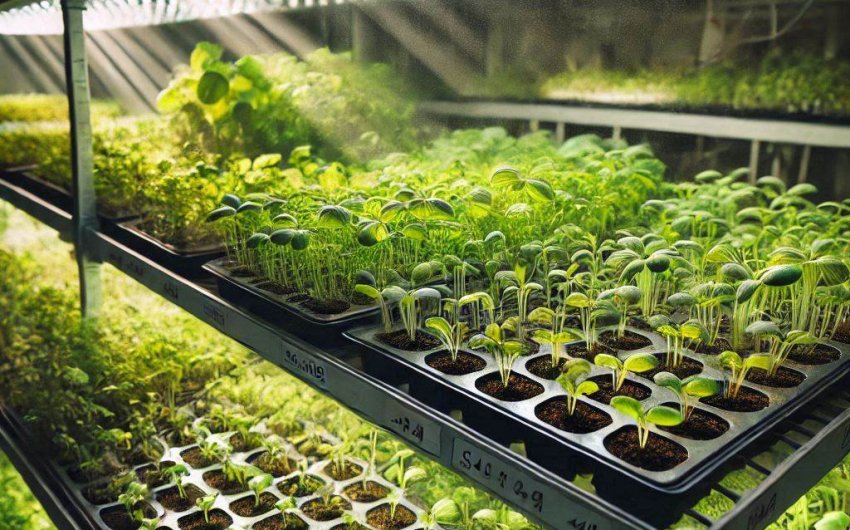
Starting seeds indoors in late winter is a rewarding way to get a head start on your gardening season, especially when outdoor conditions are still too harsh for delicate young plants. This practice allows you to cultivate a wider variety of plants, save money on nursery starts, and enjoy the satisfaction of nurturing your garden from its very beginning. By understanding the optimal timing, selecting the right supplies, and following a few key steps, you can successfully germinates seeds and grow robust seedlings ready for transplanting once spring arrives. This comprehensive guide will walk you through everything you need to know to establish a thriving indoor seed-starting setup, ensuring your plants get the best possible start.
Why Should You Start Seeds Indoors in Late Winter?
Starting seeds indoors offers numerous advantages, making it a popular choice for both new and experienced gardeners. It's a method that provides control over the early growth stages of your plants.
What are the Benefits of Indoor Seed Starting?
- Extended Growing Season: Many plants, especially those with long growing seasons like tomatoes, peppers, and certain flowers, simply wouldn't have enough time to mature if direct-sown outdoors in cooler climates. Starting them indoors gives them a crucial head start.
- Cost Savings: Buying individual plant starts from nurseries can add up quickly. Seeds, on the other hand, are significantly more economical, allowing you to grow many plants for a fraction of the cost.
- Wider Plant Variety: Nurseries typically offer a limited selection of common plant varieties. When you start from seed, you gain access to an incredible array of heirloom varieties, unusual colors, and unique plant types that might not be available otherwise.
- Pest and Disease Control: Young seedlings are often vulnerable to outdoor pests and unpredictable weather. Indoors, you can protect them in their most fragile stage, providing a stable and controlled environment.
- Gardening Therapy: The act of planting seeds and watching them sprout can be incredibly therapeutic, offering a much-needed connection to nature during the colder months. It's a wonderful way to combat winter blues.
When is the Best Time to Start Seeds Indoors?
Timing is crucial when it comes to starting seeds indoors. Planting too early can result in leggy, overgrown seedlings before outdoor conditions are suitable, while planting too late might negate the benefits of indoor starting.
How Do You Determine the Right Planting Time?
The key to successful timing is understanding your last average frost date. This date is the average last day in spring that a frost is expected in your region. You can find this information through local extension offices or online resources. Once you know your last average frost date, you can work backward using the information on your seed packets.
Most seed packets will indicate the optimal time to start seeds indoors, often given as "X weeks before the last frost date." For example, a packet might say "start indoors 6-8 weeks before the last frost."
- Long-Season Crops: Plants that take a long time to mature, such as tomatoes, peppers, and eggplants, often need to be started 8-10 weeks before your last frost date.
- Medium-Season Crops: Many common vegetables and flowers, like broccoli, cabbage, petunias, and marigolds, typically fall into the 6-8 week window.
- Quick-Growing Crops: Some faster-growing plants, such as lettuce or herbs like basil, might only need 3-4 weeks indoors.
It's helpful to create a simple seed-starting calendar based on your last frost date and the recommendations on your seed packets. This will help you keep track of what to plant and when.
What Supplies Do You Need to Start Seeds Indoors?
Having the right tools and materials is essential for a smooth and successful seed-starting experience. Investing in quality supplies from the beginning will save you headaches later on.
Essential Materials for Seed Starting
- Seed-Starting Mix: This is perhaps the most critical component. Do NOT use regular garden soil or potting soil, as they are too heavy, can harbor diseases, and may not drain well enough for delicate seedlings. A good seed-starting mix is sterile, lightweight, and finely textured, providing the perfect environment for root development. Look for mixes specifically labeled for seed starting, often containing sphagnum peat moss, vermiculite, and perlite.
- Seed Trays or Pots: You have several options here, from plastic trays with individual cells to biodegradable pots.
- Plastic Cell Trays: These are widely available and come in various sizes (e.g., 6-cell, 12-cell, 72-cell). They are reusable and easy to clean.
- Peat Pots or Biodegradable Pots: Made from compressed peat, coir, or recycled paper, these pots can be planted directly into the garden, reducing transplant shock.
- Recycled Containers: Don't forget household items! Yogurt cups, toilet paper rolls, and egg cartons can be repurposed, just be sure to poke drainage holes in the bottom.
- Seed Starter Trays with Dome
- Light Source: Natural light from a windowsill is often insufficient for strong, healthy seedlings, especially in late winter when daylight hours are short and light intensity is low. Grow lights are highly recommended.
- Fluorescent Shop Lights (T5 or T8): These are an economical and effective choice for starting seeds. Look for "full-spectrum" or "daylight" bulbs.
- LED Grow Lights: While often a higher initial investment, LEDs are energy-efficient, long-lasting, and produce less heat.
- Full Spectrum LED Grow Light
- Heat Mat: Many seeds germinate best with consistent warmth. A seedling heat mat placed under your seed trays provides gentle, even heat from below, encouraging faster and more uniform germination.
- Humidity Domes: These clear plastic covers fit over seed trays and help maintain high humidity levels, which are crucial for seed germination. Many seed starter kits come with them.
- Watering Can or Spray Bottle: A gentle way to water your delicate seedlings without disturbing them. A mister bottle is great for the initial watering and keeping the soil surface moist.
- Labels: Crucial for remembering what you planted! Use plastic labels or craft sticks and a permanent marker.
- Fan (Optional but Recommended): A small oscillating fan helps strengthen seedling stems and improves air circulation, which can prevent damping-off disease.
How Do You Prepare Your Seed-Starting Setup?
Before you even open a seed packet, it's wise to get your setup ready. This involves preparing your trays, soil, and light source.
Steps to Set Up Your Seed-Starting Station
- Clean Your Supplies: If you're reusing trays or pots from previous seasons, thoroughly clean and sanitize them to prevent the spread of diseases. A 10% bleach solution (1 part bleach to 9 parts water) works well. Rinse thoroughly.
- Moisten the Seed-Starting Mix: Never try to sow seeds in dry, dusty mix. Place your desired amount of seed-starting mix into a large bucket or tub. Gradually add warm water, mixing it in until the entire batch is evenly moist. It should feel like a wrung-out sponge – damp but not soggy. This ensures good contact between the seed and the soil, aiding germination.
- Fill Seed Trays: Gently fill your chosen seed cells or pots with the moistened mix. Lightly tap the trays on your work surface to settle the soil, but avoid compacting it too much. You want the soil to be firm enough to hold moisture but loose enough for roots to penetrate easily. Fill to within about half an inch of the top of the cell.
- Arrange Your Light Setup: Position your grow lights just a few inches above where your seed trays will sit. You'll need a way to adjust the height of the lights as your seedlings grow. Many grow light kits come with chains or adjustable stands.
- Place Heat Mat: If using, place your seedling heat mat on a flat, stable surface, then set your seed trays directly on top of it.
- Prepare Watering Station: Have your watering can or spray bottle filled and ready.
What is the Step-by-Step Process for Sowing Seeds?
Once your setup is ready, the exciting part begins: sowing the seeds! Patience and careful handling are key at this stage.
Detailed Steps for Sowing Seeds
- Read Seed Packets Carefully: Each seed variety has unique requirements. Pay close attention to:
- Planting Depth: How deep to plant the seed.
- Spacing: How far apart to plant seeds (especially if sowing multiple in one cell).
- Germination Temperature: The ideal soil temperature for sprouting.
- Light Requirements for Germination: Some seeds need light to germinate, others need darkness.
- Make Planting Holes: For larger seeds, use a pencil, a chopstick, or your finger to create a small indentation in the center of each cell, according to the recommended planting depth. For tiny seeds, you might just sprinkle them on the surface.
- Sow Seeds:
- Larger Seeds (Tomatoes, Peppers, Beans): Place one or two seeds in each hole. Sowing two gives you a backup in case one doesn't sprout, but you'll thin later.
- Medium Seeds (Marigolds, Zinnias): Sprinkle a few seeds over the surface of each cell or planting area, aiming for even distribution.
- Tiny Seeds (Petunias, Lobelia, Lettuce): These are often incredibly small. You can carefully sprinkle them, or for better control, mix them with a pinch of fine sand and then sprinkle. Some people wet the tip of a toothpick and use it to pick up and place tiny seeds.
- Cover Seeds (if required): Gently cover the seeds with a thin layer of your moistened seed-starting mix, according to the depth specified on the packet. For seeds that require light to germinate, do not cover them at all; simply press them gently onto the surface.
- Label Everything: Immediately label each tray or cell with the plant name and the date sown. This prevents confusion later on.
- Water Gently: Use a gentle stream from a watering can or, even better, a spray bottle to lightly moisten the newly covered seeds. Avoid a strong stream that could dislodge the seeds. Another effective method is bottom watering: place the entire tray in a shallow pan of water and let the soil soak up moisture from the bottom until the surface appears moist.
- Cover with Humidity Dome: Place a clear plastic humidity dome over your trays. This creates a mini-greenhouse effect, trapping moisture and maintaining the high humidity essential for germination.
- Place on Heat Mat (if using): If your seeds benefit from warmth, place the covered trays directly on your seedling heat mat.
- Position Under Lights: Set your trays under your grow lights. At this stage, the lights don't need to be on 24/7. Many gardeners turn them off until the first signs of germination appear, or use them for 12-16 hours a day.
How Do You Care for Seedlings After Germination?
Once your tiny green shoots emerge, the real work of nurturing begins. Proper care in the seedling stage is critical for developing strong, healthy plants.
Key Aspects of Seedling Care
- Remove Humidity Dome: As soon as the majority of your seeds have germinated and you see the first true leaves emerging (not the initial "cotyledons" or seed leaves), remove the humidity dome. Continuing to use it can lead to fungal issues and damping-off disease.
- Adjust Light: This is one of the most common pitfalls for indoor seed starters.
- Light Proximity: Position your grow lights very close to the tops of your seedlings, typically 2-4 inches. If lights are too far away, seedlings will stretch and become "leggy" as they reach for the light.
- Light Duration: Provide 14-16 hours of light per day. Use an inexpensive outlet timer to automate this.
- Indoor Plant Grow Light Timer
- Watering: Water thoroughly when the top of the soil feels dry to the touch, but avoid overwatering, which can lead to root rot.
- Bottom Watering: Continue to use bottom watering by placing trays in a shallow pan of water for 15-30 minutes until the top of the soil feels moist. This encourages roots to grow downwards.
- Top Watering (Gentle): If top watering, use a gentle stream close to the soil surface.
- Always ensure good drainage and never let seedlings sit in standing water.
- Temperature: Most seedlings thrive in temperatures between 65-75°F (18-24°C) during the day, dropping slightly at night. Avoid extreme fluctuations or cold drafts.
- Air Circulation: This is crucial for preventing damping-off disease, a fungal infection that can cause seedlings to collapse at the soil line.
- Use a small oscillating fan on a low setting for a few hours each day to gently move air around your seedlings. This also helps strengthen their stems.
- Ensure good spacing between trays to allow for airflow.
- Thinning: If you planted multiple seeds per cell and more than one germinated, you'll need to thin them once they have their first set of true leaves.
- Select the strongest, healthiest seedling and use a small pair of snips or scissors to cut the weaker seedlings at the soil line. Avoid pulling them out, as this can disturb the roots of the chosen seedling.
- Fertilizing: Your seed-starting mix typically contains enough nutrients for the first few weeks. Once seedlings develop their first set or two of true leaves, they will benefit from a very diluted dose of liquid fertilizer.
- Use a balanced, water-soluble fertilizer at half or quarter strength, applying every 7-10 days.
- Organic Liquid Plant Food
When and How Do You Pot Up Seedlings?
As your seedlings grow, they will eventually outgrow their initial cells and need more room for root development. This process is called "potting up" or "transplanting."
Signs Your Seedlings Need Potting Up
- Crowded Roots: You can see roots emerging from the drainage holes of the cells.
- Stunted Growth: Seedlings appear to have stopped growing or are not thriving.
- Leggy Growth: While often a sign of insufficient light, it can also indicate that seedlings need more space.
- Multiple Sets of True Leaves: Generally, once seedlings have 2-3 sets of true leaves, they are ready for a larger home.
Steps for Potting Up Seedlings
- Prepare Larger Pots: Select pots that are 2-4 inches in diameter, ensuring they have drainage holes. Fill them with a slightly richer, but still well-draining, potting mix (not garden soil). Moisten the potting mix before use.
- Gently Remove Seedling: Carefully push up from the bottom of the cell or gently squeeze the sides of the cell to loosen the seedling's root ball. Avoid pulling the seedling by its stem, as this can damage it. If necessary, use a small tool or dull knife to gently pry the seedling out.
- Handle by Leaves: Always handle seedlings by their leaves, never by their delicate stems. If a leaf breaks, the plant can usually recover, but a damaged stem is often fatal.
- Create a Hole: Make a hole in the new potting mix large enough to accommodate the seedling's root ball.
- Place Seedling: Gently place the seedling into the new hole. For leggy seedlings, you can often bury part of the stem, especially with tomatoes, which will grow roots from the buried stem.
- Fill and Gently Firm: Backfill around the seedling with more potting mix, gently firming it around the roots to eliminate air pockets. Don't compact too tightly.
- Water In: Water the newly potted seedling thoroughly to help settle the soil and reduce transplant shock.
- Return to Light: Place the potted-up seedlings back under your grow lights, maintaining the same light duration and proximity.
How Do You Harden Off Seedlings?
Before transplanting your indoor-started seedlings directly into the outdoor garden, they need a period of gradual acclimatization known as "hardening off." This prepares them for the harsher outdoor conditions like wind, direct sunlight, and fluctuating temperatures. Skipping this step can lead to stunted growth or even death of your tender seedlings.
The Hardening Off Process
Start hardening off your seedlings about 7-14 days before your planned transplant date, after your last average frost date has passed.
- Day 1-2 (Shade & Shelter): On the first couple of days, choose a cloudy day or a very sheltered spot outdoors, out of direct sun and strong wind, for a few hours. A porch, patio, or under a shaded tree works well. Bring them indoors at night.
- Day 3-4 (Partial Sun & Increased Time): Gradually increase their exposure to sunlight and outdoor time. Move them to a spot that receives morning sun and afternoon shade. Leave them out for 3-5 hours. Continue bringing them indoors at night.
- Day 5-7 (More Sun & Longer Stays): Increase their sun exposure and duration further. They can now tolerate more direct sun, perhaps 4-6 hours. You might start leaving them out overnight if night temperatures are consistently above 50°F (10°C) and there's no frost risk.
- Day 8-10 (Full Sun & Overnight): By this point, your seedlings should be able to handle full sun for most of the day. If night temperatures remain well above freezing, they can stay out overnight.
- Day 11-14 (Ready for Transplant): Your seedlings are now "hardened off" and ready to be transplanted into the garden. They should appear stockier, with tougher leaves, and a more robust appearance.
- Monitor Weather: Always keep an eye on the weather forecast during hardening off. If a sudden cold snap, strong winds, or heavy rain is predicted, bring your seedlings back indoors or provide extra protection.
- Water Regularly: Seedlings will dry out faster outdoors, so check their moisture levels daily and water as needed.
- Don't Rush It: Resist the urge to speed up the process. A slow, gradual transition is the most successful.
What Are Common Seed Starting Problems and Solutions?
Even with the best intentions, indoor seed starting can present a few challenges. Knowing how to identify and address them can save your young plants.
Troubleshooting Common Issues
- Leggy Seedlings: This is by far the most common problem.
- Problem: Seedlings are tall, thin, and stretched out with weak stems.
- Cause: Insufficient light. The lights are too far away or not strong enough.
- Solution: Lower your grow lights so they are 2-4 inches above the plant tops. Increase light duration to 14-16 hours per day.
- Damping-Off Disease: A devastating fungal disease that causes seedlings to rot at the soil line and collapse.
- Problem: Seedlings suddenly wilt and fall over, often appearing waterlogged at the base.
- Cause: Poor air circulation, overwatering, contaminated soil or trays, or high humidity.
- Solution: Ensure good air circulation with a fan. Avoid overwatering; let the soil surface dry slightly between waterings. Use sterile seed-starting mix and clean trays. Remove humidity domes promptly after germination.
- No Germination: Seeds don't sprout at all.
- Problem: Nothing happens after sowing.
- Cause: Seeds too old, improper planting depth, incorrect temperature, lack of moisture, or seeds requiring specific conditions like stratification or scarification.
- Solution: Check seed packet for viability dates and specific germination requirements. Ensure proper moisture and warmth (use a heat mat if needed).
- Yellowing Leaves: Seedling leaves turn yellow.
- Problem: Leaves look pale or yellow.
- Cause: Overwatering (leading to root rot), nutrient deficiency, or sometimes too much light.
- Solution: Check watering habits. Ensure proper drainage. If multiple true leaves are present, consider a diluted liquid fertilizer. Move lights slightly further away if all other causes are ruled out.
- Brown or Crispy Edges: Leaf edges turn brown and brittle.
- Problem: Leaves look burnt or dried out at the edges.
- Cause: Too much fertilizer, low humidity, or too much direct heat from lights.
- Solution: Reduce fertilizer strength. Increase humidity if growing in a very dry environment (though not usually an issue after dome removal). Check light distance.
- Slow Growth: Seedlings seem to be growing very slowly.
- Problem: Plants are not developing as expected.
- Cause: Insufficient light, cool temperatures, lack of nutrients, or root-bound conditions.
- Solution: Ensure adequate light and warmth. Consider a diluted feeding. If roots are visible from drainage holes, it's time to pot up.
By starting seeds indoors in late winter, you're not just growing plants; you're cultivating a deeper connection to your garden and preparing for a season of abundant harvests and beautiful blooms. It’s an empowering way to gain control over your garden's beginning, ensuring strong, healthy starts that will thrive once transplanted. With careful planning, the right supplies, and consistent care, your efforts will be rewarded with a vibrant and productive garden.