
Top Annuals for a Colorful Summer Garden
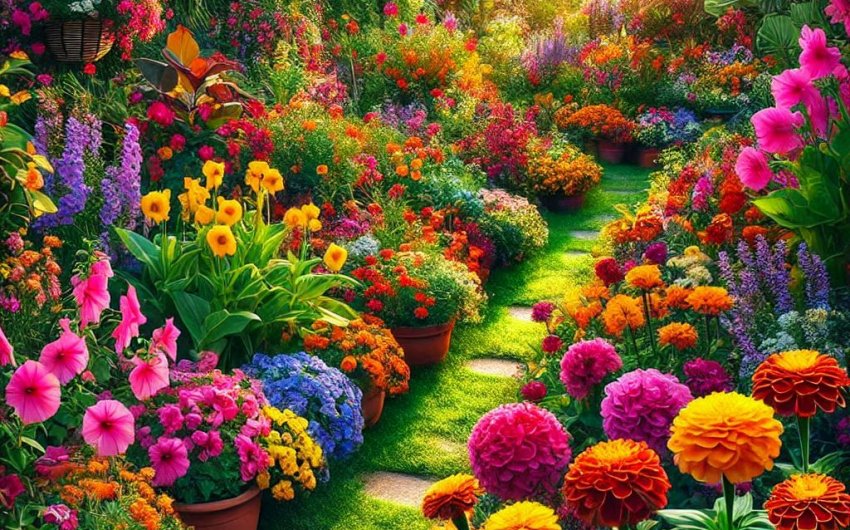
Creating a vibrant, eye-catching garden is a joy for any homeowner. When it comes to adding instant pops of color that last all season long, annual flowers are truly unbeatable. Unlike perennials that come back year after year but often have shorter bloom times, annuals burst with continuous blossoms from spring's warmth until the first frost of autumn. They are the workhorses of the summer garden, providing endless beauty and cheer.
Whether you're looking to fill flower beds, brighten up containers, or create stunning hanging baskets, annuals offer an incredible array of choices. They come in every color of the rainbow, various sizes, and different light preferences, making it easy to find the perfect plant for any spot in your yard. This guide will introduce you to some of the top annuals for a truly spectacular and colorful summer garden, helping you pick the best blooms for your outdoor space.
What Makes Annuals Great for a Colorful Garden?
Annual flowers are often the first choice for gardeners who want maximum impact and continuous color. Their life cycle is what sets them apart.
What Is an Annual Flower?
An annual flower is a plant that completes its entire life cycle within one growing season. This means it sprouts from a seed, grows, flowers, produces seeds, and then dies, usually with the first hard frost. Because they only have one season to complete their mission, annuals pour all their energy into producing abundant flowers and seeds.
Why Choose Annuals for Summer Color?
- Continuous Blooms: This is their superpower! Unlike many perennials that bloom for a few weeks and then fade, most annuals will flower continuously from planting until frost, giving you season-long enjoyment.
- Vibrant Color: They come in an astonishing range of colors, including bright, bold hues that can be harder to find in perennials. This makes them perfect for creating dramatic displays.
- Versatility: Annuals are incredibly adaptable. You can use them in flower beds, borders, containers, hanging baskets, and even as temporary fillers.
- Instant Impact: Planted as young plants (starts) from a nursery, annuals provide almost immediate color.
- Experimentation: Since they only last one season, you can try new colors, combinations, or plant types each year without a long-term commitment.
- Affordability: Starting from seed or buying young plants is generally more budget-friendly than purchasing mature perennials.
How Do I Pick the Right Annuals for My Garden?
Choosing the best annuals means considering your garden's specific conditions and your design goals.
How Much Sun Does My Garden Get?
Sunlight is the most critical factor for healthy annuals.
- Full Sun: Most annuals need at least 6-8 hours of direct sunlight per day to bloom profusely. This includes plants like petunias, zinnias, marigolds, and sunflowers.
- Partial Sun/Partial Shade: These areas receive 3-6 hours of sunlight, often in the morning, with some shade in the afternoon. Plants like impatiens (some varieties), coleus, and some begonias thrive here.
- Full Shade: These spots get less than 3 hours of direct sun, or dappled light all day. Fewer annuals bloom well in deep shade, but some options exist.
Observe your garden throughout the day to understand its light patterns.
What Kind of Soil Do I Have?
Most annuals prefer well-draining soil that is rich in organic matter.
- Amendments: If you have heavy clay soil, mix in compost to improve drainage. If you have very sandy soil, compost will help it retain moisture and nutrients. You can find organic compost at local garden centers.
- Containers: For containers and hanging baskets, always use a high-quality, lightweight potting mix designed for containers, which offers excellent drainage and aeration. The Miracle-Gro Potting Mix is a widely available option.
What Are My Design Goals?
Think about the look you want to achieve.
- Color Scheme: Do you want a riot of mixed colors, or a more serene palette of blues and purples?
- Height and Form: Consider plant heights (tall for background, medium for middle, short for front), textures (fine, coarse), and growth habits (upright, mounding, trailing).
- Container vs. Bed: Some annuals are better suited for containers where their roots can be constrained, while others thrive spreading out in a bed.
What Are the Best Annuals for Full Sun Gardens?
These annuals soak up the sun and deliver a season-long show of brilliant color.
1. Petunias (Petunia x hybrida)
Petunias are classic annuals for a reason. They offer an incredible range of colors and bloom forms.
- Colors: Nearly every color imaginable, including bi-colors and stripes.
- Growth Habits: Spreading (ideal for containers and hanging baskets), mounding, and upright.
- Care Tips: Need full sun and regular deadheading (removing spent flowers) to encourage more blooms, unless you plant "self-cleaning" varieties like Supertunias. They are heavy feeders, so regular fertilizing is beneficial. The Proven Winners Supertunia Vista Bubblegum is a popular, vigorous, self-cleaning choice.
2. Zinnias (Zinnia elegans)
Zinnias are easy to grow from seed and are a favorite of butterflies and pollinators.
- Colors: Bright, bold colors like red, orange, yellow, pink, and purple.
- Flower Forms: Single, double, and cactus-flowered forms in various sizes.
- Care Tips: Need full sun and good air circulation to prevent powdery mildew. They are fairly drought-tolerant once established. You can find a vibrant Zinnia Seed Mix to grow your own.
3. Marigolds (Tagetes erecta, Tagetes patula)
Marigolds are cheerful, classic annuals known for their sunny colors and ability to deter some garden pests.
- Colors: Shades of yellow, orange, and reddish-brown.
- Types: Tall African marigolds (T. erecta) and shorter French marigolds (T. patula).
- Care Tips: Need full sun and well-draining soil. They are relatively low-maintenance and don't need much deadheading.
4. Cosmos (Cosmos bipinnatus)
Cosmos are airy and graceful, with daisy-like flowers that sway in the breeze. They are excellent for cutting.
- Colors: Pink, purple, white, yellow, orange, and even chocolate.
- Care Tips: Prefer full sun and relatively poor soil; too much richness can lead to leggy growth. They are also very easy to grow from seed, such as the Eden Brothers Cosmos Sensation Mix Seeds.
5. Sunflowers (Helianthus annuus)
While often grown as a tall backdrop, dwarf annual sunflower varieties are perfect for smaller spaces and containers, bringing a touch of the countryside to your garden.
- Colors: Classic yellow, but also reds, oranges, and bi-colors.
- Care Tips: Require full sun and well-draining soil. They are heavy feeders and benefit from fertilizing.
6. Vinca (Catharanthus roseus)
Also known as Madagascar periwinkle, vinca is incredibly heat and drought-tolerant, making it perfect for hot climates and low-water gardens.
- Colors: White, pink, purple, red, and often with contrasting eyes.
- Care Tips: Needs full sun and well-draining soil. Avoid overwatering, as it's prone to root rot in soggy conditions.
7. Portulaca (Moss Rose) (Portulaca grandiflora)
Moss Rose is a succulent-like annual that thrives in heat, drought, and poor soil. Its vibrant, cup-shaped flowers open in full sun.
- Colors: Bright pink, red, orange, yellow, white, and bi-colors.
- Care Tips: Requires full sun and excellent drainage. Perfect for dry, rocky areas or hot containers.
What Are the Best Annuals for Partial Sun/Partial Shade Gardens?
These annuals thrive with a mix of sun and shade, bringing color to less intense light conditions.
1. Impatiens (Impatiens walleriana and New Guinea Impatiens)
- Traditional Impatiens (I. walleriana): Famous for brightening up shady spots with a continuous carpet of flowers.
- Colors: White, pink, red, orange, purple.
- Care Tips: Prefer consistent moisture and well-draining soil. Susceptible to Downy Mildew in some regions, so check for resistant varieties.
- New Guinea Impatiens (Impatiens hawkeri): More sun-tolerant than traditional impatiens and resistant to Downy Mildew.
- Colors: Brighter, bolder colors and often variegated foliage.
- Care Tips: Needs more light than traditional impatiens (partial sun to partial shade) and regular watering.
2. Begonias (Begonia spp.)
A diverse group of annuals with both colorful foliage and abundant flowers.
- Wax Begonias (Begonia semperflorens-cultorum): Best for partial sun to shade. Have waxy, often bronze or green leaves and small flowers.
- Colors: White, pink, red.
- Care Tips: Very low-maintenance, good for beds and borders.
- Tuberous Begonias (Begonia x tuberhybrida): Known for their large, showy, often ruffled flowers. Prefer shade.
- Colors: Bright shades of red, orange, yellow, pink, and white.
- Care Tips: Need consistent moisture and protection from strong winds.
3. Coleus (Plectranthus scutellarioides)
Coleus is grown primarily for its stunning, highly variegated foliage, though it does produce small flower spikes.
- Colors: Leaves come in an unbelievable array of colors and patterns: green, yellow, red, orange, pink, burgundy, black, and endless combinations.
- Growth Habits: Upright, mounding, and trailing varieties.
- Care Tips: Many varieties thrive in partial shade to full shade, but newer varieties are bred for full sun too. Pinch off flower spikes to encourage bushier growth and maintain foliage color.
What Are the Best Annuals for Containers and Hanging Baskets?
These annuals are perfect for adding vertical interest and portable bursts of color.
1. Lobelia (Lobelia erinus)
Lobelia produces cascades of tiny, intensely colored flowers, perfect for spilling over the edges of containers and hanging baskets.
- Colors: Bright blue (most common), purple, white, and pink.
- Care Tips: Prefers partial sun in hotter climates, but can take full sun in cooler areas. Needs consistent moisture.
2. Calibrachoa (Million Bells) (Calibrachoa spp.)
Often mistaken for miniature petunias, Calibrachoa produces hundreds of small, trumpet-shaped flowers continuously without deadheading.
- Colors: Wide range of vibrant colors, including unique yellows, oranges, and even blacks.
- Care Tips: Loves full sun and needs well-draining soil. Benefits from regular fertilizing. The Proven Winners Superbells are a very popular and reliable series.
3. Sweet Alyssum (Lobularia maritima)
Sweet Alyssum forms a delicate, fragrant carpet of tiny flowers, perfect for filling in spaces or spilling over edges.
- Colors: White (most common), pink, purple.
- Care Tips: Prefers full sun to partial shade. Easy to grow from seed. Trim back after the first flush of blooms to encourage reblooming.
4. Fuchsia (Fuchsia spp.)
Known for their exotic, pendulous, two-toned flowers, fuchsias are quintessential hanging basket plants.
- Colors: Combinations of pink, purple, red, and white.
- Care Tips: Prefer partial shade to full shade, especially in hot climates. Needs consistent moisture and high humidity.
5. Nasturtiums (Tropaeolum majus)
Nasturtiums are versatile annuals with cheerful, often edible flowers and lily pad-like leaves. They can trail beautifully from hanging baskets.
- Colors: Yellow, orange, red, cream, and mahogany.
- Care Tips: Prefer full sun to partial shade. Thrive in poorer soil; too much richness leads to more foliage than flowers. You can find Nasturtium seeds for easy growing.
How Do I Care for My Annuals for Season-Long Bloom?
To keep your annuals looking their best and blooming continuously, a few key care practices are essential.
How Often Should I Water?
Annuals are heavy drinkers, especially in containers or during hot, dry weather.
- Consistency: Keep the soil consistently moist, but not soggy. Check the soil daily by sticking your finger about an inch deep. If it feels dry, it's time to water.
- Deep Watering: Water deeply until water drains out of the bottom of the pot or into the soil of a bed.
- Timing: Water in the early morning to allow foliage to dry before night, reducing the risk of fungal diseases.
Do I Need to Fertilize Annuals?
Yes! Because annuals bloom so profusely, they are heavy feeders.
- Start Strong: Mix a slow-release granular fertilizer into the soil at planting time. The Osmocote Smart-Release Plant Food is a good general-purpose choice.
- Regular Feeding: Supplement with a liquid fertilizer every 2-4 weeks during the growing season, especially for container plants. Use a balanced fertilizer like a 10-10-10 or one specifically formulated for flowering plants.
What Is Deadheading and Why Is It Important?
Deadheading is the process of removing spent or faded flowers.
- Encourages More Blooms: When a plant produces seeds, it signals that its reproductive cycle is complete. By removing the spent flowers, you trick the plant into producing more blooms to try and make more seeds.
- Neater Appearance: It keeps your plants looking tidy and prevents them from putting energy into seed production instead of flowering.
- How to Deadhead: Pinch or snip off the spent flower head just above the first set of healthy leaves or a new side shoot.
- Self-Cleaning Varieties: Some newer varieties of petunias and calibrachoas are "self-cleaning," meaning they drop their spent flowers naturally and don't require deadheading.
Should I Prune My Annuals?
- Pinching: For bushy plants, you can "pinch" back young stems to encourage branching and a fuller plant. Simply snip or pinch off the very tip of a stem.
- Cutting Back: If a plant becomes leggy or starts to look tired in mid-summer, you can cut it back by about one-third. This will stimulate new growth and a fresh flush of blooms.
How Do I Deal with Pests and Diseases?
A healthy plant is the best defense against pests and diseases.
- Prevention: Ensure good air circulation by proper spacing, and avoid overhead watering in the evening.
- Inspection: Regularly inspect your plants for any signs of pests (e.g., aphids, spider mites, whiteflies) or disease (e.g., powdery mildew, leaf spots).
- Treatment: For minor infestations, a strong spray of water can dislodge pests. For more persistent problems, use insecticidal soap or neem oil like the Garden Safe Neem Oil Extract, following product instructions carefully. Remove any diseased leaves or stems immediately.
By providing consistent care, your annuals will reward you with a spectacular and continuous display of color throughout the entire summer garden.