
How to Control Crabgrass Without Chemicals?
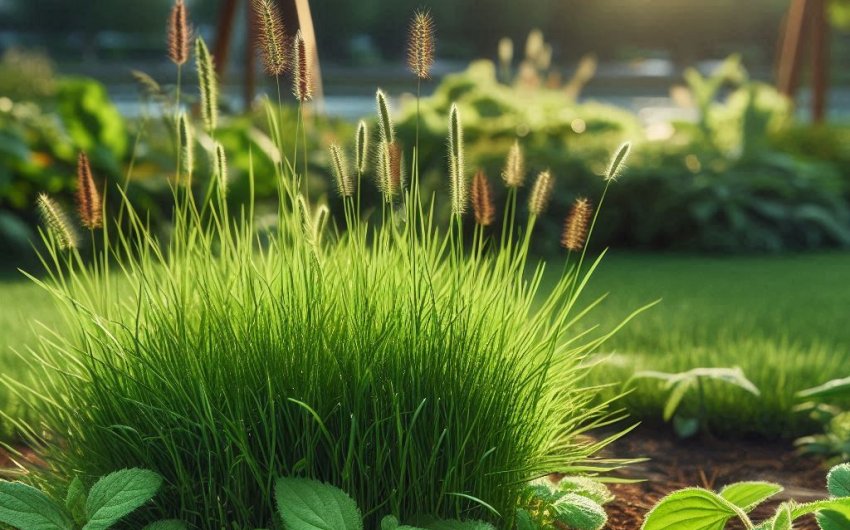
Maintaining a pristine lawn without resorting to harsh chemical treatments is a goal for many homeowners and gardeners. Among the common lawn invaders, crabgrass stands out as a particularly stubborn foe. This annual weed, known for its coarse texture and rapid spreading capabilities, can quickly turn a lush green carpet into a patchy, unsightly mess. While chemical herbicides offer a quick fix, they come with concerns about environmental impact, pet safety, and long-term soil health.
Fortunately, achieving crabgrass control doesn't always require a bottle of synthetic chemicals. A combination of smart gardening practices, consistent effort, and natural remedies can effectively suppress and even eliminate this pervasive weed. This approach focuses on strengthening your lawn's natural defenses, creating an environment where desired grass thrives and weeds struggle to take hold. It's about proactive prevention and consistent management, leading to a healthier, more resilient turf. Let's explore the various non-chemical strategies that can help you win the battle against crabgrass.
What Exactly Is Crabgrass and Why Is It a Problem?
Before diving into control methods, it's helpful to understand your opponent. Crabgrass (Digitaria species) is a very common lawn weed across many regions. Recognizing it is the first step toward effective management. Knowing its life cycle also helps in planning your non-chemical control strategies.
How Can You Identify Crabgrass in Your Lawn?
Crabgrass is an annual weed, meaning it completes its entire life cycle within one growing season, from germinating in spring to producing seeds in late summer/fall, and then dying with the first frost. Its appearance changes as it grows, but here are key identification features:
- Color and Texture: It's typically lighter green than most lawn grasses, often a lime green. The blades are wider and coarser than desirable turfgrass.
- Growth Habit: Crabgrass grows in a low, spreading clump with a crab-like (hence the name) appearance, radiating out from a central point. It often forms dense mats that can smother desirable grass.
- Stems: The stems are flat and grow along the ground, rooting at the nodes (where leaves attach to the stem) as they spread.
- Seed Heads: In late summer, crabgrass produces distinctive Y-shaped or finger-like seed heads that stand upright from the leaves. These can produce thousands of seeds, ensuring its return next year.
Early identification is key for effective chemical-free control. Look for it in thinning areas of your lawn, especially where it gets a lot of sun.
What is the Life Cycle of Crabgrass?
Understanding the life cycle of crabgrass is vital for effective non-chemical control. Crabgrass is an annual weed, meaning its entire life cycle, from seed to seed, occurs within one year.
- Germination (Spring): Crabgrass seeds begin to germinate when soil temperatures consistently reach (55^\circ\text{F}) to (60^\circ\text{F}) ((13^\circ\text{C}) to (16^\circ\text{C})) for several consecutive days, usually around late spring or early summer, about the time Forsythia shrubs are blooming or when lilacs are in full bloom.
- Growth (Summer): Once germinated, the plants grow rapidly throughout the warm summer months, spreading out in mats and producing more tillers (stems) if the lawn is cut short.
- Seed Production (Late Summer/Early Fall): As summer draws to a close, mature crabgrass plants produce abundant seed heads, each containing thousands of seeds. These seeds drop to the soil, creating a vast seed bank for the following year.
- Death (First Frost): With the first hard frost of autumn, mature crabgrass plants die, turning brown and shriveling. However, the legacy of their seeds remains, waiting for next spring.
The key to control lies in preventing seed germination or removing the plants before they set seed.
Why is Crabgrass Considered a Persistent Lawn Weed?
Crabgrass is considered a persistent lawn weed for several reasons, making it a challenge for homeowners:
- Prolific Seed Production: A single crabgrass plant can produce tens of thousands of seeds. These seeds can remain viable in the soil for several years, forming a deep seed bank. This means even if you eliminate all crabgrass one year, seeds from previous years can still sprout.
- Rapid Growth: Once it germinates, crabgrass grows quickly, especially in warm weather, rapidly spreading and outcompeting desirable turfgrass.
- Adaptability: It thrives in stressed, thin lawns, compact soil, and areas with inconsistent watering. It's particularly happy in hot, sunny spots.
- Low Growing Habit: Its spreading, low-to-the-ground growth makes it difficult to cut with a mower, allowing it to continue to produce seeds even if the lawn is mowed regularly.
- Resilience: It can tolerate close mowing, drought conditions, and compacted soil better than many turfgrasses.
Understanding these traits underscores why a multi-faceted, proactive approach is essential for chemical-free crabgrass control.
1. Strengthen Your Lawn's Health: The Best Defense
The most effective non-chemical crabgrass control strategy is to cultivate a healthy, dense lawn. A thick turf naturally crowds out weeds, including crabgrass, by outcompeting them for sunlight, water, and nutrients. This approach focuses on prevention rather than constant reaction.
How Does Proper Mowing Height Prevent Crabgrass?
Proper mowing height is one of the simplest yet most effective cultural practices to prevent crabgrass. When you mow your lawn, you should always aim for a higher cutting height, ideally between 2.5 to 3.5 inches (6 to 9 cm) or even higher for some grass types.
Taller grass blades create shade at the soil surface. This shade is crucial because crabgrass seeds need light to germinate. By keeping your turf longer, you block the sunlight that crabgrass seeds require to sprout. Additionally, taller grass develops a deeper, more robust root system, making it more resilient to stress and better able to outcompete any crabgrass that does manage to germinate. Avoid "scalping" your lawn (cutting it too short), as this immediately opens up the soil to sunlight and encourages crabgrass. Regularly sharpening your lawn mower blade also ensures a clean cut, which promotes healthier grass.
Why is Smart Watering Important for Weed Control?
Smart watering is another vital cultural practice that favors your lawn grass over crabgrass. Many homeowners water frequently but shallowly, which actually encourages shallow-rooted weeds like crabgrass while weakening your desirable turfgrass.
Instead, aim for deep and infrequent watering. Water your lawn deeply enough so that the moisture penetrates 4 to 6 inches (10 to 15 cm) into the soil. Then, allow the top layer of soil to dry out somewhat before watering again. This encourages your lawn grass to develop deep roots, making it more drought-tolerant and resilient. Crabgrass, with its shallow root system, struggles in these deeper watering conditions. Watering less often also means the soil surface stays drier for longer, which is less ideal for crabgrass germination. An oscillating sprinkler can help deliver water evenly.
How Can Overseeding Create a Denser Lawn?
Overseeding your lawn regularly is a powerful proactive strategy to achieve crabgrass control. Overseeding involves spreading new grass seed over your existing lawn. The goal is to fill in any bare or thinning spots and increase the overall density of your turf.
A dense lawn is the best defense against weeds because it leaves no room for crabgrass to germinate and establish itself. The existing grass competes for light, water, and nutrients, effectively crowding out any potential weed seedlings. Overseed in the fall for cool-season grasses or in the spring for warm-season grasses. Prepare the soil by aerating or lightly raking to ensure good seed-to-soil contact. Choosing a high-quality grass seed mix appropriate for your region is also crucial for success.
Why is Proper Fertilization Key to Outcompeting Weeds?
Proper fertilization is essential for maintaining a healthy, vigorous lawn that can naturally outcompete crabgrass. The goal is to provide your turfgrass with the nutrients it needs to grow strong and dense, without over-fertilizing which can sometimes favor certain weeds.
Focus on providing the right balance of nutrients at the right time. For cool-season grasses, fall is often the most important time for fertilization, as it helps the grass build strong roots and prepare for the following spring. For warm-season grasses, late spring and summer applications are more beneficial. Using a slow-release organic fertilizer provides a steady supply of nutrients, promoting consistent growth rather than a sudden flush that might exhaust the grass. A healthy, well-fed lawn fills in bare spots quickly, leaving less room for crabgrass to take hold. A broadcast spreader can help ensure even fertilizer application.
How Does Aeration Improve Soil Health for Grass?
Aeration is a process that involves making small holes in the lawn to alleviate soil compaction. Compacted soil is a significant problem for turfgrass because it restricts root growth, limits water and nutrient absorption, and reduces air circulation to the roots. Crabgrass, being more adaptable, can often tolerate compacted soil better than desirable turfgrass.
By aerating your lawn, you improve soil health dramatically. The holes allow air, water, and nutrients to penetrate deeper into the soil, promoting healthier and deeper root growth for your lawn grass. Stronger roots mean a more resilient, dense turf that can more effectively outcompete crabgrass. Aeration is best done in the fall for cool-season grasses and late spring/early summer for warm-season grasses. You can use a manual core aerator for small areas or rent a machine for larger lawns.
2. Natural Pre-Emergent Strategies
Pre-emergent herbicides work by creating a barrier that prevents weed seeds from germinating. While most commercially available pre-emergents are synthetic chemicals, there are effective natural alternatives that can provide similar benefits without the chemical footprint. These strategies are best applied in early spring before crabgrass seeds begin to sprout.
What is Corn Gluten Meal and How Does it Work?
Corn gluten meal is one of the most well-known natural pre-emergent herbicides. It's a byproduct of corn processing and has been found to inhibit root formation in germinating seeds. When applied to your lawn in early spring, before crabgrass seeds sprout, it acts as a natural weed suppressor.
As crabgrass seeds begin to germinate, they absorb the corn gluten meal. The compounds in the meal interfere with the development of the root system, causing the seedling to die shortly after sprouting. For existing plants, it acts as a nitrogen fertilizer, which benefits your established lawn grass. Apply corn gluten meal when soil temperatures are consistently above (50^\circ\text{F}) ((10^\circ\text{C})) but before crabgrass germination. Follow the application rates on the product packaging. It typically needs to be reapplied annually for consistent crabgrass control. A bag of organic corn gluten meal can cover a good area.
When is the Best Time to Apply Natural Pre-Emergents?
The timing of application is absolutely crucial for the success of natural pre-emergent strategies like corn gluten meal. Since these products work by preventing seed germination, they must be applied before the crabgrass seeds start to sprout.
The ideal time to apply is in early spring, when soil temperatures consistently reach between (50^\circ\text{F}) and (55^\circ\text{F}) ((10^\circ\text{C}) and (13^\circ\text{C})). A common indicator in many regions is when Forsythia bushes are blooming or when the lilac leaves are unfurling. Using a soil thermometer for accuracy is highly recommended. Applying too early can mean the product breaks down before the crabgrass germinates, and applying too late means the crabgrass has already sprouted, rendering the pre-emergent ineffective. After application, a light watering helps the product settle into the soil.
Are There Other Natural Pre-Emergent Options?
While corn gluten meal is the most widely recognized natural pre-emergent, there are other practices and lesser-known options that contribute to crabgrass suppression without chemicals:
- Mulching (in garden beds): While not for the lawn, mulching garden beds heavily prevents annual weeds like crabgrass from sprouting. A 2-4 inch (5-10 cm) layer of organic mulch acts as a physical barrier and blocks light.
- Creating a Dense Turf (as discussed previously): This is arguably the best natural pre-emergent. A thick, healthy lawn naturally prevents light from reaching the soil surface, inhibiting seed germination. Overseeding and proper mowing height are key here.
- Beneficial Microbes/Compost Teas: Some theories suggest that fostering a healthy soil microbiome through regular applications of compost tea or high-quality compost can create an environment less favorable for weed seed germination, though this is more of a long-term soil health strategy than a direct pre-emergent.
- Timely Mowing: While not a pre-emergent, mowing at the correct height ensures that any crabgrass that does germinate is shaded out quickly.
These methods work synergistically with building a healthy lawn to create a less welcoming environment for crabgrass seeds.
3. Manual and Targeted Removal
Even with the best preventive measures, some crabgrass might still appear. For these instances, manual and targeted removal is an effective, chemical-free way to get rid of individual plants. This method is particularly suitable for smaller infestations or when you catch the weeds early.
What is the Best Way to Hand-Pull Crabgrass?
Hand-pulling crabgrass is an incredibly effective chemical-free control method, especially for individual plants or small patches. The key is to do it before the plants produce seeds.
- Timing: Pull crabgrass when the soil is moist, ideally after a rain or watering. Moist soil makes it much easier to pull the roots out completely.
- Technique: Grasp the crabgrass clump firmly at its base. Pull steadily and slowly, trying to get as much of the root system as possible. Because crabgrass roots at nodes along its spreading stems, ensure you get all the branching parts.
- Tools: For larger clumps or stubborn roots, a weeding fork or a hand weeder tool can make the job easier and reduce strain on your back and hands.
- Disposal: Do not add crabgrass plants with mature seed heads to your compost pile, as the seeds might survive and spread. Bag them and dispose of them with regular waste.
Consistency is vital. Regular patrols of your lawn, especially in early summer, will help you catch crabgrass before it spreads too widely.
How Can Spot-Treating with Vinegar Be Effective?
For individual crabgrass plants or small clusters, spot-treating with vinegar can be an effective chemical-free alternative to herbicides. Horticultural vinegar (acetic acid) is stronger than household vinegar and more effective as a weed killer.
- Type of Vinegar: Use horticultural vinegar (typically 20% acetic acid) for best results. Household vinegar (5% acetic acid) is weaker but can still work on very young weeds. Handle horticultural vinegar with caution, as it can cause skin and eye irritation. Wear safety goggles and gloves during application.
- Application: Apply the vinegar directly onto the crabgrass leaves using a spray bottle. Avoid spraying surrounding desirable grass, as vinegar is non-selective and will kill any plant it touches. Spray on a sunny, dry day for maximum effectiveness. The sun helps to amplify the acetic acid's burn.
- Mechanism: The acetic acid rapidly dries out and kills the plant's foliage. It doesn't typically kill the roots of mature plants, so repeat applications may be needed for larger or well-established crabgrass.
This method works best for small, isolated weeds and offers a quick visual result.
What is Solarization for Larger Crabgrass Patches?
For larger, persistent patches of crabgrass or areas where you plan to reseed, solarization is a powerful chemical-free method for control. Solarization uses the sun's heat to kill weeds, weed seeds, and even some soil-borne pathogens.
- Timing: Solarization is most effective during the hottest months of the year when the sun's intensity is highest (usually summer).
- Preparation: Mow the area very short and water it thoroughly. This moist soil helps to conduct heat better.
- Covering: Cover the affected area with a sheet of clear, heavy-duty UV-resistant plastic sheeting (4-6 mil thick). Secure the edges by burying them in a trench or weighing them down with rocks or soil to create a tight seal. This traps solar energy, heating the soil underneath to temperatures that are lethal to weed seeds and plants. A roll of clear plastic sheeting can be purchased at hardware stores.
- Duration: Leave the plastic in place for 4 to 8 weeks, depending on the intensity of the sun and the desired results.
After solarization, the area will be clear of crabgrass and other weeds, ready for reseeding with desirable turfgrass.
4. Cultural Practices to Suppress Crabgrass Growth
Beyond prevention and removal, several ongoing cultural practices help to continually suppress crabgrass growth and ensure your lawn remains the dominant force. These are habits that, when consistently applied, reinforce the health and density of your turf.
How Can Improving Soil Health Deter Crabgrass?
Improving overall soil health is a long-term chemical-free strategy that significantly deters crabgrass. Healthy soil fosters a strong, deep-rooted lawn, making it more resilient and competitive against weeds.
- Organic Matter: Regularly add organic matter to your lawn through practices like top-dressing with compost. A thin layer (1/4 to 1/2 inch) of finished compost spread over your lawn once or twice a year improves soil structure, water retention, and nutrient availability.
- Soil Testing: Conduct a soil test every few years to understand your soil's pH and nutrient levels. Adjusting soil pH to the optimal range for your grass type (usually slightly acidic to neutral, pH 6.0-7.0) ensures nutrients are available to your lawn grass, allowing it to thrive and outcompete weeds. A soil testing kit provides valuable information.
- Reduce Compaction: As mentioned before, aeration is crucial. Healthy soil is not compacted, allowing roots to penetrate deeply and beneficial microorganisms to flourish.
A vibrant soil ecosystem supports a vibrant lawn that naturally resists crabgrass encroachment.
What Role Does Proper Drainage Play in Crabgrass Control?
Proper drainage is often overlooked but plays a crucial role in chemical-free crabgrass control. While crabgrass can tolerate a range of conditions, some varieties thrive in areas with poor drainage or constantly wet soil. Conversely, good drainage promotes a healthy environment for most desirable turfgrasses.
- Preventing Waterlogging: Areas that remain soggy or waterlogged for extended periods can weaken your lawn grass, making it susceptible to disease and creating bare spots where crabgrass can invade. Improving drainage helps prevent this.
- Aeration and Top-dressing: Regular aeration helps improve drainage in compacted soils. Additionally, top-dressing with compost helps to build soil structure over time, which naturally improves drainage and water infiltration.
- Addressing Low Spots: If you have persistent low spots in your lawn that collect water, consider leveling them with a mixture of soil and compost to improve surface drainage.
By ensuring water drains adequately, you promote a thriving environment for your lawn and make it less hospitable to crabgrass.
How Can Proper Lawn Edging Help Contain Crabgrass?
While lawn edging doesn't directly kill existing crabgrass within your turf, it's a valuable cultural practice for containing its spread from adjacent areas, especially garden beds or driveways. Crabgrass, with its spreading growth habit, can easily creep from unmanaged areas into your manicured lawn.
- Physical Barrier: Installing a physical barrier, such as a metal edging, plastic edging, or a deeply cut trench (a "spade edge") between your lawn and other areas can physically block crabgrass stems from rooting into your turf. A roll of garden edging can be a cost-effective solution.
- Maintenance: Regularly maintaining these edges by trimming or re-cutting the trench will prevent crabgrass from overcoming the barrier.
- Prevention of Seed Spread: By containing crabgrass in non-lawn areas, you reduce the likelihood of its seeds spreading into your turf via wind or foot traffic.
This simple maintenance task can be a key part of an overall chemical-free crabgrass control strategy.
Why is Timely Weed Pulling Outside the Lawn Important?
Timely weed pulling not just in your lawn, but also in adjacent flower beds, pathways, and around driveways, is a surprisingly effective chemical-free strategy for crabgrass control within your lawn.
- Preventing Seed Production: Crabgrass growing in these adjacent areas will also produce vast amounts of seeds in late summer and fall. These seeds can easily blow or be carried into your lawn, contributing to its seed bank for the following year.
- Eliminating Sources: By removing crabgrass from these non-lawn areas before it goes to seed, you directly eliminate a major source of future infestations in your turf.
- Reduced Spread: It also reduces the chances of existing crabgrass plants sending runners or seeds into your lawn from these peripheral areas.
Make it a habit to scout and pull crabgrass from all areas of your property, not just the lawn, to significantly reduce its presence year after year.
5. Less Common but Effective Chemical-Free Methods
Beyond the primary strategies, there are some less common but still effective chemical-free methods that can be employed to combat crabgrass. These might be more labor-intensive or suitable for specific situations, but they offer additional tools in your natural weed control arsenal.
Can Mulching Be Used to Control Crabgrass in Lawn Areas?
While mulching is primarily used in garden beds, it can be adapted for crabgrass control in small, problematic lawn areas, or areas you plan to convert. This method works by blocking light and suppressing germination.
- Sheet Mulching: For areas you want to reclaim from heavy crabgrass infestation and then reseed, sheet mulching (also known as lasagna gardening) is an option. This involves layering wet cardboard or newspaper directly over the lawn/crabgrass, followed by layers of compost, leaves, and other organic materials. This smothers the crabgrass and prevents new seeds from sprouting. After several months, the area will be ready for planting or reseeding. A large roll of cardboard weed barrier can be used.
- Spot Mulching (Temporary): For very small, contained crabgrass patches, you could temporarily cover them with a thick layer of wood chips or other dense mulch to smother the weeds, then remove the mulch and reseed once the crabgrass is gone. This is generally not practical for an entire lawn but works for isolated trouble spots.
These methods rely on smothering and light deprivation to eliminate the weed.
What is Flame Weeding and Is It Safe for Lawns?
Flame weeding involves using a specialized torch to briefly apply intense heat to weeds, causing their cell walls to rupture and the plant to die. While effective for pathways and cracks, using it on an active lawn for crabgrass control comes with significant safety concerns and is generally not recommended for a full lawn.
- Mechanism: The heat from the flame rapidly dehydrates the plant tissue. You don't need to burn the plant to ash; a quick pass is enough to damage it.
- Safety: Extreme caution is required. There's a high risk of accidentally setting dry grass, leaves, or surrounding structures on fire. It's only safe to use in very controlled environments on bare ground or non-flammable surfaces. A propane torch weed burner can be useful for other areas like gravel driveways.
- Effectiveness on Crabgrass: While it can kill small crabgrass plants, it doesn't kill the seeds in the soil. For larger, established crabgrass clumps, you might need repeated applications, and it can scorch your desirable turfgrass in the process.
Due to the fire risk and potential damage to your lawn, flame weeding is generally not a recommended chemical-free method for widespread crabgrass in lawns. It's better suited for hardscapes or garden preparation.
How Can You Use Boiling Water for Spot Treatment?
Boiling water is a simple, readily available, and completely chemical-free spot treatment for crabgrass and other weeds. It works by scalding the plant tissue, causing it to wilt and die.
- Application: Carefully pour boiling water directly onto the foliage of individual crabgrass plants. Be extremely cautious to avoid splashing yourself or getting it on desirable lawn grass, as it will kill any plant it touches.
- Effectiveness: Boiling water is most effective on young, small weeds. For larger, more established crabgrass with deep root systems, it might only kill the top growth, requiring repeat applications.
- Advantages: It's incredibly cheap, requires no special equipment beyond a kettle, and leaves no chemical residue.
This method is best used for isolated crabgrass plants in hard-to-reach areas or along edges where you want precise control without harming adjacent turf. Always prioritize safety when handling boiling water.