
What Type of Grass Grows Best in Sandy Soil?
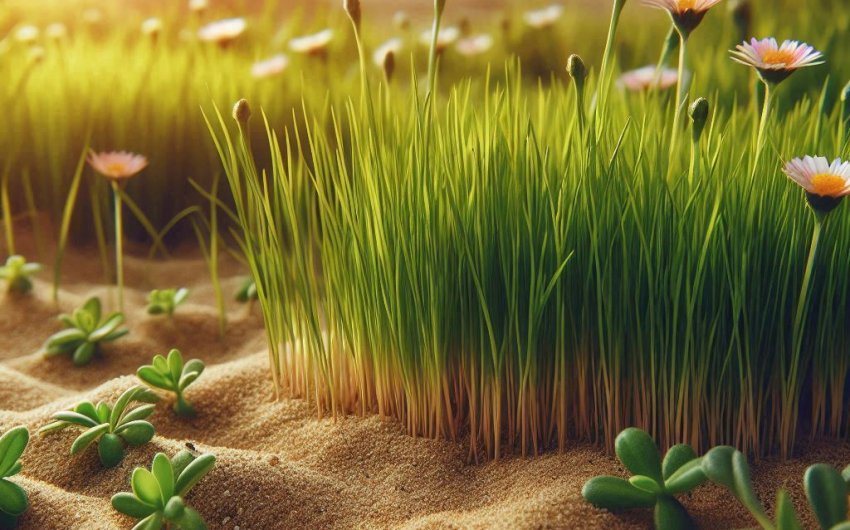
Cultivating a vibrant, healthy lawn in areas with quick-draining soil can be a unique challenge for gardeners. Understanding what type of grass grows best in sandy soil is paramount to achieving a lush green space that thrives despite these specific conditions. Certain grass varieties are naturally more adapted to sandy textures, requiring less moisture and nutrients than other turf types, making them ideal choices for such environments.
What is Sandy Soil and Why is it Challenging for Lawns?
To understand what type of grass grows best in sandy soil, it's essential to first grasp the characteristics of this particular soil type and the specific challenges it presents for turfgrass. While sandy soil has some advantages, its inherent properties often make it difficult to maintain a healthy, verdant lawn.
Characteristics of Sandy Soil
Sandy soil is primarily composed of small, gritty mineral particles. It feels loose and coarse to the touch, and when dry, it often crumbles easily.
- Large Particle Size: Sand particles are relatively large compared to silt and clay particles. This creates large pore spaces (the gaps between soil particles).
- Excellent Drainage: Due to these large pore spaces, water drains very quickly through sandy soil. While this prevents waterlogging, it also means the soil struggles to retain moisture.
- Low Water Retention: Water rapidly percolates downwards, leaving the upper root zone dry in a short amount of time.
- Poor Nutrient Retention: The large pore spaces also mean that nutrients, especially soluble ones, are easily leached (washed away) with draining water. Sandy soils have low cation exchange capacity (CEC), meaning they don't hold onto positively charged nutrient ions well.
- Low Organic Matter: Sandy soils often contain less organic matter compared to loamy or clay soils, further exacerbating issues with water and nutrient retention.
- Quick Warming: Sandy soils tend to warm up faster in spring, which can be beneficial for some warm-season grasses.
Why is Sandy Soil Challenging for Lawns?
The characteristics of sandy soil create specific hurdles for lawn grasses:
- Frequent Watering Needs: Because water drains so rapidly, grass grown in sandy soil requires very frequent irrigation to prevent dehydration, especially during hot, dry periods. This can lead to higher water bills and more time spent on irrigation.
- Nutrient Deficiencies: The leaching of nutrients means that essential elements like nitrogen, phosphorus, and potassium are easily lost. Grass in sandy soil often suffers from nutrient deficiencies, leading to pale color, stunted growth, and increased susceptibility to stress. Regular fertilization is often needed, but with care to prevent further leaching.
- Low Organic Matter Content: The lack of organic matter contributes to poor nutrient retention and can lead to less microbial activity, which is vital for healthy soil.
- Stress During Droughts: Grass in sandy soil is highly vulnerable to drought stress, turning brown and going dormant (or dying) quickly if not consistently watered.
- Weed Competition: The quick-draining nature and potential for nutrient depletion can stress turfgrass, making it more susceptible to weed invasion, especially from weeds that are well-adapted to drier, less fertile conditions.
- Difficulty in Establishment: New grass seeds can struggle to establish in sandy soil because they need consistent moisture during germination, which is hard to maintain.
Despite these challenges, understanding these properties helps inform the selection of what type of grass grows best in sandy soil, focusing on varieties inherently adapted to these less-than-ideal conditions.
Which Cool-Season Grasses Tolerate Sandy Soil Best?
For gardeners in northern or transitional climates dealing with sandy soil, selecting the right cool-season grasses is essential. While many cool-season varieties prefer richer, loamy soils, some are surprisingly tolerant of the quick drainage and lower nutrient retention found in sandy conditions. Knowing what type of grass grows best in sandy soil in cooler regions helps ensure a resilient and attractive lawn.
Fine Fescues (Festuca)
Among the cool-season grasses, Fine Fescues are often considered the champions of tolerance for less-than-ideal conditions, including sandy, dry, and even low-fertility soils. They are known for their fine texture and often grow well in partial shade.
- Characteristics: Slender, needle-like blades, often forming a dense turf. They are a group that includes Creeping Red Fescue, Chewings Fescue, Hard Fescue, and Sheep Fescue.
- Why they grow well in sandy soil:
- Low Moisture Needs: They are highly drought-tolerant, requiring less water than other cool-season grasses once established.
- Low Fertility Tolerance: They can survive and even thrive in soils with lower nutrient levels.
- Good Shade Tolerance: Many varieties also perform well in partial shade, a common condition where sandy soil might be present (e.g., under trees).
- Deep Root System: Develops a fibrous root system that can better extract moisture from deeper in the soil profile.
- Best Use: Often used in blends for low-maintenance lawns, or as a component in mixes for shady areas or areas with poor soil. A fine fescue seed blend can be a good starting point.
Tall Fescue (Festuca arundinacea)
Tall Fescue is a popular choice for many northern lawns due to its robustness and adaptability. While it has a coarser blade than fine fescues, it still exhibits good tolerance to sandy conditions and drought.
- Characteristics: Wider blades than fine fescues, deep green color, and a tendency to grow in clumps if not overseeded regularly. Modern "turf-type" tall fescues are bred to be finer textured and more attractive.
- Why it grows well in sandy soil:
- Deep Root System: Its most significant advantage is its very deep root system, which allows it to access water and nutrients from deeper in the soil profile, making it highly drought-tolerant.
- Heat Tolerance: Good heat tolerance for a cool-season grass.
- Traffic Tolerance: Can withstand moderate foot traffic.
- Best Use: Often used as a standalone lawn grass, especially where drought is a concern or where a robust, low-maintenance turf is desired. A turf-type Tall Fescue seed is a good option.
Kentucky Bluegrass (Poa pratensis) - With Caveats
While Kentucky Bluegrass is a staple for lush, dense lawns in cool climates, its suitability for sandy soil comes with significant caveats.
- Characteristics: Beautiful blue-green color, forms a very dense sod, and spreads by rhizomes (underground stems).
- Why it's challenging for sandy soil:
- Higher Water Needs: Kentucky Bluegrass generally requires more consistent moisture than fescues to look its best.
- Higher Nutrient Needs: It also prefers richer soils and responds well to regular fertilization.
- Can it grow in sandy soil? Yes, but it will require more intensive management (frequent watering, more frequent and possibly lighter applications of fertilizer) to thrive. It performs best in sandy soil if significant organic matter has been incorporated to improve water and nutrient retention.
- Best Use (in sandy soil): Use in blends with fine or tall fescues, which can compensate for some of its weaknesses in sandy conditions.
When choosing what type of grass grows best in sandy soil in cooler climates, Fine Fescues and Tall Fescue emerge as the most reliable cool-season options, offering excellent drought tolerance and lower maintenance needs compared to other varieties.
Which Warm-Season Grasses Thrive in Sandy Soil?
For gardeners in southern or transitional climates, sandy soil is a common occurrence, and fortunately, several warm-season grasses are exceptionally well-suited to these conditions. These grasses are naturally adapted to heat and often have growth habits that help them thrive where water and nutrients are less readily available. Knowing what type of grass grows best in sandy soil in warmer regions can lead to a beautiful, resilient turf.
Bermudagrass (Cynodon dactylon)
Bermudagrass is a highly popular and aggressive warm-season grass known for its exceptional heat and drought tolerance, making it an excellent choice for sandy soils.
- Characteristics: Fine to medium texture, bright to dark green color, forms a very dense and durable turf. It spreads rapidly via rhizomes (underground stems) and stolons (above-ground runners).
- Why it thrives in sandy soil:
- Deep Root System: Bermudagrass develops an incredibly deep and extensive root system, allowing it to efficiently access moisture and nutrients from deep within sandy profiles.
- High Drought Tolerance: It can go dormant during severe droughts to survive, then green up quickly when water returns.
- High Heat Tolerance: Thrives in full sun and extreme summer temperatures.
- Traffic Tolerance: Excellent recuperative ability and tolerates heavy foot traffic.
- Best Use: Lawns in full sun, sports fields, golf courses. Requires frequent mowing and can be aggressive, potentially invading flower beds. Bermudagrass seed is readily available.
Zoysiagrass (Zoysia spp.)
Zoysiagrass is another strong contender for sandy soils, valued for its dense, luxurious feel and excellent drought resistance.
- Characteristics: Medium texture, dense growth habit, and spreads by both rhizomes and stolons. It forms a tough, durable turf.
- Why it thrives in sandy soil:
- Drought Tolerance: Very good drought tolerance, second only to Bermudagrass among warm-season options. It can go dormant in extreme drought.
- Traffic Tolerance: Creates a very dense, wear-resistant lawn once established.
- Lower Water and Nutrient Needs: Requires less water and fertilizer compared to St. Augustinegrass.
- Best Use: Lawns where low water use and good traffic tolerance are desired. It's slower to establish than Bermuda but forms a very high-quality turf. A Zoysiagrass plug tray can be a good way to start.
Centipedegrass (Eremochloa ophiuroides)
Centipedegrass is a popular choice in the southeastern United States for its low-maintenance requirements and good tolerance to sandy, acidic soils.
- Characteristics: Coarse texture, apple-green color, and spreads by stolons. It forms a relatively dense, low-growing turf.
- Why it thrives in sandy soil:
- Low Nutrient Needs: Often called "lazy man's grass" due to its low fertilization requirements, making it ideal for soils that don't retain nutrients well.
- Good Drought Tolerance: Tolerates dry conditions relatively well, though it can suffer in prolonged severe drought.
- Acidity Tolerance: Uniquely tolerates slightly acidic soils, which can sometimes occur in sandy regions.
- Best Use: Low-maintenance lawns in the lower South, especially those with sandy, acidic soils and full sun to light shade. It's not tolerant of heavy traffic or extremely cold temperatures.
St. Augustinegrass (Stenotaphrum secundatum) - With Caveats
St. Augustinegrass is widely used in coastal and warm, humid regions, and while it can grow in sandy soils, it often requires more active management to thrive.
- Characteristics: Coarse-textured, forms a dense, dark green turf, spreads aggressively by stolons.
- Why it's challenging (but can work) in sandy soil:
- Higher Water Needs: Compared to Bermuda or Zoysia, St. Augustinegrass prefers more consistent moisture, which is difficult in quick-draining sandy soil.
- Higher Nutrient Needs: It's also a heavier feeder, meaning nutrients will leach quickly from sandy soil, requiring more frequent, light fertilizer applications.
- Good Shade Tolerance: Its strength lies in its tolerance to partial shade, which sets it apart from Bermuda.
- Best Use (in sandy soil): For areas with some shade, where a coarser blade is acceptable, and where gardeners are willing to provide consistent irrigation and light, frequent fertilization. Typically established with St. Augustinegrass sod or plugs.
When considering what type of grass grows best in sandy soil in warm climates, Bermudagrass and Zoysiagrass stand out as top performers due to their deep root systems, aggressive growth, and excellent drought tolerance, while Centipedegrass is a strong low-maintenance option for specific regions.
How Can You Improve Sandy Soil for Better Grass Growth?
While choosing what type of grass grows best in sandy soil is a primary strategy, actively improving your sandy soil can dramatically enhance the health and vigor of your lawn, regardless of the grass type. Amending sandy soil focuses on increasing its ability to retain water and nutrients.
1. Incorporate Organic Matter (Most Important Step)
Adding organic matter is the single most effective way to improve sandy soil. Organic matter acts like a sponge, dramatically increasing the soil's capacity to hold water and nutrients.
- Compost: Topdressing your lawn with a 1/4 to 1/2-inch layer of high-quality, well-rotted compost once or twice a year is highly beneficial. Work it lightly into the existing turf or apply after aeration. Compost not only adds organic matter but also introduces beneficial microorganisms.
- Composted Manure: Similar to compost, well-aged manure provides rich organic material and nutrients.
- Leaf Mold: Decomposed leaves create a fantastic water-retaining and nutrient-rich amendment.
- Peat Moss: While it improves water retention, its use can be debated for environmental reasons. If used, ensure it's mixed thoroughly into the soil, as a surface layer can dry out and repel water.
- Benefits:
- Increased Water Retention: Organic matter can hold many times its weight in water.
- Improved Nutrient Retention: It has a high cation exchange capacity, allowing it to "hold onto" nutrients, preventing leaching.
- Enhanced Microbial Activity: Provides food for beneficial soil microbes, which further improve soil structure and nutrient cycling.
2. Implement Smart Watering Practices
Even with improved soil, how you water still matters in sandy conditions.
- Deep and Infrequent (Gradually): As your soil improves with organic matter, train your grass roots to grow deeper by watering more deeply but less frequently. This encourages a robust root system that can access moisture from deeper soil profiles.
- Monitor Soil Moisture: Use a soil moisture meter or simply dig a small test hole to check moisture levels 4-6 inches deep before watering.
- Early Morning Watering: Water in the early morning to minimize evaporation and allow grass blades to dry before nightfall, reducing disease risk.
3. Fertilize Strategically
Sandy soils require a different fertilization approach due to nutrient leaching.
- Slow-Release Fertilizers: Use slow-release granular fertilizers. These release nutrients gradually over time, reducing losses due to leaching and providing a more consistent supply to the grass.
- Lighter, More Frequent Applications: Instead of one or two heavy applications per year, consider lighter applications more frequently (e.g., every 6-8 weeks) during the growing season. This ensures nutrients are available when needed without overwhelming the soil's capacity to hold them.
- Soil Test: Conduct a soil test every few years to identify specific nutrient deficiencies and pH imbalances, allowing for targeted fertilization.
4. Mulch Grass Clippings
Returning grass clippings to your lawn is a simple, ongoing way to add organic matter and nutrients.
- Mulching Mower: Use a mulching lawn mower to finely chop clippings and let them fall back onto the lawn.
- Benefits: As they decompose, clippings add valuable organic matter and a natural source of nitrogen, reducing the need for synthetic fertilizers.
5. Consider Cover Crops (for New Lawns/Garden Areas)
If you are establishing a new lawn or have large bare sandy areas you want to improve, planting cover crops (like clover or annual ryegrass) can be highly beneficial.
- Process: Plant the cover crop during the off-season. When it reaches maturity, mow it down and incorporate it into the top few inches of soil before planting your desired grass.
- Benefits: Cover crops add significant organic matter, improve soil structure, and some (like clover) can even fix nitrogen.
By consistently implementing these soil improvement techniques, you can transform challenging sandy soil into a more hospitable environment, allowing your chosen grass type to thrive and create a truly beautiful and resilient lawn. Understanding what type of grass grows best in sandy soil is just one part of the equation; active soil improvement completes the picture.
How Do You Maintain a Lawn in Sandy Soil?
Maintaining a lawn in sandy soil requires a nuanced approach compared to maintaining turf in loam or clay. Because sandy soil has unique challenges, a few key adjustments to your regular lawn care routine will help ensure your chosen grass type thrives and maintains its vigor. Knowing what type of grass grows best in sandy soil is important, but proper, ongoing maintenance is equally crucial.
1. Adjust Mowing Practices
Mowing correctly is vital for turf health, especially in sandy soil.
- Mow High: Always set your mower to the highest recommended height for your specific grass type (e.g., 3-4 inches for most cool-season grasses, 2-3 inches for most warm-season grasses).
- Benefits: Taller grass blades create more shade for the soil, reducing water evaporation. They also encourage deeper root growth, which is critical for accessing what little moisture is available in sandy soil.
- Mulch Clippings: Use a mulching lawn mower and leave the clippings on the lawn.
- Benefits: As clippings decompose, they return valuable organic matter and nutrients to the soil, improving its water and nutrient retention capacity over time.
2. Implement Strategic Watering
Watering is perhaps the most critical aspect of maintaining a lawn in sandy soil. You need to compensate for its rapid drainage.
- More Frequent, Moderate Watering: While the general rule for most soils is "deep and infrequent," sandy soil often requires slightly more frequent, but still substantial, watering. The goal is to moisten the root zone without causing excessive runoff and leaching.
- Monitor Moisture: Don't just water on a schedule. Feel the soil. If it feels dry 4-6 inches deep, it's time to water. A soil moisture meter can be very helpful.
- Early Morning: Always water in the early morning to minimize evaporation and allow grass blades to dry before nightfall, reducing disease risk.
- Avoid Compaction: Heavy foot traffic on wet sandy soil can lead to compaction, hindering root growth and water infiltration.
3. Fertilize with Care
Nutrients leach quickly from sandy soil, so your fertilization strategy needs to adapt.
- Slow-Release Fertilizers: Prioritize slow-release granular fertilizers. These provide a steady supply of nutrients over a longer period, reducing nutrient loss and preventing "flushing" through the soil.
- Lighter, More Frequent Applications: Instead of one or two heavy applications, consider applying a lighter dose of fertilizer more often (e.g., every 6-8 weeks during the active growing season, following product instructions).
- Organic Fertilizers: Organic fertilizers (like granulated organic lawn fertilizer) release nutrients as they are broken down by microbes, which is a slower, more sustained process beneficial for sandy soil. They also contribute to organic matter.
- Micronutrients: Sandy soils are often deficient in micronutrients. Consider a fertilizer that includes these or supplement with a liquid micronutrient spray if a soil test indicates a deficiency.
4. Aeration and Topdressing
These practices become even more valuable in sandy soil.
- Annual Aeration: While sandy soil doesn't compact as easily as clay, aeration still improves overall soil health and prepares the lawn for topdressing.
- Regular Topdressing: Continue to apply thin layers of compost (1/4 to 1/2 inch) at least once a year, preferably after aeration or overseeding. This is the best ongoing way to continuously build organic matter, improving the soil's ability to retain moisture and nutrients. A compost spreader makes this task efficient for larger lawns.
5. Monitor for Pests and Diseases
Stressed lawns (common in challenging soil conditions) are more susceptible to pests and diseases.
- Vigilance: Regularly inspect your lawn for any signs of disease (discolored patches, fungus) or pest activity.
- Early Intervention: Address issues promptly with appropriate organic or targeted treatments to prevent widespread damage. A healthy, well-maintained lawn is your best defense.
By adjusting these maintenance practices to suit the unique characteristics of sandy soil, you can cultivate a resilient, healthy, and attractive lawn. Choosing what type of grass grows best in sandy soil is the starting point, but ongoing, mindful care is the true key to its long-term success.