
How to Eliminate Weeds in a Lawn Naturally?
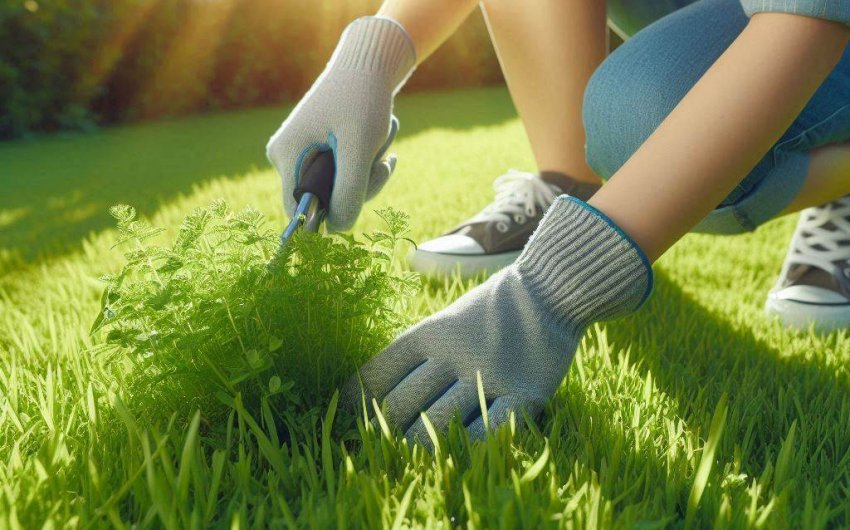
A lush, green lawn is a joy to behold. It provides a perfect setting for outdoor activities and enhances the beauty of your home. However, keeping a lawn pristine often feels like a constant battle against unwanted guests: weeds. These pesky plants compete with your grass for water, nutrients, and sunlight, making your lawn look patchy and unhealthy. Many people turn to chemical herbicides to get rid of weeds quickly. While these products can be effective, they often come with concerns about their impact on children, pets, and the environment. The good news is that you don't always need harsh chemicals to achieve a beautiful, weed-free lawn. There are many natural weed control methods that are effective and much safer.
Embracing natural weed elimination means understanding how weeds grow and what makes them thrive. By changing a few simple lawn care habits, you can create an environment where grass flourishes and weeds struggle to survive. This approach focuses on building a strong, healthy lawn from the ground up, making it naturally resistant to weed invasion. We'll explore various techniques, from old-fashioned elbow grease to smart lawn management, all aimed at helping you achieve that picture-perfect lawn without relying on synthetic chemicals. Get ready to transform your lawn into a vibrant green carpet, naturally and safely.
Why Do Weeds Grow in My Lawn Anyway?
Weeds aren't just random invaders; they often grow because conditions in your lawn are just right for them. Understanding why they appear is the first step to getting rid of them for good, especially when you want to use natural weed control methods. Weeds are tough survivors, and they often take advantage of weaknesses in your lawn.
What Conditions Encourage Weeds to Thrive?
Weeds often appear when your lawn isn't as healthy as it could be. Think of them as opportunistic plants. For example, compacted soil is a big problem. When soil is hard and dense, grass roots struggle to grow deep, and water and air don't get where they need to go. But some weeds, like plantain or knotweed, actually prefer compacted soil and will happily set up shop there.
Another major issue is thin grass. If your lawn is patchy or sparse, there's open space for weed seeds to land and sprout. A dense, thick lawn acts like a natural barrier, crowding out weed seedlings. Weeds also love areas where there's not enough sunlight for grass to grow well, or where there's too much or too little water. If your lawn has poor drainage or uneven watering, certain weeds will thrive. Also, low soil fertility can favor weeds. While your grass needs a good balance of nutrients, some weeds can grow even in nutrient-poor soil.
Are Specific Weed Types Attracted to Certain Lawn Problems?
Yes, different weeds can actually tell you a lot about your lawn's health! It's like they're little indicators. For instance:
- Dandelions and plantain often pop up in compacted soil or areas with low soil fertility. If you see a lot of these, your soil might need some aeration or better feeding.
- Crabgrass and nutsedge love thin lawns and areas with poor drainage or excessive watering. They are especially common in hot, sunny spots where grass might be stressed.
- Clover can grow in lawns that have low nitrogen in the soil. Clover actually helps add nitrogen to the soil, so it's not always considered a "bad" weed by everyone, but if you want a pure grass lawn, its presence can indicate a nutrient deficiency.
- Moss usually means your lawn has poor drainage, too much shade, or acidic soil.
- Broadleaf weeds like chickweed or henbit often appear in thin, weak turf.
By identifying the weeds in your lawn, you can get clues about underlying issues, which helps you choose the best natural weed control strategy. Instead of just treating the symptom (the weed), you can address the root cause (the lawn problem).
What Are the Best Natural Methods for Removing Existing Weeds?
Once weeds have taken hold, you need a plan to get rid of them. The good news is that many effective methods don't involve harsh chemicals. These natural weed elimination techniques often require a bit more effort upfront but are much safer for your family and the environment.
How Can Manual Weeding Be Made Easier and More Effective?
Manual weeding, or pulling weeds by hand, is the most direct and chemical-free way to remove weeds. It's especially effective for scattered weeds or smaller areas. The key to making it effective and less back-breaking is timing and technique.
Always try to pull weeds when the soil is moist. After a rain or a good watering, the soil is softer, and weed roots come out much more easily. Trying to pull weeds from dry, hard soil is frustrating and often results in the weed breaking off at the stem, leaving the root behind to regrow.
For weeds with taproots, like dandelions or thistles, you need to get the entire root out. A dandelion weeding tool or a hand weeder can be incredibly helpful. These tools are designed to dig deep and lift the root out cleanly. For shallower, spreading weeds, like chickweed or purslane, you can often grab a bunch and pull them up from their roots.
Make sure to dispose of the weeds properly. If they have gone to seed, don't put them in your compost bin unless you have a hot composting system that can kill seeds. It's better to bag them and throw them away to prevent them from spreading more seeds. Regular, consistent hand-weeding is key. A few minutes each day or week can prevent a small problem from becoming a big one.
Is Boiling Water an Effective Natural Herbicide?
Yes, boiling water can be a surprisingly effective natural herbicide for certain weeds, especially those growing in cracks in pavement, sidewalks, or gravel paths. It works by instantly scalding the plant tissue, causing it to wilt and die.
To use it, simply boil a kettle of water. Carefully pour the boiling water directly onto the leaves and base of the unwanted weeds. Be very careful not to splash yourself or pour it on desirable plants, as it will kill anything it touches. This method is not practical for an entire lawn because it kills grass too, and you would need a huge amount of water. However, for isolated weeds in non-lawn areas, it's a quick, cheap, and completely chemical-free solution. You might need to repeat the application for stubborn weeds with deep roots.
Can Horticultural Vinegar (Acetic Acid) Be Used to Kill Weeds?
Horticultural vinegar, which is much stronger than kitchen vinegar (typically 20% acetic acid compared to 5% for household vinegar), can act as a natural weed killer. It works by breaking down the cell walls of plants, causing them to dry out and die quickly.
When using horticultural vinegar, it's crucial to be cautious. Wear gloves and eye protection because it can cause skin and eye irritation. Only apply it on a calm, non-windy day to prevent drift onto desirable plants, as it will harm them too. You can apply it using a pump sprayer directly to the weed leaves. It works best on young, broadleaf weeds. For established weeds, you might need multiple applications.
Like boiling water, horticultural vinegar is best for spot treating weeds or for areas where you don't want grass to grow, such as patios, driveways, or garden beds before planting. It will lower the pH of the soil where it's applied, which could affect future plant growth in that specific spot. Do not use household vinegar on your lawn, as it's not strong enough to kill tough weeds effectively and still could harm your grass if applied broadly.
How Does Corn Gluten Meal Work as a Natural Pre-Emergent?
Corn gluten meal is a fascinating natural pre-emergent herbicide. This means it doesn't kill existing weeds but prevents new weed seeds from sprouting. It works by releasing peptides (small proteins) into the soil. When weed seeds absorb these peptides, their ability to grow a strong root system is hindered, and they essentially "dry out" before they can establish themselves.
This product is safe for pets and children, and it also contains nitrogen, so it doubles as a slow-release fertilizer for your lawn. The best time to apply corn gluten meal is in early spring, before weed seeds like crabgrass start to germinate. You can spread it using a broadcast spreader. The timing is critical because it only works on seeds that are just about to sprout, not on established weeds. After applying, you need to water it lightly to activate it, but avoid heavy watering for a few days afterward. This gives the peptides time to work.
Corn gluten meal is a great long-term strategy for reducing weed problems naturally. It won't give you instant results for existing weeds, but it will help prevent future generations of weeds from emerging.
What Lawn Care Practices Naturally Prevent Weeds?
The absolute best way to eliminate weeds naturally is to prevent them from growing in the first place. A healthy, dense lawn is your strongest defense against weed invasion. By adopting smart lawn care practices, you create an environment where grass thrives and weeds struggle.
How Does Proper Mowing Height Affect Weed Growth?
Proper mowing height is one of the simplest yet most effective natural weed control strategies. Many people cut their grass too short, thinking it makes their lawn look neater or reduces the frequency of mowing. However, cutting grass too short (often called "scalping") actually harms your lawn and invites weeds.
When you mow your grass too short, you stress the grass plants. Their roots don't grow as deep, and they become more susceptible to drought and disease. More importantly, short grass allows more sunlight to reach the soil surface. This sunlight is exactly what weed seeds need to germinate and grow.
Instead, aim to mow your lawn at a height of 2.5 to 3 inches or even higher. Taller grass blades do several good things:
- They develop deeper, stronger root systems, making the grass more resilient.
- They shade the soil surface, blocking sunlight that weed seeds need to sprout. This is called canopy closure, and it's a powerful natural weed prevention method.
- Taller grass also helps retain soil moisture.
Mow frequently enough so that you only remove about one-third of the grass blade at any one time. This keeps the grass healthy and prevents stressing it too much.
Why Is Smart Watering Crucial for a Weed-Free Lawn?
Smart watering practices are vital for a healthy, weed-resistant lawn. Many people water their lawns too often and too lightly. This type of watering encourages shallow grass roots, making the lawn weak and more prone to stress. It also keeps the top layer of soil constantly moist, which is exactly what many weed seeds (like crabgrass) love to germinate in.
Instead, aim to water your lawn deeply and less frequently. This means giving your lawn about 1 inch of water per week, either from rain or irrigation. You can use a rain gauge to measure this. Water early in the morning to allow the grass blades to dry before nightfall, which helps prevent fungal diseases.
Deep watering encourages grass roots to grow deeper into the soil. This makes the grass more drought-tolerant and better able to compete with weeds for water and nutrients. When the top inch or two of soil dries out between waterings, it creates a less welcoming environment for many shallow-rooted weed seeds.
How Does Fertilization Promote a Healthy, Weed-Resistant Lawn?
Proper fertilization is like giving your lawn the right food so it can grow strong and healthy. A well-fed lawn is dense, green, and better able to outcompete weeds. However, using the right type and amount of fertilizer is important for natural weed prevention.
Avoid over-fertilizing, as this can lead to excessive top growth and weak roots, or even burn your lawn. Instead, focus on using slow-release organic fertilizers. These products feed your lawn gradually over time, promoting steady, healthy growth without sudden surges that can stress the grass. Organic fertilizers also improve soil health, which is the foundation of a weed-resistant lawn. Products like compost (which you can make yourself!), bone meal, or alfalfa meal are excellent natural choices.
Apply fertilizer when your grass is actively growing. For cool-season grasses (like fescue or bluegrass), this is typically in the spring and fall. For warm-season grasses (like Bermuda or zoysia), it's usually in late spring and summer. A strong, thick turf crowds out weed seedlings, leaving no room for them to establish.
What Role Does Aeration and Dethatching Play in Weed Control?
Aeration and dethatching are vital lawn care practices that directly impact your lawn's ability to resist weeds.
Aeration involves making small holes in your lawn to relieve soil compaction. Over time, soil gets compacted from foot traffic, mowing, and even rain. Compacted soil makes it hard for grass roots to grow, and for water, air, and nutrients to penetrate. This creates a stressful environment for grass but an inviting one for weeds like plantain and dandelions. You can aerate your lawn with a core aerator (which pulls out small plugs of soil) or by simply using a garden fork to poke holes. The best time to aerate is when your grass is actively growing and can recover quickly.
Dethatching (also called power raking) removes a layer of dead grass stems and roots that builds up between the soil surface and the green grass blades. This layer, called thatch, can prevent water and nutrients from reaching the soil, and it can also harbor pests and diseases. A thick thatch layer also provides a perfect spot for weed seeds to germinate and hide. You can dethatch your lawn with a thatch rake or a power dethatcher for larger lawns.
By aerating and dethatching, you improve the flow of air, water, and nutrients to your grass roots, making your lawn stronger and less hospitable to weeds.
Why Is Overseeding Important for Preventing Weeds?
Overseeding is the practice of spreading new grass seed over an existing lawn. This is an incredibly powerful natural weed prevention strategy, especially when combined with aeration and proper fertilization.
As lawns age, individual grass plants can thin out, leaving bare spots. These open patches are prime real estate for weed seeds to land and sprout. Overseeding regularly fills in these thin areas, creating a dense, uniform turf that literally crowds out weeds. It's the ultimate "no vacancy" sign for unwanted plants.
The best time to overseed is in the fall for cool-season grasses and in late spring/early summer for warm-season grasses. This allows the new grass seedlings time to establish before the stress of summer heat or winter cold. After overseeding, make sure to keep the top inch of soil moist until the new grass sprouts. Using a handheld spreader can help distribute the seeds evenly. A thick, healthy lawn born from regular overseeding is naturally resistant to almost all common lawn weeds.
What Are Some Lesser-Known Natural Weed Control Hacks?
Beyond the common strategies, there are a few clever and less conventional natural weed control methods that can help you win the battle against invaders. These "hacks" often involve using household items or smart garden practices.
Can Mulch Be Used in Lawn Areas to Suppress Weeds?
While typically used in garden beds, mulch can be surprisingly effective for natural weed suppression in specific lawn scenarios. For instance, if you have a persistently shady spot where grass simply won't grow well, no matter what you do, and weeds are constantly taking over, consider converting that area into a mulched landscape bed.
By laying down a thick layer of organic mulch (like wood chips or shredded bark) over a weed-barrier fabric or several layers of newspaper, you effectively smother existing weeds and prevent new weed seeds from sprouting. The mulch blocks sunlight, which is essential for germination. While this isn't for the entire lawn, it's a great solution for challenging areas where you've given up on growing grass. It turns a problem spot into an attractive, low-maintenance feature.
How Do You Use Solarization to Kill Stubborn Weeds?
Solarization is a very effective, completely chemical-free method for killing stubborn weeds (and weed seeds) over a larger area. It works by harnessing the sun's energy to heat the soil to temperatures that are lethal to most plants and seeds.
To solarize an area, first, clear the area of any large debris. Water the soil thoroughly until it's moist. Then, cover the entire area with a clear, thick plastic sheeting (like 4-6 mil polyethylene plastic). Make sure the edges of the plastic are securely anchored by burying them in a trench or weighing them down with rocks or soil. This creates an airtight seal, trapping heat underneath.
Leave the plastic in place for at least 4-6 weeks during the hottest part of the summer. The sun's rays will heat the soil to temperatures that kill weeds, weed seeds, and even some soil-borne pests and diseases. After the solarization period, you can remove the plastic, and the area will be largely weed-free and ready for planting or seeding new grass. This method is best for preparing a new lawn area or renovating a severely weed-infested section.
Is Flaming an Option for Weeds in Specific Areas?
Weed flaming is a direct and quick way to kill weeds using intense heat from a flame weeder (a tool that attaches to a propane tank, creating a controlled flame). It's a natural weed control method because it doesn't involve chemicals; it just uses heat.
However, it's crucial to understand that flaming is generally not for use on a lawn. It will kill your grass along with the weeds. Flaming is best suited for weeds growing in cracks in pavement, driveways, sidewalks, or between pavers where you want to eliminate all plant growth.
When using a flame weeder, you don't need to burn the weed to a crisp. A quick pass that causes the leaves to wilt or change color is enough. The heat ruptures the plant's cell walls, causing it to die. Always exercise extreme caution when using a flame weeder: keep a water source nearby, use it away from flammable materials, and wear appropriate safety gear. It's an effective tool for non-lawn areas but never for the main turf.
Can Handheld Steam Weeds Kill Weeds Without Chemicals?
Similar to boiling water and flaming, steam weeding uses heat to kill weeds. A handheld steam weeder directs hot steam directly onto the plant, causing the cells to burst and the weed to die.
Like flaming, this method is very effective for spot-treating weeds in cracks, along edges, or in garden beds before planting. It is not practical or advisable for use on an entire lawn because it would kill your grass. Steam weeding is chemical-free and environmentally friendly. It's a bit slower than flaming but offers a high level of precision, making it suitable for weeds growing very close to desirable plants (as long as you are careful). You can find various steam weeders available, often designed for home use.
How Can I Maintain a Weed-Free Lawn Naturally Long-Term?
Eliminating weeds naturally is not a one-time event; it's an ongoing process of smart lawn care. Once you've tackled existing weeds, the goal is to maintain a healthy lawn that naturally resists future invasions. Consistency is key.
What Is the Importance of Regular Lawn Monitoring for Early Weed Detection?
Regular lawn monitoring is perhaps one of the most overlooked but crucial aspects of natural weed control. Think of it as preventative maintenance. If you walk your lawn regularly – at least once a week, or more often if you're actively battling weeds – you can spot new weed seedlings before they become established.
Catching weeds when they are small makes them much easier to remove. A tiny dandelion seedling can be pulled out with a flick of the wrist. A mature dandelion with a deep taproot is a much bigger chore. By consistently checking your lawn, you can quickly address any new weed sprouts, often with a quick hand pull, before they have a chance to grow large, go to seed, and spread. This proactive approach saves you a lot of time and effort in the long run and helps maintain that desired weed-free appearance.
Why Is Soil Testing Essential for Natural Weed Prevention?
Soil testing is like getting a health report for your lawn's foundation. It tells you exactly what your soil needs (or doesn't need) to support healthy grass growth. Healthy soil is the bedrock of a weed-resistant lawn, making soil testing an essential natural weed prevention tool.
A soil test will reveal your soil's pH level (how acidic or alkaline it is) and the levels of key nutrients like nitrogen, phosphorus, and potassium, as well as micronutrients. Different grasses have preferred pH ranges and nutrient needs. If your soil pH is off, or if it's lacking in certain nutrients, your grass will struggle, making it easier for weeds that tolerate those conditions to move in. For example, if your soil is too acidic, you might see more moss or certain broadleaf weeds.
Based on your soil test results, you can make informed decisions about natural soil amendments. If your pH is too low, you might add limestone. If it's too high, you might add sulfur. You can also apply specific organic fertilizers to address nutrient deficiencies. Many local extension offices offer affordable soil testing services, or you can purchase a home soil test kit. Knowing your soil's needs allows you to create the perfect environment for your grass to thrive, naturally outcompeting weeds.
How Can I Encourage Beneficial Microbes for a Healthy Lawn Ecosystem?
A truly healthy lawn isn't just about grass; it's about the entire soil ecosystem, including billions of beneficial microbes. These tiny organisms (bacteria, fungi, protozoa, etc.) play a huge role in breaking down organic matter, making nutrients available to plants, and even suppressing harmful pathogens and some weed seeds. Fostering a thriving microbial community is a cornerstone of natural lawn care and weed prevention.
Here's how you can encourage them:
- Leave grass clippings on the lawn: When you mow, let the clippings fall back onto the lawn (unless they are very heavy or clumpy). As they decompose, they return valuable nutrients to the soil and feed the microbes. This is a form of natural fertilization.
- Apply organic matter: Regularly top-dress your lawn with a thin layer of compost. Compost is packed with beneficial microbes and rich in organic matter, which is food for the existing soil organisms.
- Avoid synthetic chemicals: Many chemical fertilizers and pesticides can harm beneficial soil microbes, disrupting the natural balance. Sticking to natural weed control methods and organic soil amendments protects this vital ecosystem.
- Promote good drainage and aeration: Microbes need oxygen. Aerating your lawn and ensuring good drainage prevents anaerobic conditions that can harm beneficial bacteria.
A diverse and active microbial community helps create a robust, resilient lawn that can naturally fend off weeds and other problems. It's about working with nature, not against it, to achieve that beautiful, weed-free lawn.