
How to Get Rid of Crabgrass Without Chemicals?
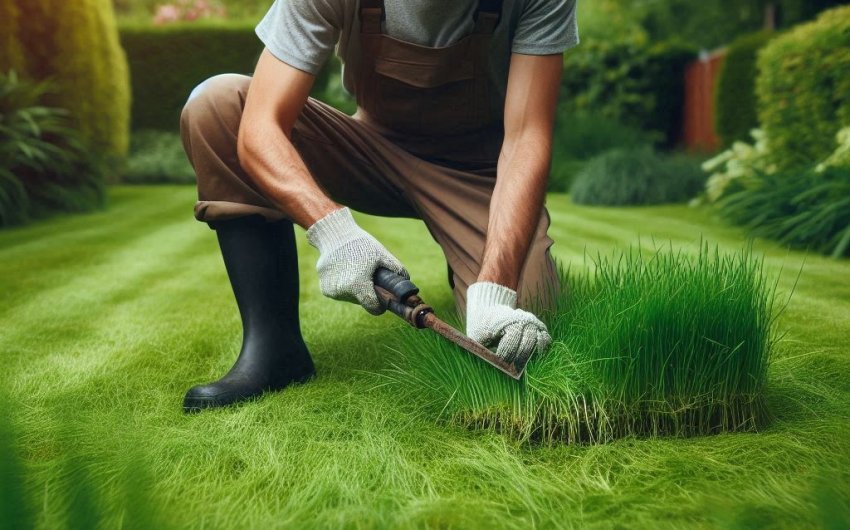
That unsightly, coarse-bladed grass spreading through your otherwise manicured lawn is most likely crabgrass. This common annual weed can quickly take over, especially during hot summer months, becoming a major frustration for homeowners. While chemical herbicides offer a quick fix, many people are increasingly seeking safer, more eco-friendly alternatives. Learning how to get rid of crabgrass without chemicals is entirely achievable and often leads to a healthier, more resilient lawn in the long run. This comprehensive guide will arm you with effective natural strategies, from prevention to manual removal, ensuring your lawn stays crabgrass-free the natural way.
What is Crabgrass and Why is it Such a Problem?
Before tackling the problem, it's helpful to understand your opponent: what crabgrass is and why it's so persistent.
What Does Crabgrass Look Like?
Crabgrass (Digitaria species) is an annual warm-season grassy weed. This means it germinates (sprouts) in spring, grows vigorously through summer, produces seeds in late summer/early fall, and then dies with the first hard frost.
- Color: It typically has a lighter green color than most desirable turfgrasses, often appearing yellowish-green.
- Texture: The blades are coarser and wider than most lawn grasses.
- Growth Habit: It grows in a distinctive, low-lying, spreading, crab-like manner from a central root, often forming dense mats that choke out desirable grass.
- Seed Heads: In late summer, it produces noticeable seed heads on finger-like stalks. A single crabgrass plant can produce tens of thousands of seeds, ensuring its return the following year.
- Annual Nature: While the plant itself dies in the fall, it leaves behind a massive seed bank, ready to sprout when soil temperatures warm up in spring.
Why is Crabgrass So Hard to Control?
Crabgrass is a formidable adversary for several reasons:
- Prolific Seeder: Its ability to produce a huge number of viable seeds (sometimes 150,000 per plant!) means that even a few plants can lead to a major infestation next year.
- Warm-Season Growth: It thrives in the hot, dry conditions of summer when many cool-season lawn grasses (like Kentucky Bluegrass and Fescue) are stressed or go dormant. This gives crabgrass a competitive advantage.
- Opportunistic: It germinates best in bare spots, thin areas, and compacted soil – basically, any area where the desirable turfgrass is struggling.
- Shallow Roots: It has a relatively shallow root system, making it vulnerable to drought but also allowing it to quickly take advantage of surface moisture.
- Resilient: It can withstand some mowing and traffic, continuing to grow and produce seeds even when cut short.
What Are the Best Chemical-Free Prevention Strategies?
The most effective way to control crabgrass without chemicals is to prevent it from ever taking hold. A healthy, dense lawn is your best defense.
1. Maintain a Healthy, Dense Lawn:
A thick lawn is a formidable barrier against crabgrass and other weeds.
- Mow High: This is arguably the single most important cultural practice to prevent crabgrass. Set your mower blades to the highest setting (typically 2.5-3 inches or even higher for cool-season grasses, 3-4 inches for warm-season).
- Shades the Soil: Taller grass blades shade the soil surface, keeping it cooler and blocking sunlight from reaching crabgrass seeds. Crabgrass needs warmth and light to germinate.
- Stronger Grass: Taller grass develops a deeper, more robust root system, making it more resilient to stress and better able to outcompete weeds.
- Proper Fertilization: Feed your lawn with a balanced fertilizer program (based on a soil test) to promote strong, vigorous growth. A dense, healthy turf will naturally crowd out crabgrass. Avoid excessive nitrogen in early spring, which can encourage crabgrass. Look for organic lawn fertilizers.
- Overseeding: Regularly overseed your lawn, especially in the fall. Introducing new grass seed into thinning areas helps create a denser turf that leaves no room for crabgrass to germinate. Choose turfgrass varieties suitable for your climate.
2. Strategic Watering Practices:
How you water your lawn can either encourage or discourage crabgrass.
- Water Deeply and Infrequently: This is crucial. Water your lawn thoroughly, aiming for about 1 inch of water per week (including rainfall). This encourages deep root growth in your desirable grass, making it more drought-tolerant and resilient.
- Avoid Frequent, Shallow Watering: Frequent, light watering keeps the top inch or two of soil consistently moist. This is exactly what crabgrass seeds need to germinate, as their roots are shallow. By watering deeply and infrequently, you allow the top layer of soil to dry out between waterings, creating an inhospitable environment for crabgrass sprouts while still providing moisture for your established turfgrass roots.
- Water in the Morning: Water your lawn in the early morning (before 10 AM) to allow the grass blades to dry completely before nightfall. Wet grass blades for extended periods can encourage fungal diseases.
3. Improve Soil Health:
Healthy soil supports healthy grass, which naturally resists weeds.
- Aeration: Core aeration helps relieve compacted soil. Compacted soil hinders water and nutrient penetration, stressing turfgrass and creating bare spots where crabgrass can thrive. Aerating improves drainage, air circulation, and root growth for your desirable grass. Consider renting a core aerator or hiring a professional.
- Topdressing with Compost: Applying a thin layer (1/4 to 1/2 inch) of compost annually improves soil structure, introduces beneficial microbes, and provides slow-release nutrients, fostering a healthier, denser lawn. This also helps fill in small depressions where water might collect, discouraging crabgrass.
- Correct Soil pH: Conduct a soil test every few years. Ensure your soil's pH is in the optimal range (6.0-7.0) for your turfgrass. Imbalanced pH can lead to nutrient lock-up, weakening your grass and making it vulnerable.
4. Natural Pre-Emergent Options:
These natural alternatives can help prevent crabgrass seeds from germinating.
- Corn Gluten Meal (CGM):
- How it works: CGM is a natural byproduct of corn processing. It contains a peptide that inhibits root formation in germinating seeds. When applied at the right time, it can effectively suppress crabgrass (and other annual weeds).
- Application: Apply CGM in early spring when soil temperatures are consistently around 55°F (13°C), typically around the time Forsythia bushes are blooming or when Crocuses are fading. This is before crabgrass seeds germinate.
- Pros: Safe for kids and pets, adds nitrogen to the soil (natural fertilizer).
- Cons: Less effective than synthetic pre-emergents if timing is off, can inhibit germination of desirable grass seed (so don't overseed for a few months after application), requires consistent application over several years for best results. A good corn gluten meal product is essential.
- Other Natural Barriers: While less effective than CGM for widespread prevention, applying a thick layer of mulch in garden beds adjacent to the lawn can suppress crabgrass.
How Do I Remove Existing Crabgrass Without Chemicals?
If crabgrass has already sprouted, prevention is no longer enough. Manual and targeted natural methods are your next best bet.
1. Manual Removal (Small Infestations):
For individual plants or small patches, nothing beats good old-fashioned pulling.
- Timing: The best time to pull crabgrass is when the plants are young and small, before they have a chance to produce seeds. This is typically in late spring to early summer.
- Tools:
- Weeding Fork/Dandelion Weeder: These tools help you get under the plant and pull up the shallow root system, minimizing disturbance to surrounding turf. A dandelion weeder works well.
- Gloves: Protect your hands.
- Technique:
- Water the Area: Water the area thoroughly a few hours before weeding. Moist soil makes pulling much easier.
- Pull Gently, but Firmly: Grasp the crabgrass plant firmly at its base. Pull straight up, aiming to remove the entire root system. Crabgrass often grows in clumps, so ensure you get all the spreading stems.
- Fill Bare Spots: Immediately fill any bare spots left after pulling with fresh topsoil and overseed with desirable grass seed. This prevents new crabgrass seeds from taking root.
- Dispose Properly: Do NOT compost crabgrass plants, especially if they have seeds. Dispose of them in the trash to avoid spreading seeds.
2. Using Horticultural Vinegar (Spot Treatment):
For targeted killing of larger crabgrass clumps, horticultural vinegar can be effective.
- Type of Vinegar: Do NOT use household vinegar (5% acetic acid). You need horticultural vinegar, which has a much higher acetic acid concentration (typically 10-20%).
- How it Works: The high acidity of horticultural vinegar burns and desiccates plant tissue on contact. It is a non-selective killer, meaning it will kill any plant it touches, including your desirable lawn grass.
- Application:
- Protect Desirable Grass: Use extreme caution. Apply only to the crabgrass plant itself. You can use a spray bottle with a narrow stream or paint the vinegar onto the leaves with a small brush. Some gardeners fashion a "spray shield" from cardboard or plastic to protect surrounding grass.
- Apply on a Sunny Day: Apply on a dry, sunny day with no rain in the forecast, as direct sunlight helps activate its burning effect.
- Repeat as Needed: Stubborn crabgrass might require a second application.
- Pros: Fast-acting, no synthetic chemicals.
- Cons: Non-selective (will kill good grass too), high acidity can be harmful to skin and eyes (wear protective gear: safety goggles and gloves), can temporarily lower soil pH.
- Important: Only use horticultural vinegar, never household vinegar for this purpose. Store it safely and label clearly.
3. Boiling Water (Targeted Spot Treatment):
For very isolated crabgrass plants, boiling water can be a surprisingly effective and simple solution.
- How it Works: The extreme heat instantly damages and kills plant cells.
- Application: Carefully pour boiling water directly onto the crown of the individual crabgrass plant. Be precise, as it will also kill any surrounding desirable grass.
- Pros: Very cheap, no chemicals, fast-acting.
- Cons: Non-selective, only suitable for very small, isolated patches, a safety risk with hot water.
4. Smothering/Solarization (Larger Patches):
For larger, dense patches of crabgrass that you want to eliminate before reseeding, smothering or solarization can work.
- Smothering: Cover the crabgrass patch with layers of cardboard, newspaper, or black plastic sheeting. Secure the edges. This blocks sunlight and smothers the plant. It can take several weeks to months.
- Solarization: Lay clear plastic sheeting over the crabgrass patch during the hottest part of summer. Secure the edges tightly. The sun's heat builds up under the plastic, "baking" the weeds and sterilizing the top layer of soil, killing seeds. This takes several weeks (4-6 weeks for best results).
- Pros: Chemical-free, effective for larger areas.
- Cons: Takes time, leaves a bare patch that will need reseeding, visually disruptive.
How Do I Fix Bare Spots After Crabgrass Removal?
Removing crabgrass often leaves bare patches, which are prime real estate for new crabgrass to sprout. Filling these in quickly is crucial.
1. Soil Preparation:
- Loosen Soil: Gently loosen the top 2-3 inches of soil in the bare patch with a hand trowel or rake. If the soil is compacted, consider aerating it first.
- Add Organic Matter: Mix in a small amount of compost or good quality topsoil to improve fertility and structure.
2. Overseeding for Success:
- Choose the Right Seed: Select a high-quality grass seed blend that matches your existing lawn grass and is suitable for your climate and light conditions. Look for blends with good disease and drought resistance.
- Timing: The best time to overseed after crabgrass removal is in late summer/early fall (for cool-season grasses) or late spring/early summer (for warm-season grasses). This is when your desirable grass will germinate and establish well before the next crabgrass season.
- Application Rate: Follow the grass seed package instructions for overseeding rates.
- Protect the Seed: Lightly rake the seed into the top 1/4 inch of soil. You can lightly cover with a thin layer of peat moss or seed-starting mix to help retain moisture and protect from birds.
3. Consistent Watering:
- Keep Moist: The newly seeded area needs consistent moisture until the grass germinates and establishes. This means light watering 2-3 times a day (or more in hot weather) until the seedlings are about 1 inch tall.
- Avoid Washout: Water gently to avoid washing away the seeds. A fine mist nozzle is helpful.
What Are Long-Term Strategies for a Crabgrass-Free Lawn?
Getting rid of crabgrass is an ongoing battle, but a long-term commitment to a healthy lawn will minimize its return.
1. Adopt a Holistic Lawn Care Approach:
- Integrated Pest Management (IPM): Think of crabgrass control as part of a broader IPM strategy for your lawn. Focus on creating an environment where desirable grass thrives and weeds struggle.
- Seasonal Calendar: Develop a seasonal lawn care calendar that includes all the best practices: proper mowing, watering, fertilization, aeration, dethatching, and overseeding.
- Monitor and Adapt: Continuously observe your lawn. If you see early signs of crabgrass, act quickly with manual removal or natural pre-emergents. Adjust your watering or mowing if conditions change.
2. Consider Native Groundcovers or Landscaping:
- Problem Areas: If you have persistent areas where crabgrass always seems to win (e.g., very thin spots under trees, compacted edges), consider if turfgrass is the best solution there.
- Alternative Plantings: Replace problematic lawn areas with native, low-maintenance groundcovers, shrubs, or perennial garden beds that require less upkeep and naturally suppress weeds.
- Hardscaping: For high-traffic areas, consider installing stepping stones or gravel paths to reduce compaction and provide defined routes, allowing your lawn to remain healthy elsewhere.
3. Educate Yourself on Local Conditions:
- Soil Type: Understand your specific soil type (sandy, loamy, clay). This influences drainage and nutrient retention, and thus your watering and amendment needs.
- Grass Type: Know whether you have cool-season or warm-season grass, as this dictates optimal mowing height, fertilization times, and overseeding seasons.
- Local Resources: Utilize your local university extension office. They can provide specific recommendations for your region's climate, soil, and common turf issues.
By focusing on prevention, diligent cultural practices, and targeted natural removal methods, you can effectively get rid of crabgrass without chemicals, cultivating a resilient, healthy, and beautiful lawn that truly reflects your commitment to sustainable landscaping.