
Why Is My Lawn Turning Brown in Summer?
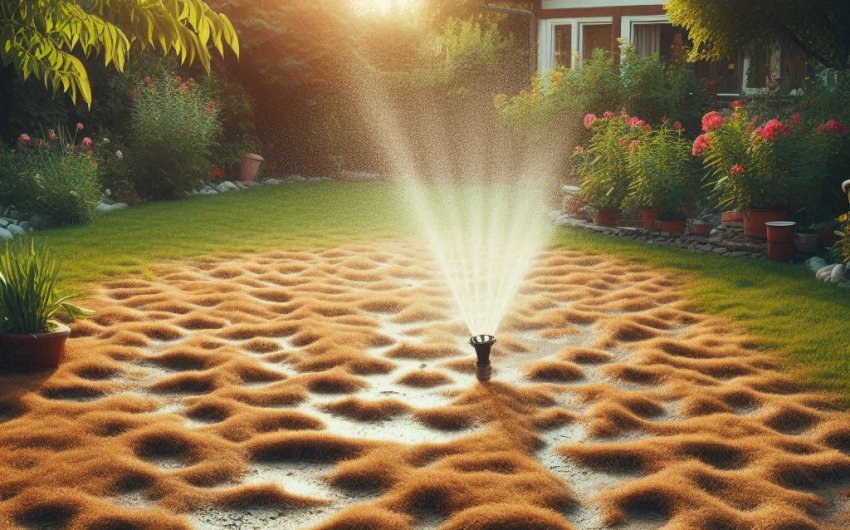
Discovering that your once-vibrant green lawn has started to develop unsightly brown patches or is entirely turning brown in summer can be incredibly frustrating for any homeowner. This common warm-weather phenomenon often signals that your lawn is under stress, and identifying the exact cause is crucial for effective treatment and recovery. From drought and improper watering to pests, diseases, and even pet waste, understanding why is my lawn turning brown in summer will help you diagnose the issue and implement the right solutions to bring back its lush, green appearance.
Why is My Lawn Turning Brown in Summer?
The most frequent reason a lawn starts turning brown in summer is a lack of water. However, it's not always as simple as just "not enough rain." Several factors can contribute to your lawn's summer browning, and identifying the specific culprit is key to effective remediation. Let's explore the common reasons.
Is My Lawn Brown Due to Drought or Underwatering?
This is, by far, the most common reason for a lawn turning brown in summer. Grass, like any plant, needs water to survive. During hot, dry summer months, natural rainfall often isn't enough to meet your lawn's hydration needs.
How Drought Causes Browning
When your lawn doesn't receive enough water, the grass plants go into a survival mode called dormancy. This is a natural defense mechanism. To conserve moisture, the grass stops growing and diverts its energy from maintaining its green color to protecting its crown (the base of the plant from which new growth emerges) and root system. The blades of grass dry out and turn brown, giving the appearance of a dead lawn.
Signs of Drought Stress:
- Footprints remain: If you walk across your lawn and your footprints stay visible for an extended period (more than a few minutes), it means the grass blades lack the turgor (water pressure) to spring back up.
- Dull, grayish-green color: Before turning completely brown, the lawn might lose its vibrant green hue and appear dull.
- Leaves curl or fold: Individual grass blades might curl inwards or fold lengthwise to reduce their surface area and minimize water loss.
- Entire lawn is uniformly brown: Unlike patches, a drought-stricken lawn often shows widespread browning across most of its area.
How to Remedy Drought Stress
- Water Deeply and Infrequently: The goal is to encourage deep root growth. Instead of light, frequent sprinkles, water your lawn for longer periods, but less often. Aim for about 1 inch of water per week, delivered in one or two watering sessions. This can vary based on soil type and grass species. You can use a rain gauge like the Stratus Rain Gauge to measure how much water your sprinklers are putting down.
- Water in the Early Morning: The best time to water is between 4 AM and 9 AM. This allows the water to soak in before the sun gets too hot and evaporates it, and gives the grass blades time to dry before nightfall, which helps prevent fungal diseases.
- Check Soil Moisture: Don't just rely on guesswork. Stick a screwdriver or a soil probe into the lawn. If it goes in easily to a depth of 6-8 inches, the soil is adequately moist. If it's hard to push in, your lawn needs water. A simple soil moisture meter can also be helpful.
- Aeration: For compacted soils, aeration can significantly improve water penetration. This involves creating small holes in the lawn to allow water, air, and nutrients to reach the root zone. You can rent a core aerator or hire a professional.
Can Overwatering Make My Lawn Brown?
Surprisingly, yes. While less common than underwatering as the primary cause for widespread browning in summer, overwatering can absolutely lead to brown patches, especially due to root rot or other fungal diseases that thrive in consistently wet conditions.
How Overwatering Causes Browning
Consistently saturated soil deprives grass roots of oxygen. Without oxygen, roots cannot properly absorb water and nutrients, even if they are abundant in the soil. This leads to the same symptoms as underwatering – the grass blades dehydrate and turn brown – but the underlying problem is suffocated roots. Furthermore, consistently wet soil is an open invitation for various fungal diseases that cause browning.
Signs of Overwatering:
- Mushy, spongy soil: The lawn feels squishy underfoot even hours after watering.
- Presence of fungus gnats or mushrooms: These indicate persistently wet conditions.
- Green algae or moss: Another sign of excessively moist soil.
- Yellowing before browning: Often, leaves will turn yellow first before browning.
- Localized brown patches: Unlike drought, overwatering often causes patches rather than uniform browning, especially in low-lying or poorly draining areas.
How to Remedy Overwatering
- Adjust Watering Schedule: Allow the top few inches of soil to dry out between waterings. Don't water on a rigid schedule; instead, check the soil moisture.
- Improve Drainage: If certain areas of your lawn consistently stay wet, consider improving drainage. This might involve aeration, top-dressing with sand (for heavy clay soils, but be cautious as this can worsen some issues if not done correctly), or even installing a French drain for severe cases.
- Proper Soil: Ensure your soil allows for good drainage. Compacted clay soils are particularly prone to overwatering issues. Incorporating organic matter like compost can improve soil structure.
What About Heat Stress (Summer Dormancy)?
Even with adequate water, extremely high temperatures can cause your lawn to go dormant and turn brown. This is known as heat stress or summer dormancy.
How Heat Stress Causes Browning
Cool-season grasses (like Kentucky bluegrass, fescue, and ryegrass) are particularly susceptible to heat stress. When temperatures consistently stay above 85°F (30°C) for several days or weeks, these grasses naturally slow their growth or enter dormancy to survive the heat. They conserve energy by turning brown. Warm-season grasses (like Bermuda, Zoysia, and St. Augustine) are much more heat-tolerant but can still show stress during extreme, prolonged heat waves.
Signs of Heat Stress:
- Uniform browning: Similar to drought, the browning is often widespread across the lawn.
- Crispy texture: The grass blades feel dry and brittle.
- Occurs during prolonged hot spells: Even if you're watering adequately, the browning appears during very high temperatures.
How to Remedy Heat Stress
- Accept Dormancy: For cool-season grasses, sometimes the best approach is to simply let them go dormant. They will usually green up again when cooler temperatures and rainfall return in the fall.
- Deep Watering: If you choose to irrigate through heat stress, continue deep and infrequent watering. Light, daily watering might keep the blades green temporarily but doesn't promote deep root growth needed for long-term health and can encourage disease.
- Raise Mowing Height: During periods of heat stress, raise your mower deck to its highest setting. Taller grass blades provide more shade to the soil, keeping the root zone cooler and reducing moisture evaporation.
- Avoid Fertilizing: Do not apply fertilizer to a stressed lawn. This can burn the grass and cause further damage. Wait until the lawn has recovered and temperatures have cooled.
Could Pests Be Making My Lawn Brown?
Yes, various lawn pests can cause patches of grass to turn brown, often mimicking drought stress. These brown areas typically start small and expand over time.
Common Lawn Pests
- Grubs: These are the larvae of beetles (like Japanese beetles, June bugs, and chafers). Grubs feed on grass roots just below the soil surface, preventing the grass from absorbing water and nutrients.
- Signs: Irregular brown patches that feel spongy when walked on. You can easily pull up affected grass like a piece of carpet, revealing the C-shaped white grubs underneath. Increased animal activity (birds, raccoons, skunks) digging in your lawn can also indicate grubs.
- Remedy: For small infestations, beneficial nematodes (Nematode Insect Killer) can be applied. For larger or persistent problems, use a grub killer product, applied according to package directions, typically in late summer or early fall when grubs are small and most vulnerable.
- Chinch Bugs: These tiny insects suck fluids from grass blades, injecting a toxin that causes the grass to turn yellow, then reddish-brown. They are particularly active in hot, dry weather.
- Signs: Irregular, spreading brown patches that often appear quickly in sunny, dry areas. You might see them at the base of the grass blades. Do a "can test": cut both ends from a coffee can, insert it into the soil, fill with water, and wait a few minutes. If chinch bugs are present, they will float to the surface.
- Remedy: Insecticidal soaps or targeted insecticides can control chinch bug populations. Improve lawn health through proper watering and fertilization.
- Sod Webworms: These are caterpillars that feed on grass blades at night, creating ragged patches.
- Signs: Patches of grass with chewed, ragged blades. You might see silken tunnels or webbing near the soil surface. Moths fluttering over the lawn at dusk can indicate their presence.
- Remedy: Biological insecticides like Bt (Bacillus thuringiensis) or other lawn insect control products can be effective.
- Billbugs: These weevils lay eggs, and their larvae chew on grass stems.
- Signs: Initial yellowing, followed by browning. Pulling on affected grass stems might reveal sawdust-like frass where the larvae have been feeding.
- Remedy: Similar to grubs, certain insecticides can target billbug larvae.
What Diseases Make a Lawn Turn Brown?
Fungal diseases are a common cause of brown patches in summer lawns, especially in hot and humid conditions, or when there's an imbalance in watering or nutrients.
Common Lawn Diseases
- Brown Patch: This is one of the most common fungal diseases, affecting a wide range of turfgrasses. It typically appears in circular or irregular brown patches, often with a darker "smoke ring" around the edges, especially during hot, humid weather.
- Signs: Circular patches of dead or thinning grass, often with a darker border. The affected grass blades might appear water-soaked or greasy.
- Remedy: Improve air circulation (e.g., pruning overhanging tree branches). Water early in the morning to allow blades to dry. Avoid excessive nitrogen fertilizer in summer. Fungicides specifically for brown patch (Scotts DiseaseEx Lawn Fungicide) can be used for severe cases.
- Dollar Spot: This disease creates small, circular, sunken patches of straw-colored grass, usually 2-6 inches in diameter (about the size of a silver dollar).
- Signs: Small, round, tan-colored spots. Often, a white, cobwebby fungal growth can be seen on affected leaves early in the morning when dew is present.
- Remedy: Proper fertilization (often, a nitrogen deficiency contributes to dollar spot). Water deeply and infrequently. Improve drainage and air circulation. Fungicides are available if needed.
- Summer Patch: This disease affects the roots and crowns of cool-season grasses during prolonged periods of heat and humidity. It causes circular or irregular patches that gradually expand.
- Signs: Circular or irregular patches of brown, dead grass, often with a green "donut" ring in the center if perennial weeds have survived.
- Remedy: Difficult to treat once established. Focus on prevention: deep, infrequent watering, aeration, proper mowing height, and specific fungicides applied preventatively in late spring/early summer.
- Pythium Blight: A very aggressive disease that can rapidly spread, especially in hot, wet conditions.
- Signs: Dark, water-soaked spots that quickly turn brown, often with a greasy appearance. A white, cottony growth might be visible in the early morning.
- Remedy: Extremely difficult to control. Requires specific fungicides and immediate action. Avoid standing water.
General Disease Prevention
- Proper Watering: Water in the early morning to allow grass blades to dry before nightfall. Avoid overwatering.
- Good Air Circulation: Prune trees and shrubs that cast dense shade and restrict airflow.
- Balanced Fertilization: Avoid excessive nitrogen, especially in hot, humid weather, as this can encourage certain diseases.
- Dethatching and Aeration: Reduce thatch buildup (a layer of dead and living organic matter between the grass blades and soil surface) as it can harbor fungi. Aeration improves overall turf health.
- Mow at Proper Height: Taller grass is generally more resilient to stress and diseases.
- Resistant Varieties: When overseeding or establishing a new lawn, choose grass varieties known for disease resistance.
Are There Environmental Factors Beyond Water and Heat?
Yes, several other environmental factors can cause your lawn to turn brown, often in specific patterns.
Compacted Soil
Heavy foot traffic, machinery, or even certain soil types (like heavy clay) can lead to compacted soil.
- How it causes browning: Compacted soil is dense, restricting air and water movement to the roots. It also makes it difficult for roots to grow deeply. This leads to poor water and nutrient absorption, causing the grass to struggle and turn brown.
- Signs: Hard, impenetrable soil. Water may puddle on the surface after rain or irrigation. Grass in high-traffic areas might appear thinner or more stressed.
- Remedy: Aeration is the primary solution for compacted soil. Use a core aerator to remove small plugs of soil, creating channels for air, water, and roots. This should be done during the grass's active growing season (spring for warm-season grasses, fall for cool-season grasses).
Thatch Buildup
Thatch is a layer of living and dead grass stems, roots, and leaves that accumulates between the soil surface and the green grass blades. A thin layer (less than 1/2 inch) is beneficial, but excessive thatch (over 1/2 inch) can cause problems.
- How it causes browning: Thick thatch can prevent water, air, and nutrients from reaching the soil and roots. It also harbors pests and diseases. During dry periods, thatch itself can dry out, making the grass susceptible to heat and drought stress.
- Signs: A spongy feel to the lawn when walked on. Visible mat of brown debris when you part the grass blades.
- Remedy: Dethatching (also known as power raking) physically removes excessive thatch. This is usually done with a specialized machine or a dethatching rake. It's best done during moderate temperatures when the grass is actively growing but not stressed (spring or early fall). The Greenworks 14-inch Corded Dethatcher is a popular electric option.
Improper Mowing
Believe it or not, how you mow your lawn can directly impact its susceptibility to browning.
- Mowing Too Short (Scalping): Cutting grass too short stresses the plant, reduces its ability to photosynthesize (make food), and exposes the crown and soil to excessive heat and sunlight. This makes the grass more vulnerable to drought and browning.
- Dull Mower Blades: Dull blades tear the grass blades instead of cleanly cutting them. These torn tips turn brown, making the lawn look unhealthy and increasing its susceptibility to disease.
- Remedy:
- Mow High: Set your mower deck to the highest recommended height for your grass type. For most turfgrasses, this is 2.5 to 3 inches, or even higher during summer stress. Taller grass shades the soil, promotes deeper roots, and retains moisture better.
- Mow Regularly: Don't remove more than one-third of the grass blade's height in a single mowing session.
- Sharpen Blades: Sharpen your mower blades at least once a year, or more frequently if you have a large lawn or mow often. You can find lawn mower blade sharpeners to do it yourself or have them professionally sharpened.
Can Chemical or Physical Damage Cause My Lawn to Brown?
Yes, accidental chemical spills or specific physical damage can cause distinct brown patches in your lawn.
Fertilizer Burn
Applying too much fertilizer, applying it unevenly, or using fertilizer when the grass is wet can cause fertilizer burn.
- How it causes browning: Fertilizers contain salts. When applied excessively, these salts draw moisture out of the grass plants, essentially dehydrating and burning them.
- Signs: Irregularly shaped brown patches, often following the pattern of how the fertilizer was applied (e.g., streaks, circles where a spreader was paused).
- Remedy: Water the affected area heavily to dilute the salts and leach them deeper into the soil. For prevention, always read fertilizer labels carefully, use a spreader correctly, and avoid fertilizing a stressed or dormant lawn.
Herbicide Damage
Accidental spray drift from weed killers, or using the wrong type of herbicide on your lawn, can cause grass to turn yellow and then brown.
- How it causes browning: Herbicides are designed to kill plants. If they come into contact with your grass (and aren't specifically "weed-and-feed" products for lawns), they can damage or kill it.
- Signs: Brown patches that often appear suddenly after herbicide application nearby. The pattern might be erratic, depending on wind drift.
- Remedy: If the damage is fresh, water heavily to dilute the chemical. There's often not much else you can do for severe damage except wait for recovery or reseed the area. Always use lawn-safe herbicides and apply them on calm, non-windy days.
Gas and Oil Spills
Spills from gasoline or oil (e.g., from a leaky mower or refueling) will kill grass on contact.
- Signs: Small, distinct, dark brown or black spots where the spill occurred.
- Remedy: For small spills, remove the contaminated soil and replace it with fresh soil before reseeding. For larger spills, professional remediation might be necessary. Prevent spills by being careful when refueling.
Pet Urine
Dog and cat urine is highly concentrated in nitrogen salts.
- How it causes browning: A small amount of urine can act like a highly concentrated dose of fertilizer, causing a localized burn.
- Signs: Small, round brown patches, often surrounded by a ring of very dark green, lush grass (from the diluted nitrogen acting as fertilizer around the edge).
- Remedy: Water the affected area immediately after your pet urinates to dilute it. Train your pet to use a specific area of the yard or walk them elsewhere. Consider grass patches designed to deter pet spots, such as Dog Rocks in their water bowl.
Does Lawn Type Matter When My Lawn is Turning Brown?
Absolutely! The type of grass you have plays a significant role in how it reacts to summer conditions and stress.
Cool-Season Grasses
- Types: Kentucky Bluegrass, Tall Fescue, Fine Fescue, Perennial Ryegrass.
- Characteristics: These grasses thrive in cooler temperatures (60-75°F / 15-24°C).
- Summer Response: They are prone to summer dormancy and will naturally turn brown during prolonged heat waves (above 85°F / 30°C) even with adequate water. They also struggle more with diseases like brown patch in hot, humid conditions.
- Maintenance for Summer: Mowing high, deep watering, and avoiding heavy fertilization during peak summer heat are crucial.
Warm-Season Grasses
- Types: Bermuda, Zoysiagrass, St. Augustine, Centipedegrass, Bahiagrass.
- Characteristics: These grasses prefer warmer temperatures (75-90°F / 24-32°C).
- Summer Response: They are much more heat-tolerant and will stay green through hot summers, provided they receive enough water. They typically go dormant and turn brown in winter.
- Maintenance for Summer: They are more resilient to summer heat, but still require proper watering and can be susceptible to specific warm-season diseases or pests (e.g., chinch bugs in St. Augustine).
Understanding your grass type helps you set realistic expectations for its summer appearance and guides your care practices.
How Can I Prevent My Lawn From Turning Brown in Future Summers?
Prevention is always better than cure. By adopting proactive measures and good lawn care practices, you can significantly reduce the chances of your lawn turning brown in summer.
- Water Smart:
- Deep and Infrequent: Aim for 1 inch of water per week in 1-2 sessions.
- Early Morning Watering: Water between 4 AM and 9 AM.
- Monitor Soil Moisture: Use a soil probe or meter.
- Mow High:
- Set your mower to 2.5-3 inches or higher for cool-season grasses, especially during summer.
- Sharpen blades regularly.
- Fertilize Wisely:
- Follow soil test recommendations.
- For cool-season grasses, focus fertilization in spring and fall. Avoid heavy nitrogen in summer.
- For warm-season grasses, fertilize during their active growing season in summer, but don't overdo it.
- Aerate Annually:
- Core aeration improves water, air, and nutrient penetration, especially in compacted soils.
- Do it during your grass type's active growing season (fall for cool-season, late spring/early summer for warm-season).
- Dethatch as Needed:
- If your thatch layer is more than 1/2 inch thick, dethatch during the appropriate season for your grass.
- Pest and Disease Monitoring:
- Regularly inspect your lawn for early signs of pests or diseases. Addressing them early can prevent widespread damage.
- Maintain overall lawn health, as healthy grass is more resilient.
- Choose the Right Grass:
- If establishing a new lawn or overseeding, select grass varieties appropriate for your climate and local conditions (e.g., heat-tolerant types if you live in a hot region).
- Address Drainage Issues:
- Correct low spots or areas with standing water that can lead to root rot.
- Limit Summer Stress:
- Minimize foot traffic on already stressed or dormant lawns.
- Avoid heavy chemical applications during peak heat.
- If you know a severe heatwave is coming, a deep watering beforehand can help prepare the lawn.
By diligently implementing these practices, you'll be well-equipped to prevent the frustration of seeing your lawn turning brown in summer and instead enjoy a healthier, greener yard throughout the season.