
How to Aerate Your Lawn for Better Growth?
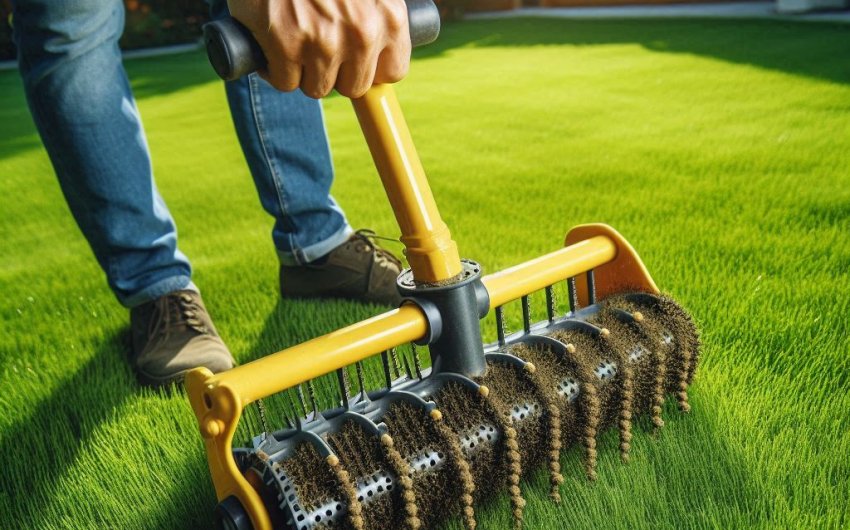
To aerate your lawn for better growth is one of the most beneficial treatments you can give your grass. Over time, soil can become compacted from foot traffic, heavy rain, and even mowing, suffocating grass roots. Aeration creates small holes in the soil, allowing air, water, and nutrients to penetrate deeper, leading to a healthier, more vibrant lawn.
What is Lawn Aeration and Why is it Important?
Lawn aeration is the process of creating small holes in the lawn to allow essential elements to reach the grass roots. This simple yet powerful technique addresses a common problem in many yards: soil compaction.
- Soil Compaction: When soil particles are pressed together tightly, it reduces the space between them. This makes it difficult for grass roots to grow and for vital resources to get where they're needed.
- Benefits of Aeration:
- Improved Air Circulation: Grass roots need oxygen to thrive. Aeration allows air to circulate freely in the soil.
- Better Water Penetration: Water can easily soak into the soil instead of running off, leading to more efficient watering.
- Enhanced Nutrient Uptake: Fertilizers and other nutrients can reach the roots more effectively, leading to better absorption.
- Stronger Root Growth: Roots can spread out and grow deeper into the loosened soil, making the grass more resilient.
- Reduced Thatch Buildup: Aeration helps break down thatch, a layer of dead grass and organic matter that can block water and nutrients.
- Increased Drought Resistance: Deeper roots make the lawn more tolerant to dry spells.
Essentially, aerating your lawn gives your grass roots the breathing room they need to truly flourish.
How Do You Know If Your Lawn Needs Aeration?
Not every lawn needs aeration every year. Knowing the signs will help you decide when it's time to aerate your lawn for better growth.
- Heavy Thatch Layer: If you have a thatch layer thicker than 1/2 inch, aeration can help break it down. You can check this by digging up a small section of your lawn.
- High Traffic Areas: Lawns with a lot of foot traffic from people or pets, or where cars are regularly parked, are prone to compaction.
- Water Puddles Easily: If puddles form on your lawn after rain or irrigation and take a long time to drain, it's a sign of poor water penetration due to compaction.
- Hard, Compacted Soil: Try sticking a screwdriver into the soil. If it's difficult to push in, your soil is likely compacted.
- New Construction Homes: The topsoil in newly built homes is often stripped or heavily compacted by construction equipment.
- Stunted Grass Growth: If your grass looks thin, struggles to grow, or turns brown easily despite proper watering and fertilizing, compaction could be the culprit.
- Clay Soil: Lawns with heavy clay soil are more susceptible to compaction than sandy soils.
If you observe one or more of these signs, it's a good indication that your lawn could benefit significantly from aeration.
When Is the Best Time to Aerate Your Lawn?
Timing is crucial for successful aeration. You want to aerate when the grass is actively growing and can quickly recover from the process.
Cool-Season Grasses (Kentucky Bluegrass, Fescue, Ryegrass):
- Best Time: Late summer to early fall (August to October) or early spring (March to May).
- Why: These are periods of active growth when the grass can quickly fill in the aerated holes and recover. Aerating in late summer/early fall also gives the grass time to strengthen before winter.
Warm-Season Grasses (Bermuda, Zoysia, St. Augustine, Centipede):
- Best Time: Late spring to early summer (April to June).
- Why: This is when warm-season grasses are actively growing and temperatures are consistently warm.
Avoid aerating when:
- The grass is dormant: Whether due to heat/drought or cold, dormant grass won't recover well.
- The soil is bone dry: Very dry soil is too hard to aerate effectively and can damage equipment.
- The soil is overly wet/muddy: This can lead to more compaction and a messy job.
Aim for slightly moist soil, which makes it easier for the aerator to penetrate. Water your lawn thoroughly a day or two before aeration if it hasn't rained.
What Are the Different Types of Lawn Aerators?
There are several tools available to aerate your lawn for better growth, each with its pros and cons.
1. Core Aerators (Plug Aerators)
- How They Work: These machines or tools remove small plugs or "cores" of soil from the lawn, leaving behind holes about 2-3 inches deep and 1/2 to 3/4 inch in diameter.
- Pros: Most effective method for relieving compaction, excellent for breaking down thatch, and creating channels for water/nutrients. The removed soil plugs can be left on the lawn to break down, returning nutrients to the soil.
- Cons: Can be expensive to buy (renting is common), requires more effort if using manual tools.
- Tools:
- Manual Core Aerator: A foot-powered tool, good for small areas or spot treatment. Example: Manual Core Aerator
- Tow-Behind Aerator: Attaches to a riding mower. Good for medium to large lawns.
- Walk-Behind Aerator: Gas-powered or electric, ideal for large lawns. Can be rented from tool rental stores.
2. Spike Aerators
- How They Work: These tools simply poke holes into the soil with solid tines or spikes. They don't remove soil.
- Pros: Less expensive and easier to use than core aerators. Good for very light compaction or as a quick treatment.
- Cons: Can sometimes cause more compaction around the edges of the holes rather than truly relieving it. Not as effective as core aerators for severe compaction.
- Tools:
- Spike Aerator Shoes: Strapped to your boots, you walk across the lawn. Example: Spike Aerator Shoes
- Manual Spike Aerator: A hand-held tool with spikes.
- Spike Aerator Roller: A drum with spikes that you push or tow. Example: Rolling Lawn Aerator
3. Liquid Aerators
- How They Work: These are chemical products that you spray onto your lawn. They typically contain surfactants and other ingredients that help loosen compacted soil by breaking down the surface tension of water, allowing it to penetrate more deeply.
- Pros: Easy to apply, no physical labor or heavy equipment needed.
- Cons: Not as effective as mechanical aeration for severe compaction. Best used as a supplemental treatment or for very light compaction.
- Products: Look for liquid aeration products like Liquid Aerator for Lawns.
For truly compacted lawns, core aeration is the gold standard. For minor issues or maintenance, spike or liquid aerators might suffice.
Step-by-Step Guide: How to Aerate Your Lawn for Better Growth
Follow these steps for effective lawn aeration using a core aerator, the most effective method.
1. Prepare Your Lawn
- Mow Your Lawn: Mow your lawn to its regular height a day or two before aeration. Shorter grass makes it easier for the aerator to penetrate the soil and prevents tangling.
- Water Your Lawn: Water your lawn thoroughly 1-2 days before you plan to aerate. The soil should be moist, but not saturated or muddy. This makes it easier for the aerator tines to penetrate and pull out plugs.
- Mark Obstacles: Mark any sprinkler heads, buried utility lines, or shallow landscape lighting. You do not want the aerator to hit these. Use flags or spray paint to clearly mark them.
- Clear Debris: Remove any sticks, toys, or large rocks that could interfere with the aerator.
2. Operate the Aerator
- Read Instructions: If you're renting a machine, carefully read the operator's manual.
- Make Passes:
- Start by making passes over the entire lawn. For moderately compacted lawns, a single pass might be sufficient.
- For heavily compacted areas or high-traffic zones, make a second pass perpendicular to the first (criss-cross pattern). This ensures good coverage and more holes.
- Overlap Rows: Overlap each row slightly to ensure uniform aeration.
- Focus on Problem Areas: Spend extra time on areas that show signs of severe compaction, such as paths or areas with poor drainage.
3. After Aeration Care
- Leave the Plugs: Do not remove the soil plugs. They contain beneficial microorganisms and nutrients. They will break down naturally within a few weeks (aided by rain, mowing, and foot traffic) and return organic matter to the lawn. You can speed up their breakdown by running a lawn mower over them.
- Water Your Lawn: Water your lawn lightly after aerating. This helps settle the soil around the newly exposed roots and encourages growth.
- Fertilize and Overseed (Optional but Recommended):
- Aeration is the perfect time to fertilize. The holes allow the fertilizer to reach the root zone immediately. Apply a Lawn Fertilizer specifically designed for your grass type.
- It's also an excellent time for overseeding. The grass seeds can fall directly into the aeration holes, where they have excellent soil contact and moisture for germination. Use a Lawn Seed Spreader for even distribution.
- Limit Traffic: For a week or two after aeration, try to limit heavy foot traffic on your lawn to allow the plugs to break down and the grass to recover.
What is Thatch and How Does Aeration Help?
Thatch is a layer of living and dead grass stems, roots, and other organic matter that accumulates between the green blades and the soil surface. A thin layer (less than 1/2 inch) can be beneficial, acting as insulation. However, a thick thatch layer can be detrimental to your lawn.
- Problems with Thick Thatch:
- Blocks Water and Nutrients: Prevents water, air, and nutrients from reaching the soil.
- Hides Pests and Diseases: Creates a breeding ground for insects and fungal diseases.
- Weakens Grass: Roots grow in the thatch layer instead of the soil, making the grass less resilient to stress and drought.
- Reduces Effectiveness of Pesticides/Herbicides: Limits the reach of lawn treatments.
How Aeration Helps Thatch
Core aeration directly addresses thatch buildup in several ways:
- Breaks Up Thatch: The tines of a core aerator physically penetrate and break apart the thatch layer, creating channels through it.
- Introduces Microbes: The soil plugs brought to the surface contain beneficial microorganisms that help decompose organic matter, including thatch.
- Improves Airflow: Better air circulation within the soil profile and thatch layer encourages faster decomposition.
While aeration is a great tool, for very thick thatch (over 1 inch), you might also consider dethatching (power raking) your lawn. However, aeration is often a good first step to help manage thatch naturally.
Common Mistakes to Avoid When Aerating Your Lawn
To ensure you successfully aerate your lawn for better growth, be aware of these common pitfalls.
- Aerating at the Wrong Time: Aerating when grass is dormant or stressed can cause more harm than good. Always aerate during active growth periods.
- Aerating Dry Soil: Attempting to aerate rock-hard, dry soil is ineffective and can damage your equipment. Water your lawn thoroughly a day or two beforehand.
- Aerating Muddy Soil: Too much water can make the soil too soft, leading to clogs and potentially causing more compaction. The soil should be moist, not saturated.
- Not Marking Obstacles: Hitting a sprinkler head or an underground cable can be an expensive mistake. Always mark them clearly.
- Not Cleaning and Drying the Aerator: If you're using your own machine, clean off all soil and debris before storing it. Lubricate moving parts to prevent rust and ensure it's ready for next time. If renting, clean it before returning.
- Ignoring the Plugs: Don't rake up the soil plugs. Let them break down naturally; they're beneficial.
- Not Overseeding/Fertilizing: Aeration creates the perfect environment for seeds and fertilizer. Missing this opportunity means you're not maximizing the benefits of aeration.
- Aerating Too Frequently: Most lawns only need aeration every 1-3 years, depending on soil type and traffic. Over-aerating can unnecessarily stress the grass.
Beyond Aeration: Other Tips for a Healthier Lawn
Aeration is a fantastic step, but it's part of a larger picture of good lawn care. To truly aerate your lawn for better growth, combine it with these practices.
1. Proper Mowing
- Height: Mow at the highest recommended height for your grass type (usually 2.5-3.5 inches). Taller grass shades out weeds and promotes deeper root growth.
- Frequency: Mow frequently enough so you only remove 1/3 of the blade length at a time.
- Sharp Blades: Dull mower blades tear grass, making it susceptible to disease. Sharpen your blades annually.
2. Effective Watering
- Deep and Infrequent: Water deeply (to encourage deep root growth) but less often. Aim for 1 inch of water per week, including rainfall.
- Timing: Water in the early morning to reduce evaporation and allow grass blades to dry before nightfall, preventing fungal diseases.
3. Balanced Fertilization
- Soil Test: Get a soil test every few years to understand your lawn's specific nutrient needs.
- Right Fertilizer: Use a fertilizer appropriate for your grass type and the time of year.
- Follow Directions: Over-fertilizing can harm your lawn and pollute waterways.
4. Weed Control
- Preventative: A healthy, dense lawn is the best weed deterrent.
- Spot Treatment: Address individual weeds with targeted herbicides or manual removal.
- Pre-Emergents: Apply pre-emergent herbicides in spring to prevent weed seeds from germinating.
5. Overseeding
- Fill in Bare Spots: Overseeding thickens your lawn and helps fill in thin or bare areas.
- Improve Density: A denser lawn outcompetes weeds.
- Right Time: Best done immediately after aeration.
Frequently Asked Questions About Lawn Aeration
Addressing common queries can help you confidently aerate your lawn for better growth.
Do I need to remove the soil plugs after aeration?
No, you do not need to remove the soil plugs. They are beneficial for your lawn. They will break down naturally within a few weeks, returning valuable organic matter and nutrients to the soil. Mowing the lawn will help break them up faster.
How often should I aerate my lawn?
The frequency depends on your lawn's condition and soil type:
- Heavily compacted lawns/heavy clay soil: Annually.
- High traffic areas: Annually.
- Normal lawns with loamy soil: Every 2-3 years.
- Sandy soils: Less often, perhaps every 3-4 years, as they are less prone to compaction.
Can I aerate with just aerator shoes?
Aerator shoes (spike aerators) can provide some very light benefit, but they are generally not as effective as core aerators for relieving significant soil compaction. They simply poke holes, which can sometimes compact the soil around the holes. For true compaction relief, a core aerator that removes plugs of soil is superior.
What should I do immediately after aerating my lawn?
Immediately after aeration, it's an ideal time to fertilize and overseed your lawn. The holes created by aeration provide direct pathways for nutrients and seeds to reach the root zone, promoting better absorption and germination. Then, give your lawn a light watering.
Will aeration damage my lawn?
No, when done correctly and at the right time, aeration does not damage your lawn. It might look a bit messy for a week or two with the soil plugs, but your lawn will recover quickly and be much healthier. Avoid aerating during extreme heat, drought, or when the grass is dormant, as this can stress the lawn.
Can I aerate and dethatch at the same time?
It's best to perform dethatching before aeration. Dethatching removes the thick layer of dead organic matter sitting on top of the soil. Once the thatch is removed, aeration can more effectively penetrate the soil and relieve compaction. Doing both in the same season can provide significant benefits for a struggling lawn.
What's the difference between aeration and overseeding?
- Aeration: The process of creating holes in the soil to relieve compaction and improve air, water, and nutrient penetration to the roots.
- Overseeding: The process of spreading grass seed over an existing lawn to fill in bare spots, improve density, and introduce new grass varieties. Aeration and overseeding are often done together because aeration creates an ideal environment for grass seeds to germinate and establish successfully.
How deep should the aeration holes be?
For effective core aeration, the holes should ideally be about 2-3 inches deep and spaced a few inches apart. This depth allows for good penetration and loosening of compacted soil around the root zone.
What happens if I don't aerate my lawn?
If you don't aerate a compacted lawn, the grass roots will struggle to get oxygen, water, and nutrients. This can lead to:
- Thin, weak grass that is susceptible to disease.
- Poor water drainage and puddling.
- Increased thatch buildup.
- A lawn that easily turns brown during dry periods.
- Less effective fertilization and watering.
Regularly addressing soil compaction by knowing how to aerate your lawn for better growth is a fundamental practice that will yield noticeable improvements in the health and appearance of your turf.