
How to Plant a Pollinator-Friendly Flower Garden?
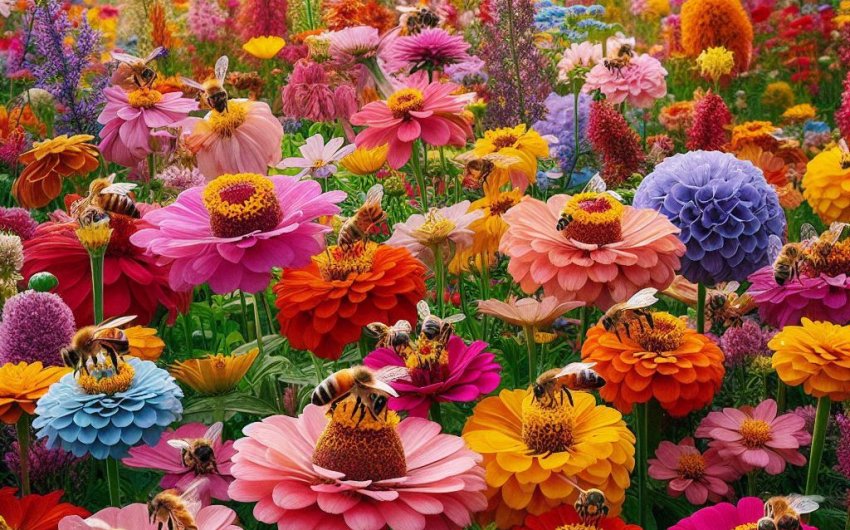
Creating a pollinator-friendly garden is a wonderful way to help nature right in your own backyard. These special gardens provide food and shelter for creatures that are vital to our planet's health. Think about bees, butterflies, hummingbirds, and even some bats – they all play a big role in helping plants make seeds and fruits. Without them, many of the foods we eat wouldn't exist!
It's easier than you might think to make a space where these amazing pollinators can thrive. You don't need a huge yard; even a small balcony or a few pots can make a difference. This guide will show you how to choose the right plants, prepare your soil, and create a welcoming habitat that brings life and color to your outdoor space. Let's get started on building a beautiful haven for our buzzing and fluttering friends.
Why Should I Create a Pollinator Garden?
Supporting pollinators goes beyond just seeing pretty butterflies and bees in your yard. These tiny workers are super important for our environment and even for the food we eat every day.
What Do Pollinators Do?
Pollinators move pollen from one part of a flower to another, or from one flower to another. This process, called pollination, helps plants produce seeds and fruits. Think about apples, blueberries, almonds, and even coffee – most of these rely on pollinators to grow. Without them, our food supply would be much smaller.
Are Pollinators in Trouble?
Sadly, many pollinator populations are declining. This means their numbers are getting smaller. Things like losing their habitats, using certain pesticides, and climate change are all making it harder for them to survive. By planting a pollinator garden, you're giving them a safe place to find food (nectar and pollen) and shelter. It's a direct way to help protect these important creatures.
What Are the Benefits for Me?
Besides helping nature, a pollinator garden makes your yard more vibrant and lively. You'll enjoy watching butterflies flit about, bees buzz from flower to flower, and maybe even hummingbirds dart around. It adds beauty and a sense of purpose to your gardening efforts. Plus, less use of harmful chemicals means a safer space for your family and pets.
How Do I Plan My Pollinator Garden?
Before you start digging, a little bit of planning goes a long way. Thinking about your space, what kind of pollinators you want to attract, and what plants grow well in your area will help you succeed.
Where Should I Put My Garden?
Most pollinator-friendly plants love the sun. Pick a spot in your yard that gets at least six hours of direct sunlight each day. If you have a shady spot, don't worry, there are still some pollinator plants that prefer shade, but sunny spots are best for attracting a wider variety. Consider how big your garden will be. Even a small patch of flowers or a few pots can make a difference.
What Kind of Pollinators Do I Want to Attract?
Different pollinators are attracted to different types of flowers.
- Bees (like honeybees and native bees) love blue, purple, yellow, and white flowers. They need open, bowl-shaped flowers or those with short tubes.
- Butterflies prefer red, orange, yellow, pink, and purple flowers. They need flat-topped clusters or long tubes where they can land.
- Hummingbirds are drawn to red, orange, and pink tubular flowers. They can hover, so landing spots aren't as important for them.
By choosing a variety of flower shapes and colors, you'll attract more kinds of pollinators.
What Plants Are Native to My Area?
Native plants are plants that naturally grow in your region. They are the best choice for a pollinator garden because local pollinators have evolved with these plants. This means the plants provide the best food and habitat for them. They also tend to be hardier and require less water and care once established. You can find out about native plants in your area by checking with your local university extension office, a native plant society, or a local nursery.
What Kind of Plants Should I Use?
Choosing the right plants is key to attracting and supporting pollinators. Think about providing food and habitat throughout the year.
What Are Good Nectar and Pollen Plants?
Nectar is a sugary liquid that gives pollinators energy. Pollen is a protein source, especially important for bees and their young. You want plants that offer both.
- For bees: Consider lavender, bee balm (Monarda), salvia, coneflower (Echinacea), asters, and sunflowers.
- For butterflies: Milkweed (essential for Monarch butterflies!), butterfly bush (Buddleia - choose non-invasive varieties or native alternatives), zinnias, cosmos, and phlox.
- For hummingbirds: Trumpet vine (Campsis radicans), columbine, larkspur, cardinal flower (Lobelia cardinalis), and penstemon.
Look for open-pollinated or heirloom varieties of seeds rather than hybrid varieties, as these often produce more nectar and pollen. You can find a wide range of suitable seeds, including Bulk Wildflower Seeds Mix for Pollinators or specific packs like Monarch Butterfly Milkweed Seeds.
Why Are Native Plants So Important?
As mentioned before, native plants are superstars for pollinator gardens. They provide the exact right kind of food that local pollinators are used to and need. They're also often more resistant to local pests and diseases, meaning less work for you and fewer chemicals needed. They also fit well into the local ecosystem.
Should I Plant Perennials or Annuals?
- Perennials are plants that come back year after year (e.g., coneflower, lavender). They establish a strong root system and are a reliable food source.
- Annuals complete their life cycle in one growing season (e.g., zinnias, cosmos). They offer continuous blooms throughout the summer, filling in gaps while perennials are getting established or resting.
A good pollinator garden usually has a mix of both. This ensures you have blooms from spring through fall, providing a steady food supply.
What About Host Plants?
While nectar plants provide food for adult butterflies, host plants are where butterflies lay their eggs and where their caterpillars eat. For example, milkweed is the only host plant for Monarch butterfly caterpillars. If you want to see the full life cycle of a butterfly, include host plants specific to the butterflies you hope to attract.
How Do I Prepare My Garden Soil?
Good soil is the foundation for healthy plants. Taking the time to prepare your soil properly will make a big difference in your garden's success.
What Kind of Soil Do Pollinators Need?
Most pollinator-friendly plants prefer well-draining soil. This means water should pass through it easily, not sit around and make the roots soggy. Heavy clay soil can hold too much water, while very sandy soil might drain too quickly.
How Do I Improve My Soil?
The best way to improve your soil is by adding organic matter. This could be compost, well-rotted manure, or other decomposed plant materials.
- For heavy clay soil: Organic matter helps break up the clay, allowing for better drainage and air circulation.
- For sandy soil: Organic matter acts like a sponge, helping the soil hold onto water and nutrients.
You can mix a few inches of good quality garden compost into the top 6-12 inches of your existing soil. You can buy Black Kow Composted Cow Manure or similar products at your local garden center.
Should I Test My Soil?
A soil test can tell you a lot about your soil's pH level (how acidic or alkaline it is) and what nutrients it might be missing. You can get a soil test kit like the Luster Leaf Rapitest Soil Test Kit or send a sample to your local university extension office. This helps you know exactly what your soil needs, so you don't add things it doesn't require.
How Do I Plant My Pollinator Garden?
Once your plan is ready and your soil is prepped, it's time to get planting!
When Is the Best Time to Plant?
The best time to plant depends on your local climate and whether you're planting seeds or young plants. Generally, spring after the last frost is ideal for planting most flowers. This gives them plenty of time to establish before the heat of summer. In some warmer climates, fall planting can also work.
How Should I Space My Plants?
Read the plant tags or seed packets for specific spacing recommendations. Giving plants enough room helps with air circulation, reduces the risk of disease, and allows each plant to grow to its full size. Planting in clumps or drifts of the same type of flower (at least 3-5 plants of one kind) is often more attractive to pollinators than single scattered plants. It makes it easier for them to find a good food source.
Should I Start from Seeds or Plants?
- Seeds: Starting from seeds is often cheaper and gives you a wider variety of options. However, it takes longer for them to grow and bloom. Make sure to follow seed packet instructions for planting depth and watering.
- Young Plants (Starts): Buying young plants from a nursery gives you a head start and faster blooms. They are also often more reliable. When buying, look for plants that haven't been treated with neonicotinoids, a type of pesticide that is very harmful to bees. Many nurseries now label their plants as "pollinator-friendly" or "neonicotinoid-free."
How Do I Water After Planting?
After planting, water thoroughly to help settle the soil around the roots. For the first few weeks, keep the soil consistently moist until the plants are established. After that, most pollinator-friendly plants, especially native ones, are quite drought-tolerant and won't need as much watering once they are established. You can use a watering can with a gentle shower head, like the Behrens Steel Watering Can, to avoid disturbing newly planted seeds or delicate young plants.
How Do I Care for My Pollinator Garden?
Once your garden is planted, a little ongoing care will keep it thriving and full of pollinators.
What About Watering Established Plants?
After your plants are established, they generally need less watering than annual flowers. Native plants are particularly good at handling dry spells. Water deeply when the top few inches of soil feel dry. Early morning is the best time to water, as it allows the leaves to dry before nightfall, reducing the risk of fungal diseases.
Do I Need to Fertilize My Pollinator Garden?
Generally, pollinator gardens don't need a lot of fertilizer, especially if you've enriched your soil with organic matter. Too much fertilizer can encourage leafy growth at the expense of flowers, and excess nutrients can run off and harm waterways. If you feel your plants need a boost, use a slow-release organic fertilizer or a liquid feed at half strength.
How Do I Control Weeds?
Weeds compete with your flowers for water, nutrients, and sunlight.
- Mulch: A layer of mulch (like shredded bark, straw, or wood chips) around your plants can greatly reduce weeds, help the soil hold moisture, and regulate soil temperature. Apply a 2-4 inch layer, keeping it a few inches away from plant stems. You can use products like Gardener's Best Shredded Hardwood Bark Mulch.
- Hand-pulling: Regularly hand-pulling weeds when they are small is the most effective and safest method.
Avoid using chemical herbicides, as these can harm pollinators and other beneficial organisms.
Should I Deadhead My Flowers?
Deadheading means removing spent or faded flowers. For some plants, deadheading encourages them to produce more blooms. For others, like some native plants, allowing the flowers to go to seed provides food for birds in the fall and winter. Decide whether you want more flowers or more seeds for wildlife. If you choose to deadhead, use clean garden shears like the Tabor Tools Pruning Shears.
When Should I Clean Up My Garden?
In the fall, resist the urge to do a complete garden cleanup. Leaving some plant stems and leaf litter provides shelter for overwintering insects, including some native bees and butterfly pupae. Wait until late spring, when temperatures are consistently above freezing, to do your main cleanup.
What Other Things Can I Add for Pollinators?
A truly pollinator-friendly garden offers more than just flowers. Providing water and shelter will make your garden even more inviting.
Do Pollinators Need Water?
Yes! Just like us, pollinators need water.
- Bee bath: A shallow dish or bird bath filled with pebbles or marbles and a little water allows bees to drink without falling in. Ensure the water is replenished often and kept clean.
- Bird bath: A traditional bird bath will attract birds and some butterflies.
- Mud puddles: Some butterflies engage in "puddling," drinking from shallow puddles of muddy water to get salts and minerals. You can create a small shallow area that collects water for this purpose.
What About Shelter and Nesting Sites?
Pollinators need places to rest, hide from predators, and build their nests.
- Log piles: A small pile of logs or branches can provide homes for native bees and other insects.
- Bee hotels: These are structures with tubes or holes that provide nesting sites for solitary native bees. You can buy one like the Gardeneer by Dalen Pollinator House.
- Bare ground: Some native bees nest in the ground, so leave some patches of undisturbed, unmulched soil.
- Tall grasses and shrubs: These can offer protection from wind and predators.
- Brush piles: A loose pile of branches or cuttings in a corner of your yard can create a small habitat.
By providing these elements, you're not just offering food, but a full-service home for pollinators.