
Vegetable Gardening for Beginners: A Step-by-Step Guide
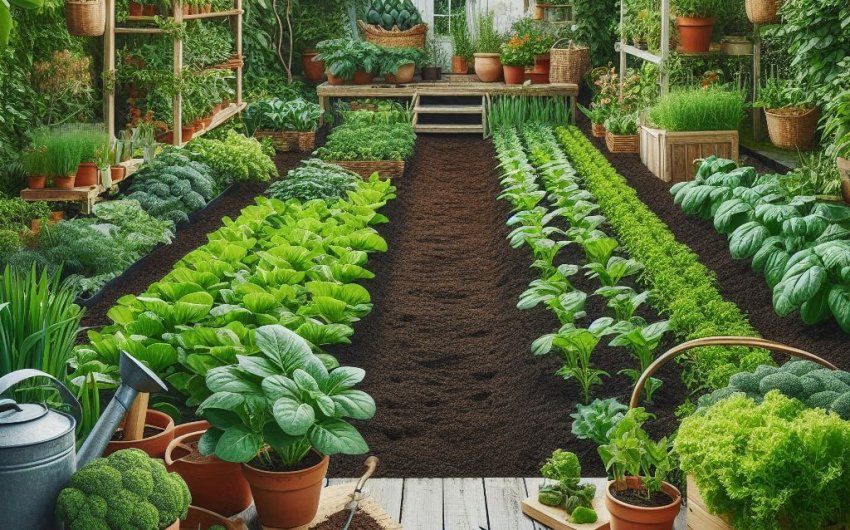
Embarking on vegetable gardening for beginners is a rewarding journey that connects you with nature and provides fresh, healthy produce right from your backyard. Starting a garden may seem daunting at first, but with a clear, step-by-step approach, anyone can cultivate a thriving plot. From planning your layout to harvesting your first crops, this guide will simplify the process, helping you lay a strong foundation for gardening success.
How Do You Plan Your First Vegetable Garden?
Effective planning your first vegetable garden is the most crucial step for beginners. A little forethought can save you a lot of time, effort, and frustration later on, ensuring your garden thrives.
1. Choose the Right Location
- Sunlight is Key: Most vegetables need at least 6-8 hours of direct sunlight per day. "Direct" means unobstructed sun, not filtered through trees. Fruiting plants (tomatoes, peppers, squash) need the most. Leafy greens can tolerate 4-6 hours.
- Water Source: Place your garden close to a water spigot or rain barrel. Daily watering will be essential, especially during dry spells.
- Good Drainage: Avoid spots where water puddles after rain. Vegetables hate "wet feet," which can lead to root rot.
- Protection: Consider areas sheltered from strong winds, and if wildlife is an issue (deer, rabbits), think about fencing.
- Convenience: Choose a spot you'll see often. You're more likely to care for a garden that's easy to access and observe.
2. Start Small
- Avoid Overwhelm: For your first garden, resist the urge to create a massive plot. A manageable size (e.g., 4x8 feet or 10x10 feet) is much more achievable and less likely to lead to burnout.
- Success Breeds Confidence: A successful small garden is far more motivating than a sprawling, neglected one. You can always expand in future years.
3. Decide on Garden Type: In-Ground or Raised Beds?
- In-Ground Garden:
- Pros: Lower initial cost, integrates with existing landscape.
- Cons: Requires more effort for initial soil improvement, potential drainage issues.
- Raised Beds:
- Pros: Excellent drainage, warmer soil earlier in spring, easier to manage weeds, less bending, full control over soil quality (you fill them with ideal soil mix). You can purchase raised garden bed kits.
- Cons: Higher initial cost, can dry out faster in hot weather.
4. Choose What to Grow
- Grow What You Eat: Start with vegetables your family enjoys eating. You'll be more motivated to care for them.
- Easy for Beginners: Some vegetables are notoriously easier to grow than others.
- Easy Veggies: Lettuce, spinach, radishes, carrots, bush beans, cucumbers, zucchini, cherry tomatoes.
- More Challenging: Corn (needs space), broccoli (can attract pests), some varieties of peppers and eggplants (need consistent warmth).
- Consider Your Climate: Research what grows well in your specific region and growing season. Look up your last and first frost dates.
- Space Requirements: Be realistic about how much space each plant needs. Zucchini, pumpkins, and melons can quickly take over a small garden.
5. Sketch a Layout
- Visualize: Draw a simple sketch of your garden area.
- Sun Mapping: Note where the sun falls at different times of the day. Place taller plants (like staked tomatoes) on the north side of your garden so they don't shade shorter plants.
- Spacing: Refer to seed packets or plant tags for recommended spacing between plants. Don't crowd them! Good airflow prevents disease.
- Pathways: Plan for narrow pathways (1-2 feet) between beds or rows for easy access.
6. Set a Budget
- Realistic Expectations: Determine how much you're willing to spend on soil, amendments, tools, seeds, and plants. Starting small can keep costs down.
By diligently working through these planning steps, you'll lay a solid foundation for your gardening journey, making vegetable gardening for beginners a much smoother and more enjoyable experience.
How Do You Prepare the Soil for Your Vegetable Garden?
Proper soil preparation for your vegetable garden is the bedrock of successful gardening. Healthy soil provides the ideal environment for roots to grow, access nutrients, and absorb water, leading to strong, productive plants.
Why Soil Matters So Much
- Nutrient Delivery: Soil acts as a pantry, holding essential nutrients that plants need to grow.
- Water Regulation: Good soil drains excess water while retaining enough for plants.
- Root Support: Provides physical anchorage and oxygen for roots to breathe.
- Microbial Life: Healthy soil teems with beneficial microorganisms that help break down organic matter and make nutrients available to plants.
Steps for Soil Preparation
Clear the Area:
- Remove Weeds and Grass: Thoroughly remove all existing weeds, turfgrass, and debris from your chosen garden spot. Digging them out with their roots is best. Avoid using chemical herbicides if you plan to grow edibles.
- Large Obstructions: Remove any rocks, large roots, or trash.
Test Your Soil:
Advertisement- Importance: A soil test is invaluable. It tells you exactly what nutrients your soil has (or lacks) and its pH (acidity or alkalinity).
- How to Test: You can buy an inexpensive home soil test kit for basic information, or send a sample to your local cooperative extension office for a more detailed, professional analysis.
- pH: Most vegetables prefer a slightly acidic to neutral pH (6.0-7.0). The test will recommend amendments if your pH is outside this range.
- To Raise pH (make less acidic): Add agricultural lime.
- To Lower pH (make more acidic): Add elemental sulfur or peat moss.
Add Organic Matter (The Golden Rule of Gardening):
- What to Add: This is the single most important step for improving any soil type. Use generous amounts of finished compost, well-rotted manure (ensure it's aged to avoid burning plants), or leaf mold.
- Benefits:
- Sandy Soil: Helps sandy soil hold more water and nutrients.
- Clay Soil: Improves drainage and aeration, making heavy clay less dense.
- All Soil Types: Adds essential nutrients, encourages beneficial microbes, and improves overall soil structure.
- How Much: Spread a 2-4 inch layer of organic matter evenly over the entire garden bed.
Dig or Till the Soil:
- Depth: Use a garden fork or a tiller to gently mix the organic matter into the top 8-12 inches of existing soil. This loosens the soil, making it easier for roots to grow.
- Avoid Over-Tilling: Don't pulverize the soil; some small clumps are fine. Excessive tilling can harm soil structure and beneficial organisms.
Level and Shape Beds:
- Rake Smooth: After digging, rake the soil surface smooth and remove any remaining large clumps.
- Form Beds/Rows: If you're creating raised rows for drainage or specific planting beds, now is the time to shape them according to your garden plan.
By following these fundamental steps for soil preparation for your vegetable garden, you'll create a welcoming and nutrient-rich home for your plants, setting them up for success from day one.
How Do You Choose Between Seeds and Transplants?
Deciding how to choose between seeds and transplants is an important consideration for beginner vegetable gardeners. Both methods have their advantages and disadvantages, and the best choice often depends on the type of vegetable and your gardening goals.
Planting from Seeds (Direct Sowing)
This involves planting seeds directly into the garden soil where the plant will grow to maturity.
- Pros:
- Cost-Effective: Seeds are significantly cheaper than purchasing individual starter plants (transplants).
- Wider Variety: You'll have access to a much broader selection of vegetable varieties, including heirloom and unusual types that might not be available as transplants.
- Less Transplant Shock: Plants grown from seed directly in the garden avoid the stress of being moved, leading to potentially stronger initial growth.
- Root Crops Preferred: Many root vegetables (carrots, radishes, beets) and leafy greens (spinach, lettuce) prefer direct sowing because their roots don't like to be disturbed.
- Cons:
- Slower Start: Takes longer for plants to mature since you're starting from scratch.
- Vulnerability: Young seedlings are more vulnerable to pests, diseases, and unpredictable weather conditions (e.g., late frosts).
- Germination Rates: Not all seeds will germinate, so you might need to plant more than you need and thin them later.
- Specific Conditions: Requires consistent soil moisture and temperature for successful germination.
- Best for:
- Root Vegetables: Carrots seeds, radish seeds, beets.
- Beans & Peas: Bush bean seeds, pea seeds.
- Corn & Squash: Corn seeds, zucchini seeds, pumpkin, cucumber.
- Some Leafy Greens: Spinach seeds, lettuce seeds (though transplants work too).
Planting from Transplants (Starter Plants)
These are young plants that have already germinated and grown for a few weeks, typically purchased from a nursery or started indoors.
- Pros:
- Head Start: Gives you a significant jump on the growing season, especially for vegetables with a long maturity period (e.g., tomatoes, peppers).
- Higher Success Rate: Established plants are generally more robust and less susceptible to early pest or disease issues.
- Easier for Beginners: Simpler than managing germination and seedling care.
- Cons:
- More Expensive: Cost adds up quickly if you're planting many plants.
- Limited Variety: Nurseries typically stock only the most popular and commercially viable varieties.
- Transplant Shock: Plants can sometimes suffer a temporary setback when moved from their nursery pot to your garden, appearing wilted or stunted for a few days. This is reduced by "hardening off."
- Best for:
- Warm-Season Crops: Tomato plants, pepper plants, eggplant plants.
- Long-Season Cool Crops: Broccoli plants, cabbage plants.
Hardening Off Transplants
If you're buying transplants or starting your own seeds indoors, they need to be "hardened off" before planting outside. This gradually acclimates them to outdoor conditions (sun, wind, temperature fluctuations).
- Start by placing them outdoors in a sheltered, shady spot for a few hours each day, gradually increasing their exposure to direct sun and wind over 7-14 days. Bring them indoors at night.
- This prevents transplant shock and ensures your plants are tough enough for the garden.
| Vegetable | Best Method | Notes |
|---|---|---|
| Carrots | Seeds | Roots dislike disturbance. |
| Radishes | Seeds | Quick growers, easy. |
| Lettuce | Seeds or Transplants | Both work; transplants give a head start. |
| Spinach | Seeds | Easy to sow directly. |
| Beans | Seeds | Very easy to direct sow. |
| Peas | Seeds | Cool season, sow early. |
| Tomatoes | Transplants | Long season, benefit greatly from a head start. |
| Peppers | Transplants | Need warmth, benefit from a head start. |
| Zucchini | Seeds | Vigorous, direct sow when soil is warm. |
| Broccoli | Transplants | Better head start, less vulnerable than seedlings. |
By making informed choices about how to choose between seeds and transplants, you'll optimize your planting strategy for a more successful and satisfying vegetable gardening for beginners experience.
How Do You Plant Vegetables Correctly (Seeds and Transplants)?
Planting vegetables correctly is a fundamental skill for any gardener. Whether you're working with tiny seeds or established transplants, precise techniques ensure healthy root development and vigorous growth.
A. Planting Seeds (Direct Sowing)
- Read the Seed Packet: This is your instruction manual! It details planting depth, spacing, days to germination, and specific care notes for that particular vegetable.
- Depth: A general rule of thumb is to plant seeds 2-3 times as deep as their width. Tiny seeds just need to be barely covered.
- Spacing: Follow spacing recommendations to give plants enough room to grow and ensure good air circulation, preventing disease.
- Prepare the Row or Hole:
- Furrow: For row crops (like carrots, radishes, lettuce), use a garden tool (like a trowel or the corner of a hoe) to create a shallow furrow at the recommended depth.
- Holes: For individual seeds or groups of seeds, poke small holes with your finger or a stick.
- Water the Planting Area:
- Pre-Soak: Water the furrow or hole before you place the seeds. This ensures there's moisture readily available and prevents tiny seeds from washing away when you water afterwards.
- Sow the Seeds:
- Evenly Space: Place seeds at the recommended spacing. For very tiny seeds (like lettuce or carrots), you can sprinkle them thinly and then thin them out later once they sprout.
- Mix with Sand (for tiny seeds): If seeds are extremely tiny, mix them with a bit of sand before sprinkling to help with more even distribution.
- Cover the Seeds:
- Lightly Cover: Gently cover the seeds with the appropriate amount of fine, loose soil. Don't press down too hard, as this can create a crust that makes it difficult for delicate sprouts to push through.
- Firm Gently: Lightly pat the soil over the seeds to ensure good seed-to-soil contact.
- Water Carefully (Again):
- Gentle Stream: Water very gently with a fine spray from a watering can with a rose head or a hose with a misting nozzle. A strong stream can wash seeds away or displace them.
- Keep Moist: The soil surface must remain consistently moist (but not soggy) until germination occurs. This may mean light watering once or twice a day in warm, dry weather.
- Label: Label your rows or planting areas immediately with the vegetable name and planting date.
B. Planting Transplants
Transplants (young plants purchased or started indoors) give you a head start.
- Harden Off (If Needed): If you've grown your own seedlings indoors or purchased them from an indoor setting, they must be hardened off (gradually acclimated to outdoor conditions) for 7-14 days before planting. Skip this step if you bought them from an outdoor nursery.
- Prepare the Planting Hole:
- Size: Dig a hole slightly wider and as deep as the transplant's root ball.
- Water the Hole: Water the hole before placing the plant to ensure the surrounding soil is moist.
- Remove from Container:
- Gently Remove: Gently squeeze the sides of the nursery pot (if flexible), tip it upside down (supporting the plant with your hand), and tap the bottom to slide the plant out. Avoid pulling the stem, as this can damage it.
- Loosen Roots: If the roots are tightly circling the bottom (root-bound), gently tease them apart with your fingers or make a few vertical cuts along the root ball to encourage them to spread into the new soil.
- Place the Plant:
- Proper Depth:
- Most Vegetables: Plant at the same depth they were in their nursery container.
- Tomatoes (Unique): Remove lower leaves and bury up to two-thirds of the stem; new roots will form along the buried stem, leading to a stronger plant.
- Spacing: Ensure plants are spaced according to package recommendations from your plant tag or seed packet.
- Proper Depth:
- Backfill and Firm:
- Fill the Hole: Backfill the hole with soil, gently firming it around the root ball to remove any large air pockets. Do not compact it too tightly.
- Water Well: Water thoroughly immediately after planting. This helps settle the soil.
- Provide Support (If Needed):
- Stake or Cage: For vining plants like tomatoes, peppers, and tall beans, install stakes or tomato cages at the time of planting to avoid damaging roots later.
- Mulch (Optional but Recommended):
- Apply a 2-4 inch layer of organic mulch (straw, shredded leaves, wood chips) around the base of the plants, keeping it a few inches away from the stems. Mulch conserves moisture, suppresses weeds, and regulates soil temperature.
By mastering these planting techniques, you'll ensure your plants get the best possible start in their new home, truly making vegetable gardening for beginners a successful venture.
How Do You Water and Fertilize Your Vegetable Garden?
Proper watering and fertilizing your vegetable garden are crucial ongoing tasks that directly impact plant health, growth, and the abundance of your harvest. Getting these right provides consistent nourishment and moisture for your growing produce.
A. Watering Your Vegetable Garden
Consistent moisture is vital for most vegetables, especially during germination, flowering, and fruit development.
- Frequency and Depth:
- Young Plants: New seedlings and recently transplanted plants need consistent moisture to establish their root systems. Water lightly but frequently (daily, or even twice daily in hot weather) until they are established.
- Mature Plants: Once established, it's better to water deeply and less frequently. This encourages roots to grow deeper, making plants more drought-tolerant. Aim for 1 inch of water per week, either from rain or irrigation.
- Check Soil Moisture: Don't water on a strict schedule. Instead, feel the soil. Stick your finger 2-3 inches deep. If it feels dry, it's time to water.
- How to Water:
- Water the Soil, Not the Leaves: Aim water at the base of the plants, directly onto the soil. Wet leaves, especially in the evening, can promote fungal diseases.
- Slow and Deep: Water slowly so it can soak in, rather than running off. A soaker hose or drip irrigation system is excellent for efficient, deep watering.
- Avoid Overhead Sprinklers (if possible): While convenient, overhead sprinklers can wet foliage and lose a lot of water to evaporation.
- Timing:
- Morning is Best: Water in the morning. This gives plants plenty of time to absorb moisture before the heat of the day and allows any splashed water on leaves to dry before nightfall.
- Avoid Midday: Watering in the hottest part of the day can lead to significant water loss due to evaporation.
B. Fertilizing Your Vegetable Garden
Vegetables are often "heavy feeders," meaning they use a lot of nutrients. While good soil preparation provides initial nutrients, supplemental feeding is usually necessary.
Initial Fertilization (with Soil Preparation):
- If you amended your soil with plenty of compost and well-rotted manure, your plants likely have enough nutrients for the first few weeks of growth.
When to Start and How Often:
- Wait for Establishment: Generally, start fertilizing when plants are well-established and actively growing, usually 3-4 weeks after transplanting or when seedlings have developed their second set of true leaves.
- Follow Product Instructions: Always adhere to the application rates and frequency on the fertilizer package.
- General Rule: For most granular vegetable fertilizers, apply every 4-6 weeks during the growing season. For liquid fertilizers, apply every 2-4 weeks.
- Observe Your Plants: If plants look healthy and vigorous, you might reduce frequency. If they look pale or growth slows, it might be time for a feeding.
Choosing the Right Fertilizer:
- Balanced General Purpose: A balanced granular vegetable fertilizer (e.g., 5-10-10 or 10-10-10 N-P-K) is a good all-around choice.
- Fruiting Vegetables: Once fruiting vegetables (tomatoes, peppers, squash) start to flower, you might switch to a fertilizer with a higher phosphorus (P) and potassium (K) content (e.g., 5-10-10 or a tomato-specific fertilizer) to encourage more fruit.
- Organic Options: Compost tea, fish emulsion, or worm castings are excellent organic choices that also benefit soil health.
- No Fertilizer for Stressed Plants: Never fertilize a plant that is already wilting or struggling due to pests, disease, or watering issues. Address the primary problem first.
How to Apply:
- Granular: Sprinkle evenly around the base of the plant (away from the stem) or along the rows. Gently scratch it into the top inch of soil. Always water immediately and thoroughly after applying granular fertilizer to prevent root burn.
- Liquid: Dilute according to package directions and apply evenly over the soil surface, watering deeply.
| Watering & Fertilizing Tip | Description |
|---|---|
| Finger Test | Check soil moisture 2-3 inches deep before watering. |
| Deep & Infrequent | Encourages strong, deep roots. |
| Morning Water | Best time to water to allow leaves to dry. |
| Water Soil, Not Leaves | Reduces fungal disease risk. |
| Fertilize Active Growth | Only fertilize when plants are actively growing (spring/summer). |
| Dilute Liquid Fertilizer | Prevent fertilizer burn by using half or quarter strength. |
| Water After Granular | Always water granular fertilizers in immediately after application. |
| No Fertilizer for Stressed Plants | Address underlying problems first. |
By diligently managing your garden's water and nutrient needs, you'll unlock its full potential, transforming vegetable gardening for beginners into a source of continuous fresh produce.
How Do You Provide Ongoing Care and Harvest Vegetables?
Mastering ongoing care and harvesting vegetables completes the cycle of successful gardening. These continuous efforts ensure your plants remain healthy, productive, and yield bountiful crops throughout the growing season.
A. Ongoing Garden Care
- Weeding:
- Why: Weeds compete with your vegetables for water, nutrients, and sunlight. They can also harbor pests and diseases.
- Frequency: Weed regularly! It's much easier to pull small weeds by hand than to tackle large, established ones.
- Methods:
- Hand-pulling: Best for small areas or around delicate plants.
- Hoeing: Use a garden hoe on sunny days when weeds are small. The sun will dry them out.
- Mulching: A 2-4 inch layer of organic mulch (straw, shredded leaves, wood chips) is excellent for suppressing weeds, conserving moisture, and regulating soil temperature.
- Pest and Disease Management:
- Regular Inspection: Walk through your garden daily or every few days. Look under leaves, on stems, and for any unusual spots, holes, or discoloration. Early detection is key!
- Identify the Problem: Once you spot an issue, identify the pest or disease. Your local cooperative extension office or online resources can help.
- Organic Solutions First:
- Hand-picking: For larger pests like tomato hornworms or slugs.
- Water Spray: A strong spray of water can dislodge aphids.
- Insecticidal Soap/Neem Oil: Use organic sprays like insecticidal soap or neem oil spray for softer-bodied insects.
- Companion Planting: Some plants can deter pests or attract beneficial insects.
- Good Cultural Practices: Healthy plants are more resistant. Ensure good air circulation (don't overcrowd), water at the base of plants, and rotate crops each year to prevent disease buildup.
- Support for Vining Plants:
- Why: Tomatoes, pole beans, cucumbers, and some squash varieties need support to keep their fruit off the ground (preventing rot and pest issues) and to save space.
- Types: Use tomato cages, garden stakes, or trellises.
- Tie Gently: As plants grow, gently tie them to their supports using soft ties like garden Velcro tape or old strips of cloth.
- Pruning (for some plants):
- Tomatoes: Many determinate (bush) tomato varieties need minimal pruning. Indeterminate (vining) varieties often benefit from "sucker" removal (shoots growing in the leaf axils) to direct energy into fruit.
- Squash/Cucumbers: Can be pruned lightly to manage sprawling vines or remove diseased leaves.
- Overall: Remove any yellowing, diseased, or dead leaves promptly to improve airflow and prevent disease spread.
B. Harvesting Your Vegetables
Knowing when and how to harvest ensures you get the best flavor and encourages your plants to produce more.
- Harvest at the Right Time:
- Seed Packet/Plant Tag: Your seed packet or plant tag will provide "Days to Maturity," giving you an estimate.
- Visual Cues: Look for signs of ripeness:
- Tomatoes: Fully colored for their variety, firm but slightly soft to the touch.
- Cucumbers/Zucchini: Size-dependent, often best when smaller and tender. Overgrown can be seedy/bitter.
- Beans/Peas: Pods are firm, snap easily, and seeds are plump.
- Lettuce/Spinach: Young, tender leaves. Harvest outer leaves for continuous production.
- Radishes: Size of the root.
- How to Harvest:
- Clean Cuts: Use clean, sharp pruning shears or a knife to cut stems. Avoid tearing or ripping the plant, which can cause damage.
- Regular Harvesting: Harvest frequently! This signals to the plant to produce more. For many vegetables (beans, peas, zucchini, cucumbers), the more you pick, the more they will produce.
- Morning Harvest: Many vegetables taste best when harvested in the cool of the morning.
C. End of Season Cleanup
- Remove Spent Plants: Once plants stop producing or are killed by frost, remove them. This prevents pests and diseases from overwintering.
- Compost: If plants were healthy, add them to your compost pile.
- Amend Soil: Add a fresh layer of compost to your garden beds in fall or spring to replenish nutrients for the next growing season.
By consistently applying these ongoing care practices and harvesting your crops at their peak, you will truly unlock the secrets of vegetable gardening for beginners, enjoying the delicious fruits (and vegetables!) of your labor.