
How to Grow Strawberries in Hanging Baskets?
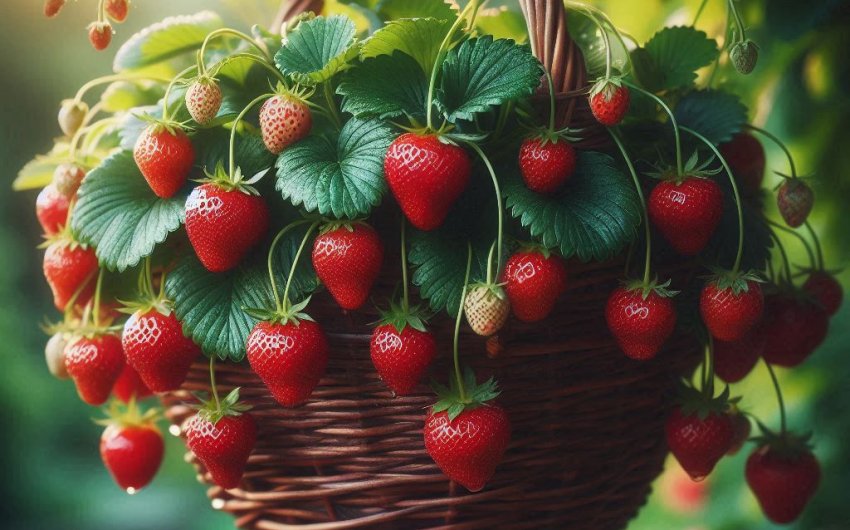
Cultivating your own sweet, juicy strawberries can be incredibly rewarding, and for those with limited garden space, growing strawberries in hanging baskets offers a perfect solution. This method not only saves ground space but also keeps the ripening berries off the soil, reducing the risk of pests and fungal diseases. Imagine stepping out onto your patio or balcony and plucking fresh, sun-ripened fruit directly from an elevated display. This guide will walk you through everything you need to know to achieve a bountiful harvest of delicious berries right at eye level.
Why Choose Hanging Baskets for Strawberries?
Before diving into the "how-to," let's consider the benefits that make hanging baskets for strawberries such an appealing option, especially for home gardeners.
What Are the Advantages of Hanging Strawberries?
There are several compelling reasons why gardeners opt to grow strawberries in hanging baskets rather than traditional in-ground beds.
- Space-Saving Solution: For urban dwellers, apartment residents, or anyone with a small yard, hanging baskets free up precious ground space. You can utilize vertical areas like balconies, patios, porch ceilings, or even sturdy wall brackets. This is a primary benefit for those interested in container gardening.
- Pest and Disease Control: Keeping berries off the ground significantly reduces the chances of slugs, snails, and other ground-dwelling pests reaching your fruit. It also minimizes soil-borne diseases that thrive in damp conditions directly on the soil surface, leading to healthier, cleaner berries.
- Improved Air Circulation: Elevated baskets allow for better air movement around the foliage and fruit. Good airflow is vital in preventing fungal diseases like powdery mildew and botrytis, which can quickly ruin a crop.
- Easy Harvesting: No more bending or stooping! The fruit dangles at an ideal height for easy picking, making harvest time a breeze and more accessible for everyone.
- Aesthetic Appeal: Beyond their practical benefits, strawberry hanging baskets are beautiful. The cascading foliage, delicate white or pink blossoms, and vibrant red berries create a lovely ornamental display, adding charm to any outdoor living space.
- Weed Reduction: Weeds are almost non-existent in hanging baskets, eliminating the tedious task of weeding that's often required for in-ground gardens.
- Mobility: If unexpected bad weather strikes, or if you need to adjust sun exposure, you can easily move your hanging baskets to a more suitable location. This flexibility is a huge plus for plant health.
Which Strawberry Varieties are Best for Baskets?
Not all strawberries are created equal when it comes to container gardening. Choosing the right variety is crucial for success when you want to grow strawberries in hanging baskets.
What Types of Strawberries Thrive in Containers?
Look for varieties known for their trailing habit and continuous fruiting.
- Ever-bearing Strawberries: These varieties produce two or three harvests throughout the growing season, typically in late spring, mid-summer, and early fall. They generally produce fewer runners (the horizontal stems that produce new plants) than June-bearing types, making them ideal for containers where space is limited. Popular ever-bearing varieties include:
- 'Eversweet': Known for producing berries even in hot climates, with a good flavor.
- 'Ozark Beauty': A classic ever-bearer with medium-sized, firm, sweet berries.
- 'Quinault': Produces large, soft berries and is known for being quite vigorous.
- Day-neutral Strawberries: These are a type of ever-bearing strawberry that produces fruit continuously throughout the growing season as long as temperatures are between 35°F and 85°F (1.7°C and 29.4°C). They are less dependent on day length for fruit production, hence the name. Day-neutral varieties are excellent choices for baskets because of their prolonged fruiting period and generally smaller plant size. Good day-neutral options include:
- 'Albion': Valued for its large, firm, conical berries with excellent flavor and good disease resistance.
- 'Seascape': Produces medium-to-large, very sweet berries with a good shelf life.
- 'Tribute' / 'Tristar': Both are highly regarded for their rich flavor and consistent production.
- Alpine Strawberries: While they produce smaller berries, Alpine varieties are fantastic for hanging baskets. They don't send out runners, making them very tidy, and they produce charming, highly aromatic fruit all season long. Their compact size and ornamental value make them a lovely addition.
- 'Mara des Bois': A gourmet French variety known for its intense wild strawberry flavor.
- 'Mignonette': A popular non-runner variety with sweet, tiny berries.
Avoid June-bearing varieties for hanging baskets. These types produce one large crop in early summer and put most of their energy into producing runners, which can quickly overcrowd a basket and reduce fruit production.
Choosing the Right Hanging Basket for Strawberries
The type and size of the basket you select will significantly impact the health and productivity of your strawberry plants.
What are the Best Baskets for Strawberry Plants?
Consider material, size, and drainage when making your selection.
- Material:
- Wire Baskets with Liners: These are a popular choice. They offer excellent drainage and aeration. You'll need a liner, such as coco coir liners for hanging baskets or sphagnum moss, to hold the soil. Some designs even allow you to plant strawberries in the sides, maximizing your yield.
- Plastic Hanging Baskets: These are generally more affordable and retain moisture better than wire baskets, which can be an advantage in hot, dry climates, but require careful watering to prevent overwatering. Look for plastic baskets with ample drainage holes.
- Fabric/Smart Pots: Made from breathable fabric, these containers offer superior aeration to the roots, preventing root circling and promoting healthier root growth. They drain very well, so more frequent watering might be needed. Many gardeners appreciate fabric grow bags for plants for their root-friendly environment.
- Size: Aim for a basket that is at least 10-12 inches (25-30 cm) in diameter. This size provides enough room for the strawberry plants' root systems to develop and for moisture retention. Smaller baskets will dry out too quickly, leading to stressed plants and poor fruit production.
- Drainage: No matter the material, excellent drainage is non-negotiable. Strawberries hate soggy feet. Ensure the basket has plenty of drainage holes at the bottom to prevent water from sitting and causing root rot. If your chosen basket doesn't have enough holes, you can carefully drill more. You can place a hanging basket chain and hook that is strong enough to support the weight of a fully watered basket.
Preparing Your Hanging Basket for Strawberries
Once you have your basket, the next step is to prepare it properly before planting. This includes selecting the right potting mix and ensuring good drainage.
How to Prepare the Basket for Planting?
A well-prepared basket sets the foundation for healthy strawberry growth.
- Lining the Basket (if applicable): If you're using a wire basket, line it first. Coco coir liners are excellent as they are natural, sustainable, and retain moisture well while allowing good airflow. Moisten the liner before placing it in the basket. For baskets designed for side planting, carefully cut small X-shaped openings in the liner where you plan to insert plants.
- Choosing the Right Potting Mix: Do not use garden soil, which is too heavy and compacts easily in containers. Instead, opt for a high-quality, well-draining potting mix for container plants. Look for mixes that contain ingredients like perlite or vermiculite to improve drainage and aeration. You can also make your own mix by combining equal parts compost, perlite, and peat moss or coco coir. Adding some slow-release granular fertilizer to the mix can provide a gentle nutrient boost as your plants establish.
- Filling the Basket: Fill the basket with the potting mix, leaving about an inch (2.5 cm) of space from the rim. If you're planting through the sides of a wire basket, fill it partially, place plants through the side holes, then add more soil to cover their roots.
Planting Strawberries in Hanging Baskets
The way you plant your strawberry crowns will influence their establishment and future growth.
What is the Correct Way to Plant Strawberries?
Proper planting technique ensures your plants get off to a strong start.
- Source Healthy Plants: Start with healthy strawberry plants. You can purchase bare-root plants or potted plants from a reputable nursery. Bare-root plants should be soaked in water for about 30 minutes before planting.
- The "Crown" is Key: When planting, pay close attention to the "crown" of the strawberry plant. This is the central part where the leaves emerge, and it should be positioned exactly at soil level – not buried too deep and not exposed too high.
- Too Deep: Burying the crown can lead to rot.
- Too Shallow: If the crown is too high, the roots can dry out.
- Arrangement in the Basket:
- Standard Basket: For a typical hanging basket, plant 3-5 strawberry plants, depending on the basket size. Space them evenly apart. In a 10-12 inch basket, three plants are often sufficient to allow good air circulation and growth.
- Side-Planting Baskets: If using a wire basket with side openings, you can plant additional strawberries through these openings, maximizing the number of plants. Start by placing some potting mix in the bottom, then insert plants through the lower side holes, fanning out their roots inside. Continue adding soil and planting through the higher side holes as you fill the basket. Finish by planting on the top surface.
- Gentle Firming: After placing the plants, gently firm the soil around the roots to remove any air pockets.
- Initial Watering: Water thoroughly immediately after planting. This helps settle the soil and provides essential moisture to the newly planted strawberries.
Watering Your Hanging Basket Strawberries
Watering is perhaps the most critical aspect of caring for strawberries in hanging baskets. Because containers dry out faster than in-ground gardens, consistent and appropriate watering is essential.
How Often Should I Water My Hanging Strawberries?
The frequency of watering will depend on several factors, including weather, basket size, and plant maturity.
- Check Daily (Especially in Hot Weather): Hanging baskets dry out very quickly. In hot, sunny, or windy conditions, you may need to water once or even twice a day.
- Feel the Soil: The best way to know when to water is to feel the soil. Stick your finger about an inch or two into the potting mix. If it feels dry, it's time to water. If it still feels moist, wait. A soil moisture meter can also be a helpful tool.
- Water Until Drainage: When you water, do so thoroughly until water drains out of the bottom of the basket. This ensures that the entire root ball gets moistened.
- Avoid Overhead Watering During Fruiting: Once berries start to form, try to water the soil directly rather than spraying the foliage and fruit. Wet berries and leaves can be more susceptible to fungal diseases. A long-spouted watering can can be very useful for this.
- Consider a Self-Watering Basket: If you struggle with consistent watering or travel frequently, a self-watering hanging basket can be a worthwhile investment. These baskets have a reservoir that holds water, allowing the plant to draw moisture as needed.
Fertilizing Strawberries in Hanging Baskets
Because container plants have a limited amount of soil and nutrients, regular feeding is necessary to support vigorous growth and abundant fruiting.
What Fertilizer Should I Use for My Strawberries?
Proper nutrition is vital for a healthy harvest.
- Start with a Balanced Fertilizer: When planting, you can mix a slow-release granular fertilizer into the potting mix. This provides a steady supply of nutrients over several weeks or months.
- Liquid Feed During Growth and Fruiting: Once your plants start actively growing and producing flowers and fruit, switch to a liquid fertilizer.
- Type of Fertilizer: Use a balanced liquid fertilizer (like 10-10-10 or 5-10-5) or one slightly higher in phosphorus and potassium to encourage flowering and fruiting. A liquid plant food for berries is often a good choice.
- Frequency: Fertilize every 2-4 weeks during the growing and fruiting season, diluting the fertilizer to half strength or according to the package directions. Over-fertilizing can harm your plants.
- Avoid Excessive Nitrogen: While nitrogen promotes leafy growth, too much can result in lush foliage but fewer flowers and fruit. Balance is key.
Light Requirements for Strawberries
Strawberries are sun-loving plants. Adequate sunlight is crucial for good fruit production and sweetness.
How Much Sun Do Strawberries Need in Baskets?
Providing the right amount of light is paramount for a bountiful harvest.
- Full Sun is Best: For the sweetest and most abundant berries, your hanging baskets need at least 6-8 hours of direct sunlight per day. A south-facing location is often ideal.
- Partial Sun (Acceptable): If full sun isn't possible, a location that receives 4-6 hours of direct sun, especially morning sun, can still yield a decent crop, though the berries might be slightly smaller or less sweet.
- Rotate Baskets: If your plants are only getting sun from one direction, periodically rotate the baskets to ensure all sides of the plant receive adequate light.
- Monitor for Overheating: While strawberries love sun, in extremely hot climates, intense afternoon sun (especially reflecting off concrete) can stress the plants. If leaves look scorched or wilted during the hottest part of the day, consider moving the basket to a spot with some afternoon shade or using a shade cloth for plants during peak heat.
Pruning and Maintenance for Hanging Basket Strawberries
Maintaining your strawberry plants throughout the season is essential for continuous production and plant health.
What Maintenance Do Hanging Strawberries Require?
Regular care ensures healthy growth and prevents problems.
- Pinch Off First Flowers (Optional but Recommended for New Plants): When you first plant your strawberries, especially ever-bearing and day-neutral types, consider pinching off the first flush of flowers for the first 2-4 weeks. This allows the plant to focus its energy on developing a strong root system, leading to a more robust plant and better fruit production later in the season.
- Remove Runners: Ever-bearing and day-neutral strawberries tend to produce fewer runners than June-bearing types, but they will still produce some. Runners are long stems that new strawberry plants will form at their tips. In hanging baskets, runners can drain energy from the parent plant, reducing fruit production.
- Pinch or Snip: Simply pinch or snip off any runners as soon as you see them forming. If you want to propagate new plants, you can root a few runners in small pots next to the main basket, then snip them once rooted.
- Deadhead Spent Flowers and Remove Overripe Fruit: Regularly remove any faded flowers and overripe or rotting berries. This prevents diseases from spreading and encourages the plant to produce more flowers and fruit.
- Pest and Disease Monitoring: Regularly inspect your plants for signs of pests (like aphids, spider mites, or slugs) or diseases. Catching issues early makes them easier to manage.
- Pest Control: For common pests, a strong spray of water can dislodge them. For more persistent issues, an organic insecticidal soap for plants can be effective.
- Disease Prevention: Good air circulation, proper watering, and removing diseased plant material are your best defenses against fungal diseases.
- Protect from Birds: As your berries ripen, birds will quickly discover them. Consider hanging bird netting for fruit plants over your baskets to protect your delicious harvest.
Harvesting Strawberries from Hanging Baskets
The moment you've been waiting for! Harvesting your homegrown strawberries is the culmination of your efforts.
When are Strawberries Ready to Pick?
Knowing when to pick ensures the best flavor.
- Color is Key: Strawberries are ready to harvest when they are fully red. They generally won't ripen further once picked, so wait until they are uniformly colored.
- Gentle Picking: To harvest, grasp the stem just above the berry and snip or pinch it off. Avoid pulling the berry directly, as this can damage the plant or bruise the fruit. A small pair of gardening snips can make this task easier.
- Harvest Regularly: During peak season, you might need to harvest every day or every other day to ensure you pick berries at their prime and to encourage continuous production.
- Enjoy Fresh: Homegrown strawberries are best enjoyed fresh, straight from the plant! They typically don't store as well as store-bought berries. If you have an abundance, consider making jams, pies, or freezing them for later.
Overwintering Strawberries in Hanging Baskets
For most regions, strawberry plants in hanging baskets will need some protection to survive the winter. Strawberries are perennials, meaning they can live for several years.
How Can I Overwinter My Hanging Basket Strawberries?
Protecting your plants during colder months ensures a harvest next year.
- Move to a Sheltered Location: Before the first hard frost, move your baskets to a protected, unheated location.
- Unheated Garage or Shed: A garage, shed, or unheated basement is ideal. The goal is to keep them cold enough to go dormant but warm enough to prevent the roots from freezing solid.
- Cold Frame or Greenhouse: If you have one, a cold frame or unheated greenhouse provides excellent protection.
- Bury in the Ground: In some mild climates, you can dig a hole in your garden and temporarily bury the entire basket (pot and all) in the ground, covering it with straw or mulch for insulation.
- Prune Back Foliage: Trim back most of the older foliage, leaving only a few central leaves. This helps the plant conserve energy during dormancy.
- Reduce Watering: During dormancy, plants need very little water. Water sparingly, just enough to prevent the soil from completely drying out. Overwatering during dormancy is a common cause of rot.
- Insulate: You can further insulate the pots by wrapping them in burlap fabric for plants or bubble wrap.
- Gradual Reintroduction in Spring: In early spring, as temperatures rise, gradually reintroduce your baskets to outdoor conditions. Start by placing them outside on mild days and bringing them in at night, slowly increasing their exposure to light and outdoor temperatures until they can remain outside permanently. Fertilize lightly as new growth appears.
- Replace Every 2-3 Years: Even with proper overwintering, strawberry plants in containers tend to lose vigor after 2-3 years. It's generally a good idea to start with fresh plants every few years to ensure optimal fruit production.
By following these detailed steps, you can successfully cultivate a cascading display of sweet, homegrown berries, making growing strawberries in hanging baskets a delightful and productive endeavor for any home gardener.