
How to Grow Native Plants for Pollinators?
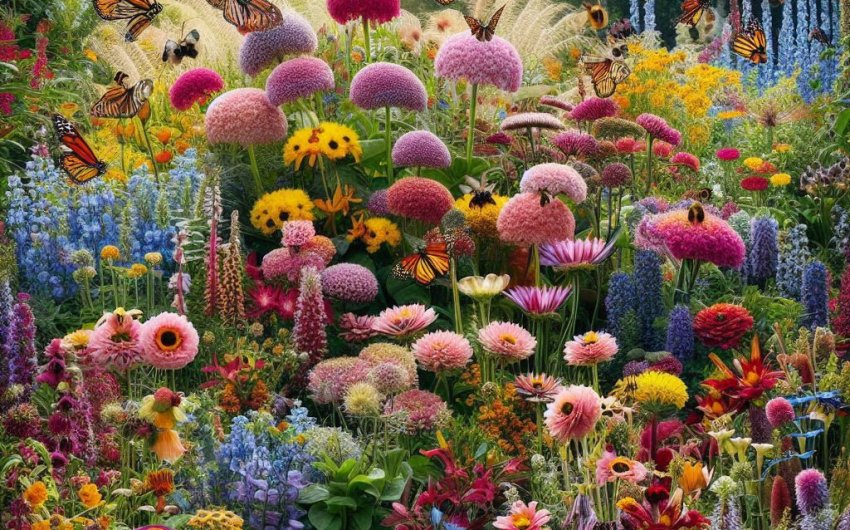
To grow native plants for pollinators, begin by identifying your specific ecoregion and selecting a diverse range of native species that provide continuous blooms from early spring to late fall. Focus on providing nectar and pollen for adult pollinators, and crucial host plants for their larvae, while strictly avoiding pesticides to ensure a healthy habitat.
Why Grow Native Plants for Pollinators?
Growing native plants for pollinators is one of the most impactful actions you can take to support local ecosystems and biodiversity in your backyard. Unlike ornamental or exotic plants, native species have evolved alongside local pollinators, creating an intricate and vital symbiotic relationship.
The Unmatched Benefits of Native Plants for Pollinators
- Optimal Food Source: Native plants provide the precise type and quantity of nectar and pollen that local pollinators (bees, butterflies, moths, hummingbirds) require. Their floral structures are perfectly adapted for native pollinator mouthparts, making foraging efficient and effective. Many non-native plants, especially highly hybridized ornamentals, may offer little to no usable nectar or pollen.
- Crucial Host Plants: Beyond adult food, native plants serve as essential host plants for the larval stages (caterpillars) of many butterfly and moth species. Without their specific native host plant, these insects cannot complete their life cycle. For example, Monarch caterpillars solely feed on Milkweed.
- Year-Round Support: When chosen correctly, native plants offer a continuous succession of blooms from early spring through late fall, ensuring that pollinators have reliable food sources throughout their active season, including critical early and late-season forage.
- Ecological Balance: Native plants contribute to a healthy ecosystem by attracting beneficial insects that naturally control pests, reducing the need for chemical interventions. This supports a broader food web that includes birds and other wildlife.
- Climate Adaptation: Native plants are inherently adapted to your region's climate, soil types, and rainfall patterns. This means they generally require less water, fertilizer, and overall maintenance once established, making them a sustainable and low-input choice for your garden.
- Drought and Disease Resistance: Due to their adaptation, native plants are often more resilient to local droughts, pests, and diseases compared to non-native species, further reducing maintenance needs.
- Promotes Local Biodiversity: By supporting native pollinators, you contribute directly to the health and diversity of your local ecosystem, strengthening the resilience of plant and animal communities.
- Authentic Sense of Place: Native plants connect your garden to the natural landscape of your region, fostering a unique sense of place and local beauty.
By choosing to grow native plants for pollinators, you're not just planting a garden; you're cultivating a vibrant, living ecosystem that benefits your local environment and provides critical support for dwindling pollinator populations.
How Do I Identify Native Plants for My Region?
Identifying the correct native plants for pollinators in your specific region is the foundational step for creating an effective and sustainable pollinator garden. "Native" is highly localized, so what's native in one state or even one county might not be in another.
Steps to Find Your Local Native Plants
Determine Your USDA Plant Hardiness Zone (and Ecoregion):
- USDA Zone: This map tells you the average annual extreme minimum winter temperature, which helps determine which plants can survive in your area. Find your zone at the USDA Plant Hardiness Zone Map.
- Ecoregion/Physiographic Province: Even more important than just the USDA zone, knowing your specific ecoregion (e.g., Coastal Plain, Piedmont, Appalachian Mountains, Great Plains) helps pinpoint plants truly native to your local geology, soil, and climate patterns. These regional details are often more precise for identifying true natives.
Consult Local Resources: These are your best friends for accurate native plant information:
Advertisement- University Extension Offices: Your state or county university extension often has extensive resources, plant lists, and local experts. Search for "[Your State] Cooperative Extension native plants."
- Native Plant Societies: Many states and regions have dedicated native plant societies. Their websites are invaluable for plant lists, local events, and often include photos and growing conditions. Search for "[Your State] Native Plant Society."
- Local Arboretums, Botanical Gardens, and Nature Centers: These institutions often have native plant sections in their gardens, hold sales, and provide educational materials specific to your area.
- Local Conservation Organizations: Groups focused on land trusts or conservation often have resources on native ecosystems.
Utilize Online Databases and Tools:
- National Wildlife Federation (NWF) Native Plant Finder: This fantastic online tool allows you to type in your zip code and receive a list of native plants (trees, shrubs, flowers) that are host plants for butterflies and moths in your specific area. A truly invaluable resource: National Wildlife Federation Native Plant Finder.
- Lady Bird Johnson Wildflower Center: Offers extensive native plant lists by state and region, with detailed growing information: Lady Bird Johnson Wildflower Center.
- Xerces Society for Invertebrate Conservation: Provides regional pollinator plant lists and guides: Xerces Society Pollinator Conservation Resources.
Visit Reputable Native Plant Nurseries:
- Seek out nurseries that specialize in native plants. Their staff are usually knowledgeable about local species and growing conditions. They can also advise on appropriate cultivars (varieties developed from native species) that retain their pollinator benefits.
Observe Your Local Ecosystems:
- Take a walk in local natural areas, parks, or undeveloped land. Pay attention to what plants are growing naturally and what pollinators are visiting them. This hands-on observation can teach you a lot about your local flora.
By systematically using these resources, you can confidently identify and select the native plants for pollinators that are truly best suited for your backyard environment, ensuring a vibrant and ecologically valuable habitat.
What are the Essential Elements of a Native Pollinator Garden?
Creating an effective garden with native plants for pollinators goes beyond just choosing the right flowers. It involves designing a holistic habitat that provides all the resources pollinators need throughout their life cycle.
Key Elements of a Thriving Native Pollinator Garden
Diverse Native Plant Selection (Food Sources):
- Nectar Plants: Provide sugary energy for adult pollinators (bees, butterflies, hummingbirds, moths). Choose a variety of flower shapes, sizes, and colors to attract different species.
- Pollen Plants: Provide protein and other nutrients, especially crucial for female bees building nests. Many nectar plants also provide pollen.
- Host Plants: Absolutely critical for the larval stages (caterpillars) of butterflies and moths. Different species require specific host plants. For example, Milkweed is the only host plant for Monarch caterpillars.
- Continuous Bloom: Select plants that bloom from early spring through late fall. This ensures a consistent food supply throughout the entire active season of pollinators. Aim for at least three species blooming at any given time.
- Plant in Clumps: Plant groups or "drifts" of the same flower species rather than scattered individual plants. Large patches are more visible and efficient for foraging pollinators.
Water Source:
- Pollinators need clean water for drinking and cooling.
- Shallow Bird Bath with Rocks: Fill a bird bath with pebbles or marbles so bees and butterflies have dry spots to land on while they drink.
- Puddling Area: Create a shallow depression filled with sand or compost, kept consistently moist, for butterflies to extract minerals.
- Location: Place water sources in sheltered, sunny areas.
Shelter and Nesting Sites:
- Undisturbed Bare Soil: Approximately 70% of native bees are ground-nesters. Leave some patches of bare, unmulched soil in sunny, well-drained areas.
- Hollow Stems/Pithy Stems: Many native bees nest in hollow or pithy plant stems. Leave old plant stalks standing through winter until late spring before cutting them back.
- Leaf Litter and Brush Piles: A layer of leaf litter and small brush piles provide crucial overwintering sites for many beneficial insects, including some butterflies and moths.
- Native Grasses and Shrubs: Offer cover from predators, wind, and extreme weather.
- Dead Wood/Logs: Decaying wood can provide nesting sites for certain bee species and other beneficial insects.
- Bee Hotels: While some commercially sold bee hotels are decorative, simple, well-designed wooden blocks with drilled holes or bundles of hollow stems can attract specific tunnel-nesting bees (e.g., Mason Bee House).
Avoidance of Pesticides:
- This is non-negotiable for a pollinator garden. Even "organic" pesticides can harm beneficial insects.
- Embrace Integrated Pest Management (IPM) techniques focusing on prevention, monitoring, and encouraging natural predators. Accept some insect damage as a sign of a healthy ecosystem.
- Ensure any new plants purchased are "neonicotinoid-free," as these systemic pesticides are deadly to bees.
By consciously incorporating these elements, you will successfully grow native plants for pollinators within a vibrant, thriving habitat that supports their entire life cycle.
How Do I Prepare My Garden for Native Plants?
Proper garden preparation is a crucial step for successfully establishing native plants for pollinators. While natives are hardy, giving them a good start improves their chances of thriving and becoming low-maintenance additions to your landscape.
Steps for Garden Bed Preparation
Site Selection and Assessment:
- Sunlight: Re-confirm the amount of direct sunlight your chosen area receives throughout the day. Match this to your chosen native plants' needs (full sun, part shade, full shade).
- Drainage: Observe how water drains. Does it puddle after rain, or soak in quickly? This will influence soil amendments.
- Existing Vegetation: Note what's already growing there.
Remove Existing Grass and Weeds:
- Methods: This is a critical step, as weeds will compete fiercely with your new native plants.
- Solarization: Cover the area with clear plastic sheeting for 6-8 weeks during the hottest part of summer. Heat from the sun will cook and kill weeds and seeds.
- Sheet Mulching (Lasagna Gardening): Lay down overlapping layers of cardboard (remove tape/labels), then layers of compost, newspaper, straw, and other organic materials. This smothers weeds and gradually creates rich soil. It's a long-term method but excellent for soil building.
- Manual Removal: For smaller areas, physically dig out turf and weeds. Ensure you remove roots of perennial weeds.
- Tilling (Use with Caution): Tilling can break up soil but can also bring dormant weed seeds to the surface. It's best avoided unless absolutely necessary for very compacted soil, and then followed by other weed suppression.
- Methods: This is a critical step, as weeds will compete fiercely with your new native plants.
Perform a Soil Test (Optional but Recommended):
- A soil test (from your local extension office or a home soil test kit) will tell you your soil's pH and nutrient levels. While native plants are adaptable, knowing this helps you select the best species or make minor, targeted amendments.
Amend the Soil (if necessary):
- For Natives, Less is Often More: Unlike traditional gardening, extensive soil amendment isn't always necessary for native plants, as they are adapted to local soil. However, improving drainage or adding a bit of organic matter can be beneficial.
- Improve Drainage: If you have heavy clay, incorporate compost or coarse sand to improve drainage and aeration.
- Increase Fertility: If your soil is very poor, mixing in a few inches of good quality compost will boost organic matter and beneficial microbes.
- Adjust pH: If your soil test reveals an extreme pH outside the desired range (generally 6.0-7.0 for many natives, but varies), you can adjust it (e.g., sulfur to lower, lime to raise). Follow test recommendations precisely.
Rough Grade the Bed:
- Gently level the bed or create subtle contours that direct water flow effectively.
Edge the Bed (Optional):
- Define the edges of your new garden bed with a shovel cut, metal edging, or natural stone. This creates a clean line and helps prevent turf or weeds from encroaching.
By taking the time to properly prepare your garden beds, you'll lay a strong foundation for your native plants for pollinators to flourish, attracting and supporting vital wildlife for years to come.
How Do I Plant and Care for Native Plants for Pollinators?
Once your garden bed is prepared, planting and providing basic care will ensure your native plants for pollinators establish successfully and thrive, eventually becoming low-maintenance powerhouses in your landscape.
Planting Your Native Plants
Source Healthy Plants:
- Purchase plants from reputable native plant nurseries or growers.
- Look for strong, healthy plants without yellowing leaves, pests, or roots circling excessively at the bottom of the pot.
- Preferably, choose plants that are neonicotinoid-free to avoid harming pollinators.
- If buying seeds, ensure they are from a reliable source that provides native, non-GMO, and ideally locally sourced seeds.
Timing is Key:
- Spring or Fall: These are generally the best times to plant native plants. The cooler temperatures and increased rainfall help plants establish roots before the stress of summer heat or winter cold.
- Avoid Summer Planting: If planting in summer, be prepared for much more frequent watering.
Digging the Hole:
- Dig a hole that is twice as wide as the plant's root ball and just as deep. This allows roots to spread easily into loosened soil.
Planting the Plant:
- Gently remove the plant from its container.
- If roots are circling the pot, gently loosen or "tease" them apart at the bottom to encourage outward growth.
- Place the plant in the hole so that the top of the root ball is level with the surrounding soil surface. Avoid planting too deep or too shallow.
- Backfill with the excavated soil, gently firming it around the root ball to remove large air pockets. Do not compact the soil too tightly.
Watering After Planting:
- Water thoroughly immediately after planting to settle the soil around the roots.
Ongoing Care for Native Plants
Watering (Establishment Phase):
- Crucial in First Year: Even though natives are drought-tolerant once established, they need regular watering during their first growing season, especially during dry spells.
- Frequency: Water deeply 1-3 times a week, depending on temperature and rainfall, to encourage deep root growth. Reduce frequency as the plant establishes.
- Established Plants: After the first year, most native plants will require supplemental watering only during prolonged droughts.
Mulching:
- Apply a 2-4 inch layer of organic mulch (wood chips, shredded leaves, pine needles) around the base of your plants. Keep it a few inches away from the plant stems.
- Benefits: Suppresses weeds, retains soil moisture, regulates soil temperature, and slowly adds organic matter.
- Caution: Avoid thick mulch layers in areas designated for ground-nesting bees (bare soil).
Weeding:
- Keep beds relatively weed-free, especially while native plants are young and getting established. Weeds compete for resources.
- Hand-weeding is the preferred method to avoid chemical herbicides.
Pest and Disease Management (Pesticide-Free!):
- Monitor: Regularly observe your plants for signs of pests or diseases.
- Tolerate Minor Damage: A healthy native plant garden will have some insect activity. Some leaf munching is normal, especially on host plants (it means your garden is working!).
- Intervene Organically: If pest populations explode, use non-toxic methods like hand-picking, a strong spray of water, or insecticidal soap as a last resort. Never use broad-spectrum chemical pesticides.
- Embrace Beneficials: Your native plants will attract natural predators that help keep pest populations in check.
Pruning/Deadheading:
- Nectar Plants: For many nectar plants, deadhead (remove spent blooms) to encourage more flowers and extend the bloom season.
- Host Plants: Do NOT deadhead host plants if you see caterpillars on them! Let them develop.
- Winter Cleanup (Delay!): Resist the urge to do a thorough fall cleanup. Many native plants provide crucial overwintering habitat in their hollow stems, leaf litter, and seed heads for various insects. Wait until spring (after temperatures are consistently above 50°F / 10°C) before cutting back dead stalks.
Fertilization (Minimal):
- Native plants are adapted to local soil conditions and typically do not require supplemental fertilization once established. Over-fertilizing can harm them and runoff can pollute waterways.
- If a soil test indicates a severe deficiency, amend with compost rather than synthetic fertilizers.
By following these planting and care guidelines, your garden filled with native plants for pollinators will flourish, becoming a resilient, beautiful, and ecologically valuable habitat for years to come.
What Are Some Common Myths About Native Plants?
Despite their numerous benefits, native plants for pollinators are sometimes misunderstood. Dispelling these common myths can encourage more gardeners to embrace them and unlock their full potential.
Debunking Native Plant Misconceptions
Myth: Native plants are messy and only for wild, untamed gardens.
- Reality: While some native plants can be vigorous, there are many varieties and cultivars that are well-behaved and beautiful in a formal or manicured setting. You can prune and shape them just like non-natives. Strategic placement, proper spacing, and edging can create a tidy, appealing aesthetic. The "messiness" often refers to leaving plant stalks and leaf litter for overwintering insects, which is a conscious ecological choice, not inherent sloppiness.
Myth: Native plants don't offer enough bloom variety or color.
- Reality: This couldn't be further from the truth! Native plants come in an astonishing array of colors, textures, sizes, and bloom times. From the vibrant reds of Cardinal Flower to the deep purples of Ironweed, the bright yellows of Coneflower, and delicate blues of Wild Indigo, you can create a diverse and continuously blooming tapestry.
Myth: Native plants only attract "ugly" bugs.
- Reality: While they attract all sorts of insects (which is good for the ecosystem!), they primarily draw beautiful and charismatic pollinators like Monarch butterflies, Swallowtails, Bumblebees, and hummingbirds. They also attract beneficial predatory insects (like ladybugs and lacewings) that help control garden pests, reducing your reliance on harmful chemicals.
Myth: Native plants grow everywhere and don't need any care.
- Reality: Once established (typically after their first year or two), native plants are indeed more self-sufficient and require less water and fertilizer than many conventional ornamentals. However, they are not "plant-it-and-forget-it" propositions, especially in their establishment phase. They still need proper initial site preparation, watering during dry spells, and occasional weeding or light pruning.
Myth: All "native" plants are the same, no matter where you live.
- Reality: This is a critical misconception. "Native" is highly specific to a local ecoregion. A plant native to Florida's coastal plain might not thrive in the mountains of Colorado, even if both are within the U.S. Always research plants native to your specific state, county, or even watershed to ensure true ecological benefit and plant success. The best native plants for pollinators are those that are local natives.
Myth: Native plants spread aggressively and take over everything.
- Reality: Like non-native plants, some native species can be vigorous self-seeders or spread via rhizomes. However, many are clumping or well-behaved. The key is to choose species appropriate for your space and to understand their growth habits. Proper planning and occasional division or deadheading can manage spread.
Myth: Native plants are hard to find at nurseries.
- Reality: While conventional nurseries may carry limited selections, the availability of native plants is rapidly growing. Seek out specialized native plant nurseries, often found online or through local native plant societies. Many garden centers are also expanding their native plant sections due to increasing demand.
By debunking these myths, gardeners can see the true value and beauty of incorporating native plants for pollinators into their landscapes, creating healthier, more vibrant, and more sustainable gardens.