
How to Grow a Jade Plant from Cuttings?
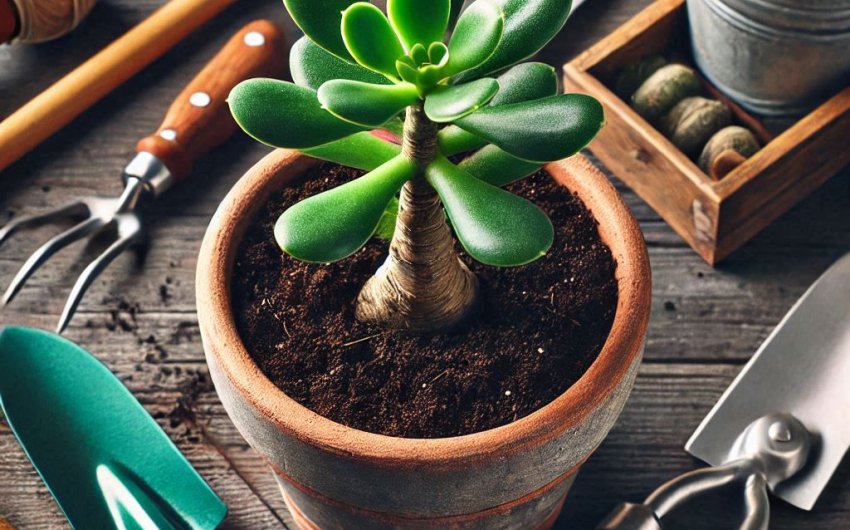
Propagating new plants from existing ones is one of the most rewarding aspects of gardening, and learning how to grow a jade plant from cuttings is an excellent way to expand your succulent collection or share these beautiful, low-maintenance plants with friends. Jade plants, scientifically known as Crassula ovata, are incredibly resilient and take root easily, making them perfect for beginners eager to try their hand at propagation. This guide will walk you through every step, from selecting the right cutting to nurturing your new jade plant into a thriving specimen.
Why Should You Grow a Jade Plant from Cuttings?
Growing a jade plant from cuttings offers several appealing benefits, making it a popular method for both seasoned and novice plant enthusiasts. It is an efficient and cost-effective way to multiply your existing plant collection.
Cost-Effective Plant Expansion
Instead of buying new jade plants, you can simply take a cutting from an existing, healthy plant. This means you can create multiple new plants for free, saving money while expanding your green space. It’s perfect for filling empty pots or giving away as thoughtful, handmade gifts.
Easy and High Success Rate
Jade plants are renowned for their ability to root easily. Their succulent nature allows them to store water, which helps the cuttings survive during the rooting process. This resilience makes them a fantastic choice for anyone new to plant propagation, offering a high chance of success.
Pruning Benefits the Mother Plant
Taking cuttings is a form of pruning. Regular pruning encourages the parent jade plant to become bushier and healthier. It helps maintain a desirable shape and prevents the plant from becoming leggy or overgrown. So, you're not just getting new plants; you're also improving the health and appearance of your original plant.
Sharing and Gifting
Once your jade cuttings have rooted and started to grow, they make wonderful gifts. A propagated jade plant is a personal and sustainable present for birthdays, holidays, or housewarmings. It’s a way to share your passion for plants and spread a little green joy.
Learning Experience
For those interested in plant biology and horticulture, growing a jade plant from cuttings is a hands-on learning experience. It allows you to observe the rooting process firsthand, understand plant growth cycles, and gain confidence in your propagation skills, which can then be applied to other types of plants.
What is the Best Time to Take Jade Cuttings?
The best time to take jade cuttings is during the plant's active growing season. This typically falls in the spring and summer months. During these periods, the plant has more energy to dedicate to root development, increasing your chances of success. However, jade plants are quite forgiving, so propagation can often be successful at other times of the year, provided the conditions are warm and bright indoors.
Ideal Growing Conditions
- Temperature: Aim for temperatures between 65°F and 75°F (18°C and 24°C). This range encourages faster root development.
- Light: Provide bright, indirect light. Too much direct sun can stress the cutting, while too little light can slow down rooting.
- Humidity: Jade plants prefer moderate to low humidity, which helps prevent rot in the cuttings.
What Tools and Materials Do You Need to Propagate Jade Plants?
Gathering the right tools and materials before you begin will make the propagation process smooth and efficient.
Essential Tools
- Sharp Pruning Shears or a Clean Knife: Clean cuts reduce the risk of infection for both the mother plant and the cutting. Using sterile pruning shears is highly recommended.
- Gloves (Optional): While jade plant sap is not usually irritating, some people prefer to wear gloves for general plant handling.
- Small Pots or Trays: For planting the cuttings. Terra cotta pots are excellent as they allow the soil to dry out quickly, which succulents prefer.
- Spray Bottle: For lightly moistening the soil after planting.
Essential Materials
- Parent Jade Plant: A healthy, mature jade plant from which to take cuttings.
- Well-Draining Potting Mix: This is crucial for succulents to prevent root rot. A mix specifically designed for cacti and succulents, or a blend of regular potting soil, perlite, and coarse sand, works best. Espoma Organic Cactus Mix is a popular choice.
- Rooting Hormone (Optional but Recommended): While jade plants root easily without it, rooting hormone powder can speed up the process and increase success rates, especially if you're propagating in less-than-ideal conditions.
- Labels (Optional): To keep track of different cuttings or propagation dates.
How Do You Select and Prepare Jade Cuttings?
The success of your propagation largely depends on selecting healthy cuttings and preparing them correctly.
Selecting the Right Cuttings
Choose healthy, strong stems for your cuttings. Avoid any stems that look diseased, damaged, or weak.
- Stem Cuttings:
- Length: Aim for cuttings that are 3 to 6 inches long. They should have at least 2-3 sets of leaves.
- Node Selection: Make your cut just below a leaf node (the point where leaves attach to the stem). This area contains cells that are more likely to develop into roots.
- Healthy Appearance: The stem should be firm and free from blemishes or signs of pest infestation.
- Leaf Cuttings:
- Whole Leaf: Gently twist or cut an entire, healthy leaf from the main stem. Ensure the base of the leaf is intact. This is important as the meristematic tissue at the base is where new growth and roots will emerge.
- Plump and Firm: Choose leaves that are plump and firm, indicating good water storage. Avoid shriveled or discolored leaves.
Preparing the Cuttings
Once you've taken your cuttings, they need a crucial step called callusing.
- Remove Lower Leaves: For stem cuttings, carefully remove the leaves from the bottom 1-2 inches of the stem. This exposes the nodes where roots will form and prevents the leaves from rotting when planted in the soil. For leaf cuttings, ensure the entire leaf base is clean.
- Allow to Callus: This is the most important step for succulents. Place the cuttings in a dry, well-ventilated area away from direct sunlight for 3 to 7 days. The cut end will form a dry, protective layer or "callus." This scab-like layer prevents rot when the cutting is planted in soil. If you skip this step, your cutting is very likely to rot. The thicker the stem, the longer it might need to callus.
- Apply Rooting Hormone (Optional): Once the cutting has callused, you can dip the callused end into rooting hormone powder. Tap off any excess. This step is not strictly necessary for jade plants but can accelerate rooting.
How Do You Root Jade Plant Cuttings in Soil?
Rooting in soil is the most common and often most successful method for jade plant cuttings. It mimics their natural growing environment.
Step-by-Step Guide
- Prepare the Pots: Fill your small pots or trays with a well-draining cactus or succulent potting mix. Lightly moisten the soil. It should be damp, not soggy.
- Plant the Cuttings:
- Stem Cuttings: Use your finger or a pencil to make a small hole in the center of the pot. Gently insert the callused end of the stem cutting into the hole, ensuring at least one leaf node is buried. Backfill lightly, pressing the soil gently around the stem to secure it upright.
- Leaf Cuttings: Lay the callused leaf flat on top of the soil, or gently push the base of the leaf just slightly into the soil. Do not bury the entire leaf.
- Initial Watering (Light): After planting, resist the urge to water heavily. A very light misting of the soil surface with a spray bottle is sufficient, or simply ensure the soil was already lightly damp when planting.
- Provide Optimal Conditions:
- Light: Place the planted cuttings in a location that receives bright, indirect sunlight. A south-facing window with a sheer curtain, or a few feet away from an east or west-facing window, is ideal.
- Temperature: Maintain a consistent warm temperature, ideally between 65°F and 75°F (18°C and 24°C).
- Watering: This is crucial. Do not water again until the soil is completely dry. Overwatering is the most common cause of failure for succulent cuttings. For the first 2-4 weeks, or until you see signs of growth, minimal watering is best. Once roots start to form (usually after 3-6 weeks), you can gradually increase watering, but always allow the soil to dry out between waterings.
- Be Patient: Rooting can take anywhere from 3 weeks to 2 months. Be patient and resist the urge to pull up the cutting to check for roots. This can damage delicate new roots.
Signs of Rooting
You'll know your cutting has rooted when you observe these signs:
- Resistance When Gently Tugged: If you gently tug on the cutting and feel slight resistance, it means roots have formed.
- New Leaf Growth: This is the most obvious sign. New leaves appearing at the top of the stem or from the base of a leaf cutting indicate successful rooting and new plant growth.
How Do You Root Jade Plant Cuttings in Water?
While soil propagation is often preferred for succulents due to rot risk, you can root jade plant cuttings in water. However, it requires more vigilance and can sometimes lead to weaker roots.
Step-by-Step Guide
- Prepare the Cutting: Follow the same steps as for soil propagation: select a healthy stem cutting (leaf cuttings are less successful in water) and allow it to callus for 3-7 days. This callusing step is even more critical for water propagation to prevent rot.
- Prepare the Container: Fill a clean glass jar or bottle with room temperature water.
- Suspend the Cutting: Place the callused cutting in the water, ensuring only the very bottom 1 inch or so of the stem is submerged. None of the leaves should be in the water, as this will lead to rot. You might need to use a piece of cardboard or plastic wrap over the top of the jar with a hole in it to suspend the cutting if it's too short.
- Provide Optimal Conditions: Place the container in a location with bright, indirect light. Avoid direct sunlight, which can heat the water too much.
- Maintain Water Quality:
- Change Water Regularly: Change the water every 2-3 days to prevent bacterial growth and oxygen depletion. Use fresh, clean, room temperature water.
- Monitor for Rot: Keep a close eye on the submerged end of the cutting. If you see any signs of sliminess, blackening, or mushiness, remove the cutting immediately, recut above the rot, re-callus, and try again in fresh water or directly in soil.
- Be Patient: Roots should start to appear within 2-4 weeks. They will look like tiny white nubs emerging from the submerged stem.
Transplanting to Soil
Once roots are about 1-2 inches long, it's time to transfer your jade cutting to soil. Water roots are different from soil roots and can be more fragile.
- Prepare Soil: Fill a small pot with well-draining succulent potting mix.
- Plant Carefully: Gently make a hole in the soil and carefully place the rooted cutting, spreading the roots out slightly. Backfill with soil.
- Initial Care: Do not water immediately after transplanting. Wait a few days to a week to allow the roots to adjust to their new environment. Then, begin a normal watering schedule for established jade plants, allowing the soil to dry completely between waterings.
How Do You Care for Your Newly Propagated Jade Plant?
Once your jade cuttings have rooted and show signs of new growth, they transition from cuttings to young plants. Proper care at this stage is essential for their long-term health.
Watering
- Establish a Schedule: Water only when the soil is completely dry to the touch, usually every 2-4 weeks depending on temperature, humidity, and pot size. Stick your finger 1-2 inches into the soil to check.
- Thorough Watering: When you do water, water thoroughly until water drains from the bottom of the pot. Discard any excess water in the saucer.
- Reduce in Winter: In cooler months, jade plants need less water as their growth slows down.
Light
- Bright, Indirect Light: Jade plants thrive in bright light, but too much intense, direct sun can scorch their leaves, especially when young. A location with several hours of indirect light per day is ideal.
- Acclimation to Sun: If you plan to move your jade plant to a sunnier spot, do so gradually over a week or two to prevent shock.
Temperature and Humidity
- Moderate Temperatures: Jade plants prefer temperatures between 65°F and 75°F (18°C and 24°C) during their active growing season. They can tolerate cooler temperatures in winter, down to 50°F (10°C), but protect them from frost.
- Low Humidity: They do not require high humidity and can tolerate dry indoor air. Good air circulation is more important to prevent fungal issues.
Fertilizing
- Sparingly: Young jade plants don't need much fertilizer. Wait until the plant is established (at least a few months old) before considering fertilization.
- Diluted Solution: If you choose to fertilize, use a balanced liquid fertilizer diluted to half strength, once or twice during the spring and summer growing season. A balanced succulent fertilizer is best. Avoid fertilizing in fall and winter.
Potting and Repotting
- Initial Pot Size: Keep young jade plants in relatively small pots (e.g., 2-4 inches) until they grow larger. Overpotting can lead to too much moisture retention and root rot.
- Repotting: Repot every 2-3 years, or when the plant becomes root-bound. Choose a pot that is only one size larger than the current one. Always use fresh, well-draining succulent mix.
What Are Common Problems When Propagating Jade Plants and How to Solve Them?
Even with an easy plant like jade, issues can arise. Knowing how to identify and solve them will increase your success rate.
Problem: Cutting Rotting
- Symptoms: Mushy, black, or slimy stem or leaves.
- Cause: Overwatering, not allowing the cutting to callus properly, or too much humidity.
- Solution:
- Prevention is Key: Always allow cuttings to callus fully before planting.
- If Rot Occurs: Immediately cut away all rotted parts using a clean, sharp knife. If possible, recut the stem above the rot, allow it to re-callus for an extended period (up to 10 days), and try again in fresh, dry soil. For leaf cuttings, if the base rots, it's usually unrecoverable.
- Improve Drainage: Ensure your potting mix is very well-draining. Consider adding more perlite or coarse sand if it seems too dense.
- Reduce Watering: Water far less frequently, letting the soil dry out completely between waterings.
Problem: No Roots or Slow Rooting
- Symptoms: Cutting remains green but shows no signs of new growth or root development after several weeks/months.
- Cause: Not enough light, too cold temperatures, or insufficient callusing (leading to rot you might not see).
- Solution:
- Increase Light: Move the cutting to a brighter spot with indirect light.
- Warmth: Ensure the ambient temperature is consistently warm (65-75°F). Consider using a heating mat for plants for quicker rooting, especially in cooler environments.
- Patience: Sometimes, it just takes time. Jade cuttings can take 2 months or more to root, especially if conditions aren't perfect. Resist the urge to pull them up.
- Rooting Hormone: If you haven't used it, consider trying a rooting hormone on new attempts.
Problem: Shriveled or Wrinkled Leaves on Cutting
- Symptoms: Leaves look deflated, thin, or wrinkled.
- Cause: This is often normal during the callusing and rooting phase as the cutting uses its stored water before roots are established. However, excessive shriveling could indicate the cutting is drying out too much without developing roots, or rarely, a lack of initial moisture in the soil for rooted cuttings.
- Solution:
- Initial Phase: If it's still in the callusing or very early rooting phase, some shriveling is fine. Avoid watering until roots form.
- Post-Rooting: If roots have formed and the plant is still shriveling, it might be underwatered. Give it a thorough, deep watering, ensuring the soil drains well. Then, resume watering only when dry.
- Too Much Sun: Ensure the cutting isn't in too intense direct sunlight, which can cause excessive water loss.
Problem: Pests on New Cuttings
- Symptoms: Tiny white cottony masses (mealybugs), sticky residue (aphids/scale), tiny flying insects (fungus gnats, if overwatered).
- Cause: Pests were present on the parent plant, or they migrated to the new cuttings.
- Solution:
- Inspect Parent Plant: Always check the mother plant for pests before taking cuttings.
- Quarantine New Plants: If you bring in new plants, keep them separate from your existing collection for a few weeks.
- Treatment:
- Mealybugs/Aphids: Use a cotton swab dipped in rubbing alcohol to gently wipe them away. For larger infestations, use a neem oil spray specifically formulated for houseplants.
- Fungus Gnats: These usually indicate overwatering. Let the soil dry out completely between waterings. You can also use sticky traps.
What Are Some Tips for Successful Jade Plant Propagation?
Beyond the basic steps, a few extra tips can significantly improve your jade propagation success.
- Sterilize Your Tools: Always use clean, sharp shears or knives. Wipe them with rubbing alcohol before each use to prevent spreading diseases from one plant to another.
- Choose Healthy Cuttings: The healthier the parent plant and the cutting, the more energy the cutting has to put into developing roots and new growth.
- Be Patient (Seriously): Succulents can be slow to root. Resist the urge to constantly check for roots by pulling up the cutting, as this can damage delicate new root structures.
- Bottom Heat: Using a seedling heat mat can provide consistent, gentle warmth to the soil, which encourages faster root development, especially if your indoor temperatures are on the cooler side.
- Good Air Circulation: Ensure there's good air circulation around your cuttings to prevent humidity buildup, which can lead to rot. Avoid placing them in enclosed, unventilated spaces.
- Don't Overwater: This is the most critical rule for succulents. When in doubt, wait to water. A jade cutting can tolerate being dry much better than being too wet.
- Label Your Cuttings: If you're propagating multiple plants or different types of jade, labels can help you keep track of what's what and when you took the cuttings.
How to Encourage Bushier Growth in Your New Jade Plants?
Once your new jade plant is established, you might want to encourage it to grow into a fuller, bushier specimen rather than a tall, leggy one.
Pinching and Pruning
- Pinching Back: When your young jade plant has grown a few sets of new leaves, you can encourage branching by pinching back the tips of the stems. Use your fingernails or small, clean shears to remove the growth tip (the very top pair of leaves or the tiny new leaves forming at the top).
- Strategic Cuts: When pruning, cut just above a leaf node or a branch junction. New growth will often emerge from the nodes below the cut, leading to a bushier plant.
- Frequency: You can do light pinching regularly during the growing season to maintain shape and encourage density.
Adequate Light
- Essential for Compact Growth: Jade plants that don't receive enough light will stretch out, producing long, leggy stems with widely spaced leaves. This is called etiolation.
- Bright Indirect Light: Ensure your jade plant gets plenty of bright, indirect light throughout the day. If needed, supplement with a grow light for houseplants. Rotating the pot every week or two will ensure even light exposure on all sides.
Proper Watering and Fertilizing
- Consistent Watering: While you don't want to overwater, consistent, proper watering when the soil is dry encourages steady growth.
- Balanced Nutrition: A healthy plant is a bushy plant. Provide light fertilization during the growing season as described earlier.
Comparing Jade Plant Propagation Methods
Here's a quick comparison of the two primary methods for propagating jade plants.
| Feature | Soil Propagation | Water Propagation |
|---|---|---|
| Success Rate | High, generally preferred for succulents | Moderate, higher risk of rot if not careful |
| Cuttings Type | Stem cuttings (best), leaf cuttings | Stem cuttings (leaf cuttings less successful) |
| Callusing Time | Essential (3-7 days) | Even more critical (3-7 days or longer) |
| Root Appearance | Sturdier, adapts better to soil | More fragile, "water roots" need to adapt to soil |
| Maintenance | Less frequent checks once planted | Regular water changes (every 2-3 days) |
| Transplanting | Not applicable | Necessary, can be a delicate process |
| Rot Risk | Lower, if soil drains well and not overwatered | Higher, constant monitoring needed |
| Visual Appeal | Roots develop out of sight | Can watch roots grow (satisfying!) |
For most people, especially beginners, soil propagation is the recommended method for jade plants due to its higher success rate and reduced risk of rot.
Successfully learning how to grow a jade plant from cuttings is a rewarding experience that not only expands your plant collection but also deepens your understanding of plant life cycles. With their resilience and forgiving nature, jade plants are truly ideal candidates for propagation, offering a high chance of success for gardeners of all skill levels. By following the simple steps of selecting healthy cuttings, allowing them to callus, providing proper light and infrequent watering, you'll soon have a thriving new jade plant to enjoy or share. Happy propagating!