
How to Reseed a Lawn After Heavy Use?
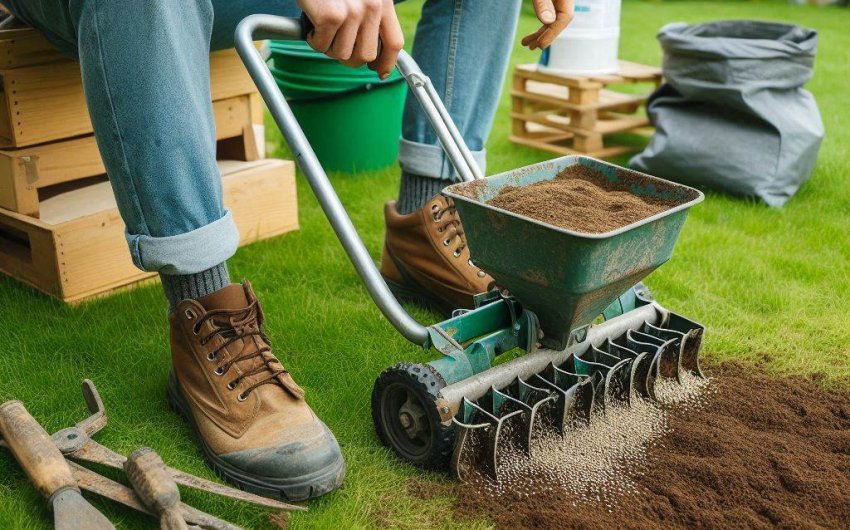
A lawn that sees a lot of action, whether from lively family gatherings, boisterous pets, or constant foot traffic, eventually shows signs of wear. Thinning grass, bare patches, and compacted soil are tell-tale signs of a well-used turf that's beginning to struggle. If you're wondering how to reseed a lawn after heavy use, you're in the right place. This comprehensive guide will walk you through the essential steps to rejuvenate your damaged lawn, transforming those worn-out areas back into a thick, resilient, and inviting green space ready for more enjoyment.
What causes lawn damage from heavy use?
Understanding the specific ways heavy use impacts a lawn is crucial before attempting to reseed a lawn after heavy use. It helps in proper diagnosis and ensures your repair efforts are targeted and effective.
How does traffic affect grass blades?
Constant foot traffic, pet activity, or vehicle movement on a lawn directly stresses the grass blades.
- Mechanical Wear: The friction and pressure from feet, paws, or tires physically crush, tear, and abrade grass blades. This weakens them and can eventually kill individual plants.
- Reduced Photosynthesis: Damaged blades have less surface area for photosynthesis, meaning the grass produces less energy, weakening the entire plant.
- Openings for Weeds: Thin or damaged turf creates open spaces where weed seeds can easily germinate and outcompete weakened grass.
What is the impact of heavy use on soil compaction?
Soil compaction is arguably the most detrimental effect of heavy use on lawns, and it severely impacts grass health.
- Reduced Air Space: The weight of traffic presses soil particles together, reducing the vital pore spaces that allow air to reach grass roots. Roots need oxygen to breathe and function properly.
- Poor Water Penetration: Compacted soil acts like a barrier, preventing water from soaking in. Instead, water may pool on the surface or run off, leading to drought stress even if you're watering.
- Limited Nutrient Absorption: Nutrients dissolved in water cannot penetrate compacted soil to reach the roots, leading to nutrient deficiencies despite fertilization.
- Stunted Root Growth: Grass roots struggle to push through dense, compacted soil, remaining shallow and making the grass less resilient to drought and stress.
- Weed Preference: Many common weeds, like plantain and crabgrass, thrive in compacted soil where turf grass struggles.
How does pet traffic specifically damage lawns?
Pet traffic combines mechanical wear with additional chemical stress, making it particularly damaging.
- Mechanical wear: Similar to human foot traffic, constant running and playing wears down grass blades and compacts the soil.
- Urine spots: Pet urine, especially from female dogs, is high in nitrogen salts. In high concentrations, these salts can burn grass, leaving brown spots with often a ring of unusually green grass around the perimeter. This "nitrogen burn" kills the grass.
- Digging: Some pets dig, creating literal holes in the lawn.
- Repeated use: Pets often use the same spots repeatedly, intensifying localized damage.
When is the best time to reseed a lawn after heavy use?
Timing is paramount for successful reseeding, ensuring optimal germination and establishment of new grass.
What is the ideal season for reseeding?
The best time to reseed a lawn after heavy use depends on your grass type.
- Cool-Season Grasses (Kentucky Bluegrass, Fescue, Perennial Ryegrass):
- Ideal: Early Fall (Late August to October): This is the prime time. Soil temperatures are warm enough for germination, air temperatures are cooler, there's typically more rainfall, and fewer competing weeds. New seedlings have ample time to establish a strong root system before winter dormancy.
- Secondary: Early Spring (March to April): Possible, but less ideal. Weed competition is higher, and young seedlings face the stress of summer heat soon after germinating.
- Warm-Season Grasses (Bermuda, Zoysia, St. Augustine, Centipede):
- Ideal: Late Spring to Early Summer (May to July): Soil temperatures are consistently warm, which is essential for these grasses to germinate and grow vigorously. This allows them to establish before the cooler fall temperatures arrive.
Why is soil temperature more important than air temperature?
Grass seeds germinate based on soil temperature, not air temperature. Even if the air feels warm, if the soil is too cold, seeds won't sprout. Conversely, if the air is too hot, young seedlings can quickly dry out. Aim for soil temperatures consistently above 50-55°F (10-13°C) for cool-season grasses and 65-70°F (18-21°C) for warm-season grasses.
What preparation steps are necessary before reseeding?
Thorough preparation is the secret to successful reseeding. Skipping these steps can lead to poor germination and wasted effort.
Step 1: Clean up and remove debris
- Clear the area: Remove any large debris, fallen leaves, sticks, and stones from the damaged areas.
- Rake out dead grass: Use a sturdy garden rake or a dethatching rake to aggressively remove all dead grass, thatch, and matted areas. This exposes the soil, allowing seeds to make good contact.
Step 2: Address soil compaction (aeration)
This is a critical step for areas damaged by heavy use.
- Assess compaction: Perform the "screwdriver test" mentioned earlier. If it's hard to push a screwdriver more than a few inches, your soil is compacted.
- Aeration: Use a core aerator machine (rentable) or a manual core aerator tool for smaller patches. This removes small plugs of soil, creating channels for air, water, and new roots.
- Leave plugs: Leave the soil plugs on the lawn; they will break down and return nutrients.
- Water before aeration: Water the lawn deeply a day or two before aerating to moisten the soil and make plug removal easier.
Step 3: Amend and prepare the soil surface
Improving the soil in damaged areas will give new grass seedlings the best start.
- Topdress with compost: Spread a thin layer (¼ to ½ inch) of high-quality compost for lawns over the raked and aerated areas. Compost adds organic matter, improves soil structure, and provides slow-release nutrients.
- Level the area: Gently rake the compost into the existing soil, leveling out any uneven spots. You want a smooth, firm seedbed.
- Soil test (optional but recommended): If you've had persistent issues, a soil test kit for lawns can reveal nutrient deficiencies or pH imbalances that need correction before seeding.
Step 4: Choose the right grass seed
Matching the grass seed to your existing lawn and local conditions is crucial for a uniform, healthy appearance.
- Match existing turf: Ideally, use the same grass type as your existing lawn for a seamless look.
- Climate-appropriate: Ensure the seed variety is suitable for your local climate (cool-season or warm-season).
- Traffic tolerance: For heavy-use areas, choose grass seed blends known for their durability and traffic tolerance.
- Cool-season: Perennial ryegrass (fast germination, durable), Tall Fescue (deep roots, good drought/traffic tolerance). Kentucky bluegrass (slower to establish but dense and self-repairing).
- Warm-season: Bermuda grass (extremely durable, spreads rapidly), Zoysia grass (very tough once established).
- High-quality seed: Purchase high-quality grass seed from a reputable supplier. Look for high germination rates and low weed seed content on the label.
How to properly apply grass seed for repair?
Applying grass seed correctly ensures good seed-to-soil contact, which is vital for germination.
Step 5: Spread the grass seed
- Calculate seed rate: Refer to the grass seed packaging for the recommended seeding rate for "bare spots" or "overseeding," which is typically higher than for new lawn establishment.
- Use a spreader: For even coverage, use a handheld seed spreader for smaller patches or a broadcast spreader for lawns for larger areas.
- Spread in multiple directions: For overseeding, apply half the seed in one direction and the other half in a perpendicular direction to ensure uniform coverage.
- Cover lightly: Gently rake the seeds into the top ¼ inch of the soil/compost mixture. Seeds need light to germinate, but also good contact with soil. You want them just barely covered or nestled into the soil.
Step 6: Apply a starter fertilizer
- Choose a starter fertilizer: Apply a starter fertilizer for new lawns specifically designed for new seedlings. These are typically higher in phosphorus, which promotes root development.
- Apply evenly: Use a spreader to apply the starter fertilizer at the rate recommended on the package.
- Avoid weed & feed: Do NOT use "weed and feed" products on newly seeded areas, as the herbicide will prevent grass seeds from germinating.
Step 7: Protect and cover the seed (optional but recommended)
- Light topdressing: A very thin layer (⅛ to ¼ inch) of peat moss for seeding or fine compost spread over the seeds can help retain moisture and deter birds.
- Straw blanket: For larger areas, a straw blanket for grass seed is excellent. It holds seeds in place, retains moisture, and protects against erosion. Ensure it's a weed-free straw.
- Light rolling: Gently roll the seeded area with a lightweight lawn roller to ensure good seed-to-soil contact.
What is the critical watering routine for new grass seed?
Proper watering is the most crucial factor for successful germination and establishment when you reseed a lawn after heavy use. Inconsistent watering can easily lead to failure.
What is the watering schedule for new grass seed?
- Keep consistently moist: The key is to keep the top inch of soil continuously moist, but not waterlogged, until the grass seeds germinate and the seedlings are a few inches tall. This typically means light watering 2-3 times a day (or more in hot, sunny, or windy conditions).
- Light, frequent watering: Use a gentle spray from a lawn sprinkler with a gentle spray to avoid washing away seeds.
- Germination time: Different grass types have different germination times. Perennial ryegrass germinates quickly (5-10 days), while Kentucky bluegrass can take 2-3 weeks or more.
- Transition to deep watering: Once the new grass is 2-3 inches tall and well-established, gradually reduce the frequency of watering but increase the duration. This encourages deeper root growth, making the grass more drought-tolerant. Aim for deep, infrequent watering (1 inch of water per week, applied in one or two sessions) once established.
What are common watering mistakes to avoid?
- Letting it dry out: Allowing the seeded area to dry out completely, even for a few hours, can kill delicate new seedlings.
- Overwatering/Puddling: Creating puddles or constantly saturating the soil can lead to seed rot or damping-off disease.
- High-pressure spray: A strong stream of water can displace seeds and erode the soil.
How to maintain a reseeded lawn for long-term health?
Once new grass sprouts, proper ongoing care is essential to strengthen the lawn and prevent future damage, minimizing the need to reseed a lawn after heavy use repeatedly.
When can I start mowing a newly reseeded lawn?
- Height: Wait until the new grass is at least 3-4 inches tall before its first mow.
- Sharp blades: Ensure your lawn mower blades are sharp to avoid tearing the tender new grass.
- High setting: Set your mower to its highest setting for the first few mows to avoid stressing the young grass.
- Avoid heavy traffic: Limit foot traffic on the newly reseeded areas for at least 4-6 weeks to allow roots to establish.
What about fertilizing a reseeded lawn?
- Starter fertilizer is enough initially: If you applied a starter fertilizer during seeding, that's enough for the first few weeks.
- First full fertilization: About 4-6 weeks after germination (or as per your starter fertilizer's instructions), you can apply a standard, balanced lawn fertilizer for established lawns.
How to manage traffic on newly reseeded areas?
- Patience is key: The most difficult part of reseed repair is limiting use. Try to rope off or create temporary barriers around newly seeded patches to prevent walking or playing on them.
- Alternative routes: Encourage family members and pets to use alternative paths until the grass is mature.
What long-term strategies prevent future damage from heavy use?
- Core Aeration: Continue to aerate your lawn annually or biannually, especially in high-traffic areas, to prevent soil compaction.
- Overseeding: Regular overseeding (at least once a year in the fall for cool-season grasses) keeps your lawn thick and dense, helping it resist wear and tear.
- Proper Mowing Height: Consistently mow at a higher setting (2.5-3 inches or more) to promote deeper root growth and a more resilient lawn.
- Deep and Infrequent Watering: Encourage deep roots that can better withstand stress from compaction and drought.
- Fertilization: Follow a regular, balanced fertilization program to keep your grass strong and healthy.
- Consider durable grass types: If you continue to have issues in very high-traffic areas, consider overseeding with grass types specifically known for extreme durability, such as turf-type tall fescues or improved perennial ryegrasses. For warm seasons, specific Bermuda or Zoysia varieties are best.
- Physical barriers/pathways: For extremely high-traffic zones, consider installing permanent stepping stones, pavers, or gravel pathways to redirect foot traffic away from the grass entirely.
Successfully learning how to reseed a lawn after heavy use involves a blend of preparation, precise application, and diligent aftercare. By meticulously following these steps and committing to long-term preventative measures, you can transform a tired, worn-out lawn into a resilient, vibrant green space that stands up to the demands of everyday life and continues to be a source of pride.