
How to Compost in Small Apartments Without a Backyard?
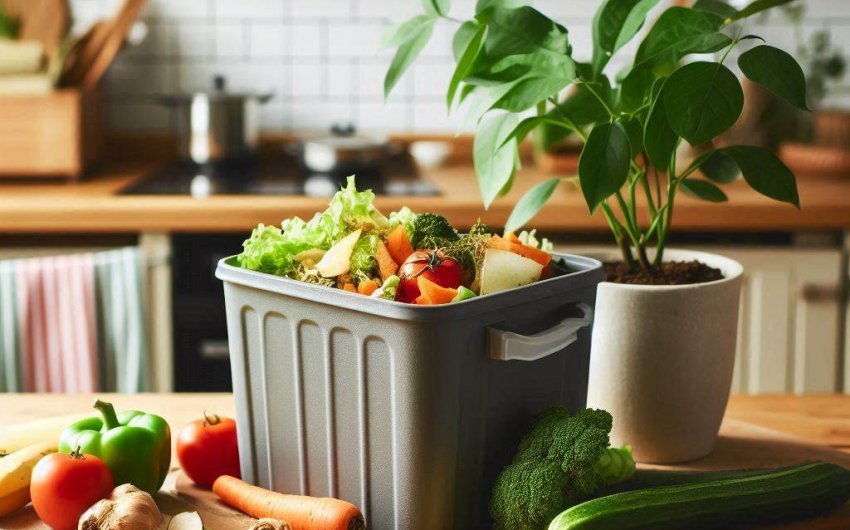
Discovering how to compost in small apartments without a backyard is a game-changer for eco-conscious urban dwellers, demonstrating that a commitment to sustainability isn't confined to homes with ample outdoor space. Despite limited square footage, various innovative indoor composting methods allow you to divert organic waste from landfills, reducing your environmental footprint and, in many cases, producing nutrient-rich soil amendments for your houseplants or community gardens. Embracing apartment-friendly composting solutions proves that even in compact living areas, contributing to a healthier planet is entirely achievable.
Why Should You Compost in a Small Apartment?
Engaging in composting in a small apartment offers a surprising array of benefits, extending far beyond simply managing waste. It's a powerful way to reduce your environmental impact, enhance your indoor gardening efforts, and contribute to a more sustainable lifestyle, even without the luxury of a backyard.
Reducing Waste and Environmental Impact
The most significant benefit of apartment composting is the dramatic reduction in organic waste sent to landfills. When food scraps and other organic materials decompose in landfills, they produce methane, a potent greenhouse gas that contributes significantly to climate change. By composting, you divert this waste, lessening your carbon footprint. It’s a tangible step towards a more sustainable lifestyle, showing that every small action contributes to a larger positive impact on the environment.
Creating Nutrient-Rich Soil Amendments
Instead of merely discarding food scraps, composting transforms them into a valuable resource: compost, often referred to as "black gold." This dark, crumbly material is packed with essential nutrients and beneficial microorganisms that greatly improve soil health. Even without an outdoor garden, you can use this nutrient-rich soil for your houseplants, window boxes, or even donate it to a local community garden. It enriches the soil, promotes healthier plant growth, and reduces the need for chemical fertilizers.
Lowering Odors and Pests in Your Kitchen
Paradoxically, composting can actually help reduce odors and pest issues in your kitchen. When organic waste sits in a regular garbage can, it starts to rot and smell, attracting fruit flies and other pests. Most effective indoor composting methods, like vermicomposting or Bokashi, process waste quickly and efficiently, containing odors and making your kitchen waste bin a much cleaner experience. By dealing with organic matter directly, you prevent it from lingering and becoming a nuisance.
Connecting with Nature and Sustainability
For apartment dwellers, composting offers a unique way to connect with natural cycles, even within an urban environment. It fosters an understanding of decomposition and nutrient recycling, creating a deeper appreciation for the food you consume and its journey back to the earth. This practice cultivates a sense of environmental responsibility and empowers you to be an active participant in building a more sustainable future, right from your kitchen.
What Are the Best Composting Methods for Small Apartments?
When space is limited, traditional backyard compost piles are out of the question. Thankfully, several effective and discreet methods allow you to successfully compost in a small apartment, each with its own benefits and requirements. Choosing the right method depends on your comfort level, the type of waste you produce, and how much finished compost you need.
Vermicomposting (Worm Composting)
Vermicomposting, or worm composting, is perhaps the most popular and efficient method for apartment composting. It utilizes specific types of worms, primarily red wigglers (Eisenia fetida), to break down organic waste into highly nutrient-rich worm castings.
- How it works: You create a contained environment (a worm bin) with bedding material (shredded newspaper, coco coir) and introduce red wigglers. You then feed them kitchen scraps. The worms consume the waste and excrete nutrient-rich castings.
- Pros: Very efficient at breaking down food waste, produces high-quality vermicompost, minimal odors if managed correctly, and takes up little space (bins can be stored under a sink or in a closet).
- Cons: Requires managing live worms (though they are very low-maintenance), can take a few months to get significant amounts of finished product, and sensitive to overfeeding.
- Tools: A worm composting bin (like a Worm Factory 360), red wigglers, bedding material (shredded newspaper, cardboard, or coco coir), and a spray bottle for moisture.
Bokashi Composting
Bokashi composting is an anaerobic (oxygen-free) fermentation process, rather than traditional decomposition. It uses a specialized inoculant (usually a bran fermented with effective microorganisms) to "pickle" food waste, including items not suitable for traditional composting or vermicomposting.
- How it works: Food scraps are placed in an airtight Bokashi bin, sprinkled with Bokashi bran, and then compacted. The beneficial microbes in the bran ferment the waste. Once the bin is full and sealed for a few weeks, the "pickled" waste (pre-compost) is then ready to be buried in soil (if you have outdoor access), added to a larger compost pile, or sent to a community garden program for final breakdown. It also produces a nutrient-rich "Bokashi tea" liquid.
- Pros: Can handle all food waste, including meat, dairy, and cooked foods (though these should be added in moderation), relatively fast process, virtually no odor during fermentation, and produces a valuable liquid fertilizer (Bokashi tea).
- Cons: The "pre-compost" still needs to be broken down further in soil; it's not a finished product you can use directly on plants right away. Requires an airtight bin and consistent reapplication of bran.
- Tools: An airtight Bokashi composter with a spigot for draining liquid, and Bokashi bran.
Electric Kitchen Composter/Food Recycler
Electric kitchen composters are increasingly popular for apartment dwellers as they provide a fast, often odorless, way to break down food waste into a soil amendment. They use heat, grinding, and aeration to process scraps.
- How it works: You load food scraps into the machine, which then heats, grinds, and aerates them, dramatically reducing their volume and turning them into a sterile, dry, odorless material within hours. This material is not true compost but a "soil amendment" or "pre-compost" that can be added to soil to break down further, or used to enrich potted plants.
- Pros: Very fast (hours), significantly reduces food waste volume, largely odorless, easy to use, handles a wide range of food scraps.
- Cons: Requires electricity, can be expensive to purchase, the resulting material needs further decomposition if you want true compost, and some models can be noisy.
- Tools: An electric kitchen composter (e.g., Lomi or FoodCycler).
Freezing/Collecting for Community Composting
If direct apartment composting isn't feasible, simply collecting and freezing your scraps for a community drop-off program or a local garden is an excellent alternative.
- How it works: Store food scraps in an airtight container or freezer-safe bag in your freezer. This halts decomposition and odors. Once full, transport them to a community composting site, farmers market drop-off, or share with a friend who has an outdoor compost bin.
- Pros: Requires no special equipment beyond a freezer and container, completely odorless, suitable for all types of food waste.
- Cons: Doesn't produce compost directly for your use, requires transportation to a drop-off point.
- Tools: A freezer-safe kitchen compost bin or reusable silicone bags.
What Materials Can You Compost in an Apartment?
Understanding what materials are suitable for your chosen apartment composting method is crucial for success and to prevent odors or issues. While different methods have varying capabilities, there's a general guideline for common household organic waste.
"Greens" (Nitrogen-Rich Materials)
These materials are rich in nitrogen and tend to be moist. They provide the necessary nutrients for the decomposers (worms, microbes) and help activate the composting process.
- Fruit and Vegetable Scraps: Apple cores, banana peels, carrot tops, salad trimmings, potato peels, non-citrus fruit rinds, etc. (Generally suitable for all indoor methods).
- Coffee Grounds and Filters: Excellent source of nitrogen. (Suitable for all methods).
- Tea Bags: Remove staples if present. (Suitable for all methods).
- Houseplant Trimmings: Small amounts of trimmings from your indoor plants. (Suitable for vermicomposting and Bokashi).
"Browns" (Carbon-Rich Materials)
These materials are rich in carbon and tend to be dry. They provide structure, improve aeration, and balance the nitrogen from "greens," preventing odors.
- Shredded Newspaper (black & white ink only): Great bedding for worm bins, and good carbon for Bokashi.
- Cardboard: Torn or shredded (e.g., paper towel rolls, egg cartons, plain brown cardboard). Excellent for worm bins and Bokashi.
- Dry Leaves: If you can collect a few from a nearby park (ensure they haven't been sprayed with chemicals).
- Paper Towels/Napkins (unsoiled/lightly soiled): In moderation.
- Sawdust/Wood Shavings (untreated): In small amounts, good for Bokashi or balancing carbon.
What to Avoid Composting Indoors
Certain materials should generally be avoided in apartment composting methods to prevent odors, pests, or harm to your system.
- Meat, Dairy, and Oily Foods: (Except for Bokashi or some electric composters). These break down slowly, attract pests, and create strong odors in vermicomposting and traditional methods.
- Citrus Peels: Can be too acidic for worm bins in large quantities. Ok in small amounts or with plenty of balance. Ok for Bokashi.
- Diseased Plants: Can spread pathogens.
- Pet Waste: Risk of pathogens.
- Glossy Paper or Magazines: Contains chemicals and heavy inks.
- Plastics, Metals, Glass: Non-organic materials.
- Heavily Processed Foods/Sugary Items: Can attract pests and ferment poorly.
Always check the specific guidelines for your chosen composting method, as some electric composters or Bokashi systems can handle a wider range of food waste than vermicomposting.
How Do You Set Up a Vermicomposting Bin in Your Apartment?
Setting up a vermicomposting bin for your apartment is a relatively simple process, and once established, it's a very low-maintenance and odorless way to transform your food scraps into valuable worm castings.
Choosing Your Worm Bin Location
The ideal location for your worm bin is somewhere cool, dark, and out of direct sunlight. Worms prefer temperatures between 55-77°F (13-25°C).
- Under the kitchen sink: A common and convenient spot.
- In a closet: Provides darkness and stable temperatures.
- Laundry room: Often a good, stable environment.
- Basement or garage (if temperatures are stable): If you have an internal garage or a dedicated storage space. Avoid placing it near radiators, air conditioning vents, or in direct sunlight, as extreme temperatures can harm the worms.
Preparing the Bedding Material
The bedding material provides a home, moisture, and a carbon source for your red wigglers.
- Shred Materials: Gather materials like shredded black-and-white newspaper, plain cardboard (torn or shredded), or coco coir. Avoid glossy paper or colored inks.
- Moisten: Moisten the bedding thoroughly until it's damp like a wrung-out sponge – not soaking wet. If you squeeze it, only a few drops of water should come out.
- Fluff: Fluff the moist bedding to create air pockets. This is crucial for worm respiration. Fill your bin about 6-8 inches deep with the prepared bedding.
- Add a Little Grit (Optional but Recommended): A small handful of plain garden soil or crushed eggshells can be added to the bedding. This provides grit for the worms' gizzards, helping them digest food.
Introducing Your Red Wigglers
Once your bedding is prepared, it's time to introduce your worms.
- Purchase Worms: Buy red wigglers from an online supplier, a local bait shop, or a dedicated worm farm. Aim for about 1 pound of worms for a standard small apartment bin (like a Worm Factory 360).
- Release Worms: Gently place the worms on top of the bedding. They are light-sensitive and will quickly burrow down into the bedding to escape the light.
- Initial Settling Period: Leave the bin undisturbed for a few days to a week. Don't add food immediately. This allows the worms to acclimate to their new home.
First Feeding and Ongoing Management
After the settling period, you can begin feeding your worms.
- First Feeding: Start with a small amount of food scraps (e.g., a cup of fruit/veg scraps). Bury the food under the bedding in one corner of the bin. This prevents fruit flies and odors.
- Ongoing Feeding: Feed every few days or once a week, depending on how quickly the worms process the food. Observe if the previous food is mostly gone before adding more. Rotate feeding locations within the bin. Avoid overfeeding, which can lead to odors and unhappy worms.
- Maintain Moisture: Periodically check the moisture level of the bedding. If it seems dry, mist lightly with water. If it's too wet, add more dry shredded bedding.
- Harvesting Castings: After 3-6 months, you'll start to see finished worm castings (dark, earthy-smelling material). There are various harvesting methods, like the "push" method (pushing finished material to one side and adding fresh food to the other, letting worms migrate).
With these steps, you'll have a thriving vermicomposting system, converting your kitchen waste into garden-boosting worm castings right in your apartment.
How Do You Use a Bokashi Composter in an Apartment?
Bokashi composting is a unique and effective indoor method for apartments, relying on fermentation rather than decomposition. It's particularly good for handling a wider variety of food scraps without attracting pests or producing odors.
Setting Up Your Bokashi Bin
A Bokashi bin is essentially an airtight container, often with a spigot at the bottom to drain liquid.
- Choose a Location: Place your Bokashi bin in a convenient, out-of-the-way spot in your kitchen or utility room. Because it's airtight and ferments, it doesn't need to be in a dark place and temperature isn't as critical as for worms, though consistent room temperature is fine.
- Initial Layer of Bran: Before adding any food scraps, place a small layer (about 1 tablespoon) of Bokashi bran at the bottom of the bin.
Adding Food Scraps and Bokashi Bran
This is the ongoing process of filling your Bokashi composter.
- Add Scraps: Place your food scraps into the bin. You can add them as you generate them throughout the day or accumulate them in a small kitchen scrap collector and add once a day.
- Sprinkle Bran: For every layer of food scraps (roughly an inch or two), sprinkle a generous amount of Bokashi bran over them (around 1-2 tablespoons, depending on the volume of scraps). More pungent items like meat or dairy might need extra bran.
- Compact the Scraps: Use a tool (like a potato masher or the tamper that comes with some bins) to press down on the food scraps. This removes air pockets, which is crucial for the anaerobic fermentation process.
- Seal Tightly: Close the lid of the Bokashi bin tightly after each addition to maintain airtight conditions.
Draining "Bokashi Tea"
- Regular Draining: Every few days, or as you see liquid accumulate, open the spigot at the bottom of the bin and drain the "Bokashi tea" (also known as leachate or fermentation liquid). This liquid is rich in nutrients and beneficial microbes.
- Using the Tea: Dilute the Bokashi tea significantly (1:100 ratio with water is a common recommendation, or even weaker for sensitive plants) and use it as a liquid fertilizer for your houseplants or outdoor garden. Do not let the liquid sit in the bin, as it can cause odors and affect the fermentation process.
Burying or "Finishing" the Pre-Compost
Once the Bokashi bin is full, it enters its fermentation phase.
- Fermentation Period: Seal the full bin and let it sit for 10-14 days (or longer in cooler temperatures). During this time, the food scraps are "pickling" or fermenting.
- No Direct Use: The material in the bin at this stage is pre-compost, not finished compost. It will have a distinct, somewhat sour or vinegary smell, but it shouldn't be putrid. It needs further decomposition in soil.
- Options for Finishing:
- Burying in a Garden: If you have access to a garden plot or a friend's backyard, dig a trench about 8-12 inches deep, bury the Bokashi material, and cover it with soil. It will break down completely within 2-4 weeks.
- Potting Soil "Lasagna": For apartment dwellers, you can layer the Bokashi material with regular potting soil in a larger container or storage bin. Create layers of soil, then Bokashi, then soil again. Let this mixture sit for a few weeks to a month. The microorganisms from the Bokashi will quickly break down the material into usable soil.
- Community Composting: Many urban areas have community composting drop-off points that accept Bokashi pre-compost.
By following these steps, you can effectively run a Bokashi composting system in your apartment, diverting waste and creating valuable resources.
What Are the Benefits of Electric Kitchen Composters for Apartments?
Electric kitchen composters or food recyclers represent a modern, high-tech solution for apartment composting, offering speed and convenience that traditional methods cannot match. They streamline the process of breaking down food waste, making composting accessible to almost anyone, regardless of space constraints or aversion to traditional methods.
Speed and Efficiency
The most significant advantage of an electric kitchen composter is its unparalleled speed and efficiency. Unlike worm bins or Bokashi systems that take weeks or months to process waste, an electric composter can transform most food scraps into a reduced-volume, dry, and odorless material in just a few hours. This rapid turnaround means you can process waste daily, preventing accumulation and associated smells.
Odor Control and Cleanliness
Many apartment dwellers are concerned about odors when composting indoors. Electric kitchen composters excel in odor control. They typically employ carbon filters and sealed processing units to contain and neutralize smells during the cycle. The resulting material is dry and largely odorless, making it pleasant to handle and store until ready for use or disposal. This makes them ideal for kitchens and other living spaces where cleanliness and lack of smell are paramount.
Wide Range of Acceptable Materials
Unlike vermicomposting, which is sensitive to certain types of food, most electric kitchen composters can handle a broader range of organic waste. This often includes:
- Meat and Fish Scraps: Small bones and cooked meat/fish are often acceptable.
- Dairy Products: Cheese, yogurt, etc.
- Cooked Foods: Pasta, rice, bread.
- Oils and Greases: In small amounts.
- Citrus Peels and Onions: Which can be problematic for worms.
This versatility means you can divert a much larger percentage of your household food waste from the landfill, simplifying your waste management.
Reduced Volume and Storage
One of the magical aspects of these devices is the dramatic reduction in volume of the food waste. After a cycle, the original scraps can be reduced by up to 90% in volume and weight, leaving behind a dry, crumbly substance. This significantly reduces the frequency with which you need to empty the machine and the space required to store the processed material, whether you're adding it to potted plants or collecting it for a community garden.
Ease of Use
Electric kitchen composters are designed for maximum ease of use. They typically involve simply loading the food scraps, pressing a button, and letting the machine do the rest. There's no turning, mixing, or monitoring of moisture and carbon-nitrogen ratios that traditional composting requires. This makes them a very beginner-friendly option for those new to composting or seeking a hands-off approach. The processed material can then be mixed into soil to enrich it, or even used as a base for making more traditional compost.
While the initial cost is higher than other methods, the convenience, speed, and odor control offered by electric kitchen composters make them a compelling solution for apartment composting.
How Can You Share or Utilize Your Apartment Compost?
Once you've successfully produced compost (or pre-compost) from your apartment composting efforts, the next step is to put that "black gold" to good use. Even without a backyard, there are several ways to ensure your efforts benefit the environment and even your own green thumb.
Enriching Houseplants and Container Gardens
This is perhaps the most direct and rewarding use of your finished indoor compost or the processed material from an electric composter.
- Top Dressing: Sprinkle a thin layer (about 1/2 inch) of compost on top of the soil in your houseplants' pots. This slowly releases nutrients with each watering.
- Mixing into Potting Soil: When repotting plants, mix 1 part compost with 3-4 parts regular potting soil. This significantly boosts the nutrient content and improves soil structure.
- Seed Starting: A small amount of fine compost mixed into your seed-starting mix can give seedlings a healthy start.
For Bokashi pre-compost, remember it needs to fully break down. You can layer it with existing potting soil in a separate container, allowing it to "cure" for a few weeks until it's transformed into rich soil before adding it to your plants.
Donating to Community Gardens or Urban Farms
Many urban areas have vibrant community gardens or urban farms that are always in need of high-quality compost.
- Connect with Local Gardens: Reach out to local community garden managers or volunteers. They are often thrilled to accept donations of finished compost or even Bokashi pre-compost. This helps support local food production and green spaces.
- Farmers Markets: Some farmers markets have compost drop-off programs, or you can connect with individual farmers who might be interested in your material.
Contributing to Share Programs or Neighbors
If you have more compost than you can use, consider sharing it.
- Neighborly Exchange: Ask neighbors if they have houseplants or outdoor gardens that could benefit from your compost.
- Online Forums/Groups: Local gardening groups on social media platforms or community forums are excellent places to offer your excess compost. You might even find other apartment composters interested in an exchange of materials or tips.
Starting a Small Balcony or Window Box Garden
If you have a balcony, patio, or even just a sunny window, your homemade compost is perfect for starting a small container garden.
- Herbs: Grow fresh herbs like basil, mint, or rosemary.
- Salad Greens: Lettuce, spinach, and other leafy greens do well in containers.
- Small Vegetables: Cherry tomatoes, radishes, or dwarf pepper varieties can thrive in pots.
- Flowers: Boost the growth of your favorite flowering annuals or perennials.
Your apartment compost will provide a sustainable and organic nutrient source, making your small-space garden even more productive and environmentally friendly.
Successfully learning how to compost in small apartments without a backyard not only empowers you to manage your organic waste responsibly but also actively contributes to a greener planet, proving that sustainable living is accessible to everyone, regardless of their living situation.