
Growing Ginger in Containers: Complete Guide
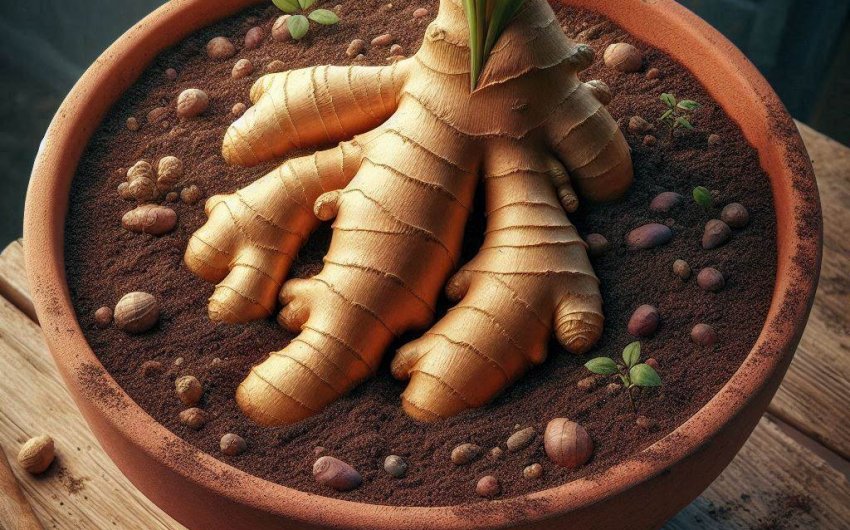
The pungent, spicy, and incredibly versatile flavor of fresh ginger is a culinary staple, adding warmth to everything from stir-fries and curries to teas and baked goods. While often associated with tropical climates, you might be surprised to learn that cultivating your own supply of this amazing rhizome is entirely possible, even if you live in a cooler region. Growing ginger in containers offers a fantastic solution for home gardeners, allowing you to control its environment and enjoy a continuous harvest of this flavorful root. This complete guide will walk you through every step, from selecting your ginger rhizome to harvesting and storing your homegrown bounty.
Why Choose to Grow Ginger in Containers?
Growing ginger in pots offers numerous advantages, making it an accessible and rewarding project for almost any gardener, regardless of climate or space limitations.
What are the Benefits of Container Growing for Ginger?
- Climate Control: Ginger is a tropical plant, meaning it thrives in warm temperatures and high humidity. Growing ginger in containers allows you to bring the plants indoors when temperatures drop, protecting them from cold, frost, and even extreme heat. This is especially beneficial for gardeners in temperate climates.
- Space Saving: Don't have a large garden plot? No problem! Ginger doesn't take up a huge amount of lateral space, making it perfect for patios, balconies, or even sunny windowsills. You can grow a significant amount of ginger in a relatively small area.
- Soil Management: Containers give you complete control over the soil mix. You can ensure the ginger has the perfect well-draining, nutrient-rich soil it needs without worrying about poor native soil quality or compaction.
- Pest and Disease Control: While generally robust, container growing can offer a degree of isolation from soil-borne pests and diseases common in garden beds.
- Easy Harvest: Harvesting ginger from a container is often much easier than digging it out of the ground, especially if the soil is heavy clay. You can simply tip the pot out when ready.
- Aesthetic Appeal: Ginger plants have attractive, glossy green leaves that resemble bamboo or reeds, making them an appealing ornamental plant on a patio or indoors.
What Kind of Climate Does Ginger Prefer?
Ginger (Zingiber officinale) is native to tropical rainforests and thrives in warm, humid conditions.
- Warm Temperatures: Ideal temperatures for ginger growth are consistently between 70°F and 85°F (21°C and 29°C). It will not tolerate frost. If temperatures drop below 50°F (10°C), growth will slow significantly or stop, and the plant can die if exposed to prolonged cold.
- High Humidity: Ginger prefers high humidity, similar to its jungle origins. This can be challenging to maintain indoors, but container growing offers opportunities to create a more humid microclimate.
- Long Growing Season: Ginger needs a long growing season, typically 8-10 months, to produce a good-sized rhizome. In regions with shorter warm seasons, starting ginger indoors and moving it out for summer is essential.
How Do I Select and Prepare Ginger for Planting?
The journey to homegrown ginger begins with choosing the right "seed" ginger and preparing it properly.
What Kind of Ginger Should I Plant?
You won't be planting actual seeds; you'll be planting pieces of a ginger rhizome (the underground stem often referred to as a "root").
- Organic is Best: Purchase organic ginger from a grocery store, a local farmer's market, or a reputable online seed company.
- Why Organic? Non-organic ginger might have been treated with growth inhibitors to prevent sprouting during transport, making it harder to grow.
- Fresh and Plump: Look for ginger pieces that are firm, plump, and free of mold or soft spots. They should feel heavy for their size.
- "Eyes" or Buds: Crucially, look for ginger with visible "eyes" or buds. These are small, greenish or yellowish protrusions, similar to the "eyes" on a potato. These are the points from which new shoots will emerge. The more eyes, the more potential shoots.
- Avoid Dried or Shriveled Ginger: Old, shriveled ginger is less likely to sprout successfully.
Do I Need to Prepare the Ginger Before Planting?
Yes, a little preparation can significantly boost your success rate.
- Soak (Optional but Recommended): Some gardeners recommend soaking the ginger rhizome in warm water overnight (8-12 hours). This helps rehydrate it and can encourage dormant eyes to swell.
- Cut into Pieces: If your ginger piece is large, cut it into smaller sections. Each section should be at least 1-2 inches in size and have at least one visible eye. Use a clean, sharp knife.
- Cure the Cuttings: After cutting, it's vital to "cure" the ginger pieces.
- Process: Leave the cut ginger pieces in a warm, dry spot (out of direct sun) for 2-3 days. This allows a protective callus to form over the cut surfaces.
- Why Cure? Curing helps prevent rot once the ginger is planted in moist soil. This step is particularly important for preventing fungal issues.
What Are the Ideal Container and Soil Requirements for Growing Ginger?
Selecting the right pot and preparing a good soil mix are crucial for ginger's success in containers.
What is the Best Type and Size of Container for Ginger?
Ginger's root system grows horizontally, so the container's width is more important than its depth.
- Material:
- Plastic Pots: Lightweight, retain moisture well, inexpensive.
- Terracotta Pots: Porous, allowing for more airflow and faster drying, which can be good if you tend to overwater.
- Fabric Grow Bags: Excellent for aeration and preventing root circling. Very popular for ginger. Look for 5-gallon or 7-gallon fabric grow bags.
- Size:
- Minimum Depth: At least 8-10 inches deep. While roots grow horizontally, they still need some depth.
- Width/Diameter: A wide container is key. For a single piece of ginger, a pot that's 10-12 inches in diameter is a good start. For multiple pieces or to harvest a significant amount, a wider pot or planter is better (e.g., a 15-gallon container can hold several pieces and produce a good yield).
- Drainage Holes: Absolutely essential! Ensure your container has ample drainage holes to prevent waterlogging and root rot. Ginger will not tolerate soggy soil.
What is the Ideal Soil Mix for Container-Grown Ginger?
Ginger needs a rich, loose, and well-draining soil mix.
- Loamy and Rich: Mimic the rich, organic soil of its tropical habitat.
- Excellent Drainage: This is non-negotiable. Excess water must drain freely.
- Nutrient-Rich: Ginger is a relatively heavy feeder during its active growth.
- Recommended Mix (DIY): A good base mix could be:
- 1 part high-quality potting mix: Provides a general base and some nutrients.
- 1 part compost or well-rotted manure: Adds essential nutrients, improves soil structure, and boosts microbial life. Look for organic compost.
- 1 part perlite or coarse sand: Crucial for improving drainage and aeration. Perlite is lightweight and highly effective.
- pH Level: Ginger prefers a slightly acidic to neutral soil pH, ideally between 6.0 and 6.8. A good potting mix and compost will usually fall within this range. If unsure, you can do a quick soil test.
How Do I Plant Ginger in Containers?
The planting process is straightforward but requires attention to detail to ensure successful sprouting.
Step-by-Step Planting Guide:
- Fill the Container: Fill your chosen container about halfway with your prepared, well-draining potting mix.
- Position the Ginger: Place your cured ginger piece(s) on top of the soil mix.
- Orientation: Position the ginger with the "eyes" or buds pointing upwards or sideways. The rhizome will grow horizontally, so spreading it out is good.
- Multiple Pieces: If planting multiple pieces in a wider container, space them at least 6-8 inches apart to allow room for growth.
- Cover the Ginger: Cover the ginger pieces with about 1-2 inches of potting mix. Don't bury them too deeply, or sprouting will be delayed.
- Water Lightly: Water the container gently but thoroughly after planting. The soil should be moist but not soggy.
- Initial Placement: Place the container in a warm location.
- Indoors: A sunny windowsill or on a heat mat (especially if temperatures are below 70°F/21°C) will encourage sprouting. A seedling heat mat can significantly speed up germination.
- Outdoors: Only if nighttime temperatures are consistently above 60°F (15°C).
How Long Does it Take for Ginger to Sprout?
Patience is key during the sprouting phase!
- Timing: Ginger is not a fast sprouter. You can expect to see the first green shoots emerge from the soil in 2-4 weeks, but it can sometimes take up to 6 weeks or even longer, especially if temperatures are cooler.
- Consistent Warmth: Consistent warmth is the biggest factor in speeding up sprouting.
- Don't Overwater: During this initial phase, avoid overwatering. Keep the soil consistently moist but never soggy to prevent the rhizome from rotting.
What are the Ongoing Care Requirements for Container-Grown Ginger?
Once your ginger plants have sprouted, consistent care is essential to encourage lush foliage and robust rhizome development.
How Much Sunlight Does Container Ginger Need?
- Bright Indirect Light to Partial Shade: While ginger is tropical, it typically grows beneath the canopy of larger plants in its native habitat, preferring bright, filtered light rather than scorching direct sun.
- Ideal Placement:
- Indoors: A bright window that receives indirect sunlight, or a spot where it gets morning sun and afternoon shade.
- Outdoors: A location on a patio or deck that receives morning sun and is shaded during the hottest part of the afternoon.
- Signs of Too Much Sun: Leaves may look scorched or bleached.
- Signs of Too Little Sun: Stunted growth, spindly stems, and poor rhizome development.
How Often Should I Water My Container Ginger?
Watering is crucial, especially as the plant grows vigorously.
- Consistent Moisture: Ginger likes consistently moist soil, but never waterlogged. It's a delicate balance.
- The "Feel Test": Check the soil daily. Stick your finger 1-2 inches deep. If it feels dry, it's time to water. If it still feels moist, wait.
- Thorough Watering: When you water, water deeply until water drains from the bottom of the pot.
- Drainage: Always ensure proper drainage. Never let the pot sit in standing water.
- Humidity: Ginger loves humidity.
- Misting: Mist the foliage daily, especially in dry indoor environments.
- Pebble Tray: Place the pot on a tray filled with pebbles and water (ensure the pot is on the pebbles, not sitting in the water).
- Grouping Plants: Grouping several plants together can increase local humidity.
When and How Do I Fertilize Container-Grown Ginger?
Ginger is a heavy feeder, particularly during its active growth phase.
- Start Fertilizing: Begin fertilizing once the plant has established itself and is actively putting out new leaves (typically 4-6 weeks after sprouting).
- Frequency: Fertilize every 2-4 weeks during the growing season (spring through early fall).
- Type of Fertilizer: Use a balanced liquid fertilizer (e.g., 5-5-5 or 10-10-10) or one slightly higher in phosphorus and potassium to encourage rhizome growth. Organic options like fish emulsion or liquid seaweed fertilizer are also excellent.
- Dilution: Always dilute liquid fertilizers to half strength to avoid burning the roots, especially for container plants.
- Avoid Over-Fertilizing: Too much nitrogen can lead to lush leafy growth at the expense of rhizome development.
Should I Prune My Ginger Plant?
- Minimal Pruning: Ginger typically requires very little pruning. You can remove any yellowing or dead lower leaves as they appear.
- Flowering (Rare Indoors): If your ginger does flower (which is rare when grown from grocery store rhizomes, but possible with older plants or specific varieties), some gardeners choose to remove the flower stalk to direct energy back into rhizome growth.
How and When Do I Harvest Ginger From Containers?
Harvesting your homegrown ginger is the culmination of your efforts and offers different options depending on your needs.
When is the Best Time to Harvest Ginger?
- "Young" or "New" Ginger (Partial Harvest): You can start taking small partial harvests of "new" ginger after about 4-6 months of growth.
- Appearance: This ginger will be very tender, less fibrous, and have a milder flavor. The skin will be thin and often pinkish, not needing to be peeled.
- How to Harvest: Gently dig down around the edges of the pot, locate a plump rhizome, and break off a piece without disturbing the main plant too much. Re-cover with soil. This allows the plant to continue growing.
- Mature Ginger (Full Harvest): For a full harvest of mature, spicy ginger, you'll need to wait 8-10 months, or even longer in cooler climates.
- Signs of Maturity: The green shoots will start to yellow and die back. This indicates the plant is putting its energy into plumping up the rhizomes below ground.
- Flavor: Mature ginger will have a stronger, spicier flavor and a thicker skin that needs peeling.
- Before Frost: If you live in a climate with cold winters, harvest all remaining ginger before the first hard frost.
How Do I Harvest Ginger from a Container?
- Full Harvest:
- Once the foliage has yellowed and died back, gently tip the entire contents of the pot onto a tarp or newspaper.
- Carefully brush off the soil to expose the network of ginger rhizomes.
- Separate the rhizomes. You'll likely find a mix of larger, mature pieces and smaller, newer pieces.
- You can select a few healthy, plump pieces with "eyes" to replant for your next crop!
- Partial Harvest (Continuous Supply):
- Carefully use your hands or a small trowel to dig down around the edge of the container.
- Locate a section of rhizome that looks plump and ready.
- Gently snap or cut off a piece.
- Re-cover the exposed rhizome with soil. The plant will continue to grow.
How Do I Cure and Store Freshly Harvested Ginger?
Proper storage helps preserve your homegrown ginger.
- Curing (for Long-Term Storage): After harvesting, cure the ginger for a few days in a warm, dry, well-ventilated area (e.g., 70-80°F or 21-27°C). This allows the skin to dry and toughen, creating a protective barrier for longer storage.
- Storage Methods:
- Short-Term (Fresh): Store unpeeled ginger in a paper bag in the crisper drawer of your refrigerator for up to 3 weeks.
- Long-Term (Freezing):
- Whole/Chunks: Place unpeeled ginger in a freezer-safe bag. It can be grated or sliced directly from frozen. This is the best method for retaining flavor and freshness for months.
- Peeled/Mashed: Peel and mash or grate ginger, then freeze in ice cube trays with a little water or oil. Transfer cubes to a freezer bag.
- In Sand: For very long-term storage (months), some people bury unpeeled ginger in a container of damp sand in a cool, dark place.
- Don't Wash Until Use: Only wash ginger right before you use it, as moisture can encourage mold growth.
Growing ginger in containers is a satisfying endeavor that brings a tropical touch and a fresh, flavorful harvest to your kitchen. By understanding its specific needs for warmth, bright indirect light, well-draining soil, and consistent moisture, you can cultivate this versatile rhizome in almost any home. With this complete guide, you're well-equipped to embark on your ginger-growing journey, transforming humble grocery store ginger into a continuous supply of homegrown goodness.