
Best Shade-Loving Flowers for Shady Gardens
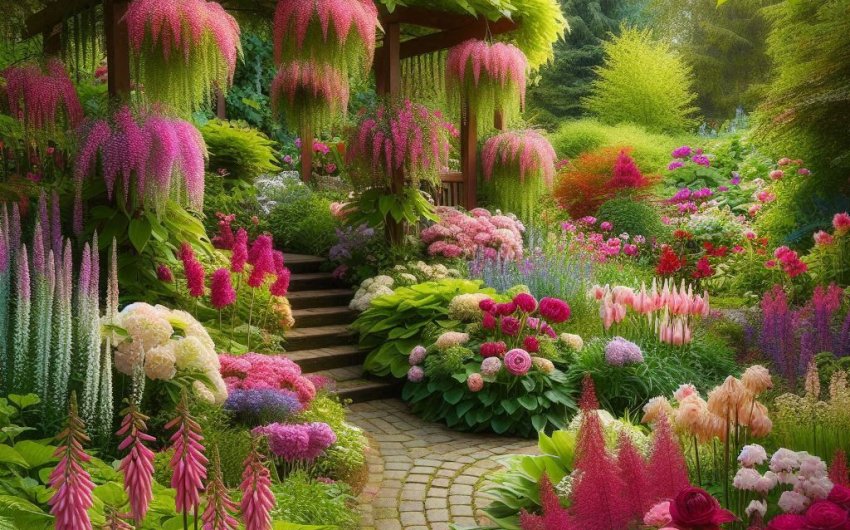
For shady gardens, the best shade-loving flowers are those that thrive with limited direct sunlight, offering vibrant blooms and lush foliage to illuminate dark corners. These plants transform challenging shaded areas into captivating landscapes with varied textures and colors.
What Defines a Shady Garden?
Before diving into the best shade-loving flowers, it's crucial to understand what "shady" actually means in gardening terms. A shady garden isn't a one-size-fits-all definition; the amount and quality of shade can vary significantly, influencing which plants will thrive.
Types of Shade:
- Full Shade:
- Definition: Less than 3 hours of direct sunlight per day, or dappled light all day. Often found on the north side of a building, under dense tree canopies, or in narrow alleyways.
- Characteristics: These areas can be quite dark and often remain cool and moist.
- Planting: Only the most tolerant shade-loving flowers and foliage plants will survive here.
- Partial Shade (Part Shade / Part Sun):
- Definition: 3-6 hours of direct sunlight per day, typically morning sun (which is less intense) or dappled sun throughout the day.
- Characteristics: A very common type of shade. Provides enough light for a wider variety of plants.
- Planting: Many shade-loving flowers thrive here, as do some plants typically considered "full sun" that benefit from afternoon protection in hot climates.
- Dappled Shade:
- Definition: Sunlight filters through tree leaves all day, creating shifting patterns of sun and shadow. It's like being under a canopy of deciduous trees.
- Characteristics: Mimics a forest floor. Often warmer than full shade, but still protected from harsh direct sun.
- Planting: Ideal for many best shade-loving flowers, as it provides gentle, consistent light without intensity.
- Deep Shade:
- Definition: Less than 1-2 hours of direct sunlight, often with very limited indirect light. Think under dense evergreens or between closely built houses.
- Characteristics: Very challenging for most plants, even some "shade-lovers" will struggle. Often dry due to tree root competition.
- Planting: Focus on highly tolerant foliage plants, moss, or possibly very hardy groundcovers. Flowering is often minimal.
Characteristics of Shady Gardens:
- Cooler Temperatures: Areas in shade often remain cooler than sunny spots, which can be beneficial in hot climates.
- Higher Soil Moisture (Potentially): Less direct sun means less evaporation, so soil may stay moist longer. However, under dense trees, competitive roots can make the soil very dry.
- Reduced Evaporation: Less water loss from plants and soil surfaces.
- Unique Aesthetic: Shady gardens often evoke a sense of calm, tranquility, and lushness, relying on varied leaf textures and subtle color palettes, often highlighted by bright blooms.
Understanding the specific type of shade in your garden is the first and most critical step in successfully choosing the best shade-loving flowers that will truly thrive rather than just survive.
Why Do Some Flowers Prefer Shade?
It might seem counterintuitive that plants would prefer less sunlight, but for shade-loving flowers, it's all about adaptation. These plants have evolved unique strategies to thrive in environments where light is a precious commodity, making them the best shade-loving flowers for your darker garden spots.
1. Preventing Sun Scorch:
- Delicate Leaves: Many shade plants have thinner, more delicate leaves compared to sun-lovers. These leaves are designed to capture every available photon of light. However, they lack the thick cuticles, waxy coatings, or dense hairs that protect sun-loving plants from intense UV radiation and heat.
- Chlorophyll Damage: Direct, intense sunlight can overwhelm the photosynthetic machinery (chlorophyll) in their leaves, leading to damage, bleaching, browning, and scorching. This is why you'll see hostas or impatiens "burn" in full sun.
2. Managing Water Loss (Transpiration):
- Reduced Evaporation: In shady conditions, air temperatures are generally cooler, and humidity is often higher. This means plants lose less water through transpiration (evaporation from leaves).
- Sensitive Stomata: Shade plants' stomata (the pores on leaves that regulate gas exchange and water loss) are highly sensitive to strong light and dry air. If forced into bright, dry conditions, they may close up excessively to conserve water, which also limits CO₂ intake, hindering growth.
- Thrives in Consistent Moisture: Many shade plants also prefer consistently moist soil. In full sun, soil dries out too quickly, stressing their roots.
3. Optimized Photosynthesis in Low Light:
- Efficient Light Capture: Shade plants are remarkably efficient at converting low levels of light into energy. Their chlorophyll is optimized to capture diffused light.
- Different Chlorophyll Structure: They often have a higher concentration of chlorophyll b (a form of chlorophyll that absorbs more blue-green light) compared to chlorophyll a, allowing them to utilize the specific wavelengths of light available in filtered environments.
- Larger Leaf Surface Area: Many shade-lovers develop larger, broader leaves to maximize the surface area for light absorption.
4. Competitive Advantage:
- Niche Filling: In natural environments like forest floors, shade is the dominant condition. Plants that evolved to thrive in these low-light conditions found their competitive niche, allowing them to flourish where sun-lovers could not.
- Nutrient Cycling: Many also thrive in the rich, organic matter of forest soils, which are naturally cooler and moister due to leaf litter.
By understanding these adaptations, you can appreciate why placing the best shade-loving flowers in their preferred environment is not just about making them "survive," but about enabling them to truly flourish and display their full beauty in your shady garden.
What are the Best Perennial Shade-Loving Flowers?
Perennial shade-loving flowers are the backbone of a vibrant shady garden, offering consistent beauty year after year with minimal effort once established. They provide long-term color and texture to those challenging low-light areas.
1. Hosta (Hosta spp.)
- Why it's Great: While primarily a foliage plant, many hosta varieties produce lovely lavender or white flower spikes in summer that attract hummingbirds. Their incredible diversity in leaf size, shape, and color (blue, green, yellow, variegated) makes them essential for adding texture and visual interest to shady spots.
- Light Needs: Partial to full shade. Blue varieties need more shade to retain their color; yellow and variegated types can tolerate more sun.
- Ideal For: Borders, mass plantings, containers, groundcover.
- Considerations: Susceptible to slugs and snails. Deer love them. Hosta Plants for Shade
2. Astilbe (Astilbe spp.)
- Why it's Great: Known for their feathery, plume-like flowers in shades of pink, red, purple, and white, brightening up shady areas in summer. Their fern-like foliage is also attractive.
- Light Needs: Partial to full shade. Some varieties tolerate more sun if soil stays consistently moist.
- Ideal For: Woodland gardens, moist borders, mass plantings.
- Considerations: Prefers consistently moist, rich soil. Can go dormant in hot, dry conditions. Astilbe Perennial Plants
3. Bleeding Heart (Dicentra spectabilis)
- Why it's Great: Beloved for its unique, heart-shaped pink or white flowers that dangle gracefully from arching stems in spring. Classic cottage garden plant.
- Light Needs: Partial to full shade.
- Ideal For: Woodland gardens, shady borders.
- Considerations: Foliage often dies back in summer heat, especially after flowering. Native alternatives like Fringed Bleeding Heart (Dicentra eximia) have longer bloom times.
4. Columbine (Aquilegia spp.)
- Why it's Great: Delicate, intricate flowers in a wide array of colors appear in late spring to early summer. They self-seed readily and attract hummingbirds.
- Light Needs: Partial shade. Can tolerate full sun in cooler climates.
- Ideal For: Woodland edges, cottage gardens, naturalized areas.
- Considerations: Relatively short-lived perennial, but self-seeds reliably. Columbine Flower Seeds
5. Foamflower (Tiarella cordifolia)
- Why it's Great: A beautiful native groundcover with delicate, frothy white to pale pink flower spikes in spring. Attractive foliage is often evergreen or semi-evergreen with lovely patterns.
- Light Needs: Partial to full shade.
- Ideal For: Groundcover, woodland gardens, shady borders.
- Considerations: Prefers consistently moist, well-drained, organic-rich soil.
6. Foxglove (Digitalis purpurea)
- Why it's Great: Tall, stately spires of bell-shaped flowers in various colors (purple, pink, white, yellow) add dramatic vertical interest to shady borders in early summer. Attracts hummingbirds and bees.
- Light Needs: Partial shade.
- Ideal For: Cottage gardens, woodland edges, background planting.
- Considerations: Biennial (flowers in its second year, then dies, but self-seeds readily). All parts of the plant are poisonous if ingested.
7. Brunnera (Brunnera macrophylla)
- Why it's Great: While its sprays of tiny, true-blue "forget-me-not" flowers in spring are charming, its standout feature is its bold, often variegated heart-shaped foliage, which provides long-season interest in shade.
- Light Needs: Partial to full shade.
- Ideal For: Borders, woodland gardens, groundcover.
- Considerations: Prefers moist, well-drained soil. Brunnera Plants
These perennial shade-loving flowers provide reliable beauty and texture, making them the cornerstone of any thriving shady garden.
What are the Best Annual Shade-Loving Flowers?
While perennials form the foundation, annual shade-loving flowers are essential for filling in gaps, providing continuous color, and adding vibrant pops of brightness to your shady garden throughout the season. They're particularly useful for containers and for experimenting with new color schemes each year.
1. Impatiens (Impatiens walleriana)
- Why it's Great: Traditionally the undisputed king of shade annuals, offering an unparalleled burst of color in almost every shade imaginable. They are prolific bloomers from spring until frost.
- Light Needs: Partial to full shade.
- Ideal For: Mass plantings, borders, containers, hanging baskets.
- Considerations: Highly susceptible to downy mildew disease, which decimated populations in recent years. If planting, look for mildew-resistant varieties (e.g., Impatiens 'Beacon' series). Impatiens Seeds Mildew Resistant
2. New Guinea Impatiens (Impatiens hawkeri)
- Why it's Great: A popular alternative to traditional impatiens, especially if downy mildew is a concern. They boast larger flowers and often more vibrant, variegated foliage.
- Light Needs: Partial shade. They can tolerate more sun than I. walleriana but still need protection from harsh afternoon sun.
- Ideal For: Containers, borders, mass plantings.
- Considerations: Generally not affected by downy mildew, but still prefers consistent moisture.
3. Begonias (Begonia spp.)
- Why it's Great: A versatile group offering both stunning flowers and attractive foliage.
- Wax Begonias (Begonia semperflorens): Prolific small flowers (pink, red, white) and glossy foliage. Very tough and reliable.
- Tuberous Begonias (Begonia tuberhybrida): Large, showy flowers in a wide range of colors, often resembling roses or camellias. Excellent for containers and hanging baskets.
- Rex Begonias (Begonia rex-cultorum): Grown more for their incredibly variegated and colorful foliage than their flowers.
- Light Needs: Partial to full shade. Tuberous and Rex Begonias prefer deeper shade. Wax Begonias tolerate more sun.
- Ideal For: Containers, hanging baskets, borders. Wax Begonia Seeds
4. Coleus (Plectranthus scutellarioides)
- Why it's Great: While technically a foliage plant, its incredible diversity of leaf colors, patterns, and textures (from vibrant reds and purples to lime greens and dark burgundies) makes it as visually impactful as any flower. Its flowers are insignificant and often pinched off.
- Light Needs: Partial to full shade. Some newer varieties are bred for sun tolerance, but most classic types retain their best color in shade.
- Ideal For: Containers, borders, mass plantings.
- Considerations: Pinch back flower stalks to encourage bushier growth and prevent legginess. Coleus Plant Seeds
5. Fuchsia (Fuchsia hybrida)
- Why it's Great: Known for their striking, pendulous, two-toned flowers that resemble dancing ballerinas. Attracts hummingbirds. Excellent for hanging baskets.
- Light Needs: Partial shade. Needs protection from hot afternoon sun.
- Ideal For: Hanging baskets, containers, shady patios.
- Considerations: Prefers consistently moist soil and high humidity. Can be brought indoors as a houseplant over winter in some climates.
6. Lobelia (Lobelia erinus)
- Why it's Great: Creates a beautiful cascading carpet of tiny blue, purple, white, or pink flowers. Perfect for edging, containers, or spilling over hanging baskets.
- Light Needs: Partial shade, especially in hot climates. Can tolerate more sun in cooler areas if kept moist.
- Ideal For: Edging, containers, hanging baskets.
- Considerations: Can decline in extreme summer heat but may rebound in cooler fall temperatures.
These annual shade-loving flowers offer a wealth of options for adding continuous, vibrant color to your shady garden throughout the growing season, acting as dynamic complements to your perennial plantings.
What are the Best Foliage Plants for Shady Gardens?
While shade-loving flowers bring pops of color, it's often the foliage plants that provide the enduring structure, texture, and long-season interest in a shady garden. Their diverse leaf shapes, sizes, and colors can create a stunning tapestry that rivals any floral display.
1. Hosta (Hosta spp.)
- Why it's Great: The undisputed queen of shade foliage. Available in an astonishing array of sizes (from tiny to gigantic), leaf colors (blues, greens, yellows, golds, variegated, streaked), and textures (smooth, corrugated, rippled). Their form provides a solid foundation for shady borders.
- Light Needs: Partial to full shade. Blue hostas need more shade to maintain their true blue color. Variegated and yellow varieties often show best color with some morning sun.
- Ideal For: Mass plantings, borders, groundcover, containers.
- Considerations: Susceptible to slugs and snails. Deer love them. Hosta Plants for Shade
2. Ferns (Various Species)
- Why it's Great: Ferns bring an unmatched elegance and fine texture to shady spots. Their delicate, often intricate fronds provide a lush, woodland feel. Many are native to shady, moist environments.
- Popular Varieties for Shade:
- Japanese Painted Fern (Athyrium niponicum 'Pictum'): Stunning silvery-green fronds with reddish-purple veins.
- Lady Fern (Athyrium filix-femina): Lacy, upright fronds, very adaptable.
- Autumn Fern (Dryopteris erythrosora): New fronds emerge coppery-red, maturing to dark green. Semi-evergreen.
- Maidenhair Fern (Adiantum pedatum): Delicate, airy fronds on black stems. Needs high humidity.
- Light Needs: Partial to full shade.
- Ideal For: Woodland gardens, moist borders, containers. Shade Loving Ferns for Garden
3. Heuchera (Coral Bells) (Heuchera spp.)
- Why it's Great: While they produce delicate flower spikes, Heucheras are primarily grown for their incredible range of foliage colors: lime green, amber, peach, deep purple, nearly black, silver, and various variegations. Their mounding habit is excellent for front-of-border or containers.
- Light Needs: Partial shade. Some varieties tolerate more sun with adequate moisture. Deeper colored varieties often need some sun to develop their best color.
- Ideal For: Edging, borders, containers.
- Considerations: Can heave out of the ground in winter; ensure good drainage and stable temperatures. Heuchera Plants
4. Coleus (Plectranthus scutellarioides)
- Why it's Great: (Already mentioned as an annual "flower" due to its visual impact, but truly a foliage star). Its vibrant, often multi-colored leaves provide continuous color from spring until frost.
- Light Needs: Partial to full shade (classic varieties). Newer cultivars are bred for sun.
- Ideal For: Containers, borders, mass plantings.
- Considerations: Treat as an annual in most climates. Pinch flowers for bushier growth.
5. Lamium (Lamium maculatum)
- Why it's Great: A vigorous groundcover with attractive silver-variegated or silvery-green leaves. Produces small purple, pink, or white flowers. Excellent for brightening dark corners.
- Light Needs: Partial to full shade.
- Ideal For: Groundcover, under trees, borders.
- Considerations: Can spread vigorously; choose non-invasive varieties or manage spread.
6. Liriope (Liriope muscari) / Mondo Grass (Ophiopogon japonicus)
- Why it's Great: Grass-like evergreen plants that provide fine texture and act as excellent groundcovers or edgers. Liriope produces purple or white flower spikes.
- Light Needs: Partial to full shade. Very adaptable.
- Ideal For: Edging, groundcover, mass plantings, controlling erosion on slopes.
- Considerations: Very low maintenance. Liriope can spread aggressively in some conditions; use clumping varieties if concern.
Incorporating these foliage plants alongside the best shade-loving flowers will create a dynamic, textural, and visually rich shady garden that offers interest throughout the entire growing season.
How Do You Prepare the Soil for a Shady Garden?
Proper soil preparation is a crucial, yet often overlooked, step for successfully growing the best shade-loving flowers and foliage plants in your shady garden. The unique conditions of shaded areas demand specific soil characteristics.
Why Soil Preparation is Key in Shade:
- Moisture Management: While shade reduces evaporation, soil in shady spots can still be either too wet (due to poor drainage or constant dampness) or too dry (due to competition from tree roots). Proper soil amendment helps regulate moisture.
- Nutrient Availability: Shade plants thrive on consistent nutrient supply, often from decaying organic matter mimicking a forest floor.
- Root Competition: Under large trees, existing tree roots can aggressively compete with your garden plants for water and nutrients, leading to poor growth.
- Aeration: Heavy, compacted soil will deprive plant roots of oxygen, which is essential for healthy growth, even in shade.
Steps for Preparing Soil in a Shady Garden:
Assess Existing Soil:
- Texture: Is it heavy clay, loose sand, or something in between?
- Drainage: Dig a small test hole (about 12 inches deep) and fill it with water. If it drains within 1-2 hours, drainage is good. If it takes much longer, drainage is poor.
- Compaction: Is the soil hard and difficult to dig?
- Root Presence: If under trees, how many tree roots are present?
Address Drainage Issues (if necessary):
- Poor Drainage: If you have heavy clay and poor drainage (waterlogging), you'll need to significantly amend the soil. Consider:
- Raised Beds: The easiest solution for very poor drainage, allowing you to bring in new, well-draining soil.
- Adding Organic Matter: Incorporate large quantities of compost, pine bark fines, or aged manure into the top 12-18 inches (30-45 cm) of soil. These break up clay and improve aeration.
- No Drainage Improvement: Without addressing poor drainage, even the best shade-loving flowers will struggle with root rot.
- Poor Drainage: If you have heavy clay and poor drainage (waterlogging), you'll need to significantly amend the soil. Consider:
Incorporate Abundant Organic Matter:
- The Single Most Important Amendment: For almost all shady garden situations, adding plenty of organic matter is vital. It's the equivalent of mimicking a forest floor.
- Benefits:
- Improves drainage in clay soils.
- Increases water retention in sandy soils.
- Provides a slow, steady supply of nutrients.
- Enhances aeration.
- Feeds beneficial soil microbes.
- Sources:
- Compost: Well-rotted compost is ideal. Work 4-6 inches (10-15 cm) into the top 12-18 inches of soil. Organic Compost for Garden
- Aged Manure: Adds nutrients and organic matter.
- Leaf Mold: Decomposed leaves, excellent for woodland plants.
- Pine Bark Fines: Good for acidic-loving shade plants.
Manage Tree Root Competition:
- Build Up: If planting under mature trees, it's often better to build up the soil level by adding a layer of good quality topsoil mixed with compost, rather than trying to dig extensively into the tree's root zone. Avoid piling soil directly against the tree trunk, which can cause rot.
- Choose Tolerant Plants: Select shade-loving flowers and plants that are known to tolerate dry shade and root competition (e.g., Hostas, Epimedium, Dryopteris ferns, Mondo Grass).
- Watering Strategy: Expect to water more frequently if tree roots are present, as they will take up a lot of moisture.
pH Adjustment (if needed):
- Test: A soil test can determine your soil's pH. Most shade plants prefer slightly acidic to neutral soil (pH 5.5-7.0).
- Adjustments: If pH is too high, add elemental sulfur or use acidic organic matter like pine bark fines or peat moss. If too low, add lime.
By meticulously preparing the soil, focusing heavily on organic matter and good drainage, you provide the optimal foundation for your shady garden to flourish with the best shade-loving flowers.
How Do You Water and Fertilize Shade Plants?
Proper watering and fertilizing techniques are essential for maintaining the health and vibrancy of your best shade-loving flowers in a shady garden. Their needs differ from sun-loving plants due to the unique conditions of low light and often cooler temperatures.
Watering: The Delicate Balance
While shady gardens generally experience less evaporation, the soil can still become either too wet (leading to rot) or too dry (due to tree root competition).
- Monitor Soil Moisture:
- Feel Test: The most reliable method. Stick your finger 2-3 inches (5-7.5 cm) into the soil. Water only when the soil feels dry at that depth.
- Avoid Schedules: Don't water on a fixed schedule. Conditions change with weather, plant growth, and season.
- Moisture Meter: A moisture meter can provide a helpful objective reading. Garden Moisture Meter
- Water Deeply and Infrequently:
- When you do water, water thoroughly until the soil is saturated to a depth of at least 6-8 inches (15-20 cm). This encourages roots to grow deeper, making the plant more drought-tolerant.
- Allow the top layer of soil to dry out between waterings. This prevents waterlogging and provides roots with oxygen.
- Address Root Competition: If planting under large trees, be aware that tree roots will aggressively absorb water. You may need to water more frequently and deeply in these areas. Consider installing a drip irrigation system for consistent delivery. Drip Irrigation Kit for Shade Garden
- Container Plants: Plants in pots dry out much faster than those in the ground, even in shade. Check container plants daily, especially during warm weather. Ensure pots have drainage holes.
- Water in the Morning: Watering in the morning allows foliage to dry before nightfall, reducing the risk of fungal diseases.
Fertilizing: Less is Often More
Shade plants generally have lower nutritional demands compared to sun-loving, heavy-feeding vegetables or flowering annuals. Their metabolism is slower in lower light.
- Prioritize Organic Matter:
- The best fertilizer for shade plants is compost and other organic matter. Incorporating generous amounts of compost (1-2 inches / 2.5-5 cm) into the soil annually (in spring or fall) provides a slow, steady release of nutrients and improves soil health.
- This mimics the nutrient cycling of a forest floor. Organic Compost for Garden
- Use Balanced, Slow-Release Fertilizers (if needed):
- If your plants show signs of nutrient deficiency (e.g., pale leaves, stunted growth despite good light and water), you can use a balanced, all-purpose granular fertilizer.
- Choose an organic or slow-release formulation to prevent burning and provide a steady food supply.
- Dilute Liquid Fertilizers: If using a liquid fertilizer, dilute it to half or quarter strength.
- Timing:
- Fertilize primarily in early spring as new growth emerges.
- A light reapplication in mid-summer might be beneficial for heavy bloomers or vigorous foliage plants.
- Avoid fertilizing in late summer, fall, or winter, as this encourages tender new growth that can be damaged by frost.
- No Over-Fertilizing: Over-fertilizing can damage roots (fertilizer burn) and lead to lush, weak growth susceptible to pests and diseases.
By following these tailored watering and fertilizing guidelines, you can ensure your best shade-loving flowers receive the right amount of moisture and nutrients to flourish in your shady garden.