
How to Grow Lemongrass Indoors: A Beginner’s Guide
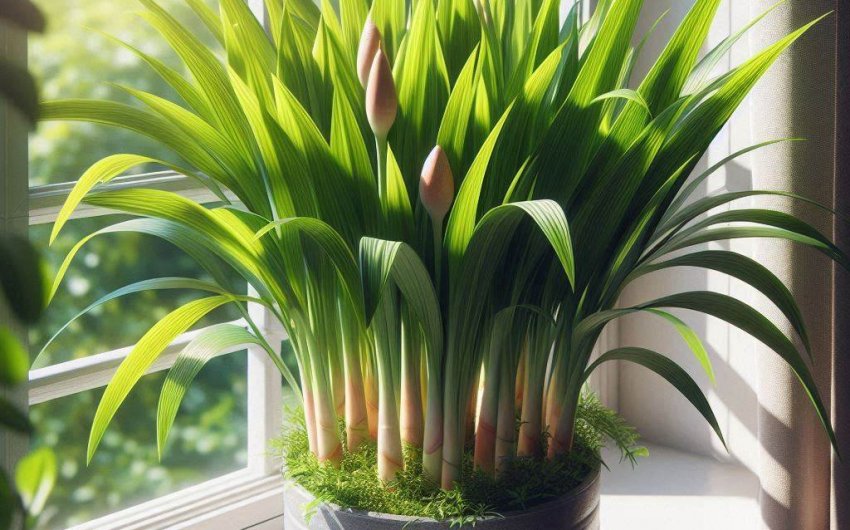
Growing lemongrass indoors is surprisingly straightforward, allowing you to enjoy this aromatic herb year-round, even in cooler climates. The easiest method involves rooting fresh stalks from a grocery store in water and then transplanting them into a pot with well-draining soil.
Why Grow Lemongrass Indoors?
Lemongrass (Cymbopogon citratus) is a versatile herb widely used in Asian cuisine for its distinct lemony, grassy flavor. While it thrives outdoors in warm, humid climates (USDA Zones 9-11), most gardeners in temperate regions face the challenge of cold winters. Growing lemongrass indoors offers a practical solution, allowing you to have fresh leaves and stalks readily available for cooking, tea, or even as a natural air freshener. It’s also an attractive, architectural plant that adds a touch of the tropics to your home.
Benefits of Indoor Lemongrass Cultivation
- Year-Round Harvest: Unlike outdoor plants that go dormant or die back in winter, an indoor lemongrass plant can provide fresh leaves whenever you need them.
- Pest Deterrent: The strong citrusy scent of lemongrass is a natural deterrent to some common household pests, including mosquitoes.
- Easy Propagation: You can start new plants easily from stalks bought at the grocery store, making it a very cost-effective herb to grow.
- Aromatic Ambiance: The plant's refreshing fragrance can subtly scent your indoor space.
- Culinary Freshness: Nothing beats the flavor of fresh herbs harvested directly from your own plant.
What Do I Need to Start Growing Lemongrass Indoors?
Before you begin, gather a few essential items. Most are inexpensive and readily available. The key is to mimic the warm, moist conditions that lemongrass loves in its native tropical habitat.
Essential Supplies
- Fresh Lemongrass Stalks: This is your starting material. Look for stalks at your local grocery store (often in the produce section, especially in Asian markets). Choose stalks that are:
- Firm and Plump: Avoid any that are soft, shriveled, or moldy.
- Green on Top: The leafy part should still be green, not dried out.
- Have a Bulbous Base: The fatter the base, the better, as this is where roots will emerge. Avoid stalks that have been trimmed too short at the bottom.
- Glass Jar or Container: Any clear glass jar or container (like a Mason jar or even a drinking glass) will work for rooting the stalks in water.
- Pot with Drainage Holes: Once roots form, you'll need a pot. Lemongrass can grow quite large, even indoors.
- Size: Start with a 6-8 inch diameter pot for one or two stalks. As the plant grows, you'll need to move it to a larger pot, eventually aiming for a 10-12 inch pot or larger for a mature plant.
- Material: Terra cotta pots are good for drainage, but plastic or glazed ceramic can also work. The most important thing is drainage holes.
- Well-Draining Potting Mix: Regular garden soil is too heavy for container growing and can lead to root rot.
- Choose a high-quality, well-draining potting mix or a blend formulated for herbs or vegetables.
- You can improve drainage further by mixing in a handful of perlite or coarse sand.
- Water: Tap water is usually fine, but if your tap water is heavily chlorinated, let it sit out for 24 hours to allow the chlorine to dissipate.
- Sunny Location: A south-facing window is ideal. Lemongrass needs plenty of light.
How Do I Root Lemongrass Stalks in Water?
This is the easiest and most common way to start a new lemongrass plant indoors. It's often successful even for beginners.
Step-by-Step Water Propagation
- Prepare the Stalks:
- Trim off any dried-out or damaged leafy tops from the stalks, leaving about 6-8 inches of the stalk intact. You'll mainly use the bottom, white part.
- Peel off any loose, dry outer layers from the bottom of the stalk, similar to peeling an onion. This exposes the core and encourages rooting.
- Place in Water:
- Fill your glass jar or container with about 1-2 inches of clean water.
- Place the prepared lemongrass stalks into the water, ensuring the bottom 1-2 inches of the base are submerged.
- You can put several stalks in one jar, but don't overcrowd them.
- Find a Warm, Sunny Spot:
- Place the jar in a warm location that receives bright, indirect sunlight. A windowsill is perfect. Direct, intense sunlight might be too strong for the initial rooting phase.
- Change Water Regularly:
- Change the water every 1-2 days to prevent mold and provide fresh oxygen to the developing roots. This is a crucial step!
- Observe Root and Leaf Growth:
- Within 1-3 weeks, you should start to see small white roots emerging from the base of the stalks.
- New green shoots will also begin to grow from the top.
- Wait until the roots are at least 1-2 inches long before transplanting. This indicates the plant has a strong enough root system to survive in soil.
Troubleshooting Water Propagation
- No Roots: If after a few weeks you see no roots, the stalks might have been too old or damaged. Try again with fresh stalks. Ensure the water is changed frequently.
- Rotting Stalks: If the bottom of the stalk becomes mushy or smells bad, it's rotting. Discard it and try a new one. This is often due to infrequent water changes or damaged stalks.
How Do I Plant Rooted Lemongrass in Soil?
Once your lemongrass stalks have developed a healthy root system, it's time to transition them to soil. This step requires careful handling to avoid damaging the new roots.
Step-by-Step Planting Process
- Prepare the Pot:
- Choose a pot that is at least 6-8 inches in diameter for one or two rooted stalks. Make sure it has drainage holes!
- Add a layer of your well-draining potting mix to the bottom of the pot.
- Position the Stalks:
- Gently remove the rooted lemongrass stalks from the water.
- Create a small indentation in the center of the soil.
- Carefully place the rooted stalk (or stalks) into the pot. If planting multiple, space them a few inches apart. The goal is to bury the root system and the very bottom part of the stalk that was in water.
- Add Soil:
- Backfill the pot with potting mix, gently firming it around the base of the stalks. Don't pack it too tightly, as this can impede drainage.
- The base of the plant should be at roughly the same level as it was in the water, with the new roots fully covered.
- Water Thoroughly:
- Water the plant immediately and thoroughly until water drains from the bottom of the pot. This helps settle the soil around the roots.
- Initial Placement:
- Place the newly potted lemongrass in a location that receives bright, indirect light for the first few days. This helps it acclimate to the soil environment without immediate intense sun stress. After a few days, move it to its permanent sunny spot.
Troubleshooting Post-Planting
- Wilting: A little wilting after transplanting is normal (transplant shock). Ensure it's getting enough light but not scorching sun, and keep the soil consistently moist but not soggy.
- Yellowing Leaves: This could indicate overwatering (too much moisture, suffocating roots) or underwatering. Check soil moisture. It could also be transplant shock or a nutrient deficiency later on.
What Are the Best Growing Conditions for Indoor Lemongrass?
Once planted, providing the right environmental conditions will ensure your indoor lemongrass plant thrives and provides a continuous harvest.
Light
Lemongrass is a sun-loving plant.
- Requirement: It needs at least 6-8 hours of direct sunlight per day to grow well.
- Ideal Location: A south-facing window is typically best. East or west-facing windows might work, but you may notice slower growth or less vigor.
- Supplemental Lighting: If natural light is insufficient, especially in winter or if you don't have a very sunny window, consider using a Full Spectrum LED Grow Light for 10-12 hours a day.
Water
Lemongrass loves consistent moisture, but it hates soggy feet. This balance is key.
- Frequency: Water when the top 1-2 inches of soil feel dry to the touch. During warm months, this might be every few days. In winter, it will be much less frequent.
- Method: Water thoroughly until water drains from the bottom of the pot. Do not let the pot sit in standing water.
- Humidity: While not strictly necessary, lemongrass appreciates high humidity. You can mist the leaves occasionally or place the pot on a pebble tray filled with water (ensure the pot is on the pebbles, not directly in the water).
Temperature and Humidity
- Temperature: Lemongrass thrives in warm temperatures, ideally between 65-80°F (18-27°C). Avoid placing it near cold drafts or in rooms that get consistently chilly.
- Humidity: As a tropical plant, lemongrass prefers high humidity. Average household humidity is often acceptable, but increased humidity will benefit the plant.
Fertilizing
Lemongrass is a relatively heavy feeder.
- Frequency: Fertilize every 2-4 weeks during its active growing season (spring and summer). Reduce or stop fertilizing in fall and winter when growth slows.
- Type: Use a balanced liquid houseplant fertilizer diluted to half strength, or an organic fertilizer like fish emulsion. A Schultz Liquid Plant Food works well.
How Do I Harvest and Maintain My Indoor Lemongrass?
Regular harvesting not only provides you with fresh culinary ingredients but also encourages the plant to produce more stalks and leaves, making it bushier.
Harvesting Lemongrass
- When to Harvest: You can start harvesting stalks when they are at least 1/2 inch thick at the base. Leaves can be harvested at any time.
- How to Harvest Stalks:
- Use a sharp knife or pruning shears.
- Cut the desired stalk(s) at the soil line. Aim for the outermost stalks, leaving the inner ones to continue growing.
- Alternatively, for a smaller amount, you can simply pull an outer stalk firmly from the base.
- Harvesting Leaves: For tea or finely chopped dishes, simply snip off a few outer leaves with scissors.
Pruning and Maintenance
- Removing Dead Leaves: Trim off any yellowing or dried-out outer leaves at the base. This keeps the plant tidy and directs energy to new growth.
- Dividing the Plant: After a year or two, your lemongrass plant might become root-bound in its pot, indicated by slower growth or less vigor. You can divide the plant into smaller sections and repot them into fresh soil. This rejuvenates the plant and gives you more plants! Do this during the active growing season (spring).
- Repotting: As your plant grows, it will need larger pots. Repot when roots start to emerge from the drainage holes or the plant looks top-heavy. Gradually increase pot size.
Pest and Disease Control
Lemongrass is generally resistant to most pests, thanks to its strong aroma.
- Common Pests: Occasionally, you might encounter spider mites or aphids, especially if the plant is stressed or humidity is low.
- Treatment: If you spot pests, gently wipe them off with a damp cloth or cotton swab dipped in rubbing alcohol. For more persistent issues, use an organic insecticidal soap. A Garden Safe Insecticidal Soap is a good choice.
- Disease: Root rot is the primary disease concern, caused by overwatering or poor drainage. Ensure your pot has drainage holes and follow the "water when the top 1-2 inches are dry" rule.
Can I Move My Indoor Lemongrass Outdoors for Summer?
Yes, absolutely! If you live in a climate with warm summers, moving your indoor lemongrass plant outdoors for the warmer months can give it a tremendous boost in growth and vigor.
Hardening Off
- Gradual Acclimation: Don't just move your plant from indoors to full sun immediately. This can cause severe leaf scorch. Instead, harden it off over 1-2 weeks.
- Day 1-3: Place the plant in a shady, sheltered outdoor spot for a few hours each day.
- Day 4-7: Move it to a spot with morning sun and afternoon shade.
- Day 8-14: Gradually increase its exposure to direct sunlight.
- Permanent Spot: After hardening off, place it in a sunny spot outdoors.
Outdoor Care During Summer
- Sunlight: Full sun (6-8+ hours) is ideal.
- Watering: Outdoor plants, especially in containers, will dry out much faster than indoors. Check daily and water thoroughly when the top few inches of soil are dry.
- Fertilizing: Continue regular feeding as it will be actively growing.
- Pest Watch: Keep an eye out for new outdoor pests.
Bringing Lemongrass Indoors for Winter
- Timing: Before the first frost warning in your area, usually in late fall when night temperatures consistently drop below 50°F (10°C).
- Inspection: Thoroughly inspect your plant for any pests. Treat any infestations before bringing it indoors to avoid introducing pests to your other houseplants.
- Acclimation: You can reverse the hardening-off process by placing it in a shadier spot for a few days before bringing it fully indoors.
- Winter Care: Once indoors, expect growth to slow down significantly. Reduce watering frequency and stop fertilizing until spring. Provide the brightest possible light.
Growing lemongrass indoors is a rewarding experience for any home gardener or culinary enthusiast. With proper care and attention to its light, water, and soil needs, your thriving plant will provide a continuous supply of fresh, aromatic stalks and leaves for your kitchen and home.