
How to Set Up a Year-Round Vegetable Garden?
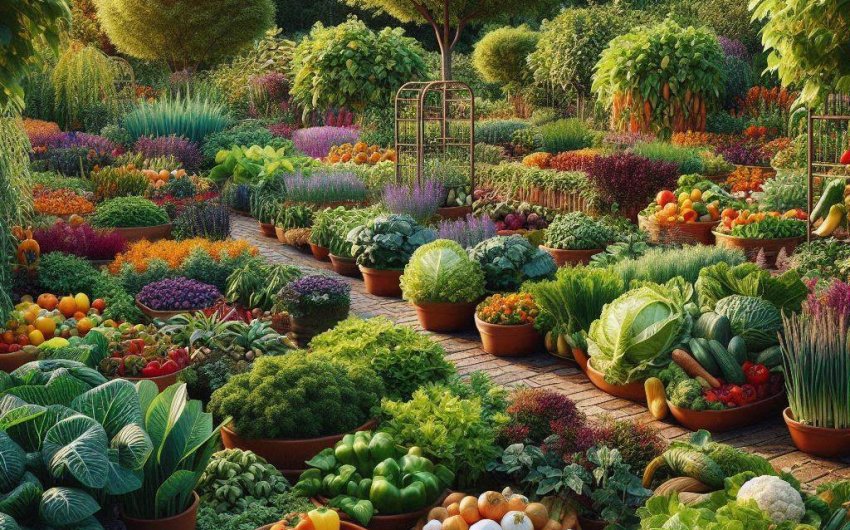
To set up a year-round vegetable garden, you must blend smart crop selection, succession planting, and season extension techniques to provide continuous harvests regardless of outdoor temperatures. This approach allows you to defy seasonal limitations and enjoy fresh produce all year long.
What Does a Year-Round Vegetable Garden Entail?
A year-round vegetable garden isn't simply about planting once and harvesting forever; it's a dynamic system that embraces strategic planning and adaptation to ensure continuous harvests through all four seasons. It means defying traditional growing limitations by understanding how to manage varying temperatures, light levels, and plant needs throughout the year.
Core Principles:
- Succession Planting: This involves staggering plantings of the same crop or planting different crops in the same space consecutively throughout the growing year. As one crop finishes, another is ready to be planted in its place.
- Season Extension: Utilizing various structures and techniques to protect plants from cold, extend the warm growing period, or even create warmer microclimates during winter.
- Crop Selection: Choosing the right vegetables that are suited to grow in specific seasonal conditions (e.g., cold-hardy greens for winter, heat-tolerant varieties for summer).
- Soil Health: Maintaining rich, fertile, and active soil year-round is paramount, as healthy soil supports continuous plant production.
Beyond a Single Season:
- Spring: Focus on early cool-season crops (lettuce, spinach, radishes, peas) and preparing beds for summer.
- Summer: Peak production of warm-season vegetables (tomatoes, peppers, squash, beans) but also critical for starting seeds for fall/winter harvests.
- Fall: Planting a second round of cool-season crops as summer plants fade, and setting up protection for the coming cold.
- Winter: Relying on cold-hardy crops and protected growing environments to provide fresh greens and root vegetables even in freezing temperatures.
Key Benefits:
- Consistent Fresh Produce: Enjoy a steady supply of homegrown vegetables, reducing grocery bills and food waste.
- Healthier Eating: Freshly harvested produce retains more nutrients and flavor.
- Reduced Food Miles: Minimizes the environmental impact associated with transporting food.
- Connection to Nature: A deeply rewarding hobby that keeps you engaged with the cycles of nature.
Setting up a year-round vegetable garden is a journey of learning and adaptation, transforming your garden into a continuous source of fresh food and a vibrant hub of activity, regardless of the calendar month.
How Do You Plan Your Year-Round Garden Layout?
Effective planning is the backbone of a successful year-round vegetable garden. Your garden layout isn't just about aesthetics; it's about maximizing space, light, and protection for continuous harvests.
1. Site Selection and Sun Exposure:
- Sunlight is Paramount: Choose the sunniest location available for your garden beds. Even winter-hardy crops need as much sun as possible during short, low-light days. Aim for at least 6-8 hours of direct sunlight daily during the active growing season.
- Observe Sun Patterns: Track how the sun moves across your yard throughout the year. Note winter sun angles, which are lower and cast longer shadows.
- Protection from Wind: Consider natural windbreaks (fences, buildings, hedges) that can offer protection from harsh winter winds, which can desiccate plants.
2. Raised Beds vs. In-Ground Beds:
- Raised Beds:
- Pros: Warm up faster in spring, drain better, easier to work, excellent for containing amended soil. Easier to build season extension structures over.
- Cons: Can dry out faster in summer, initial cost.
- Recommendation: Highly recommended for a year-round vegetable garden due to ease of season extension.
- In-Ground Beds:
- Pros: Less expensive to set up, access to native soil.
- Cons: Slower to warm up, drainage can be an issue, harder to manage soil composition.
3. Orient for Maximum Sun:
- North-South Rows (for in-ground beds): Orient long rows north-south to ensure all plants receive equitable sun exposure throughout the day.
- East-West Orientation (for season extension): For structures like cold frames or hoop houses, orient them east-west with the longest side facing south. This maximizes winter sun capture.
4. Optimize Space with Intensive Gardening:
- Square Foot Gardening: Plant in blocks instead of rows to maximize yield per square foot.
- Vertical Gardening: Use trellises, arbors, and vertical planters for climbing crops (beans, peas, cucumbers, indeterminate tomatoes) to save horizontal space.
- Succession Planting Design: Plan your garden sections knowing that as one crop finishes, another will take its place. This requires a modular approach.
5. Integrate Season Extension Structures:
- Designate Areas: Think about where you will place cold frames, cloches, or row covers. Will they fit over existing beds?
- Accessibility: Ensure your layout allows easy access to these structures for ventilation, watering, and harvesting.
- Permanent vs. Temporary: Decide if you want permanent structures like a small greenhouse or temporary ones that can be moved.
6. Water Source and Access:
- Proximity: Ensure your garden is close to a water source for easy irrigation, especially during dry spells and for consistent watering of newly planted seeds.
- Automated Systems: Consider drip irrigation or soaker hoses for efficiency and consistency, particularly for year-round vegetable garden production.
7. Crop Rotation Consideration:
- Health: Plan for crop rotation over the years (moving plant families to different beds) to prevent soil-borne diseases and nutrient depletion. While not a layout issue for a single year, keep it in mind for multi-year planning.
By meticulously planning your garden's layout, you create a foundation that supports intensive cultivation, efficient season extension, and ultimately, a thriving year-round vegetable garden.
What are the Best Crops for a Year-Round Vegetable Garden?
Selecting the right vegetables is fundamental to a successful year-round vegetable garden. You need a diverse mix of crops that can thrive in various temperatures, from the heat of summer to the chill of winter.
1. Summer (Warm Season) Crops:
These are your typical garden stars, requiring warm soil and consistent heat.
- Tomatoes: Indeterminate varieties produce until frost. Tomato Seeds
- Peppers (Bell and Hot): Long growing season, prolific.
- Cucumbers: Fast-growing, great for trellising.
- Squash (Summer and Winter): Zucchini, yellow squash, butternut, acorn.
- Beans (Bush and Pole): Pole beans offer continuous harvest.
- Corn: Requires significant space.
- Eggplant: Heat-loving, productive.
- Okra: Thrives in heat and humidity.
- Sweet Potatoes: Long growing season, excellent storage.
2. Spring/Fall (Cool Season) Crops:
These prefer cooler temperatures and can tolerate light frosts, ideal for shoulder seasons.
- Lettuce: Loose-leaf varieties are best for cut-and-come-again.
- Spinach: Quick-growing, but bolts in heat.
- Kale: Extremely hardy, improves flavor after a frost.
- Swiss Chard: Very versatile, tolerates some heat and cold.
- Radishes: Super fast, good for succession.
- Carrots: Can be grown spring, summer (with shade), and fall.
- Beets: Leaves and roots are edible.
- Broccoli: Requires consistent cool temperatures.
- Cabbage: Long season, hardy.
- Cauliflower: Similar to broccoli.
- Peas: Spring or fall planting.
- Arugula: Quick-growing, spicy green.
- Mustard Greens: Pungent, cold-tolerant.
3. Winter (Cold Hardy) Crops:
These are the heroes that can withstand freezing temperatures, especially with protection.
- Mache (Corn Salad): Exceptionally cold-hardy, delicate flavor.
- Spinach: Specific cold-hardy varieties.
- Kale: Many varieties are "winter hardy," taste sweeter after frost.
- Arugula: Can survive very cold with cover.
- Mustard Greens: Some varieties are incredibly resilient.
- Claytonia (Miner's Lettuce): Very cold-tolerant native green.
- Asian Greens (e.g., Tatsoi, Pak Choi): Some varieties are quite cold-tolerant.
- Leeks: Can be left in the ground and harvested as needed.
- Parsnips: Flavor improves with a frost.
- Winter Radishes (Daikon): Can be stored in the ground.
- Scallions/Green Onions: Can overwinter and provide early spring harvests.
4. Perennial Vegetables (Long-Term Production):
These plant once and harvest for years, providing consistent food.
- Asparagus: Long-term producer, first harvest after 2-3 years.
- Rhubarb: Spring harvests.
- Artichokes: Perennial in warmer zones.
- Jerusalem Artichokes: Prolific tubers.
- Fruiting Shrubs: Blueberries, raspberries (can be trellised), currants.
- Herbs: Chives, thyme, oregano, mint.
When planning your year-round vegetable garden, focus on succession planting for annuals and integrate hardy perennials for consistent yields across seasons. Research specific varieties for your climate zone's hardiness.
How Does Succession Planting Ensure Year-Round Harvests?
Succession planting is a core technique in setting up a year-round vegetable garden because it ensures a continuous harvest by staggering plantings rather than planting everything at once. This maximizes the productivity of your garden beds throughout the entire year.
What is Succession Planting?
Instead of having one large harvest and then empty beds, succession planting means:
- Staggered Planting: Planting small batches of the same crop every few weeks (e.g., planting lettuce every 2-3 weeks).
- Follow-Up Planting: Planting a new crop in a bed immediately after another crop has been harvested (e.g., planting fall carrots after summer beans).
- Interplanting: Planting fast-growing crops (like radishes) between slower-growing ones.
Why is it Essential for Year-Round Gardening?
- Continuous Supply: Prevents "feast or famine" cycles by providing a steady stream of fresh vegetables throughout the growing season, eliminating gluts and shortages.
- Maximizes Space: Ensures that garden beds are always productive. As soon as one plant is harvested, another is ready to take its place. This is crucial for intensive year-round vegetable garden systems.
- Spreads Out Workload: Instead of one massive planting and one huge harvest, tasks are spread out over time, making gardening more manageable.
- Mitigates Risks: If one planting fails due to pests, disease, or weather, you have subsequent plantings to fall back on.
Types of Succession Planting for a Year-Round Garden:
- Staggered Planting (Same Crop):
- How: Plant a small batch of quick-maturing crops (e.g., lettuce, radishes, spinach, bush beans) every 2-4 weeks.
- Best For: Crops you consume frequently and that mature relatively quickly.
- Example: Plant a row of radish seeds today, then another row in 2 weeks, and another in 4 weeks.
- Relay Planting (Different Crops):
- How: As soon as one crop is harvested, immediately plant a new, different crop in the same space.
- Best For: Moving from warm-season to cool-season crops, or vice-versa.
- Example: After harvesting your summer bush beans, clear the bed and immediately plant seeds for fall spinach or kale.
- Interplanting (Companion Succession):
- How: Plant fast-growing crops in the spaces between slower-growing, larger crops. The fast growers are harvested before the larger plants need the space.
- Best For: Maximizing very tight spaces.
- Example: Plant radishes or lettuce between young broccoli or cabbage plants. By the time the broccoli needs the space, the radishes are harvested.
Planning for Succession:
- Know Days to Maturity: This is crucial. Check seed packets for "days to maturity" (DTM). This tells you how long a crop takes to harvest.
- Calculate Planting Dates: Work backward from your desired harvest dates, or forward from your last/first frost dates.
- Record Keeping: Keep a garden journal to track what you planted, when, and when it was harvested. This data is invaluable for future planning.
- Seed Starting: Often requires starting seeds indoors for fall and winter crops to get a head start before outdoor temperatures drop.
- Soil Amendment: Replenish soil nutrients with compost or organic fertilizer after each harvest to support the next planting.
By mastering succession planting, you ensure that your year-round vegetable garden is a vibrant, productive hub, constantly offering fresh produce.
What Season Extension Techniques Are Most Effective?
Season extension techniques are critical tools for setting up a year-round vegetable garden, allowing you to protect plants from cold, warm the soil, and essentially create mini-climates to defy Mother Nature's seasonal boundaries.
1. Cold Frames:
- Description: A bottomless box with a transparent lid (glass or clear plastic) that is placed over a garden bed. It acts like a mini-greenhouse, trapping solar heat.
- Effectiveness: Excellent for extending the growing season into late fall, through mild winter, and for getting an early start in spring. Can provide protection for plants down to about -7°C (20°F).
- Use: Ideal for growing leafy greens, root vegetables, and herbs during colder months. Also great for hardening off seedlings.
- Considerations: Needs daily venting on sunny days to prevent overheating. Can be permanent or portable. Wooden Cold Frame
2. Row Covers (Floating and Supported):
- Description: Lightweight, permeable fabric (often spun-bonded polypropylene) placed over plants.
- Floating Row Covers: Laid directly over plants, light enough not to crush them.
- Supported Row Covers: Draped over hoops (wire, PVC) to create a mini-tunnel.
- Effectiveness:
- Lightweight: Provides 2-4°F (1-2°C) of frost protection and acts as a barrier against pests.
- Medium-Weight: Provides 4-8°F (2-4°C) of frost protection.
- Heavy-Weight: Provides up to 10°F (5°C) or more protection.
- Use: Extends spring and fall seasons, protects against early/late frosts, and acts as a physical barrier for pests. Good for greens, brassicas.
- Considerations: Needs to be anchored securely to prevent blowing away. Heavy covers may need to be removed during the day for light or pollination. Garden Fabric Row Cover
3. Cloches:
- Description: Small, individual clear covers (plastic bottles, glass jars, specialized cloches) placed over single plants.
- Effectiveness: Provides localized protection from light frosts and traps warmth around young seedlings.
- Use: Great for protecting individual plants in early spring or late fall.
- Considerations: Must be removed or vented on sunny days to prevent overheating. Garden Cloche Dome
4. Greenhouses and Hoop Houses:
- Description: Larger, more permanent structures that provide a significantly warmer and more controlled environment.
- Greenhouse: Usually rigid frames with glass or rigid plastic panels.
- Hoop House (Polytunnel): Arched frames covered with a single or double layer of greenhouse-grade polyethylene film.
- Effectiveness: Offers the most significant season extension, often allowing true winter gardening in colder climates. Can raise interior temperatures significantly above ambient.
- Use: Allows for year-round cultivation of a wider range of crops, including tender ones, or overwintering.
- Considerations: Higher initial cost. Requires ventilation on warm days. Heating may be needed in very cold climates. Small Walk-in Greenhouse
5. Raised Beds (and Thermal Mass):
- Description: Elevated garden beds.
- Effectiveness: Raised beds warm up faster in spring and dry out quicker, making them suitable for earlier planting. You can add thermal mass inside them.
- Thermal Mass: Incorporate elements like black-painted water barrels, dark rocks, or brick within the garden bed or structures. These absorb solar heat during the day and slowly release it at night, moderating temperatures.
6. Low Tunnels:
- Description: Smaller versions of hoop houses, essentially row covers draped over hoops.
- Effectiveness: Provide excellent protection for individual rows or small beds, often easier to manage than larger structures.
- Use: Ideal for protecting greens and root crops.
By intelligently combining these season extension techniques, you can dramatically increase the productivity and length of your year-round vegetable garden.
How Do You Manage Soil Health for Continuous Production?
Maintaining optimal soil health is absolutely paramount for a year-round vegetable garden. With continuous planting and harvesting, nutrients can quickly deplete, and soil structure can degrade. Healthy, living soil is the engine that drives your garden's year-round productivity.
1. Prioritize Organic Matter:
- Foundation: Organic matter is the lifeblood of healthy soil. It improves soil structure, enhances drainage and water retention (a seeming contradiction, but true!), provides slow-release nutrients, and feeds beneficial soil microbes.
- Continuous Amendment: With year-round harvesting, you're constantly removing nutrients. Therefore, you need to continually add organic matter back into the soil.
- Sources:
- Compost: The gold standard. Add a generous layer (1-2 inches or 2.5-5 cm) to your garden beds after each major harvest, or at least seasonally (spring and fall). Organic Compost for Garden
- Well-rotted Manure: Excellent nutrient source, but ensure it's fully composted to avoid burning plants or introducing weed seeds.
- Worm Castings: A nutrient-rich soil amendment. Worm Castings for Plants
- Cover Crops: (See below)
2. Embrace No-Till or Minimal-Till Practices:
- Protect Soil Structure: Excessive tilling disrupts the delicate soil structure, destroys fungal networks, and harms beneficial soil organisms.
- No-Till Approach: For a year-round vegetable garden, aim to disturb the soil as little as possible. Add amendments to the surface and let worms and microbes do the work of incorporating them.
- Benefits: Improves water infiltration, reduces erosion, and fosters a thriving soil food web.
3. Implement Cover Cropping (Seasonal):
- What are Cover Crops? Plants grown specifically to improve soil health, not for harvest. Examples include clover, hairy vetch, annual ryegrass, or oats.
- How to Use: In beds that will be fallow for a few weeks or months, sow a cover crop.
- Benefits:
- Prevent Erosion: Protects bare soil from wind and rain.
- Add Organic Matter: When turned under or "chopped and dropped," they add biomass.
- Nutrient Cycling: Leguminous cover crops (clover, vetch) "fix" atmospheric nitrogen into the soil.
- Weed Suppression: Outcompete weeds.
- Break Up Compaction: Some deep-rooted cover crops can break up compacted soil.
4. Mulch Regularly:
- Constant Coverage: Keep your soil covered with mulch (straw, shredded leaves, wood chips, grass clippings) whenever possible.
- Benefits:
- Moisture Retention: Reduces evaporation, meaning less watering.
- Weed Suppression: Cuts down on weeding significantly.
- Temperature Regulation: Insulates soil, keeping it cooler in summer and warmer in winter.
- Adds Organic Matter: Decomposing mulch slowly adds nutrients.
5. Balanced Organic Fertilization:
- Replenish Nutrients: Even with compost, fast-growing vegetables can deplete specific nutrients.
- Soil Testing: Consider a soil test every few years to identify any major nutrient deficiencies.
- Organic Amendments: Use slow-release organic fertilizers (e.g., bone meal for phosphorus, blood meal for nitrogen, kelp meal for micronutrients, balanced organic granular fertilizers) as needed, rather than synthetic quick-release options. This supports the soil food web. Organic Vegetable Fertilizer
By continuously nourishing and protecting your soil, you build a resilient foundation for a highly productive year-round vegetable garden.
How Do You Manage Water for a Year-Round Garden?
Effective water management is crucial for a thriving year-round vegetable garden, as plant needs vary across seasons and different watering methods enhance efficiency and plant health. Consistent moisture is vital, but so is preventing waterlogging.
1. Understanding Seasonal Water Needs:
- Summer (High Needs):
- High Evaporation: Hot temperatures and intense sun lead to rapid water loss from soil and plant leaves.
- Active Growth: Warm-season crops are growing rapidly and producing fruit, requiring significant water.
- Strategy: Water frequently and deeply. Drip irrigation or soaker hoses are highly recommended.
- Spring/Fall (Moderate Needs):
- Varies: Water needs are moderate. Spring can be wet or dry. Fall typically cools down, reducing water demand.
- Strategy: Water as needed, checking soil moisture regularly. Still aim for deep, infrequent watering.
- Winter (Low Needs):
- Dormancy/Slow Growth: Cold-hardy crops grow very slowly or are dormant.
- Low Evaporation: Cold temperatures and often higher humidity mean minimal water loss.
- Strategy: Water very sparingly, only on warmer days when the soil surface is dry. Avoid overwatering, which can lead to root rot or freezing of roots.
2. Efficient Watering Methods:
- Drip Irrigation/Soaker Hoses:
- Benefits: Deliver water directly to the plant roots, minimizing waste from evaporation and runoff. Keeps foliage dry, reducing fungal diseases. Excellent for consistent, deep watering.
- Recommendation: Highly recommended for a year-round vegetable garden for efficiency and automation. Drip Irrigation Kit for Garden
- Hand Watering:
- Benefits: Allows for targeted watering of individual plants, useful for small beds or containers.
- Considerations: Can be time-consuming. Ensure you're watering deeply, not just sprinkling the surface.
- Overhead Sprinklers:
- Considerations: Least efficient for vegetables due to high evaporation and wetting foliage (which can promote disease). Best avoided for a serious vegetable garden.
3. Monitoring Soil Moisture:
- Finger Test: The simplest method. Stick your finger 2-3 inches (5-7.5 cm) into the soil. If it feels dry at that depth, it's likely time to water.
- Moisture Meter: Can provide a more objective reading of soil moisture levels. Garden Moisture Meter
4. Mulch for Water Retention:
- Consistently Apply: A 2-4 inch (5-10 cm) layer of organic mulch (straw, shredded leaves, wood chips, compost) over your garden beds is vital.
- Benefits: Significantly reduces water evaporation from the soil, keeping it moist for longer, and reducing your watering frequency. Also helps regulate soil temperature.
5. Rainwater Harvesting (Sustainable):
- Rain Barrels: Collect rainwater from your roof into rain barrels. Rainwater is free, chlorine-free, and ideal for plants.
- Benefits: Reduces reliance on municipal water, environmentally friendly. Rain Barrel
By implementing efficient watering methods, monitoring soil moisture, and leveraging mulch, you ensure your year-round vegetable garden receives the consistent hydration it needs to flourish in all seasons.
How to Manage Pests and Diseases in a Year-Round Garden?
Managing pests and diseases in a year-round vegetable garden is an ongoing process that requires vigilance and an integrated approach, as a continuous supply of plants can also mean a continuous supply of potential problems. The goal is prevention and organic solutions, as strong, healthy plants are your best defense.
1. Promote Overall Plant Health:
- Healthy Soil: The number one defense. Plants grown in nutrient-rich, biologically active soil are inherently more resilient to pests and diseases. Refer back to soil health management.
- Proper Watering: Avoid over or underwatering, as stressed plants are more susceptible.
- Adequate Light: Ensure plants receive the light they need for strong growth.
- Good Air Circulation: Space plants adequately and prune dense foliage to improve airflow, reducing humidity around leaves and discouraging fungal diseases like powdery mildew.
2. Vigilant Monitoring:
- Daily Inspection: Spend a few minutes each day (or every other day) inspecting your plants closely, looking under leaves, and checking stems for any signs of pests or disease. Early detection is key.
- Know Your Pests: Learn to identify common garden pests and the specific diseases that affect your chosen crops.
3. Physical Barriers and Organic Deterrents:
- Row Covers: As mentioned for season extension, lightweight row covers also act as excellent physical barriers against flying insects (e.g., cabbage worms, squash bugs, flea beetles). Garden Fabric Row Cover
- Hand-Picking: For larger pests (tomato hornworms, squash bugs), simply pick them off by hand and drop them into a bucket of soapy water.
- Hosing Off: A strong spray of water can dislodge aphids and spider mites from plants.
- Sticky Traps: Yellow sticky traps can help monitor and reduce populations of flying insects like whiteflies and fungus gnats. Yellow Sticky Traps
4. Encourage Beneficial Insects:
- Natural Predators: Attract beneficial insects like ladybugs (eat aphids), lacewings, hoverflies, and predatory wasps, which prey on common garden pests.
- Plant Diversity: Grow a variety of flowering plants (especially those with small flowers like dill, parsley, cilantro, cosmos, marigolds) that provide nectar and pollen for beneficial insects.
- Avoid Pesticides: Do NOT use broad-spectrum chemical pesticides, as they will kill beneficial insects along with the pests, disrupting your garden's natural balance.
5. Organic Pest and Disease Treatments (Last Resort):
- Insecticidal Soap: Effective against soft-bodied insects like aphids, spider mites, and whiteflies. Sprays only affect pests on contact. Organic Insecticidal Soap
- Neem Oil: A natural botanical insecticide and fungicide that can disrupt pest feeding and reproduction, and inhibit fungal growth. Apply as a foliar spray. Neem Oil for Garden
- Bacillus thuringiensis (Bt): A naturally occurring bacterium that is effective against caterpillar pests. Harmless to other insects, pets, and humans.
- Copper/Sulfur Sprays: Organic options for some fungal diseases, used as a preventative or early treatment.
6. Crop Rotation:
- Break Pest/Disease Cycles: Rotate different plant families to different beds each season. This prevents soil-borne diseases and specific pests (like nematodes) from building up in one area. Essential for a year-round vegetable garden.
- Example Rotation: Root crops -> Leafy greens -> Legumes -> Fruiting crops.
7. Sanitation:
- Remove Affected Parts: Promptly remove and discard (don't compost) any severely diseased or heavily infested plant parts to prevent spread.
- Clean Tools: Sterilize pruning shears and other tools regularly with rubbing alcohol or a bleach solution.
- Clear Debris: Remove plant debris from beds at the end of a crop's life, especially if it was diseased.
By integrating these strategies, you can maintain a resilient and productive year-round vegetable garden with minimal reliance on external inputs.