
Best Plants to Attract Butterflies to Your Garden
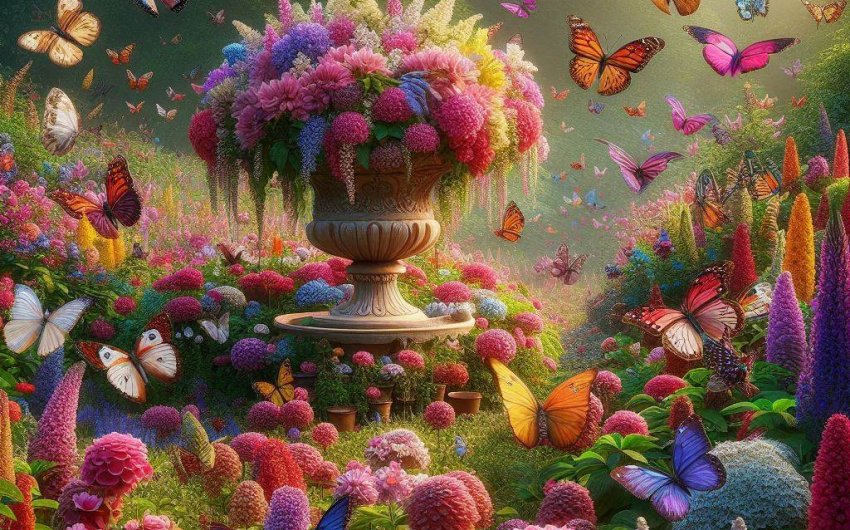
To attract butterflies to your garden, focus on planting a diverse selection of native nectar-rich flowers that bloom throughout the seasons, combined with host plants for their caterpillars. A successful butterfly garden provides both food for adult butterflies and a safe breeding ground for their young.
Why Are Butterflies Important to Gardens?
Butterflies are more than just beautiful visitors; they play a vital role in the garden ecosystem. As they flit from flower to flower sipping nectar, they contribute to pollination, helping plants reproduce. This process is essential for many fruits, vegetables, and flowers to produce seeds and new generations. Beyond pollination, butterflies serve as an indicator of a healthy environment. Their presence suggests a diverse and thriving habitat, as they are sensitive to changes in their surroundings, including the presence of pesticides. Creating a butterfly-friendly garden supports biodiversity and enriches your outdoor space with life and color.
What Do Butterflies Need in a Garden?
To truly make your garden a haven for butterflies, you need to provide more than just pretty flowers. A complete butterfly habitat includes several key elements that cater to all stages of a butterfly's life cycle.
Nectar Sources for Adults
- Diverse Blooms: Offer a variety of flowers that bloom at different times, from spring to fall. This ensures a continuous supply of nectar throughout the growing season.
- Flower Shape and Color: Butterflies are attracted to brightly colored flowers (especially red, yellow, orange, pink, and purple) with flat-topped clusters or short flower tubes that allow easy access to nectar.
- Large Landing Pads: Butterflies need a place to land while feeding. Flowers with broad petals or clusters of small flowers are ideal.
Host Plants for Caterpillars
- Specific Needs: Each butterfly species has specific host plants where they lay their eggs and their caterpillars feed. Without these plants, butterflies cannot complete their life cycle in your garden. For example, Monarch butterflies need milkweed.
- Accepting Damage: Be prepared for caterpillars to munch on these plants. This is a sign of a successful butterfly garden!
Shelter and Sun
- Sunny Spots: Butterflies are cold-blooded and need sunshine to warm up their bodies. Plant flowers in sunny locations.
- Shelter from Wind: Provide areas with trees, shrubs, or fences that offer protection from strong winds, allowing butterflies to rest and feed undisturbed.
- Puddling Areas: Butterflies gather nutrients from moist soil or shallow puddles. Create a puddling station by filling a shallow dish with sand and water, or simply leave a small area of consistently damp soil.
Water Source
- Shallow Water: A shallow bird bath or a simple dish with pebbles for landing can provide a crucial water source. Ensure the water is fresh and shallow enough to prevent drowning.
No Pesticides
- Chemical-Free Zone: This is perhaps the most important element. Pesticides, even organic ones, can harm butterflies and their caterpillars. Embrace a chemical-free garden to support butterfly populations.
By providing these essential elements, you can transform your garden into a vibrant ecosystem that welcomes and supports these incredible insects.
What are the Best Nectar Plants for Adult Butterflies?
Attracting adult butterflies primarily involves providing a rich source of nectar, their main food. The best plants to attract butterflies are those with abundant, accessible nectar and vibrant colors. Here's a selection of top performers that will make your garden a butterfly magnet.
Perennials (Long-Lasting Blooms)
- Coneflower (Echinacea purpurea): These sturdy, daisy-like flowers come in various colors and are a favorite for many butterfly species, especially swallowtails and monarchs. They bloom from summer to fall. Echinacea Seeds are readily available.
- Features: Drought-tolerant once established, various colors, long blooming period.
- Blazing Star (Liatris spicata): Also known as Gayfeather, this tall, purple spike is a magnet for Monarchs and Swallowtails. Its feathery texture adds unique interest.
- Features: Attracts many pollinators, striking vertical accent, good for cutting gardens.
- Bee Balm (Monarda didyma): With its unique, spiky blooms, Bee Balm is not only beautiful but also a fantastic source of nectar for butterflies, bees, and hummingbirds.
- Features: Aromatic foliage, attracts diverse pollinators, comes in red, pink, purple.
- Phlox (Phlox paniculata): Tall garden phlox produces large clusters of fragrant flowers that are irresistible to butterflies. Choose native varieties for the best results.
- Features: Sweetly fragrant, long bloom time, various colors.
- Sedum 'Autumn Joy' (Hylotelephium telephium 'Autumn Joy'): This succulent perennial offers late-season nectar when other flowers are fading, making it crucial for migrating butterflies.
- Features: Drought-tolerant, very low maintenance, provides late-season food.
- Astilbe: While primarily known for shade, some varieties of Astilbe can tolerate more sun and their feathery plumes attract a variety of smaller butterflies.
- Features: Beautiful plumes, adds texture to garden, tolerates some shade.
- Goldenrod (Solidago): Often unfairly maligned, native goldenrod species are invaluable late-season nectar sources for many butterfly species, including migrating Monarchs. Avoid invasive non-native varieties.
- Features: Crucial late-season food, supports many insects, easy to grow.
Annuals (Continuous Blooms)
- Zinnia (Zinnia elegans): Easy to grow from seed, zinnias provide a continuous show of bright, colorful blooms from early summer until frost, making them a top choice for a butterfly garden.
- Features: Wide range of colors and sizes, continuous bloom, excellent cut flower.
- Cosmos (Cosmos bipinnatus): These airy, daisy-like flowers are a breeze to grow and provide abundant nectar. Their open structure makes it easy for butterflies to access.
- Features: Easy from seed, long-lasting blooms, adds delicate texture.
- Lantana (Lantana camara): Lantana produces clusters of small, colorful flowers that change color as they mature. It's a favorite for many butterfly species and tolerates heat and drought.
- Features: Heat and drought tolerant, continuous colorful blooms, low maintenance.
- Penta (Penta lanceolata): Also known as Egyptian Starcluster, Pentas produce clusters of star-shaped flowers that are highly attractive to butterflies and hummingbirds.
- Features: Continuous bloom, heat tolerant, great for containers.
Shrubs and Trees (Structure and Food)
- Butterfly Bush (Buddleja davidii): While beautiful and a strong butterfly magnet, Butterfly Bush can be invasive in some regions. Check local regulations and consider native alternatives or sterile varieties.
- Features: Extremely attractive to butterflies, long spikes of flowers, fast-growing.
- Viburnum: Many native Viburnum species offer early-season nectar and later berries for birds, making them multi-beneficial.
- Features: Early bloom, provides structure, berries for birds.
When choosing plants to attract butterflies, prioritize native species for your region, as they are best adapted to your local climate and often provide the most beneficial nectar for native butterfly species. Planting a variety ensures a continuous buffet for these winged beauties throughout the season.
Which Host Plants are Essential for Butterfly Caterpillars?
While nectar plants feed adult butterflies, host plants are absolutely crucial for their survival and reproduction. Without the specific leaves that caterpillars need to eat, butterflies cannot complete their life cycle in your garden. Providing these plants is a hallmark of a truly effective butterfly garden.
Here's a list of essential host plants for some common butterfly species:
Monarch Butterfly
- Milkweed (Asclepias spp.): This is the single most important host plant for Monarchs. The caterpillars exclusively feed on milkweed leaves. Plant native milkweed species to your region, such as Common Milkweed (Asclepias syriaca), Swamp Milkweed (Asclepias incarnata), or Butterfly Weed (Asclepias tuberosa). Milkweed Seeds are widely available.
- Importance: Exclusive food source for Monarch caterpillars.
- Considerations: Be prepared for chewed leaves – it means your garden is working!
Swallowtail Butterflies (Eastern Black Swallowtail, Spicebush Swallowtail, etc.)
- Parsley (Petroselinum crispum): A common herb, parsley is a favorite host plant for Eastern Black Swallowtail caterpillars.
- Importance: Readily available, easy to grow.
- Dill (Anethum graveolens): Another popular herb that hosts Eastern Black Swallowtail caterpillars.
- Importance: Adds culinary value to your garden.
- Fennel (Foeniculum vulgare): Both the herb and the bulb varieties can serve as host plants for Eastern Black Swallowtail caterpillars.
- Importance: Multi-purpose plant.
- Spicebush (Lindera benzoin): This native shrub is the primary host plant for Spicebush Swallowtail caterpillars.
- Importance: Native shrub, also produces berries for birds.
- Tulip Tree/Tulip Poplar (Liriodendron tulipifera): A host for the Eastern Tiger Swallowtail.
- Importance: Large shade tree, supports a beautiful butterfly.
- Wild Cherry/Black Cherry (Prunus serotina): Host for Eastern Tiger Swallowtail.
- Importance: Native tree, provides early spring blooms.
Painted Lady Butterfly
- Thistle (Cirsium spp.): Various thistle species (native, non-invasive types) are host plants for Painted Lady caterpillars.
- Importance: Important for a common migratory butterfly.
- Mallow (Malva spp.): Other plants in the mallow family also serve as hosts.
- Importance: Can be attractive additions to the garden.
Fritillary Butterflies (Great Spangled Fritillary, Variegated Fritillary)
- Violets (Viola spp.): Violets are the essential host plant for many fritillary butterfly species. These low-growing plants are often found in shaded areas.
- Importance: Crucial for a beautiful group of butterflies.
Question Mark and Comma Butterflies
- Elm Trees (Ulmus spp.): Various elm species are host plants.
- Hackberry Trees (Celtis occidentalis): Another important tree host.
- Nettles (Urtica dioica): While many avoid nettles due to their sting, they are valuable host plants for these unique butterflies. Consider planting them in an out-of-the-way spot.
When selecting host plants, always ensure you're choosing varieties native to your region if possible. Native plants are better adapted to your climate and often provide the best nutrition for local butterfly populations. Remember, the goal is to provide food for caterpillars, so embrace the chewed leaves as a sign of success in your butterfly garden.
How Can You Create a Continuous Bloom Cycle?
A successful butterfly garden offers a continuous buffet of nectar from early spring to late fall. Creating a continuous bloom cycle ensures that butterflies always have a food source, whether they are emerging, feeding throughout the summer, or migrating.
Strategy: Layering Bloom Times
- Early Spring Bloomers:
- Purpose: Provide vital nectar for emerging butterflies and those waking from hibernation.
- Examples: Crocus, Grape Hyacinth, Virginia Bluebells, Spring Phlox (Phlox subulata), Pansies, and early blooming native shrubs like Spicebush.
- Mid-Spring to Early Summer Bloomers:
- Purpose: Bridge the gap to the main summer season.
- Examples: Columbine, Bleeding Heart, Lupine, Iris, early varieties of Coneflower and Bee Balm.
- Mid-Summer to Late Summer Bloomers (Peak Season):
- Purpose: Provide the bulk of the nectar during the warmest months when butterfly activity is highest.
- Examples: Coneflower (Echinacea), Bee Balm (Monarda), Phlox, Zinnia, Cosmos, Butterfly Weed (Asclepias tuberosa), Blazing Star (Liatris), Lantana, Pentas.
- Late Summer to Fall Bloomers:
- Purpose: Critical for migrating butterflies (like Monarchs preparing for their journey south) and those completing their final generations.
- Examples: Sedum 'Autumn Joy', Aster (New England Aster, New York Aster), Goldenrod (native species), Chrysanthemum (single-flowered varieties).
Tips for a Continuous Cycle:
- Diversity is Key: Plant a wide variety of flowers, shrubs, and even some trees with different bloom times.
- Check Bloom Charts: Many plant nurseries and online resources provide bloom calendars for different species. Use these to plan your garden.
- Stagger Planting: For annuals, consider staggering your planting times every few weeks to extend their bloom.
- Deadheading: For many annuals and some perennials, deadheading (removing spent flowers) encourages new blooms and extends the flowering season.
- Monitor and Adapt: Pay attention to what's blooming and when in your garden. If you notice gaps, plan to add plants for those times next year.
- Include Host Plants: Remember that continuous bloom for nectar is only half the equation; ensure you have a continuous supply of host plant leaves for caterpillars throughout the season too.
By thoughtfully planning your plantings to ensure a succession of blooms, you will create a vibrant and consistently active butterfly garden that supports these beautiful pollinators from spring's first warmth to autumn's chill.
What is a "Puddling Station" and Why Do Butterflies Need It?
A puddling station is a specific area in your garden designed to provide butterflies with essential nutrients they can't get from nectar alone. Butterflies are not just interested in flowers; they also "puddle" on damp soil, mud, or wet sand to extract salts and minerals.
Why Butterflies Puddle:
- Essential Nutrients: Nectar provides carbohydrates (energy), but butterflies also need sodium and other trace minerals for reproduction and overall health. These minerals are typically found in moist soil.
- Male Butterflies: Puddling is especially common among male butterflies. These extra nutrients can be transferred to females during mating, improving egg viability.
- Hydration: While they get moisture from nectar, puddling also provides additional hydration, particularly in dry periods.
How to Create a Puddling Station:
Creating a puddling station is simple and can be a charming addition to your butterfly garden.
- Choose a Sunny Spot: Butterflies need warmth to be active, so place your puddling station in a sunny area.
- Select a Shallow Container: Use a shallow dish, saucer, or even an old bird bath that isn't too deep.
- Add Substrate:
- Fill the container with sand, gravel, or small pebbles. You can also use a mixture of sand and compost.
- This provides a stable landing surface for the butterflies and helps retain moisture.
- Add Water:
- Slowly add water to the container, just enough to moisten the sand or gravel without creating a deep pool. The idea is to have dampness, not standing water. The surface should be wet but not submerged.
- Maintain Moisture:
- Keep the puddling station consistently moist by refilling it as needed, especially during hot, dry spells.
- You can also try burying the dish slightly into the ground to help retain moisture.
- Optional Enhancements:
- Some gardeners add a very small pinch of non-iodized salt or compost to the water, as these can provide extra minerals. However, plain water with a good substrate is usually sufficient.
- Place a few flat rocks or larger pebbles for additional landing spots.
A well-maintained puddling station is an often-overlooked but important feature that significantly enhances your butterfly garden, providing a complete habitat for these fascinating insects.
Should You Use Pesticides in a Butterfly Garden?
The answer is a resounding no. Using pesticides, even those marketed as "organic" or "natural," can be highly detrimental to butterflies and the overall health of your butterfly garden.
Why Pesticides Are Harmful:
- Direct Toxicity: Many pesticides, including insecticides, are designed to kill insects. Butterflies and their caterpillars are insects, so they are directly susceptible to the toxic effects.
- Loss of Host Plants: Broad-spectrum pesticides not only kill pests but also beneficial insects, including the caterpillars that rely on specific host plants for food. If the host plant is sprayed, the caterpillars feeding on it will die.
- Contaminated Nectar/Pollen: Pesticide residues can remain on plant leaves, flowers, and even in nectar and pollen. Butterflies that visit these contaminated plants can become sick or die.
- Disruption of Life Cycle: By harming caterpillars or adult butterflies, pesticides break the butterfly life cycle, preventing future generations from emerging.
- Harm to Beneficial Insects: Pesticides often kill beneficial insects like predatory wasps, ladybugs, and lacewings that naturally control garden pests. This can lead to an imbalance and even more pest problems in the long run.
- Environmental Impact: Pesticides can leach into the soil, contaminate water sources, and harm other wildlife, including birds and small mammals that might eat contaminated insects.
What to Do Instead:
Instead of pesticides, embrace organic pest control methods that are safe for butterflies and other beneficial insects:
- Hand-Picking: For larger pests like tomato hornworms (which are moth caterpillars, not butterfly caterpillars, and can be very destructive), simply pick them off by hand.
- Beneficial Insects: Encourage natural predators by providing diverse plantings and avoiding chemicals. Ladybugs, lacewings, and predatory wasps are your allies against aphids and other common pests.
- Companion Planting: Use certain plants to deter pests naturally. For example, marigolds are often planted to repel nematodes.
- Healthy Soil: Strong, healthy plants grown in rich, living soil are more resistant to pest attacks.
- Tolerance: Learn to tolerate a certain level of pest damage. A few chewed leaves are a small price to pay for a thriving butterfly garden.
Creating a truly chemical-free garden is fundamental to supporting butterfly populations and enjoying the beauty and ecological benefits they bring. It's an investment in a healthier, more vibrant ecosystem.
How Do You Plan a Butterfly Garden Layout?
Designing an effective butterfly garden involves more than just scattering seeds; it requires thoughtful planning to create an inviting and functional habitat. A well-planned layout can maximize the number and variety of butterflies you attract.
Key Considerations for Layout:
- Sunlight is Paramount:
- Location: Butterflies need ample sunshine to warm their bodies. Choose a site that receives at least 6-8 hours of direct sunlight per day.
- Plant Placement: Place taller plants at the back of the garden (north side) so they don't shade shorter plants.
- Clustering for Efficiency:
- Grouping: Plant flowers in large clumps or drifts of a single species (e.g., a mass of purple coneflowers) rather than scattering individual plants.
- Benefits: This makes it easier for butterflies to spot the flowers and allows them to expend less energy flying from one plant to another, providing a more efficient nectar source.
- Continuous Bloom Design:
- Seasonal Succession: Arrange plants so that something is always in bloom from early spring to late fall. Group plants with similar bloom times together or create "flowering zones" for each season. (Refer back to "How Can You Create a Continuous Bloom Cycle?").
- Incorporate Host Plants:
- Visibility: Place host plants where you can observe caterpillars (if you wish), but also understand they might be heavily munched. If aesthetics are a concern, you can place host plants slightly behind or to the side of your showier nectar plants.
- Sufficiency: Plant enough host plants to sustain multiple generations of caterpillars.
- Shelter from Wind:
- Windbreaks: Locate your garden near a fence, wall, hedge, or a cluster of shrubs or trees to provide shelter from strong winds. Butterflies are delicate and strong winds can make feeding difficult.
- Puddling Station & Water:
- Accessibility: Place your puddling station and any shallow water sources in a sunny, easily accessible spot where butterflies can gather.
- Safety: Ensure the puddling station is shallow and has plenty of landing spots to prevent drowning.
- Paths and Observation Areas:
- Enjoyment: Include paths or stepping stones so you can easily walk through your garden without disturbing the plants or butterflies. Create a seating area nearby to sit and observe your winged visitors.
- Chemical-Free Zone:
- Isolation: If you have to use any chemicals in other parts of your yard, ensure your butterfly garden is completely separate and uncontaminated.
- Vertical Elements:
- Vines & Trellises: Incorporate climbing vines on trellises or fences, as some can be host plants (e.g., Passion Flower for Gulf Fritillary) or nectar sources.
- Layering: Create different heights in your garden with tall shrubs, medium-height perennials, and shorter groundcovers.
Example Layout Idea:
Imagine a sunny, south-facing garden bed.
- Back Row (North Side): Tall Butterfly Bush (if non-invasive type), Blazing Star, Tall Garden Phlox, and possibly a small Spicebush shrub (host plant).
- Middle Row: Coneflowers, Bee Balm, Zinnias, Cosmos, and Milkweed (host plant).
- Front Row (South Side): Lower-growing Lantana, Pentas, Pansies (early), and maybe a patch of Dill or Parsley (host plants).
- Nearby: A small puddling station in a sunny, visible spot.
By considering these elements, you can design a beautiful and thriving butterfly garden that becomes a vibrant hub for these enchanting insects.
What is the Role of Native Plants in Attracting Butterflies?
Native plants play a critically important role in creating a successful butterfly garden. While many popular garden flowers can provide nectar, native plants offer a deeper, more specialized level of support for local butterfly populations.
Why Native Plants are Superior:
- Co-evolution: Native butterflies and native plants have evolved together over thousands of years. This means native plants are precisely what native butterflies need to survive and thrive.
- Specific Host Plants: Most crucially, caterpillars of native butterfly species are often highly specialized and can only feed on specific native host plants. For example, the Monarch caterpillar only eats native milkweed. Without the correct native host plant, the butterfly cannot complete its life cycle, regardless of how much nectar is available.
- Nectar Quality: Native flowers often provide the optimal nectar composition (sugar content, amino acids) and flower structure that local butterflies are adapted to access and prefer.
- Environmental Adaptability:
- Hardiness: Native plants are naturally adapted to your local climate, soil conditions, and rainfall patterns. This means they generally require less water, fertilizer, and pest control once established.
- Lower Maintenance: Because they are suited to the local environment, native plants are typically more resilient and less prone to diseases and pests, reducing the need for intervention (and thus, pesticides).
- Support for the Entire Ecosystem:
- Broader Biodiversity: Native plants support a wider array of local wildlife, including native bees, other beneficial insects, and birds, which are all part of the intricate food web that includes butterflies.
- Pollinator Corridors: Using native plants helps create pollinator corridors that connect fragmented habitats, providing safe passage and resources for butterflies and other pollinators as they move through the landscape.
How to Find Native Plants for Your Area:
- Local Nurseries: Seek out nurseries that specialize in native plants for your region.
- Native Plant Societies: Many states or regions have native plant societies that offer resources, plant lists, and sales.
- Extension Offices: Your local university extension office can provide lists of native plants suitable for your specific growing zone and climate.
- Online Resources: Websites like the National Wildlife Federation or Audubon Society provide native plant finders by zip code.
While a few non-native, nectar-rich annuals (like Zinnias or Cosmos) can supplement your butterfly garden and provide continuous color, prioritizing native plants as the backbone of your design will yield the most impactful and sustainable results for attracting and supporting local butterfly populations.
What Maintenance Does a Butterfly Garden Need?
A butterfly garden thrives with regular, mindful maintenance, though it generally requires less intensive care than a conventional ornamental garden, especially once native plants are established. The key is to maintain a healthy ecosystem without harming the very creatures you're trying to attract.
Essential Maintenance Tasks:
- Watering:
- Initial Establishment: Water newly planted flowers and shrubs regularly until they are well-established.
- Mature Plants: Many native plants are drought-tolerant once mature, requiring less supplemental watering. However, during prolonged dry spells, provide deep watering.
- Timing: Always water in the morning to allow foliage to dry before evening, reducing fungal issues and creating less favorable conditions for slugs.
- Weeding:
- Remove Competition: Keep the garden bed relatively free of weeds, as they compete with your desired plants for nutrients, water, and sunlight.
- Hand-Weeding: Opt for hand-weeding to avoid disturbing beneficial insects or potentially damaging butterfly eggs or caterpillars that might be hiding.
- Deadheading (For Nectar Plants):
- Extend Bloom: For many annuals and some perennials (like Zinnias, Cosmos, Coneflowers), deadheading spent blooms encourages the plant to produce more flowers rather than putting energy into seed production. This extends the nectar supply.
- Monitor for Eggs: Before deadheading, quickly check the underside of leaves for butterfly eggs or tiny caterpillars. If found, leave that bloom or leaf.
- Leaving Seed Heads (For Birds/Winter Interest):
- Winter Food: For some plants, like Coneflower or Asters, leave the seed heads in place through winter. They provide food for birds and can offer winter interest.
- Self-Seeding: Some plants (e.g., Cosmos, Zinnia) will self-seed if left to go to seed, providing new plants next year.
- Pruning and Trimming:
- General Health: Prune dead or diseased branches from shrubs and perennials to maintain plant health and shape.
- Consider Caterpillars: Before any major pruning, especially on host plants, carefully check for caterpillars. If found, delay pruning or move the caterpillar to another part of the plant.
- Pest Management (Organic Only!):
- Observe, Don't React: Accept minor pest damage. Your garden's ecosystem will usually balance itself.
- Hand-Picking: For major outbreaks, hand-pick pests.
- Beneficial Insects: Encourage natural predators (ladybugs, lacewings, parasitic wasps) by avoiding all pesticides.
- Hose Off: A strong spray of water can dislodge aphids from plant stems.
- Puddling Station Maintenance:
- Keep Moist: Regularly replenish the water in your puddling station to keep the sand/gravel damp.
- Cleanliness: Occasionally rinse out the container to prevent algae buildup.
- Winter Prep:
- Leave Some Debris: Unlike traditional gardens, avoid a completely "clean" fall cleanup. Leaving some leaf litter and hollow plant stems provides overwintering sites for beneficial insects, including some butterfly chrysalises and eggs.
- Mulch: A light layer of organic mulch can help insulate plant roots over winter.
By following these maintenance practices, you'll create a vibrant, healthy ecosystem that continually supports and welcomes butterflies to your garden. The less intervention with chemicals, the more successful your butterfly garden will be.
Can Container Gardens Attract Butterflies?
Absolutely! Even if you have limited space, container gardens can be incredibly effective at attracting butterflies to your patio, balcony, or small yard. The principles remain the same: provide nectar, host plants, and a safe, sunny environment.
Advantages of Container Butterfly Gardens:
- Space-Saving: Perfect for small spaces, urban environments, or renters.
- Portability: You can move containers to follow the sun, protect plants from extreme weather, or rearrange your display.
- Targeted Planting: Easier to create specific plant groupings for nectar and host needs.
- Pest Control (Chemical-Free): Easier to monitor for pests and hand-pick them without resorting to pesticides.
Tips for a Successful Container Butterfly Garden:
- Choose the Right Containers:
- Size: Opt for larger pots (at least 12-18 inches in diameter for most plants) to allow for good root growth and prevent quick drying out.
- Drainage: Ensure all containers have drainage holes to prevent soggy soil, which can lead to root rot.
- Material: Terracotta pots dry out faster, while plastic or glazed ceramic retains moisture longer.
- Select Appropriate Plants:
- Nectar Plants: Choose compact, prolific bloomers suitable for containers. Excellent choices include:
- Zinnia (dwarf or medium varieties)
- Penta
- Lantana (shrubby or trailing varieties)
- Cosmos (dwarf varieties)
- Dwarf Coneflower varieties
- Verbena bonariensis (airy, attracts many butterflies)
- Alyssum (for groundcover and smaller pollinators)
- Host Plants: Don't forget these!
- Milkweed (Asclepias tuberosa or A. incarnata): Ideal for Monarchs in pots.
- Parsley, Dill, Fennel: Excellent container herbs that serve as host plants for Swallowtails.
- Violets: For Fritillaries, can be grown in smaller pots in shadier spots.
- "Thriller, Filler, Spiller" Concept: Combine a taller "thriller" plant (e.g., Verbena bonariensis), a bushy "filler" (e.g., Zinnia or Penta), and a trailing "spiller" (e.g., Lantana or Sweet Alyssum) in a single large pot for a beautiful and multi-functional display.
- Nectar Plants: Choose compact, prolific bloomers suitable for containers. Excellent choices include:
- Provide Proper Care:
- Watering: Container plants dry out much faster than in-ground plants. Check daily and water thoroughly when the top inch of soil feels dry.
- Fertilizing: Use a balanced, slow-release organic fertilizer or liquid organic fertilizer every few weeks, as nutrients leach out of containers more quickly.
- Deadheading: Regularly remove spent blooms to encourage continuous flowering.
- Micro-Habitats:
- Puddling Dish: Place a shallow saucer with sand and water directly on the patio near your containers.
- Sunny Location: Position your containers in the sunniest spot available, ideally with some wind protection.
- No Pesticides: Absolutely critical for container gardens, just as it is for in-ground gardens.
A well-planned and maintained container butterfly garden can be just as rewarding as a large garden, bringing the magic of butterflies up close to your living space.
How to Help Butterflies Survive Winter?
Supporting butterflies extends beyond the growing season; understanding how they overwinter is crucial for truly making your garden a year-round haven. Different butterfly species overwinter in different stages, and your fall cleanup habits can significantly impact their survival.
Butterfly Overwintering Stages:
Butterflies use various strategies to survive the cold months:
- Egg: Some species, like the Spring Azure, overwinter as eggs on their host plants.
- Caterpillar (Larva): Many species, including Swallowtails (Black Swallowtail), overwinter as caterpillars tucked into rolled leaves or other sheltered spots. Fritillary caterpillars overwinter at the base of violets.
- Chrysalis (Pupa): Many butterflies, such as Monarchs (if they don't migrate), Question Marks, and Commas, overwinter in their chrysalis stage, often attached to plant stems, branches, or hidden in leaf litter.
- Adult: A few species, like the Mourning Cloak and some Anglewings, overwinter as adult butterflies, finding shelter in tree cavities, woodpiles, or under loose bark.
What You Can Do in Your Garden (Fall/Winter):
- Delay Fall Cleanup: This is perhaps the most important action.
- Leave the Leaves: Instead of raking away all fallen leaves, especially under shrubs and in garden beds, leave a layer of leaf litter. Many butterfly chrysalises and overwintering caterpillars and adult butterflies hide within this natural insulation.
- Leave Stems and Stalks: Do not cut back all your perennial stems and stalks in fall. Many insect species, including butterflies and beneficial bees, use hollow or pithy stems for overwintering shelter or as egg-laying sites. Wait until late spring (when temperatures are consistently above freezing and new growth appears) to cut them back.
- Provide Shelter:
- Brush Piles: A simple brush pile made of fallen branches and twigs can offer excellent protection for overwintering adult butterflies and other beneficial insects.
- Log Piles: Similar to brush piles, old logs can provide crevices for shelter.
- Undeveloped Areas: Consider designating a small, undisturbed corner of your garden where leaves and plant debris can naturally accumulate.
- Plant Native Evergreens:
- Shelter: Native evergreens (shrubs or trees) provide year-round shelter from wind and snow for adult butterflies seeking refuge, even if they aren't directly feeding.
- Avoid Winter Pesticides:
- No Dormant Oils: If you are managing any winter pests, ensure you are not using dormant oils or other chemical sprays that could harm overwintering butterflies or their eggs. Embrace truly chemical-free garden practices year-round.
- Educate Yourself:
- Local Species: Learn about the specific butterflies in your region and how they overwinter. This knowledge will help you tailor your winter garden practices to best support them.
By adjusting your fall and winter garden maintenance to be more "untidy," you are actively participating in the survival of butterflies and ensuring a healthier, more vibrant butterfly garden for the spring.