
How to Grow Mint Without It Taking Over Your Garden?
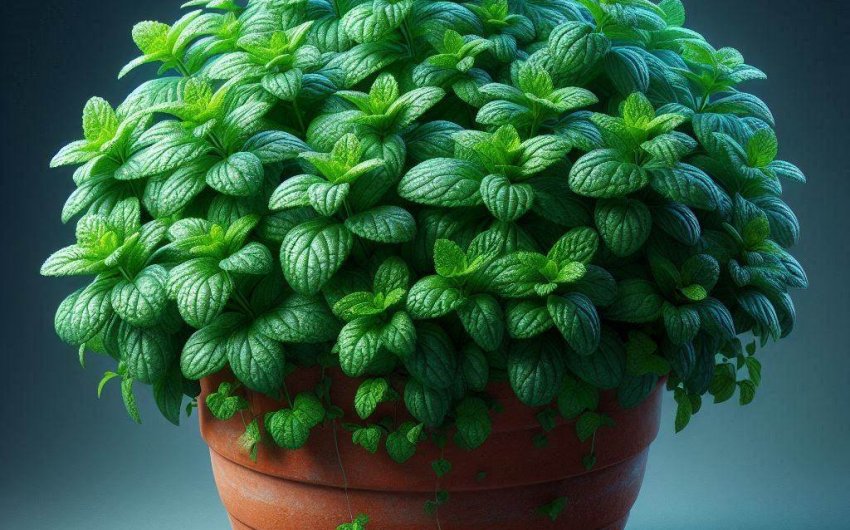
To grow mint without it taking over your garden, the most effective strategy is to plant it in containers or use physical barriers to restrict its aggressive underground runners. Consistent monitoring and regular pruning are also essential to keep its vigorous growth in check.
Why Does Mint Take Over Gardens So Easily?
Mint (Mentha species) is famous, or infamous, for its incredibly vigorous growth habit. Understanding why it spreads so aggressively is the first step in learning how to grow mint without it taking over your garden. The secret lies primarily in its root system.
- Rhizomatous Growth: Mint spreads predominantly through rhizomes, which are horizontal underground stems. These rhizomes grow quickly, sometimes several feet in a season, sending up new shoots (new mint plants) along their length. Each new shoot can quickly establish its own root system, creating a dense mat of plants.
- Shallow Roots: While the rhizomes spread far and wide, many of the feeder roots are relatively shallow. This allows mint to quickly colonize the top layers of soil.
- Runners (Stolons): Some mint varieties also produce above-ground runners (stolons) that sprawl across the soil surface, rooting where their nodes touch the ground, adding another layer to their spread.
- Seed Dispersal: While less common than rhizomes, mint plants do flower and produce seeds. These seeds can be dispersed by wind or animals, leading to new plants sprouting in unexpected places, especially if not regularly harvested or deadheaded.
- Adaptability: Mint is incredibly adaptable and resilient. It can thrive in a wide range of soil types and light conditions (from full sun to partial shade), making it easy for it to establish and spread vigorously once it takes hold. It's often drought-tolerant once established and generally resistant to pests and diseases.
Because of this aggressive combination of underground rhizomes and above-ground runners, mint can quickly outcompete and smother less vigorous plants, turning a small patch into an unmanageable thicket. This is why containment strategies are essential for anyone wanting to learn how to grow mint without it taking over your garden.
What are the Best Containers for Growing Mint?
Using containers is by far the most effective and recommended strategy for learning how to grow mint without it taking over your garden. The right container will physically prevent its aggressive rhizomes from escaping and colonizing your garden beds.
Key Container Requirements:
- Size: Mint needs space to grow well, even in a container. A pot with a minimum diameter of 10-12 inches (25-30 cm) is a good starting point for a single plant. Larger pots (e.g., 14-16 inches) are even better, as they allow for more root development and require less frequent watering.
- Drainage Holes: Non-negotiable! Mint prefers consistently moist soil but absolutely cannot tolerate soggy, waterlogged conditions, which lead to root rot. Ensure your container has ample drainage holes at the bottom.
- Material:
- Plastic Pots:
- Pros: Inexpensive, lightweight, retain moisture well (reducing watering frequency), durable. A good general choice for mint.
- Cons: Can look less decorative, may heat up excessively in direct, intense sun.
- Terra Cotta Pots:
- Pros: Attractive, breathable material allows for better air circulation around roots, helps prevent overwatering as soil dries faster.
- Cons: Can dry out very quickly in hot, sunny conditions (requires more frequent watering), heavier, more fragile, can be expensive.
- Fabric Grow Bags:
- Pros: Excellent drainage and aeration (air pruning prevents circling roots), lightweight, very affordable. Great for growing mint without it taking over your garden. Fabric Grow Bags are porous and effective.
- Cons: Can dry out faster than plastic, may degrade over multiple seasons.
- Half Wine Barrels/Large Wooden Planters:
- Pros: Deep, aesthetically pleasing for a more rustic look, good insulation.
- Cons: Heavy, can be expensive, may rot over time (ensure treated wood or liner). Need to drill good drainage holes.
- Metal Tubs (Galvanized):
- Pros: Durable, attractive industrial look.
- Cons: Can get very hot in direct sun, potentially cooking the roots. Need to drill drainage holes. Consider insulating the sides if used in hot climates.
- Plastic Pots:
Important Container Strategy:
- "Pot in a Pot" Method: If you want to plant mint in an open garden bed but still control its spread, dig a hole slightly larger than your chosen pot. Place the mint in its pot, then sink the entire pot into the ground, ensuring the rim of the pot is a few inches above the soil line. This creates an underground barrier for the rhizomes.
- Regular Division/Repotting: Even in containers, mint will eventually become root-bound. Plan to divide and repot your mint every 2-3 years to keep it vigorous and prevent it from becoming a solid mass of roots.
By selecting the right container and employing these strategies, you create an impenetrable barrier against mint's rampant spread, effectively mastering how to grow mint without it taking over your garden.
What is the Best Soil and Location for Container-Grown Mint?
Even when growing mint in containers, providing the right soil and location is crucial for a healthy, productive plant. These factors contribute to the vibrancy and flavor of your mint, while keeping it contained. This knowledge is key to learning how to grow mint without it taking over your garden.
1. Best Soil Mix for Containers:
Mint is adaptable but thrives in a soil mix that is well-draining yet consistently moist and rich in organic matter. Avoid heavy garden soil in containers, as it compacts too easily and retains too much water, leading to root rot.
- High-Quality Potting Mix: Start with a good quality, all-purpose potting mix. Look for one designed for containers or vegetables, as these often have better drainage and aeration. You can use an Organic Potting Mix.
- Amend with Organic Matter: Incorporate 1/4 to 1/3 compost or well-rotted manure into your potting mix. This boosts nutrients, improves drainage, and enhances moisture retention. Use Organic Compost.
- Improve Drainage (Optional but Recommended): If your potting mix feels a bit heavy, add a handful or two of perlite or coarse sand to further improve drainage and aeration. Horticultural Perlite is lightweight and effective.
- pH: Mint prefers a slightly acidic to neutral pH (6.0-7.0), which most good potting mixes naturally provide.
2. Ideal Location for Container-Grown Mint:
Choosing the right spot for your potted mint ensures it thrives without becoming a nuisance.
- Sunlight:
- Full Sun to Partial Shade: Mint can tolerate a range of light conditions. It will produce the most vigorous growth and strongest flavor in full sun (6+ hours direct sun daily).
- In hot climates or during intense summer heat, partial shade (4-6 hours sun, especially morning sun with afternoon shade) can prevent the leaves from scorching and keep the plant from drying out too quickly.
- Air Circulation: Ensure the location has good air circulation. This helps prevent fungal diseases and keeps the foliage healthy. Avoid placing pots in stagnant, humid corners.
- Accessibility: Place your mint where it's easily accessible for regular harvesting. This encourages more growth and prevents it from going to seed.
- Proximity to Water Source: Since container plants dry out faster, having your mint pot near a water source will make consistent watering easier.
- Isolation: Even in a pot, mint can sometimes send runners out of drainage holes. To be extra safe, place the pot on a hard surface (patio, stepping stone, concrete) rather than directly on garden soil, or elevate it on pot feet.
By providing this optimal soil and location, you create a perfect contained environment for your mint to flourish, making growing mint without it taking over your garden a manageable and successful endeavor.
How Do You Water and Fertilize Container-Grown Mint?
Even with their vigorous nature, proper watering and careful fertilization are key to maintaining a healthy, productive mint plant in a container. These practices ensure your mint stays vibrant and flavorful, without becoming overly aggressive. This is vital for learning how to grow mint without it taking over your garden.
1. Watering Container-Grown Mint:
Mint prefers consistently moist soil, but absolutely detests soggy conditions. Containers dry out faster than in-ground beds, so regular monitoring is essential.
- Consistency is Key: Aim for consistently moist, not wet, soil. Don't let the pot dry out completely, especially during hot weather.
- Check Soil Moisture: The best way to know when to water is to feel the soil. Stick your finger 1-2 inches (2.5-5 cm) deep into the potting mix. If it feels dry, it's time to water.
- Water Thoroughly: When you water, do so deeply until water drains from the bottom of the container. This ensures the entire root ball is saturated.
- Avoid Standing Water: Never let the pot sit in a saucer full of drained water for extended periods. Empty saucers promptly to prevent root rot.
- Adjust to Conditions:
- Hot, Sunny, Windy Weather: Containers will dry out much faster. You may need to water daily, or even twice a day.
- Cool, Cloudy Weather: Containers will retain moisture longer. Water less frequently.
- Container Material: Terra cotta and fabric pots dry faster than plastic ones.
- Mulch: Applying a thin layer (1 inch) of organic mulch (like fine bark or shredded leaves) on top of the soil in the container can help retain moisture, suppress weeds, and moderate soil temperature, reducing how often you need to water.
2. Fertilizing Container-Grown Mint:
Mint is not a heavy feeder, especially when grown in a container with fresh, good quality potting mix amended with compost. Over-fertilizing, particularly with high-nitrogen fertilizers, can lead to excessive, leggy growth with less intense flavor.
- Initial Nutrients: If you've used a good quality potting mix with compost, your mint should have enough nutrients for the first few months.
- Light Feeding (Mid-Season): After about 3-4 months, or if your mint looks like it's lacking vigor (pale leaves, slow growth), you can apply a very dilute liquid fertilizer.
- Type: Use a balanced organic liquid fertilizer (e.g., 5-5-5 or similar) diluted to 1/4 to 1/2 strength of the recommended dose. Organic Liquid Plant Food for herbs or vegetables works well.
- Frequency: Apply every 4-6 weeks during the active growing season (spring through early fall).
- Don't Over-Fertilize: Remember, too much nitrogen promotes leafy growth but can dilute the essential oils responsible for mint's flavor. Less is more with mint.
- Annual Refresh: The best way to refresh nutrients for potted mint is to repot it annually or biennially (every 1-2 years) with fresh potting mix and compost.
By adhering to these sensible watering and fertilization practices, you ensure your contained mint thrives, producing flavorful leaves consistently, effectively demonstrating how to grow mint without it taking over your garden.
How Can Pruning and Harvesting Control Mint Spread?
Even when mint is confined to a container, pruning and consistent harvesting are vital strategies to manage its vigorous growth and ensure it remains productive and contained. This is a hands-on approach to learning how to grow mint without it taking over your garden.
1. Regular Harvesting:
- Frequency: Harvest mint frequently and consistently throughout the growing season. The more you pick, the more it produces, and the less likely it is to put energy into spreading or flowering.
- How to Harvest: Snip off stems just above a leaf node or pair of leaves. This encourages the plant to branch out, creating a bushier, more compact growth habit rather than leggy stems.
- Purpose: Not only does this provide you with fresh mint for culinary uses, but it also redirects the plant's energy into new leaf production rather than flowering and seed production, or extensive rhizome spread.
2. Pinching and Pruning for Bushiness:
- Pinching: When mint plants are young, pinch back the tips of the main stems when they are about 6 inches tall. This encourages side branching.
- Aggressive Pruning: Don't be afraid to prune your mint aggressively. If a plant becomes leggy or overgrown, you can cut stems back by up to 1/2 or 2/3 of their length. This rejuvenates the plant and encourages a flush of new, fresh growth.
- Purpose: This controls the above-ground spread and keeps the plant dense and productive.
3. Removing Flower Spikes (Deadheading):
- Identify Flower Spikes: Mint will produce small flower spikes, usually with tiny purple or white flowers, in late spring or summer.
- Deadhead Immediately: As soon as you see flower spikes forming, pinch or snip them off.
- Purpose:
- Prevents Seeding: This is crucial. While rhizomes are the primary spreader, mint seeds can sprout new plants in unexpected places. Removing flowers prevents seed set.
- Directs Energy to Leaves: Flowering takes a lot of energy. By removing flower spikes, you redirect that energy back into producing more flavorful leaves and developing a stronger root system (within the confines of the pot).
- Maintains Flavor: Some people find mint leaves become less flavorful or slightly bitter once the plant flowers. Removing flower spikes maintains optimal leaf flavor.
4. Root Pruning / Division (for Containers):
- Why: Even in containers, mint's rhizomes will eventually become root-bound, forming a dense, solid mass of roots. This can stress the plant, reduce vigor, and sometimes even crack pots.
- When: Plan to divide and repot your mint every 1-2 years (or when you notice decreased vigor or roots growing out of drainage holes). This is a crucial step in how to grow mint without it taking over your garden over the long term.
- How To:
- Remove the entire plant from its pot.
- Use a sharp knife or spade to cut the root ball into 2-4 sections.
- Discard any old, woody, or unhealthy central sections.
- Repot the healthier, younger outer sections into fresh potting mix in new or sterilized containers.
By consistently applying these pruning and harvesting techniques, you actively manage mint's aggressive growth, ensuring a healthy, contained, and perpetually productive plant.
Can Physical Barriers Stop Mint Spread in Garden Beds?
For gardeners who absolutely want to grow mint directly in a garden bed but fear its rampant spread, physical barriers are the only effective solution to prevent it from taking over. This method directly addresses how to grow mint without it taking over your garden in an in-ground setting.
1. The "Pot in a Pot" Method (Most Recommended for In-Ground):
- How it Works: This is essentially using a container as an invisible, buried barrier.
- Choose a large container (plastic is best, 10-15 gallon size, with drainage holes).
- Plant your mint directly into this container with a good potting mix.
- Dig a hole in your garden bed slightly larger than the container.
- Place the potted mint into the hole, ensuring the rim of the pot is a few inches (5-10 cm) above the surrounding soil line.
- Why it's Effective: The raised rim prevents rhizomes from escaping over the top and growing down into the garden bed, while the sides of the pot contain the underground spread. Water can still drain from the bottom.
- Maintenance: Periodically check around the rim and beneath the pot for any rogue runners trying to escape. Lift and check the pot every year or two to ensure roots aren't growing out the drainage holes and re-rooting into the garden soil. Trim any escapees.
2. Root Barrier Material:
- How it Works: Installing a deep, impenetrable barrier directly into the ground around your mint planting area.
- Dig a trench at least 18-24 inches (45-60 cm) deep around the desired mint growing area.
- Line the trench with a sturdy, non-biodegradable material like thick plastic edging, galvanized metal flashing, or purpose-made Root Barrier Fabric.
- Ensure the barrier extends a few inches above the soil line to prevent rhizomes from growing over the top.
- Backfill the trench with soil.
- Why it's Effective: Creates a permanent physical wall that mint rhizomes cannot penetrate.
- Considerations: This is a more labor-intensive and permanent solution. Requires careful installation to ensure no gaps or weak points. Still needs monitoring for over-the-top spread.
3. Planting in Contained Spaces:
- Raised Garden Beds (Self-Contained): If you have a raised garden bed with a solid bottom or very deep, sturdy sides, planting mint within it can be effective. Ensure the sides are deep enough to contain the rhizomes (at least 18-24 inches).
- Large Planter Boxes: Similar to containers, large, deep planter boxes on hard surfaces prevent escape.
- Paved Areas/Gravel Paths: Planting mint directly into the ground but immediately adjacent to a concrete patio, walkway, or dense gravel path can sometimes limit spread on that side, as rhizomes won't grow under hard surfaces. However, they will still spread vigorously in other directions.
While physical barriers require initial effort, they offer the best chance of containing mint's aggressive underground growth, allowing you to enjoy this flavorful herb directly in your garden bed without fear of it becoming a nuisance. This strategy is central to how to grow mint without it taking over your garden.
What are Other Tips for Keeping Mint Contained and Healthy?
Beyond containers and physical barriers, several other tips can help you successfully grow mint without it taking over your garden, while also ensuring the plant remains healthy and productive. These holistic approaches contribute to managing its vigor.
Choose the Right Variety (Mindfully):
- Some mint varieties are naturally more vigorous than others. Peppermint and Spearmint are famously aggressive spreaders.
- Consider less aggressive types for in-ground planting if you dare, though containment is always recommended. Even "less aggressive" still spreads.
- Many ornamental mints (like Pennyroyal) or chocolate mint are also strong spreaders.
- The best varieties for growing mint without it taking over your garden are those you keep contained.
Avoid Planting Directly in Open Ground (Unless You Actively Want It to Spread):
- Seriously, if you plant mint directly in an open garden bed, be prepared for it to spread rapidly and uncontrollably. Only do this if you have a large, dedicated area where you want a mint patch to dominate, or if you plan to constantly monitor and dig out runners.
Regularly Inspect for Escapees:
- Even with containers or barriers, mint is cunning. Periodically check around the base of your potted mint, beneath the pot (if on soil), and around any barriers you've installed.
- Look for rhizomes or new shoots trying to grow outside the confined area. Snip them immediately.
- If using the "pot in a pot" method, lift the pot annually to check and prune any roots attempting to grow through drainage holes into the surrounding soil.
Utilize Your Harvest!
- The more you harvest, the more you control the plant's overall size and vigor. Frequent harvesting (which you should be doing to enjoy fresh mint!) encourages bushier growth and directs the plant's energy away from excessive root production.
- Use mint in teas, mojitos, salads, desserts, sauces, or dry it for later use. This is the fun part of growing mint without it taking over your garden.
Give it Space from Other Plants:
- Even in containers, ensure your mint pot isn't right up against other plants in the ground, as ingenious rhizomes might find a way across to another pot or bed if conditions are right.
Consider Its Neighbors:
- Mint can sometimes have a positive effect on neighboring plants (e.g., deterring some pests) due to its strong scent. However, its physical spread is the primary concern.
- If you plant mint near other plants, always ensure a physical barrier is in place.
Seasonal Refresh:
- For potted mint, it's beneficial to divide and repot every 1-2 years with fresh potting mix. This rejuvenates the plant, prevents it from becoming root-bound, and maintains its vigor, which ironically helps contain its energy.
By integrating these practical tips with the primary containment strategies, you can confidently and successfully learn how to grow mint without it taking over your garden, enjoying its fresh flavor without the headache of unwanted spread.