
Top Tips for Growing Herbs in Small Pots
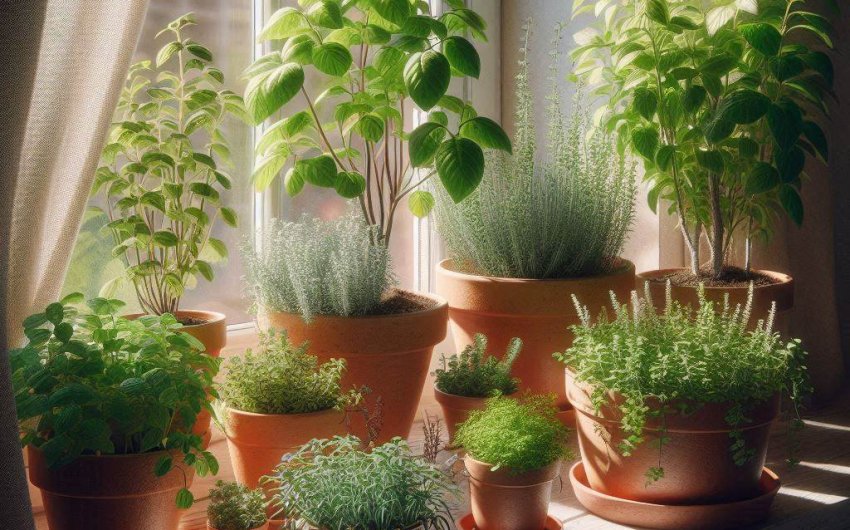
Growing herbs in small pots is an excellent solution for urban gardeners, those with limited space, or anyone who desires fresh herbs close at hand. Success hinges on selecting the right herbs, providing proper drainage, and consistent, tailored care.
Why Grow Herbs in Small Pots?
Growing herbs in small pots offers numerous advantages, making it a popular choice for both novice and experienced gardeners.
- Space-Saving: Ideal for balconies, windowsills, small patios, or even kitchen counters. You don't need a large garden plot.
- Portability: You can easily move potted herbs to follow the sun, protect them from harsh weather, or bring them indoors during winter.
- Convenience: Having fresh herbs just steps away from your kitchen makes cooking with them incredibly easy and encourages more use.
- Pest Control: Potted herbs can be more easily monitored for pests, and isolated if an infestation occurs, preventing spread to other plants.
- Soil Control: You have complete control over the soil type, ensuring it meets the specific needs of each herb.
- Decorative Appeal: Herb pots can be attractive additions to your outdoor or indoor decor, adding greenery and fragrance.
- Beginner-Friendly: It's a great way to start gardening without committing to a large, in-ground project.
Which Herbs Thrive in Small Pots?
Not all herbs are equally suited for growing in small pots. Opt for herbs that have a more compact growth habit or can tolerate being pruned frequently.
Best Herbs for Small Pots:
- Basil: Annual, loves sun, rich soil, and consistent moisture. Pinch back regularly for bushy growth.
- Chives: Perennial, grass-like leaves with oniony flavor. Tolerates some shade.
- Cilantro: Annual, prefers cooler weather. Tends to bolt (go to seed) in heat, so succession plant.
- Mint (Caution!): Perennial, very aggressive spreader. Must be grown in its own pot to prevent it from taking over.
- Parsley: Biennial (often grown as an annual), either flat-leaf or curly. Prefers consistently moist soil.
- Rosemary: Perennial, woody shrub. Loves sun and well-draining soil. Can grow large but tolerates pruning.
- Thyme: Perennial, low-growing creeper or small shrub. Loves sun and excellent drainage. Many varieties.
- Oregano: Perennial, spreading herb. Loves sun and well-draining soil.
- Lemon Balm: Perennial, member of the mint family, but less aggressive. Grows bushy, fragrant.
- Sage: Perennial, woody shrub. Loves sun and well-draining soil. Varieties like common sage, pineapple sage.
- Dill: Annual, tall and feathery. May need a slightly larger pot than others due to its height.
- Stevia: Perennial (tropical), requires warmth. Good for natural sweetener.
Herbs to Be Mindful Of (May Outgrow Small Pots Quickly):
- Bay Laurel: Becomes a tree. Can start in a pot but will eventually need a very large container or ground.
- Fennel: Can grow quite tall and develop a bulb, needing more space.
- Horseradish: Extremely vigorous and spreading, best in a very large, dedicated container or in-ground where it can be contained.
What Potting Mix and Containers are Best for Potted Herbs?
The right foundation is critical when growing herbs in small pots.
Choosing the Right Pots:
- Drainage Holes: This is non-negotiable. Every pot must have adequate drainage holes to prevent root rot. We recommend Herb Pots with Drainage.
- Material:
- Terracotta/Unglazed Clay: Porous, allows soil to breathe and excess moisture to evaporate. Great for herbs that prefer drier conditions like rosemary, thyme, oregano, sage. Dries out faster, so requires more frequent watering for thirsty herbs.
- Plastic: Retains moisture longer, good for herbs that prefer consistent moisture like basil, parsley, mint. Lighter and easier to move.
- Ceramic/Glazed Pottery: Retains moisture similarly to plastic. Can be very decorative.
- Grow Bags: Excellent for aeration and drainage. Flexible and lightweight. A Fabric Grow Bag can be ideal.
- Size:
- Small (4-6 inch diameter): Good for starting seeds or small plants of compact herbs like thyme, oregano, chives.
- Medium (6-8 inch diameter): Ideal for most common herbs like basil, parsley, mint (one plant per pot for mint!).
- Larger (8-10+ inch diameter): Needed for woody herbs like rosemary or sage if you want them to grow larger, or for combining several compatible herbs.
- Self-Watering Pots: Can be convenient for busy gardeners, but ensure they don't keep the soil too consistently wet, especially for Mediterranean herbs.
Selecting the Potting Mix:
- High Quality Potting Mix: Do NOT use garden soil, which is too dense for pots and can contain pests or diseases. A good quality Organic Potting Mix designed for containers is essential.
- Well-Draining: The most critical factor. The mix should allow water to flow through easily, preventing waterlogging.
- Amendments for Drainage: For herbs that prefer drier conditions (rosemary, thyme, sage, oregano), consider mixing in additional perlite or coarse sand to improve drainage further. A ratio of 3 parts potting mix to 1 part perlite often works well. A bag of Perlite for Plants is a great addition.
- Nutrients: Many potting mixes come with some starter nutrients, which are usually sufficient for herbs for the first few months.
How Do You Plant Herbs in Small Pots?
Whether starting from seed or transplanting, the process for growing herbs in small pots is straightforward.
From Seeds:
- Choose the Right Pot Size: Select a small pot appropriate for starting seeds (e.g., 4-inch diameter).
- Fill with Seed Starting Mix: Use a sterile Seed Starting Mix and moisten it.
- Sow Seeds: Follow package directions for planting depth and spacing. Many herb seeds (like basil, dill, parsley) can be sown directly. Some, like rosemary, can be slow to germinate and are often bought as starts.
- Light and Warmth: Provide adequate light (a windowsill or Grow Lights for Seedlings) and warmth for germination.
- Maintain Moisture: Keep the soil consistently moist until germination, using a Fine Mist Spray Bottle to avoid dislodging tiny seeds.
- Thinning: Once seedlings have a few sets of true leaves, thin them to the recommended spacing (or one per pot) to give them room to grow.
From Nursery Starts (Most Common):
- Select Healthy Plants: Choose vibrant, bushy plants without yellowing leaves or signs of pests.
- Prepare the Pot: Add a layer of your chosen potting mix to the bottom of the new pot.
- Remove from Nursery Pot: Gently squeeze the sides of the nursery pot and carefully slide the herb out. Avoid pulling by the stem.
- Loosen Roots: If the roots are tightly coiled at the bottom (root-bound), gently tease them apart.
- Position: Place the herb in the new pot so that the top of its root ball is about 1 inch below the rim of the new pot.
- Fill with Soil: Backfill with potting mix, gently firming it around the roots. Do not pack too tightly.
- Water Thoroughly: Water the newly potted herb until water drains from the bottom.
What Are the Key Care Tips for Potted Herbs?
To ensure your herbs in small pots thrive, consistent and appropriate care is essential.
1. Sunlight
- Most Herbs Need Sun: The vast majority of herbs prefer at least 6 hours of direct sunlight per day. Place them on a sunny windowsill (south-facing is often best indoors), a sunny balcony, or patio.
- Exceptions: Some herbs like mint, parsley, and cilantro can tolerate partial shade, especially in hot climates.
- Rotation: If indoors, rotate pots regularly to ensure all sides of the plant receive adequate light and prevent lopsided growth.
2. Watering
- Frequency: Potted herbs, especially in small pots, dry out much faster than herbs in the ground. Check the soil daily, or at least every other day, by sticking your finger 1-2 inches deep.
- Water When Dry: Only water when the top 1-2 inches of soil feel dry to the touch.
- Thorough Watering: Water deeply until water drains from the bottom of the pot. Discard any excess water in the saucer immediately to prevent root rot.
- Terracotta vs. Plastic: Terracotta pots dry out faster and will require more frequent watering.
- Avoid Overwatering: Soggy soil is the enemy of most herbs. Wilting can be a sign of both underwatering and overwatering (due to root rot). Always check soil moisture first.
3. Fertilizing
- Light Feeders: Herbs generally don't require heavy fertilization. Excessive fertilizer can reduce their essential oil content, which is what gives them their flavor and aroma.
- Type: Use a balanced, organic liquid fertilizer at half strength. A good Organic Liquid Plant Food can work wonders.
- Frequency: Fertilize once a month during the active growing season (spring and summer). Reduce or stop entirely during fall and winter.
4. Pruning and Harvesting
- Regular Pinching/Pruning: This is crucial for growing herbs in small pots.
- Bushy Growth: Pinching off the top few sets of leaves (just above a leaf node) encourages the plant to branch out, resulting in a bushier, more productive plant. This also delays bolting for herbs like basil and cilantro.
- Flavor: Regular harvesting keeps the plant producing new, flavorful growth.
- Harvesting: Harvest leaves as needed. For most herbs, you can take up to 1/3 of the plant at a time without harming it.
- Flowering: For most herbs grown for their leaves, pinch off flower buds as they appear. Flowering signals the end of the herb's life cycle (for annuals) or reduces leaf flavor.
5. Repotting
- When: Herbs in small pots can quickly become root-bound. Signs include roots growing out of drainage holes, water running straight through the pot, or stunted growth despite proper care. Repot typically every 6-12 months.
- Size: Go up only one pot size at a time (e.g., from a 6-inch to an 8-inch pot).
- Fresh Soil: Use fresh potting mix when repotting.
How Do You Overwinter Potted Herbs?
For perennial herbs, bringing them indoors or providing protection is vital to their survival, allowing you to continue growing herbs in small pots year-round.
- Identify Perennials: Herbs like rosemary, thyme, oregano, sage, and chives are perennials that can often be overwintered. Basil and cilantro are annuals that will die with frost.
- Bring Indoors: Before the first hard frost, bring perennial herbs indoors.
- Light: Provide the brightest possible light indoors. A sunny south-facing window is best. Supplemental LED Grow Lights for Herbs can make a huge difference, especially in northern climates.
- Watering (Reduced): Reduce watering significantly. Herbs need less water indoors during dormancy. Allow the soil to dry out even more between waterings.
- Humidity (Increased): Indoor air can be very dry. Increase humidity around your herbs by misting, using a pebble tray, or placing a Small Humidifier for Plants nearby.
- No Fertilizer: Do not fertilize herbs during their dormant period indoors.
- Pest Watch: Inspect plants carefully for pests (spider mites, aphids) before bringing them indoors. Treat any infestations.
- Gradual Transition: In spring, harden off herbs gradually before moving them back outdoors.
What Are Common Problems When Growing Herbs in Small Pots?
Even with the best intentions, you might encounter issues when growing herbs in small pots.
- Yellowing Leaves:
- Cause: Most often overwatering (soggy soil leads to root rot), but can also be underwatering, nutrient deficiency, or too little light.
- Solution: Check soil moisture. If soggy, let it dry out. Adjust watering. Ensure good drainage. Provide more light.
- Drooping/Wilting:
- Cause: Usually underwatering (soil bone dry), but can also be severe overwatering (root rot), or heat stress.
- Solution: Check soil. If dry, water thoroughly. If soggy, inspect roots for rot.
- Leggy Growth (Tall and Sparse):
- Cause: Not enough light. Plants are stretching to find sun.
- Solution: Move to a brighter location. Pinch back aggressively to encourage bushiness.
- Pests (Aphids, Spider Mites, Fungus Gnats):
- Cause: Stressed plants, lack of air circulation, high humidity (fungus gnats in wet soil).
- Solution: Inspect regularly. For aphids/spider mites, blast with water, use insecticidal soap, or Neem Oil for Plants. For fungus gnats, let soil dry out more between waterings.
- Bolting (Premature Flowering):
- Cause: Heat stress, lack of water, or mature plant completing its life cycle. Common in cilantro, basil.
- Solution: Harvest regularly, provide consistent moisture, consider partial shade in hot climates, or succession plant.
The Joy of Growing Herbs in Small Pots
Growing herbs in small pots is a rewarding endeavor that brings fresh flavor and delightful aromas right to your fingertips. With careful selection of herbs, the right containers, appropriate potting mix, and consistent attention to light, water, and pruning, you can easily cultivate a thriving mini-herb garden regardless of your available space. Enjoy the simple pleasure and culinary benefits of your very own homegrown herbs.