
How to Grow Orchids Indoors: Unlock Their Blooming Potential
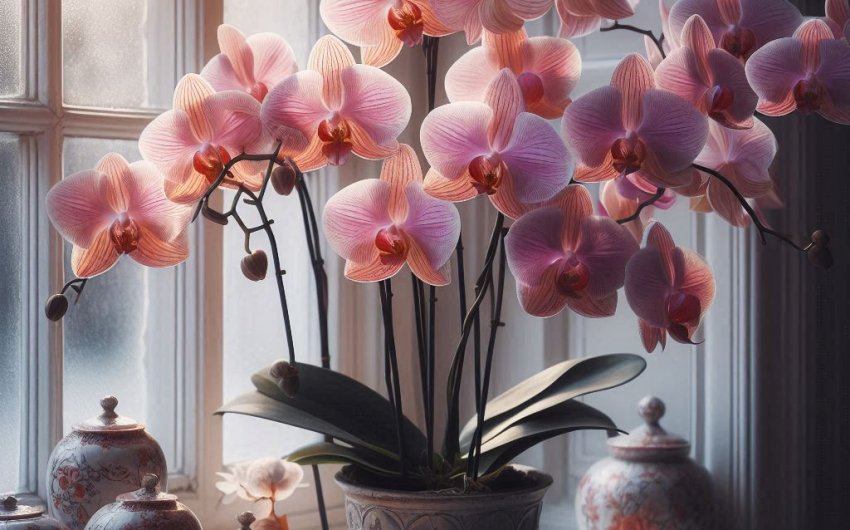
Orchids have a reputation for being finicky, but with the right knowledge and consistent care, anyone can learn how to grow orchids indoors successfully. These stunning plants, known for their exotic blooms and diverse forms, are surprisingly adaptable once you understand their basic needs. Far from being delicate divas, most common indoor orchids simply require mimicking their natural tropical environments. This guide will demystify orchid care, helping you keep your plants healthy, encourage re-blooming, and enjoy their unique beauty for years to come.
Why Grow Orchids Indoors?
Beyond their undeniable beauty, growing orchids indoors offers unique benefits that make them a rewarding addition to any home. They are a fascinating group of plants with a rich history and an incredible array of forms.
What are the advantages of keeping orchids as houseplants?
- Exquisite Blooms: Orchids produce some of the most beautiful and long-lasting flowers in the plant kingdom, adding a touch of elegance and exotic flair to any room. Blooms can last for weeks or even months.
- Low Maintenance (Once Established): Once you understand their specific needs, many popular orchid varieties are surprisingly low-maintenance compared to other houseplants. They don't require daily attention.
- Air Purification: Like other houseplants, orchids contribute to cleaner indoor air by absorbing toxins and releasing oxygen.
- Stress Reduction: The act of caring for plants, especially something as beautiful as an orchid, can be a calming and meditative activity, reducing stress and improving well-being.
- Long Lifespan: With proper care, an orchid can live for many years, becoming a cherished part of your home décor. Some can even be passed down through generations.
- Variety: There are thousands of orchid species and hybrids available, offering an incredible range of colors, sizes, and forms to suit any aesthetic.
- Unique Root System: Many orchids are epiphytic, meaning they grow on trees in their natural habitat rather than in soil. This makes their potting requirements unique and fascinating.
What Are the Best Orchids for Beginners Indoors?
When starting to learn how to grow orchids indoors, choosing a forgiving and readily available variety is crucial. While there are tens of thousands of orchid species, a few stand out as excellent choices for novices due to their adaptability and relative ease of care.
Top Orchid Varieties for Indoor Growing (Beginner-Friendly):
- Phalaenopsis (Moth Orchid):
- Why it's great: By far the most popular and easiest orchid to grow. Known for its elegant, long-lasting blooms that resemble moths in flight. Very forgiving of common beginner mistakes.
- Ideal conditions: Medium to low light, warm temperatures, consistent moisture.
- Bloom frequency: Can re-bloom several times a year with proper care.
- Commonly found: Everywhere from supermarkets to garden centers.
- Cattleya (Queen of Orchids):
- Why it's great: Known for their large, showy, often fragrant blooms. While slightly more demanding than Phalaenopsis, many hybrids are quite adaptable for home growers.
- Ideal conditions: Bright light, warm temperatures, good air circulation, distinct wet/dry cycles.
- Bloom frequency: Typically once a year, often in late winter or spring.
- Oncidium (Dancing Lady Orchid):
- Why it's great: Produces sprays of many small, often fragrant flowers, resembling dancing figures. Many hybrids are compact and easy to grow.
- Ideal conditions: Medium to bright light, intermediate temperatures, regular watering.
- Bloom frequency: Can bloom once or twice a year.
- Paphiopedilum (Lady Slipper Orchid):
- Why it's great: Unique pouch-like flowers often with intricate patterns. They are terrestrial (grow in soil) or semi-terrestrial, making their care slightly different but still manageable for beginners.
- Ideal conditions: Medium to low light, intermediate temperatures, consistently moist (but not soggy) potting mix.
- Bloom frequency: Typically one bloom per stem, but often produce new stems throughout the year.
- Dendrobium (Nobile Type):
- Why it's great: Known for their impressive clusters of blooms along tall cane-like pseudobulbs. Some types are more forgiving than others. The 'Nobile' type is a popular choice, requiring a cool, dry rest period to bloom.
- Ideal conditions: Bright light, distinct temperature fluctuations (cool nights), and a crucial winter rest.
- Bloom frequency: Once a year, typically winter or spring.
Tip for Beginners: Start with a Phalaenopsis orchid. Once you master its needs, you can expand your collection to other types.
What Are the Essential Conditions for Growing Orchids Indoors?
Replicating an orchid's natural habitat is crucial for understanding how to grow orchids indoors. Focus on these four key environmental factors: light, temperature, humidity, and air circulation.
1. Light: The Orchid's Energy Source
Light is arguably the most critical factor for successful orchid blooming. Too little light, and your orchid won't bloom; too much, and its leaves can burn.
Symptoms of Incorrect Light:
- Too Little Light: Dark green, floppy leaves; no new growth; failure to bloom.
- Too Much Light: Yellowing leaves; brown or black scorch marks on leaves; stunted growth.
- Just Right: Olive green leaves (Phalaenopsis); reddish tinge on leaves (Cattleya); good new growth; consistent blooming.
Light Requirements by Orchid Type:
Orchid Type Ideal Light Level Best Window Exposure Phalaenopsis Medium to Low (bright, indirect light) East-facing (morning sun), North-facing Cattleya Bright (some direct morning/late afternoon sun) South-facing (filtered), East-facing, West-facing Oncidium Medium to Bright East-facing, South-facing (filtered) Paphiopedilum Medium to Low East-facing, North-facing Dendrobium Bright (some direct sun, especially in winter) South-facing, East-facing, West-facing Supplementing Light: If natural light is insufficient, especially in winter or for brighter-light orchids, consider using LED grow lights. Place them 6-12 inches (15-30 cm) above the plant, providing 12-16 hours of light per day.
2. Temperature: The Thermometer's Tale
Most popular indoor orchids prefer temperatures that mirror those found in our homes. Consistency is generally preferred, but some orchids need a night-time temperature drop to trigger blooming.
- Ideal Range:
- Daytime: 65-80°F (18-27°C)
- Nighttime: 60-68°F (15-20°C)
- Temperature Drop: A 5-10°F (3-6°C) drop between day and night temperatures can be beneficial for most orchids and is essential for some (like Phalaenopsis and Dendrobium nobile types) to initiate flower spikes.
- Avoid Extremes: Protect orchids from cold drafts from windows or air conditioners, and from direct heat sources like radiators.
3. Humidity: Replicating the Tropics
Orchids thrive in high humidity, often 60-80%, which is much higher than the average home (typically 30-50%). Low humidity is a common cause of orchid problems.
- Signs of Low Humidity: Shriveled pseudobulbs (for orchids that have them), shriveled leaves, lack of new root growth, flower buds dropping before opening ("bud blast").
- How to Increase Humidity:
- Humidity Trays: Place orchid pots on a tray filled with pebbles and water. Ensure the bottom of the pot does not sit directly in the water, as this can lead to root rot. Humidity trays are readily available.
- Group Plants: Grouping plants together creates a microclimate with higher humidity.
- Humidifiers: A room humidifier can significantly increase ambient humidity, especially beneficial in dry winter months.
- Misting: While visually appealing, misting alone is generally not enough to significantly raise humidity for long periods and can even promote fungal growth if leaves stay wet. Focus on ambient humidity solutions.
4. Air Circulation: The Unsung Hero
Good air circulation is vital for orchids, preventing fungal diseases and allowing their roots to dry properly between waterings. In their natural habitat, they benefit from constant breezes.
- Avoid Stagnant Air: Don't place orchids in enclosed, stuffy spaces.
- Gentle Airflow: A small fan set on a low setting near your orchid collection can provide the necessary airflow, but ensure it's not blowing directly on the plants constantly.
- Proper Potting: The right potting mix and pot (with drainage and aeration holes) are key to allowing air to reach the roots.
How Do You Water and Fertilize Orchids?
Watering and fertilizing correctly are crucial steps in learning how to grow orchids indoors and are often where beginners make mistakes. The key is to understand that orchids are not like typical houseplants that sit in potting soil.
Watering Orchids: The "Soggy Bottom" Trap
Overwatering is the number one killer of orchids. Most orchids prefer a wet-dry cycle, allowing their roots to breathe.
- When to Water:
- Check the Potting Mix: The best way to tell is to stick your finger into the potting mix. If it feels dry about an inch down, it's time to water.
- Pot Weight: A dry pot will feel much lighter than a wet one.
- Root Color (for Phalaenopsis in clear pots): Healthy, well-watered roots are plump and green. As they dry out, they turn silvery-gray. When they're silvery-gray all over, it's time to water.
- How to Water:
- Soak and Drain: Place the pot in a sink or basin and pour room-temperature water through the potting mix until it drains freely from the bottom. Let it sit for 10-15 minutes to allow the mix to absorb water, then ensure all excess water has drained away. Never let an orchid sit in standing water.
- Frequency: Varies based on orchid type, potting mix, temperature, and humidity. This could be every 5-10 days, or even less frequently in humid conditions. Adjust as needed.
- Water Quality: Use rainwater, distilled water, or reverse osmosis water if your tap water is very hard or heavily chlorinated. Allow tap water to sit out for 24 hours to let chlorine dissipate.
Fertilizing Orchids: Less is More
Orchids are not heavy feeders. "Weakly, weekly" is a common mantra for orchid fertilization.
- Type of Fertilizer: Use a fertilizer specifically formulated for orchids. These typically have a balanced NPK ratio (e.g., 20-20-20) or sometimes a higher phosphorus number (e.g., 10-30-20) to encourage blooming. Schultz Orchid Food or Orchid Myst are popular choices.
- Dilution: Always dilute the fertilizer to 1/4 to 1/2 of the recommended strength on the label. Orchids are sensitive to salt buildup.
- Frequency:
- During Active Growth (new leaves/roots): Fertilize every 1-2 weeks at diluted strength.
- During Dormancy/Blooming: Reduce or stop fertilizing.
- Flush Regularly: Every 3-4 weeks, flush the potting mix with plain water to wash away accumulated salts from the fertilizer. This prevents root burn.
What is the Right Potting and Repotting Process for Orchids?
Unlike most houseplants, orchids do not grow in traditional soil. Their specialized root systems require unique potting media and methods. Understanding these is crucial for how to grow orchids indoors.
Choosing the Right Potting Medium:
- Epiphytic Orchids (e.g., Phalaenopsis, Cattleya, Oncidium): These grow on trees in nature, so their roots need excellent aeration and drainage.
- Orchid Bark: The most common choice. Chunks of fir bark, often mixed with charcoal and perlite. Provides good drainage and air circulation. Orchid Potting Mix Bark is essential.
- Sphagnum Moss: Retains a lot of moisture, so use with caution. Best for orchids that prefer more consistent moisture or for very dry environments. Be careful not to pack it too tightly.
- Coconut Husk Chips: Similar to bark but often holds more moisture.
- Terrestrial Orchids (e.g., Paphiopedilum): Some grow in loose leaf litter on the forest floor. They need a slightly heavier but still well-draining mix.
- Often a mix of fine bark, perlite, charcoal, and sometimes a small amount of peat moss or coco coir.
Choosing the Right Pot:
- Drainage Holes: Non-negotiable! Multiple holes are ideal.
- Airflow: Many orchid pots have extra slits or holes on the sides for additional aeration.
- Material:
- Clear Plastic Pots: Excellent for Phalaenopsis, as they allow light to reach the roots (which photosynthesize) and let you easily monitor root health and moisture levels (green means wet, silvery means dry).
- Terracotta Pots: Porous, allowing good airflow and quicker drying. Good for orchids that prefer to dry out between waterings.
- Ceramic/Decorative Pots: Can be used as outer decorative pots, but ensure the orchid is in a well-draining inner pot. Never plant directly into a decorative pot without drainage.
When to Repot Your Orchid:
Repotting is generally needed every 1-3 years, or when:
Potting Mix Breaks Down: The bark or moss starts to decompose, becoming soft, compacted, and no longer draining well. This is the most common reason.
Roots are Overgrown: Roots are growing out of the pot excessively, or the plant is unstable.
Signs of Root Rot: If roots are mushy, black, or smell foul, repot immediately.
Plant is Unstable: The orchid is top-heavy and threatens to tip over.
Best Time to Repot: When the orchid is actively growing new roots, typically after blooming or in spring. Avoid repotting when it's actively blooming or forming a new flower spike.
Step-by-Step Repotting Process:
- Prepare: Gather fresh orchid potting mix, a slightly larger pot (if needed, usually only 1-2 inches wider), clean pruners or scissors (sanitized with alcohol), and gloves.
- Remove Old Mix: Gently take the orchid out of its old pot. Carefully remove all the old potting mix from the roots. This can be messy.
- Inspect and Trim Roots:
- Examine the roots. Healthy roots are firm and plump (green or white/silvery).
- Trim away any dead, mushy, black, or papery brown roots with your sanitized pruners. Don't be afraid to remove them; they are doing more harm than good.
- Position the Orchid:
- Place the orchid in the new pot. Position it so that the base of the plant (where roots meet stem/leaves) is level with the top of the potting mix, similar to its previous depth. For orchids with a rhizome (like Cattleya), position the oldest growth against the side of the pot, allowing room for new growth.
- Add New Mix:
- Carefully fill the pot with fresh potting mix, working it gently around the roots. Use a chopstick or your finger to settle the mix around the roots and fill any air pockets. Don't pack it down tightly; you want good air circulation.
- Lightly tap the pot on the counter to settle the mix.
- Water (After 1-2 Days): Wait 1-2 days after repotting before watering. This allows any tiny root wounds to heal, preventing rot.
- Post-Repotting Care: Keep the orchid in a slightly shadier spot for a few weeks and go easy on fertilizing until new root growth is evident.
How Do I Get My Orchid to Re-Bloom?
One of the most satisfying parts of learning how to grow orchids indoors is successfully getting them to re-bloom. Many common orchids like Phalaenopsis are quite willing to flower again with the right conditions.
Key Factors for Re-Blooming:
- Light, Light, Light: This is usually the primary factor. Ensure your orchid is receiving adequate bright, indirect light. A common reason for no blooms is simply not enough light.
- Temperature Drop: For Phalaenopsis orchids, a consistent drop in night temperatures (10-15°F / 5-8°C lower than daytime temps) for 2-4 weeks in the fall can trigger a flower spike. Place them near a cooler window or in a room with a temperature set lower at night.
- Consistent Watering (Wet/Dry Cycle): Avoid overwatering and underwatering. Healthy roots are essential for energy to bloom.
- Fertilization: Use a balanced orchid fertilizer, perhaps with a slightly higher phosphorus content during the blooming season, applied regularly at a diluted strength. Stop or reduce fertilizer during dormancy.
- Patience: Orchids have their own timetables. Don't get discouraged if it doesn't bloom immediately. Some orchids only bloom once a year.
- After the Bloom Fades (Phalaenopsis Specific):
- Cut the Spike (Option 1): Cut the flower spike about 1 inch (2.5 cm) above a node (the small bump on the stem) below the lowest flower. Sometimes a new spike will emerge from this node.
- Cut the Spike Entirely (Option 2): Cut the entire spike back to the base of the plant. This encourages the plant to put energy into new leaf and root growth, leading to a stronger plant and eventually a new, robust flower spike. This is often the best approach for long-term health.
- Leave the Spike (Option 3): If the spike is still green, you can leave it. Sometimes it will produce another flower or a keiki (baby orchid plant) from a node. However, this can weaken the plant.
Troubleshooting Common Orchid Problems Indoors
Even experienced growers encounter issues. Understanding what went wrong and how to fix it is part of learning how to grow orchids indoors successfully.
| Problem | Symptoms | Probable Causes | Solutions |
|---|---|---|---|
| No Blooms | Healthy plant, but no flower spike. | Insufficient light; no temperature drop; too much nitrogen fertilizer; plant too young/stressed. | Increase light; provide night temp drop; adjust fertilizer; ensure proper care for a year before expecting blooms. |
| Bud Blast | Flower buds turn yellow/brown and drop before opening. | Low humidity; sudden temperature change/drafts; inconsistent watering; ethylene gas (from ripening fruit); pests. | Increase humidity; stable environment; consistent watering; remove ripening fruit nearby; check for pests. |
| Yellowing Leaves | |||
| Overall Yellowing | Leaves are uniformly yellow. | Overwatering (leading to root rot); nutrient deficiency; natural leaf senescence (older leaves). | Check roots (repot if rot); fertilize; older leaves naturally die. |
| Yellow with Brown Spots | Yellow leaves with brown, crispy spots. | Too much direct sunlight (sunburn). | Move to a shadier location. |
| Shriveled Leaves/Pseudobulbs | Wrinkled, thin, limp leaves/pseudobulbs. | Underwatering; root rot (roots can't absorb water); low humidity; salt buildup in potting mix. | Water thoroughly; check roots (repot if rot); increase humidity; flush potting mix. |
| Mushy, Black Roots | Roots are soft, slimy, and dark. | Overwatering; poor drainage/air circulation; broken down potting mix. | Repot immediately, trim off all rotted roots, use fresh, well-draining mix. |
| Fungus Gnats | Small black flies hovering around the pot. | Overwatering; decaying organic matter. | Let potting mix dry out more between waterings; use sticky traps; drench with diluted hydrogen peroxide. |
| Mealybugs/Scale | White, cottony masses or small, flat bumps on leaves/stems. | Pests. | Dab with alcohol-soaked cotton swab; use insecticidal soap or neem oil; isolate affected plant. |
Growing orchids indoors is a rewarding journey that connects you with the intricate beauty of the plant world. By understanding their unique needs for light, water, humidity, and proper potting, you'll master how to grow orchids indoors and unlock their potential to fill your home with stunning, long-lasting blooms. With a little patience and observation, your orchid collection will thrive, bringing exotic elegance and a touch of the tropics into your living space.