
How to Identify and Treat Lawn Grubs?
Few things are as frustrating for a homeowner as seeing their beautiful, green lawn turn brown and patchy. Often, the culprit hiding beneath the surface is a common pest known as lawn grubs. These sneaky little creatures can cause significant damage to your grass, literally eating away at its roots. But don't worry! Understanding how to identify grubs and knowing the best grub treatment options can help you protect your lawn and restore it to its former glory.
What Are Lawn Grubs?
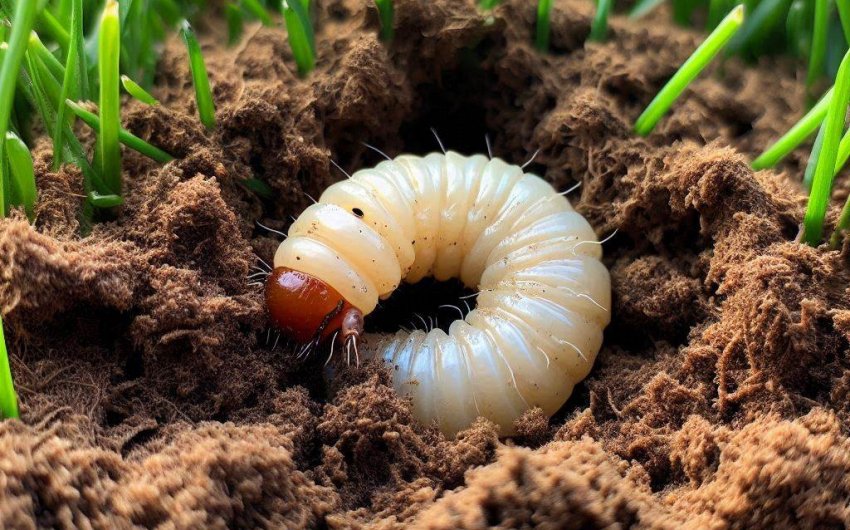
First, let's get to know the enemy. Lawn grubs are the larval (immature) stage of various beetles, most commonly the Japanese beetle, May/June beetle, and European chafer. They are soft-bodied, C-shaped, creamy white worms with six legs near their head and a distinctive brown head. They live in the soil, just beneath your grass, and their main food source is grass roots. As they grow, they can cause serious harm to your lawn by munching away at these roots, making it impossible for your grass to absorb water and nutrients.
The life cycle of a lawn grub typically involves four stages: egg, larva (grub), pupa, and adult beetle. Adult beetles lay eggs in the soil, usually in mid-summer. These eggs hatch into tiny grubs that immediately start feeding on grass roots. They continue to grow and feed through the late summer and fall. As temperatures drop in winter, they burrow deeper into the soil to survive the cold. In spring, they move closer to the surface to feed again before changing into pupae and finally emerging as adult beetles, ready to start the cycle all over again. Understanding this life cycle is crucial for effective grub control.
Signs of a Grub Infestation
Catching a grub infestation early is key to minimizing damage. While seeing a few grubs isn't usually a cause for alarm, a significant population can wreak havoc. Here are the most common signs that grubs might be feasting on your lawn:
1. Irregular Brown Patches
This is often the first noticeable sign. You'll see irregular, brown, and dying patches of grass appearing in your lawn, especially in late summer or early fall. These patches often look similar to drought stress, but unlike drought-stressed grass, these areas won't green up after watering. The reason they look like this is because the grubs have eaten away the roots, so the grass can't get any water.
2. Spongy or Loose Turf
Walk across the affected areas. Does the turf feel spongy or soft underfoot? This is because the grubs have detached the grass from the soil by consuming its roots. If the infestation is severe, you might even be able to lift sections of the turf like a piece of carpet, revealing the grubs underneath. This is a very strong indicator of a grub problem.
3. Increased Animal Activity
Raccoons, skunks, possums, and birds (especially crows and starlings) love to feast on grubs. If you notice these animals frequently digging or foraging in your lawn, especially at night or in the early morning, it's a huge red flag. They are probably digging for the grubs, and while they might reduce the grub population, their digging can cause additional damage to your lawn. A trail camera can help you confirm which animals are visiting your yard.
4. Wilted or Dying Grass (Despite Watering)
Even if you're watering your lawn regularly, affected areas will continue to look wilted and stressed. This is because, without roots, the grass simply cannot absorb the water you're providing.
5. Seeing the Grubs Themselves
The most direct way to confirm a grub problem is to dig a small section of your lawn. Use a hand trowel or small shovel to dig up a square foot of turf, about 2-4 inches deep, especially in the brown or spongy areas. Look for the C-shaped, white grubs in the soil. If you find 5-10 or more grubs per square foot, you likely have a significant infestation that warrants treatment.
When to Treat for Grubs
Timing is everything when it comes to grub treatment. Treating at the wrong time can be ineffective and a waste of your money and effort.
Best Time for Preventative Treatment (Spring to Early Summer)
If you've had grub problems in the past, or if grubs are common in your area, a preventative grub killer is your best bet. These products are designed to kill newly hatched grubs.
- When to apply: Apply preventative treatments in late spring to early summer, usually between April and June, depending on your region and the specific type of grub. This is when adult beetles are laying eggs or when the first tiny grubs are just hatching.
- How they work: These products contain chemicals that remain active in the soil for several months, killing the grubs as they hatch and start to feed.
- Key products: Look for active ingredients like chlorantraniliprole (often found in products like Scott's GrubEx) or imidacloprid (often found in products like Bayer Complete Brand Insect Killer For Soil & Turf). Always read the label to ensure the product is suitable for your lawn and for application instructions.
Best Time for Curative Treatment (Late Summer to Early Fall)
If you're already seeing significant damage and have confirmed an active infestation (i.e., you've dug up grubs), you need a curative grub killer.
- When to apply: The ideal time for curative treatment is late summer to early fall (August to September). This is when the grubs are still relatively small and actively feeding near the soil surface, making them most vulnerable to insecticides. Larger, more mature grubs are harder to kill.
- How they work: Curative treatments typically contain active ingredients like trichlorfon (found in Dylox 6.2 Granular Insecticide) or carbaryl. These work faster to kill existing grubs.
- Important note: After applying a curative treatment, you must water it in immediately to get the product into the soil where the grubs are. Use a garden hose or sprinkler system to deeply water the treated area.
Avoid applying grub treatments in late fall or winter when grubs burrow deep, or in early spring when they are large and about to pupate, as treatments will be less effective.
How to Treat Lawn Grubs: Chemical vs. Organic Solutions
There are several options for grub control, ranging from traditional chemical insecticides to more natural, organic methods.
Chemical Grub Control
Chemical insecticides are generally very effective at killing grubs.
- Granular products: Many grub killers come in granular form. You apply them using a broadcast spreader or a drop spreader for even coverage. After spreading, you must water the lawn thoroughly to dissolve the granules and carry the insecticide into the soil where the grubs are.
- Liquid concentrates: Some products are liquid concentrates that you mix with water and apply with a garden sprayer. These also need to be watered in immediately after application.
Important Considerations for Chemical Treatments:
- Read the label: Always, always read and follow the instructions on the product label. This includes safety precautions, application rates, and watering requirements.
- Safety: Wear appropriate protective gear, such as garden gloves and safety glasses, when handling chemicals. Keep children and pets off the treated area until it's dry.
- Environmental impact: Be aware that some chemical insecticides can harm beneficial insects and aquatic life if not applied correctly.
Organic Grub Control
For those looking for a more environmentally friendly approach, several organic options can help with grub control.
1. Beneficial Nematodes
These are microscopic, naturally occurring roundworms that are parasites of grubs. They enter the grub's body and release bacteria that kill the grub from the inside out. They are safe for humans, pets, and plants.
- Timing: Apply beneficial nematodes in late summer or early fall when grubs are actively feeding. The soil temperature needs to be between 60°F and 90°F (15°C to 32°C) for them to be effective.
- Application: Beneficial nematodes usually come in a sponge or powder form that you mix with water and apply with a sprayer or watering can.
- Watering: The lawn must be moist before application, and kept moist for at least a week after application to ensure the nematodes can move through the soil. Apply in the early morning or evening, or on a cloudy day, as UV light can harm them.
- Effectiveness: Nematodes are a natural solution but may take longer to show results than chemical treatments and are generally best for preventing future grub problems or managing smaller infestations. They are living organisms, so check their expiration date and store them properly.
2. Milky Spore
This is a naturally occurring bacterium (Paenibacillus popilliae) that causes a fatal disease in Japanese beetle grubs. It's specific to Japanese beetles and won't harm other grub species.
- Application: Milky spore powder is applied to the lawn and can take several years to build up in the soil to effective levels. Once established, it can provide long-term control for Japanese beetle grubs.
- Longevity: It's considered a permanent solution for Japanese beetle grubs once the spores multiply sufficiently in the soil.
- Specific to Japanese beetles: Remember, it won't help with May/June beetle grubs or European chafer grubs.
3. Neem Oil
Derived from the neem tree, neem oil acts as an insect repellent and growth disruptor. It can deter adult beetles from laying eggs and disrupt the grub's feeding habits.
- Application: Mix neem oil concentrate with water and spray it on your lawn. It can be part of a broader organic pest management strategy but may not be strong enough for severe infestations on its own.
4. Cultural Practices
Maintaining a healthy, strong lawn is one of the best defenses against grubs.
- Proper Mowing: Mow at the correct height for your grass type. Taller grass often has deeper roots, making it more resilient. A good quality lawn mower is essential.
- Deep, Infrequent Watering: Encourage deep root growth by watering deeply but less often. Aim for 1 inch of water per week. An irrigation timer can help.
- Aeration: Aerating your lawn can reduce compaction, allowing better air and water penetration, which promotes healthier roots less susceptible to grub damage. A lawn aerator can be rented or purchased.
- Healthy Soil: Improve your soil health with regular applications of compost or other organic matter. Healthy soil promotes beneficial microorganisms that can help deter pests.
Repairing Your Lawn After Grub Damage
Once you've treated the grubs, it's time to help your lawn recover.
1. Rake Away Dead Grass
Use a garden rake to gently remove the dead, brown grass from the damaged areas. This prepares the soil for new growth.
2. Loosen the Soil
If the soil is compacted, use a garden fork or rake to lightly loosen the top few inches. This will help new seeds or sod establish roots.
3. Add Topsoil or Compost
Spread a thin layer of fresh topsoil or lawn repair mix over the affected areas. This provides a good bed for new grass. A good quality wheelbarrow can help with moving soil.
4. Reseed or Sod
- Reseeding: For smaller or scattered patches, choose a grass seed that matches your existing lawn type. Spread the seeds evenly over the prepared soil. Lightly rake the seeds into the soil surface, ensuring good seed-to-soil contact. Cover with a very thin layer of straw mulch to help retain moisture and protect the seeds from birds. Keep the seeded areas consistently moist (but not soggy) until the new grass sprouts and is established. This might mean light watering several times a day.
- Sodding: For larger damaged areas, laying sod can provide an instant lawn. Prepare the soil as above, lay the sod pieces, and water them thoroughly immediately after installation. Keep sod moist until it roots into the underlying soil. A sod cutter can help with large projects.
5. Fertilize
Once new grass has started to grow and establish, a light application of a starter fertilizer can give it a boost. Avoid heavy fertilizing too soon.
Preventing Future Grub Infestations
The best defense is a good offense! Here's how to keep grubs from ruining your lawn again:
- Regular Monitoring: Be observant! Watch for signs of grub activity, especially in late summer and early fall.
- Mow High: Keeping your grass a bit taller (e.g., 2-3 inches for most turf types) encourages deeper, stronger roots, making your lawn more resilient to grub damage.
- Water Wisely: Deep, infrequent watering promotes healthy, deep root systems that are less attractive to grubs.
- Consider Preventative Treatments: If grubs are a recurring problem in your area, consider applying a preventative grub killer in late spring to early summer each year.
- Healthy Soil: A healthy soil ecosystem encourages beneficial organisms that can naturally help control pests. Regular top dressing with compost can improve soil health.
- Attract Beneficial Wildlife: Encourage birds and other natural predators to your yard by providing a bird bath or bird feeder.
Dealing with lawn grubs can be a challenge, but with the right knowledge and timely action, you can protect your lawn and enjoy a lush, green outdoor space. Be vigilant, know the signs, and choose the grub treatment method that best suits your needs and preferences. Your lawn will thank you for it!