
How to Manage Moisture Levels in Compost Piles?
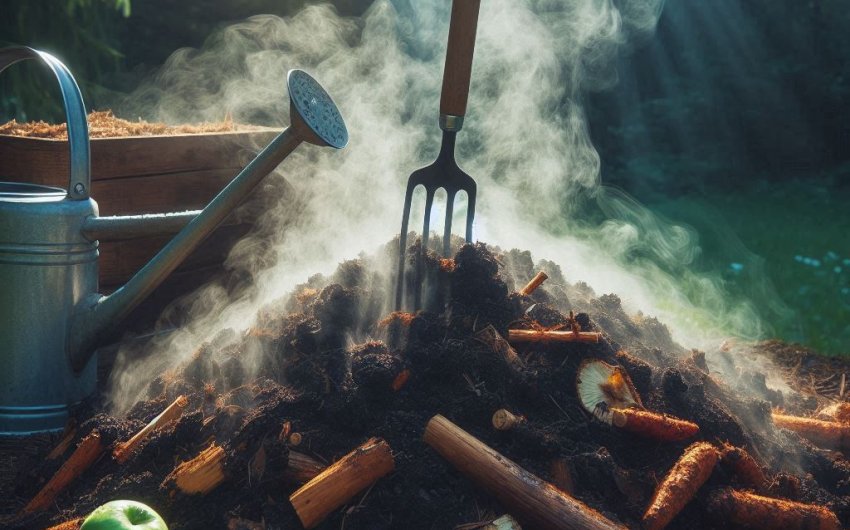
Composting is like cooking a perfect meal for your garden. You need the right ingredients, the right temperature, and, perhaps most importantly, the right amount of moisture. Think of your compost pile as a thriving community of tiny workers – microbes, bacteria, and fungi. These microscopic helpers are what break down your kitchen scraps and yard waste into rich, dark compost, often called "black gold" by gardeners. But just like any living thing, these workers need water to survive and do their job. Getting the moisture level in compost just right is a key secret to successful composting. Too dry, and the process slows to a crawl. Too wet, and it can become a stinky, slimy mess.
Why Moisture Matters in Composting
Understanding why moisture in compost is so important helps you manage it better. The decomposition process is biological, meaning living organisms are doing the work.
- Microbial Activity: Microbes (bacteria, fungi, and other tiny creatures) are the primary decomposers. They need water to move around, transport nutrients, and carry out their metabolic processes. Without enough water, they simply can't do their job effectively, and the composting process will slow down or stop entirely.
- Nutrient Transport: Water helps dissolve nutrients from the organic materials, making them available for the microbes to consume.
- Temperature Regulation: Believe it or not, water plays a role in temperature. A well-hydrated pile can heat up more effectively because the microbes are active. It also helps prevent the pile from becoming too hot and drying out.
- Aeration: While too much water can lead to a lack of air (anaerobic conditions), the right amount of moisture helps maintain the structure of the pile, allowing air to circulate.
The Ideal Moisture Level: The "Sponge Test"
So, what does the perfect compost moisture feel like? The widely accepted guideline is the "wrung-out sponge" test.
- Grab a handful of material from your compost pile. Dig a few inches down to get a good sample, not just the dry top layer.
- Squeeze it firmly.
- Ideal result: A few drops of water should come out, but not a steady stream. The material should feel damp, like a well-wrung-out sponge, but not dripping wet.
If no water comes out, your compost pile is too dry. If water streams out, it's too wet. This simple test is your best tool for managing compost humidity.
Signs Your Compost Pile is Too Dry
A dry compost pile is a lazy pile. It might not smell bad, but it won't be breaking down quickly. Here are the common signs:
- No heat: Active compost piles generate heat, sometimes reaching 120°F to 160°F (49°C to 71°C) in the center. If your pile is cold and nothing seems to be happening, lack of moisture is a likely culprit. You can use a compost thermometer to check the temperature.
- Slow decomposition: Materials aren't breaking down. You see whole leaves, twigs, or food scraps that have been there for weeks or months with no change.
- Dusty or brittle materials: The ingredients feel dry, dusty, or brittle when you handle them.
- Ants: Ants are attracted to dry conditions and might set up nests in a dry compost bin.
How to Add Moisture to a Dry Compost Pile
Reviving a dry pile is straightforward.
- Add water: The easiest way to increase compost moisture is to simply add water. Use a garden hose with a spray nozzle or a watering can.
- Layer by layer: If building a new pile, moisten each layer as you add it.
- For an existing pile: Don't just spray the top. It's best to turn the pile as you water. This helps distribute the moisture evenly throughout the pile.
- Turn and mix: As you water, use a compost aerator or a pitchfork to turn the pile. This mixes the dry parts with the newly moistened parts and also introduces oxygen, which is essential for healthy decomposition.
- Add "wet" ingredients (Greens): Increase the proportion of "green" materials in your next additions. These are high in nitrogen and moisture. Examples include:
- Fresh grass clippings (lawn mower with bagger useful here)
- Fruit and vegetable scraps (avoid meats and dairy)
- Coffee grounds and tea bags
- Green plant trimmings
- Use a Cover (Sometimes): In very hot or windy climates, or during dry spells, covering your compost bin or pile can help retain moisture and prevent it from drying out too quickly. A compost bin lid or a simple tarp can work.
Signs Your Compost Pile is Too Wet
Too much moisture is a bigger problem than too little, as it can lead to foul odors and anaerobic conditions. Anaerobic means "without air." When a pile gets too wet, water fills the tiny air pockets, pushing out the oxygen. The microbes that thrive in oxygen-rich (aerobic) environments die off, and different kinds of microbes take over. These anaerobic microbes break down materials very slowly and produce unpleasant smells.
- Rotten egg smell: This is the classic sign of an anaerobic, overly wet pile. It means sulfur gases are being produced.
- Slimy or matted materials: The ingredients might clump together, feel slimy, or become heavily matted, especially grass clippings.
- Cold and sluggish: Despite the bad smell, the pile might not be heating up because the aerobic microbes aren't active.
- Standing water: You might see puddles or water collecting at the bottom of your compost bin or pile.
- Maggots: While not always a sign of being too wet (they can appear in food scraps regardless), a persistently soggy pile can create an environment where they thrive.
How to Reduce Moisture in an Overly Wet Compost Pile
Drying out a soggy pile requires more effort than rehydrating a dry one, but it's totally fixable.
- Turn the pile: This is the most crucial step. Turning the pile helps introduce air back into the system, breaking up matted clumps and allowing excess moisture to evaporate. Use a compost aerator or pitchfork to thoroughly mix the pile. Turn it several times over a few days if needed.
- Add "dry" ingredients (Browns): Increase the proportion of "brown" materials. These are carbon-rich and absorbent. Examples include:
- Dry leaves (a leaf shredder can make them break down faster)
- Shredded newspaper or cardboard (tear into small pieces; a paper shredder can help)
- Wood chips or sawdust (in moderation, as they break down slowly)
- Straw
- Dry plant stalks These materials act like sponges, soaking up excess moisture.
- Improve drainage: If your compost bin or pile sits in a spot where water collects, consider moving it to a higher, better-drained area. Ensure your compost bin has adequate drainage holes at the bottom.
- Cover to protect from rain: If you live in a rainy climate, cover your compost pile with a tarp or place it under an overhang to prevent it from getting waterlogged from above.
Balancing "Greens" and "Browns" for Optimal Moisture
Managing moisture is closely linked to the balance of "greens" (nitrogen-rich, moist) and "browns" (carbon-rich, dry) in your compost recipe. While the ideal ratio is often cited as 25-30 parts carbon to 1 part nitrogen by weight, for home composters, it's easier to think in terms of volume: roughly 2-3 parts browns to 1 part greens.
- Too many greens: If you add too many fresh grass clippings or a large batch of kitchen scraps all at once, your pile will likely become too wet and possibly smelly.
- Solution: Balance these additions with plenty of dry leaves, shredded paper, or straw.
- Too many browns: If your pile is mostly dry leaves or wood chips, it will likely be too dry and decompose very slowly.
- Solution: Add moist "green" materials like kitchen scraps, grass clippings, or even just water.
Think of it as a constant dance. When you add wet kitchen scraps, follow up with a handful of dry leaves. When you add a big batch of grass clippings, mix in some shredded cardboard.
Tools to Help with Moisture Management
Having the right composting tools can make managing moisture much easier.
- Watering Can or Hose with Nozzle: Essential for adding water precisely. A rain barrel can provide chemical-free water for your compost.
- Compost Aerator / Turning Tool or Pitchfork: Crucial for mixing the pile, introducing air, and distributing moisture. A garden fork is also great for turning.
- Compost Thermometer: While primarily for temperature, a cold pile can indicate a lack of moisture.
- Shredder / Chipper: If you have a lot of woody materials or dry leaves, a leaf shredder or wood chipper can break them into smaller pieces. Smaller pieces have more surface area, break down faster, and absorb moisture more efficiently.
- Compost Bin/Container: The design of your compost bin can influence moisture.
- Open piles: More prone to drying out in sun/wind or getting waterlogged in heavy rain. Easy to turn.
- Closed bins: Better at retaining moisture and heat. Some have built-in aeration systems. A tumbling composter makes turning incredibly easy.
- Worm bins: For vermicomposting, moisture is key, but it's managed differently. The bedding (shredded paper, coco coir) provides moisture, and too much water can drown the worms.
Seasonal Considerations for Compost Moisture
The weather and time of year will greatly influence your compost moisture needs.
- Summer: During hot, dry spells, your compost pile will dry out quickly due to evaporation. You'll need to water it more frequently and possibly cover it to retain moisture.
- Winter: In cold climates, the composting process slows down significantly or even stops when temperatures drop below freezing. The pile won't dry out as fast, but if it's too wet and freezes solid, it can become a block of ice that's hard to work with. If adding wet kitchen scraps, try to bury them deeper in the pile.
- Spring/Fall: These are often ideal composting seasons. Moderate temperatures and regular rainfall can help maintain good moisture levels naturally. However, heavy rains in spring or fall can lead to too much moisture, so be prepared to add browns or turn the pile.
Tips for Beginners to Manage Compost Moisture
If you're just starting out with composting, don't get discouraged! It's a learning process.
- Start small: Don't overload your compost pile too quickly.
- Mix as you add: Always try to mix new "green" additions with existing "brown" materials in the pile.
- The "smell" test: If your pile smells good and earthy, you're probably doing well. If it smells like rotten eggs, it's too wet. If it smells like ammonia, it's too rich in nitrogen (too many greens) and needs more browns and aeration.
- Be patient: Composting takes time. Don't expect instant results. A well-managed active pile can produce finished compost in a few months, but passive piles can take a year or more.
- Observe and adjust: Every compost pile is unique. Pay attention to how your materials are breaking down, how quickly they are drying out or getting wet, and adjust your moisture additions and ingredient ratios accordingly.
Mastering moisture management in compost piles is a crucial skill for any gardener. It directly impacts the speed and efficiency of decomposition, helping you produce rich, nutrient-filled compost faster. By regularly checking your pile with the "wrung-out sponge" test, balancing your "greens" and "browns," and reacting to signs of being too wet or too dry, you'll be well on your way to creating gardening gold.